
Franciscan allegories — History & Facts
When Giotto di Bondone painted Franciscan allegories in 1334, he was already celebrated for transforming religious art with a new sense of humanity and space, but the greatest intrigue lies in the work’s uncertain journey through time. Unlike his famed fresco cycles, this piece’s medium remains a mystery—no contemporary records clarify whether it was painted on wood, plaster, or another surface. Scholars have long debated its original location and purpose, with some suggesting it was intended for a Franciscan convent, while others argue it may have been part of a now-lost altarpiece.
The lack of documentation has only deepened its allure, making every detail a subject of close scrutiny. The scene captures the moment when St. Francis, surrounded by allegorical figures, receives the stigmata, his hands lifted in awe as rays of light pierce the air. Around him, personifications of virtues—Poverty, Chastity, and Obedience—gesture in silent dialogue, their attributes clear: Poverty in humble robes, Chastity with a lily, Obedience bowing her head.
The composition draws the eye to Francis’s face, illuminated by a soft, almost earthly glow, emphasizing his humility and spiritual awakening. Giotto’s handling of space and gesture—so different from the stylized symmetry of earlier Gothic works—invites comparison with Simone Martini’s more decorative approach to Franciscan themes, highlighting Giotto’s commitment to emotional realism. The physical history of Franciscan allegories is as elusive as its medium. No records survive of its original patron, though the Franciscan order’s influence in early 14th-century Italy makes them likely candidates.
Over centuries, the painting’s whereabouts faded from view, with attributions shifting as new evidence and technical studies emerged. Today, it stands as a testament to Giotto’s late career, when his reputation as the father of the Italian Renaissance was already secure. Whether seen in a museum or studied through reproductions, the work continues to invite questions about its origins and meaning, embodying the enduring mystery of Giotto’s legacy.
More Artworks by Giotto di Bondone
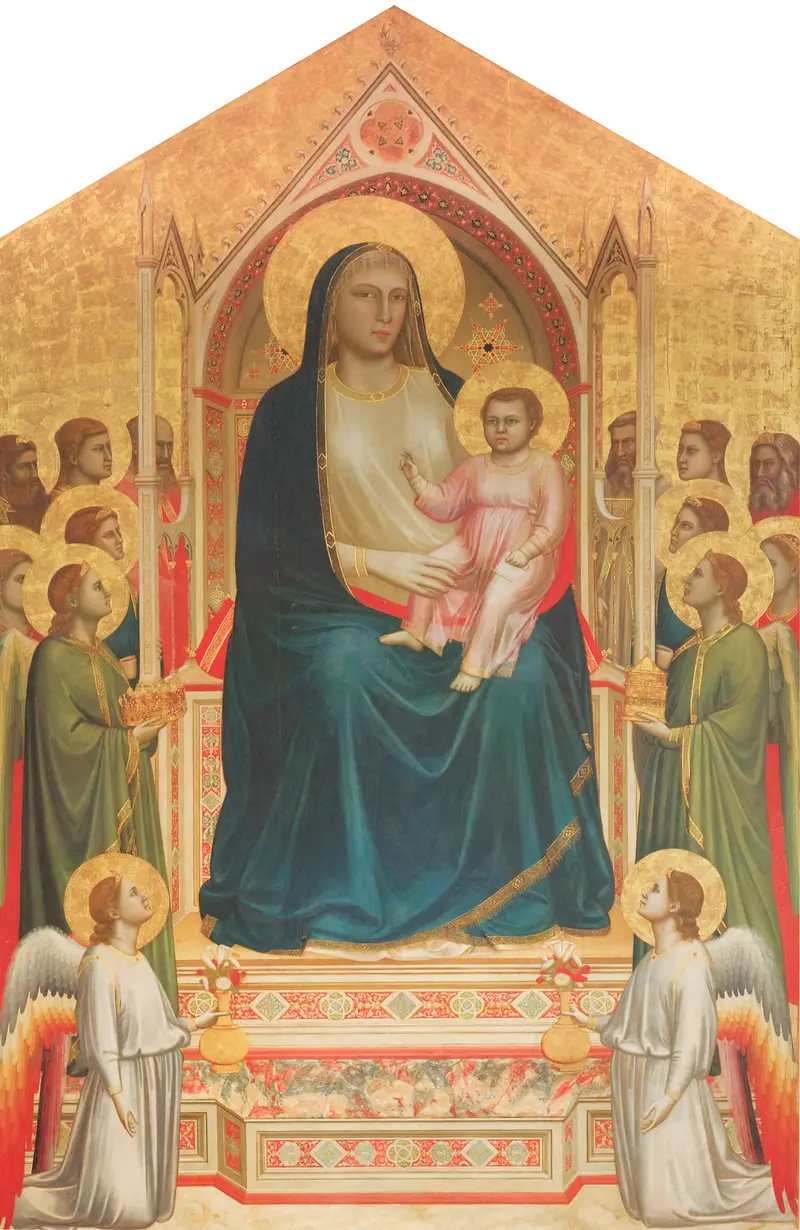
Ognissanti Madonna
Giotto di Bondone
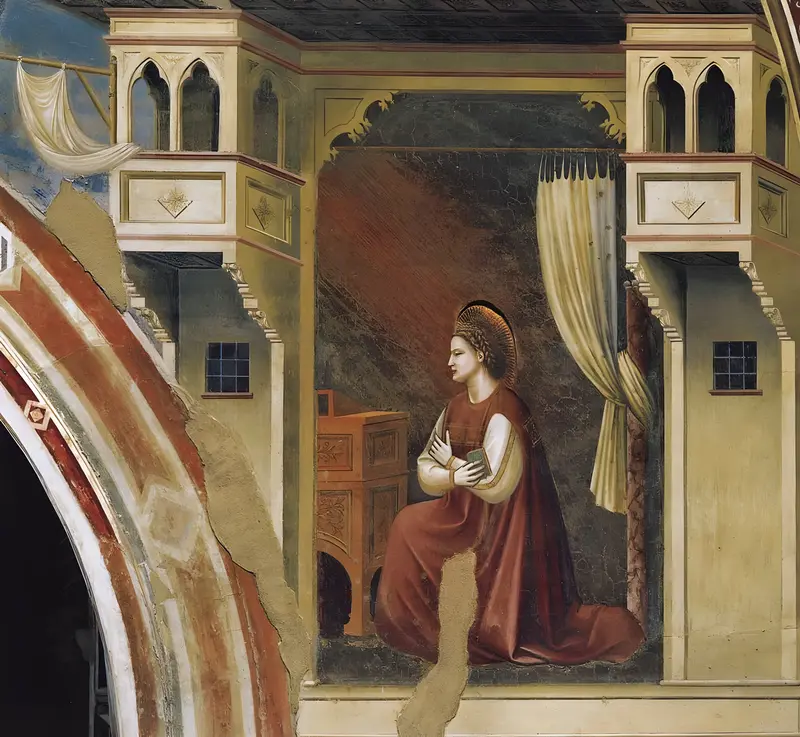
The Virgin of the Annunciation
Giotto di Bondone
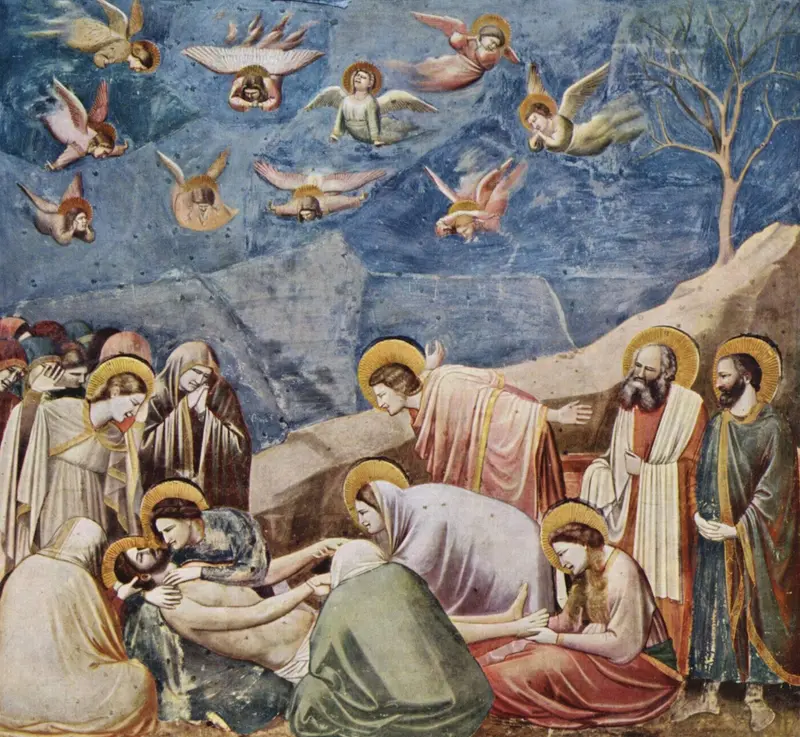
Lamentation (The Mourning of Christ)
Giotto di Bondone
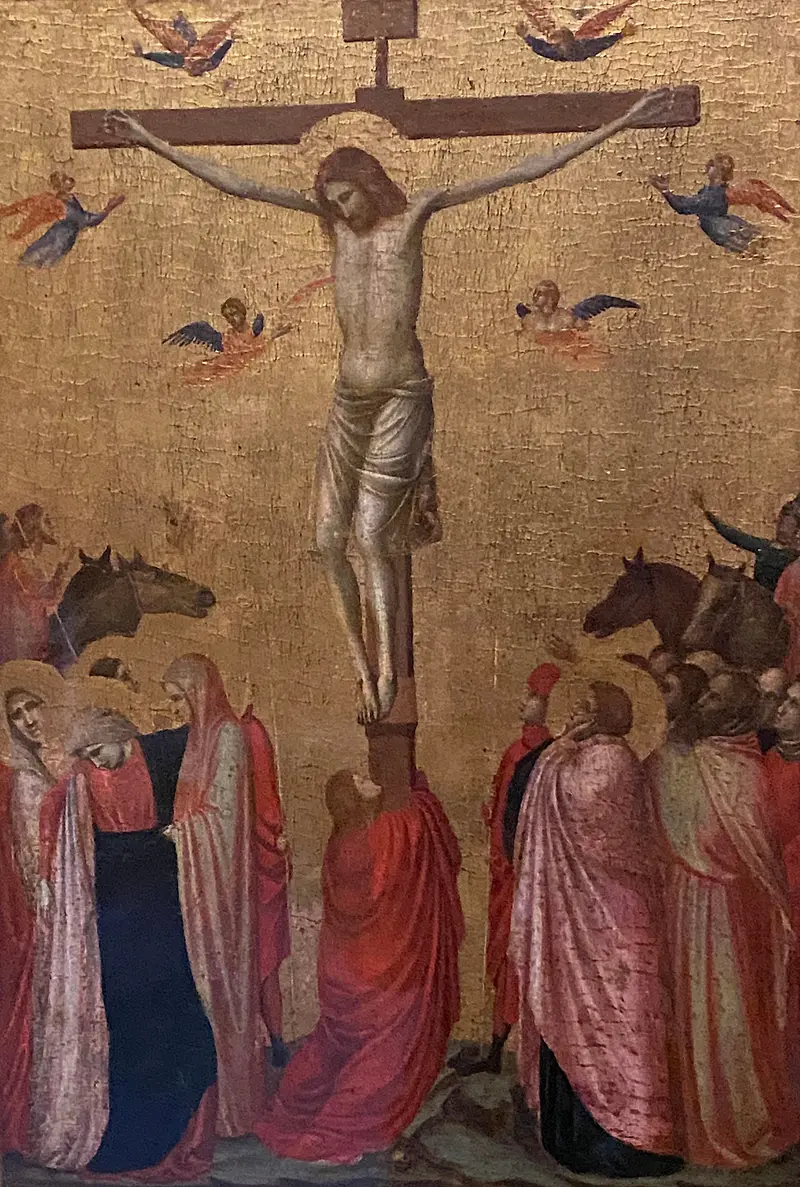
Crucifixion of Strasbourg
Giotto di Bondone
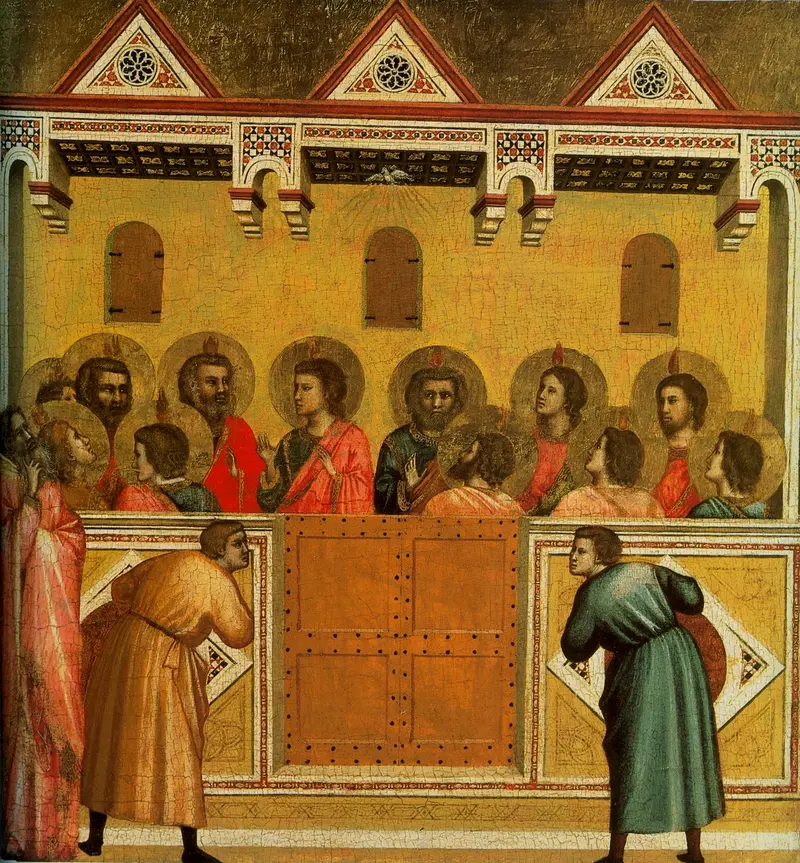
Pentecost
Giotto di Bondone
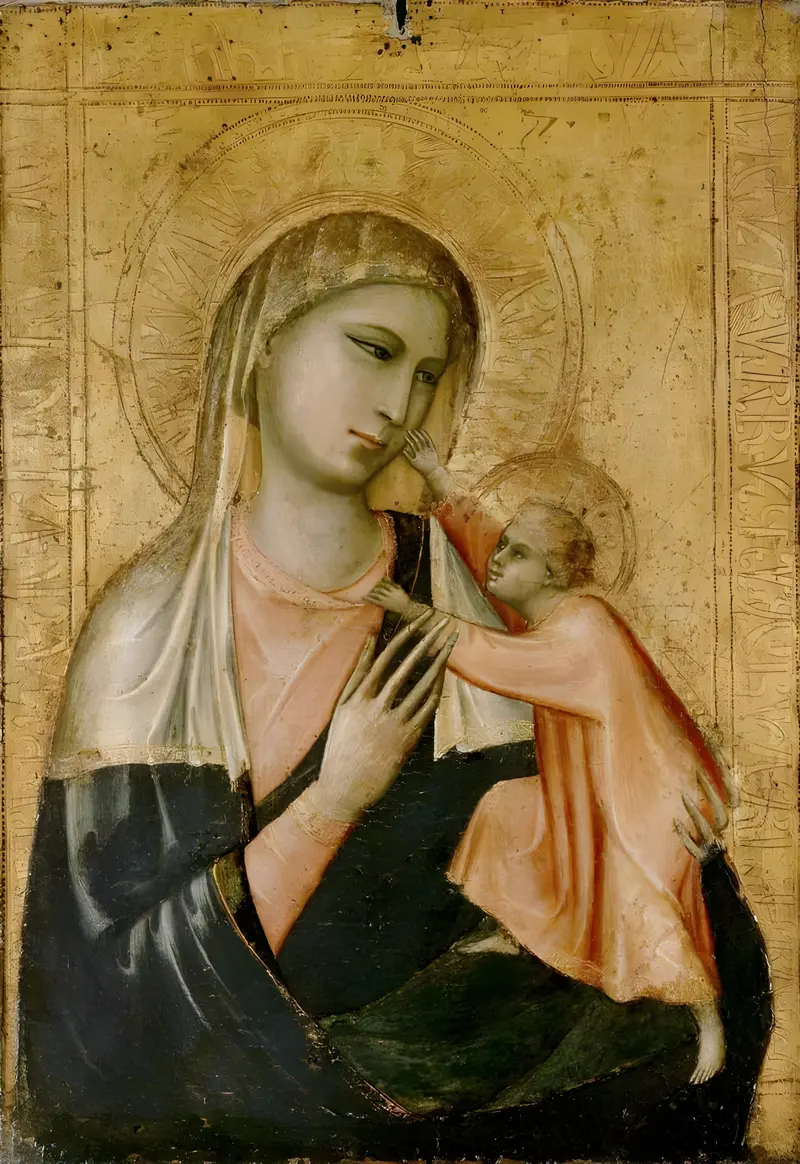
The Virgin and Child
Giotto di Bondone
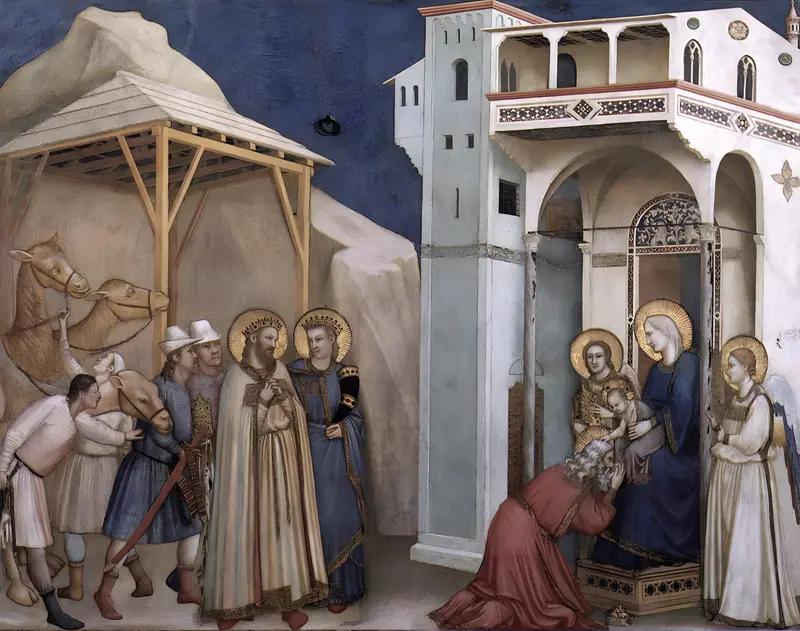
Anbetung der Könige
Giotto di Bondone
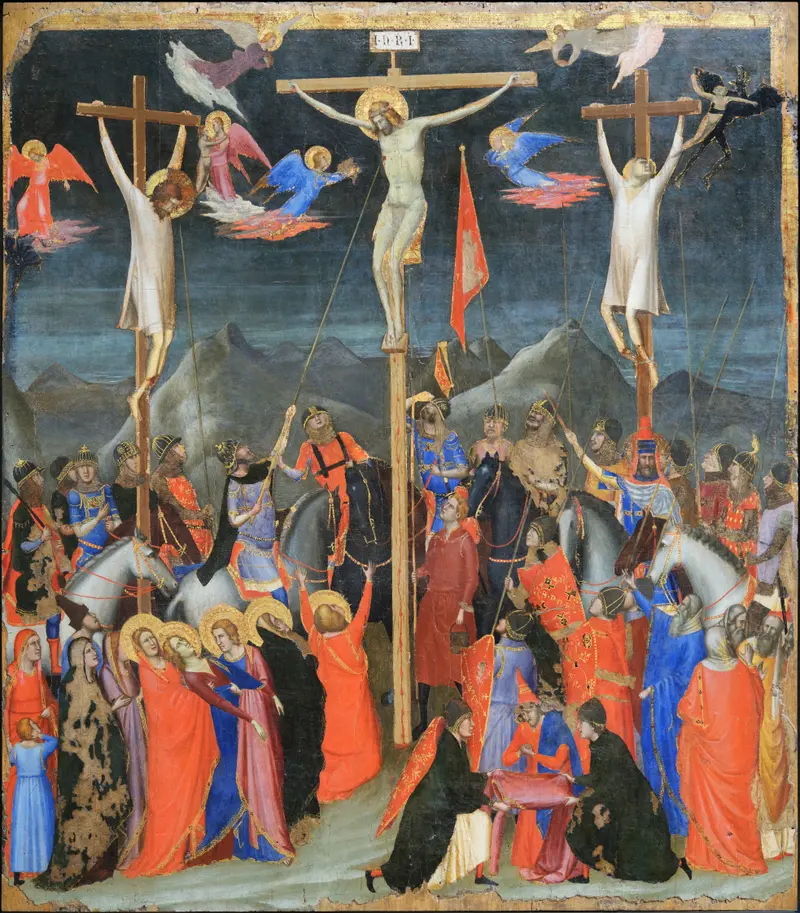
Crucifixion
Giotto di Bondone
The Visitation
Giotto di Bondone
Bologna Polyptych
Giotto di Bondone





