
Frontispiece for L’Illustration Nouvelle – The Burial of the Burin — History & Facts
What secret hides in the quiet of the canvas? In the delicate embrace of ink and paper, Frontispiece for L’Illustration Nouvelle – The Burial of the Burin beckons us to ponder the sanctity of creation and its ephemeral nature. To truly appreciate this work, look closely at the somber, shadowy figures that emerge from the background. Notice how Buhot masterfully employs cross-hatching and stippling to create depth, drawing your eye inward. The burin, a tool of creation, lies at the center, juxtaposed against a serene landscape that appears to mourn its loss.
The muted earth tones evoke a sense of nostalgia, amplifying the solemnity of the moment as light delicately dances across the scene. The burial of the burin suggests a poignant transition—a reflection on the artist's own struggles between creation and the inevitability of decline. The figures, cloaked in darkness, can be interpreted as both mourners and creators, hinting at the bittersweet relationship between artistry and mortality. Each line and shadow captures a tension: a duality of reverence and finality, inviting viewers to confront the fleeting nature of inspiration. In 1877, as Buhot immersed himself in Paris's vibrant artistic community, he found himself at the crossroads of traditional and modern techniques.
This era was marked by experimentation among printmakers and illustrators, and Buhot was deeply influenced by the evolving landscape of art. Amidst the cultural shifts, Frontispiece for L’Illustration Nouvelle serves as a testament to his introspections on the creative process, encapsulating both the weight of artistic legacy and the silence that can accompany its end.
More Artworks by Félix Hilaire Buhot
Browse all →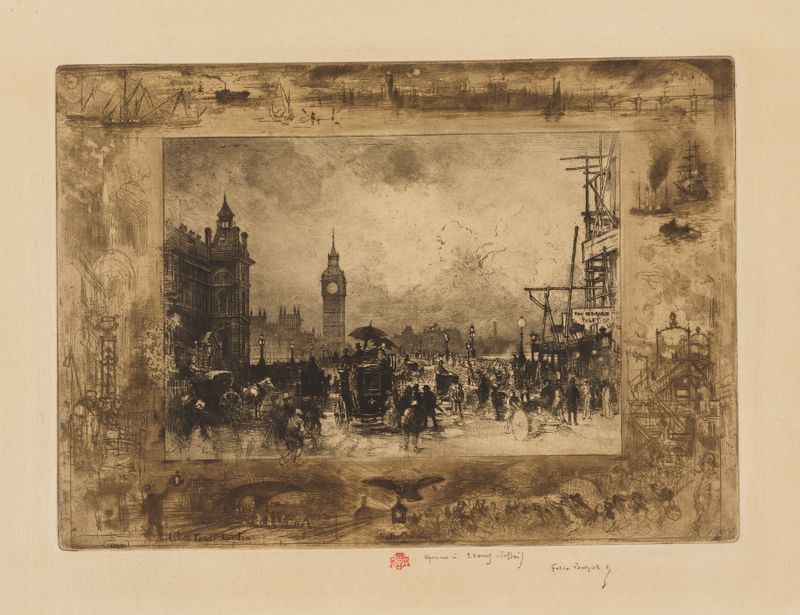
Westminster Bridge, or Westminster Clock Tower
Félix Hilaire Buhot
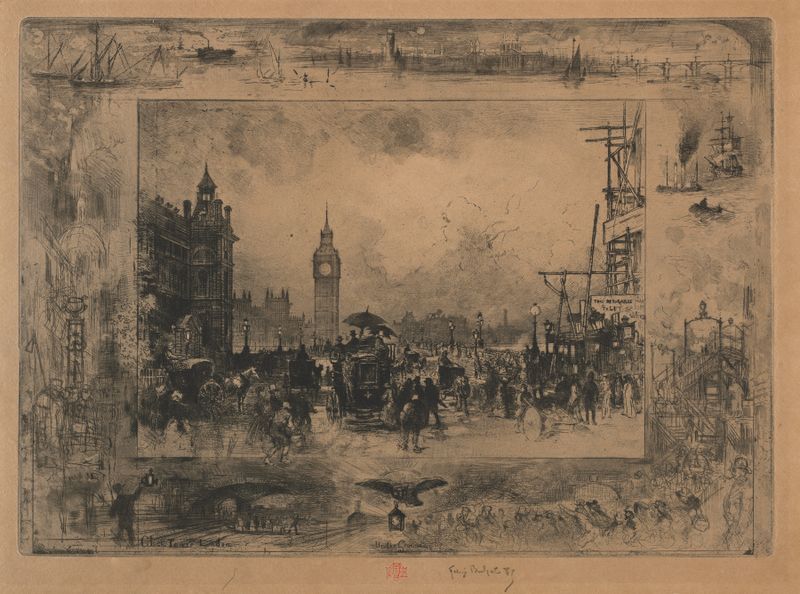
Westminster Bridge, or Westminster Tower
Félix Hilaire Buhot
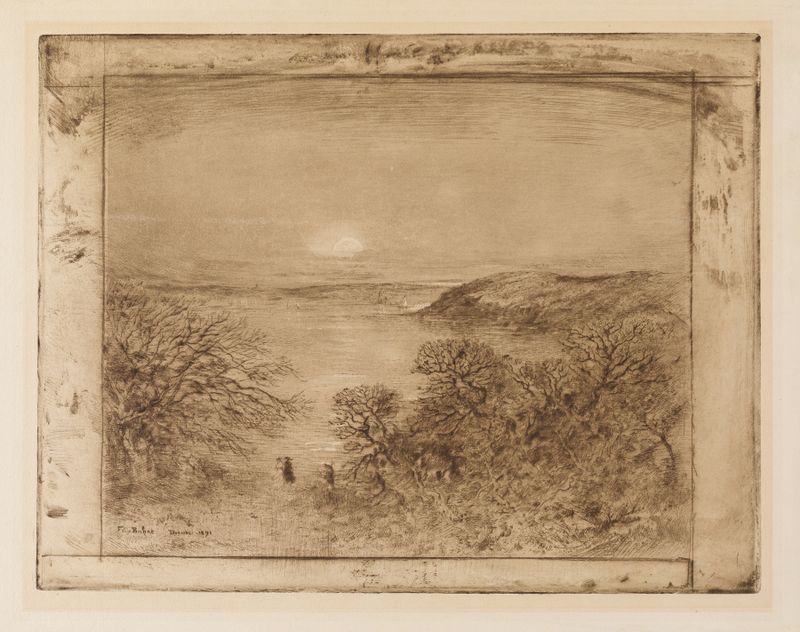
Moonrise at Dinard
Félix Hilaire Buhot
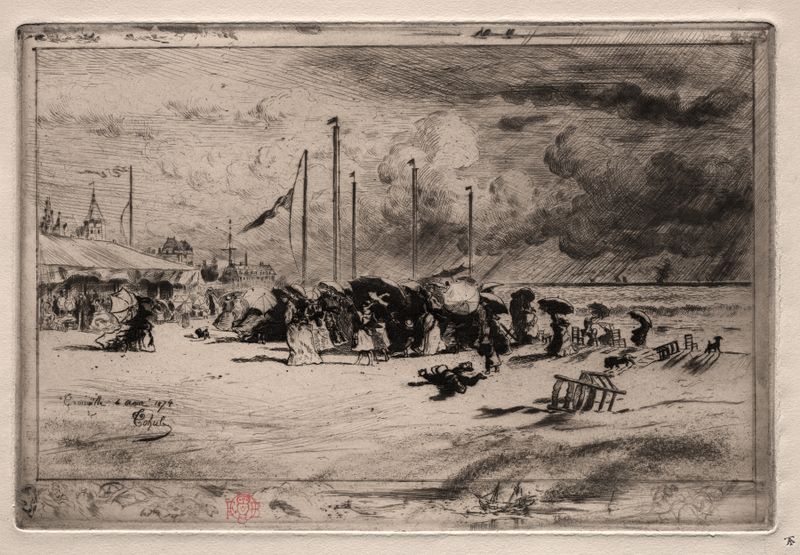
A Squall at Trouville
Félix Hilaire Buhot
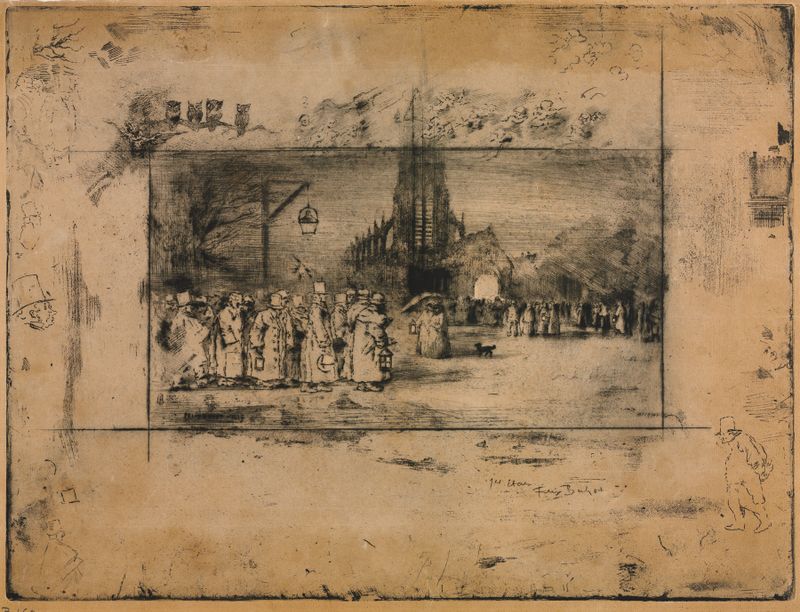
The Midnight Mass
Félix Hilaire Buhot
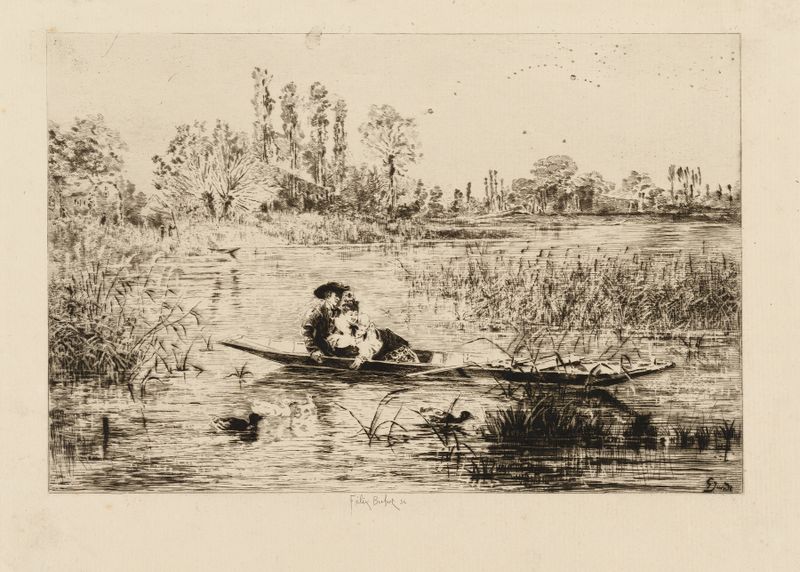
On the Thread of the Water
Félix Hilaire Buhot
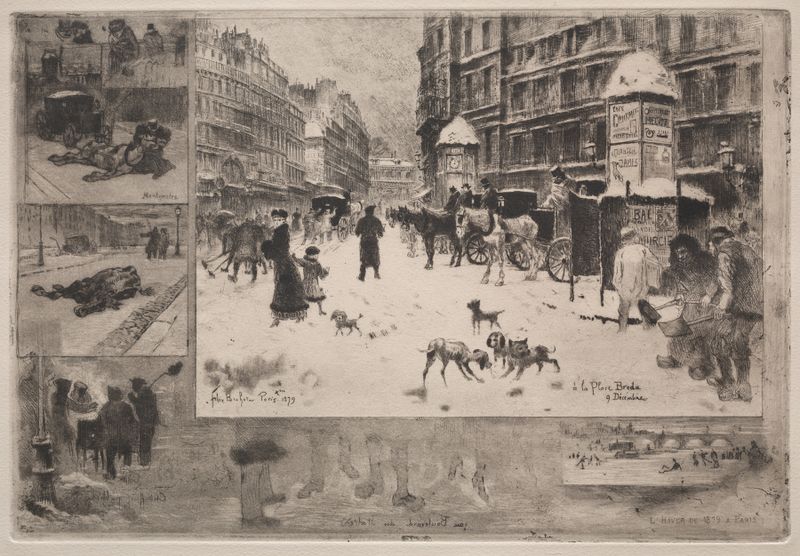
Winter in Paris
Félix Hilaire Buhot
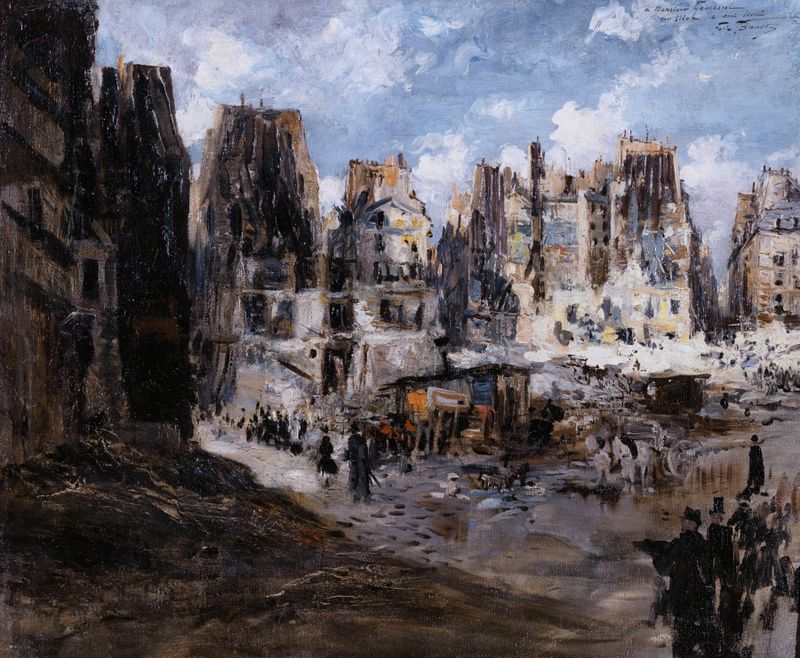
Le percement de l’avenue de l’Opéra.
Félix Hilaire Buhot
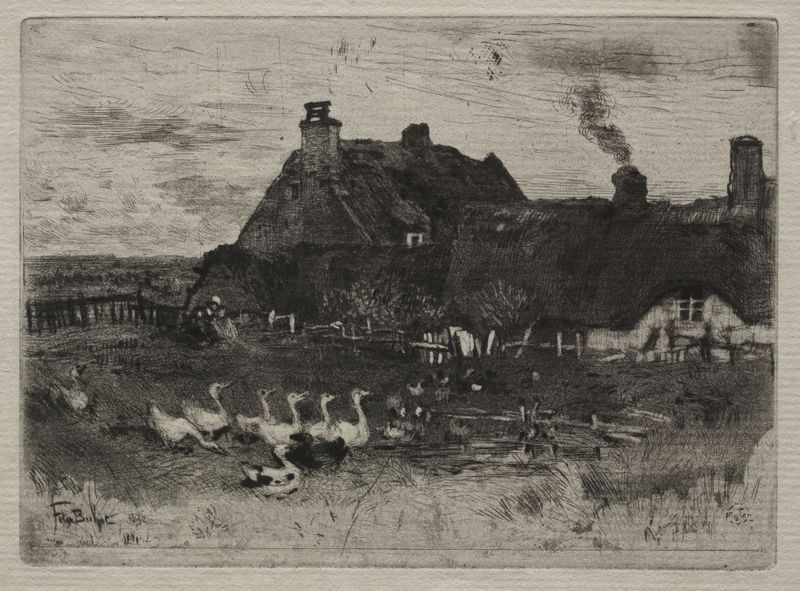
Thatched Cottages
Félix Hilaire Buhot
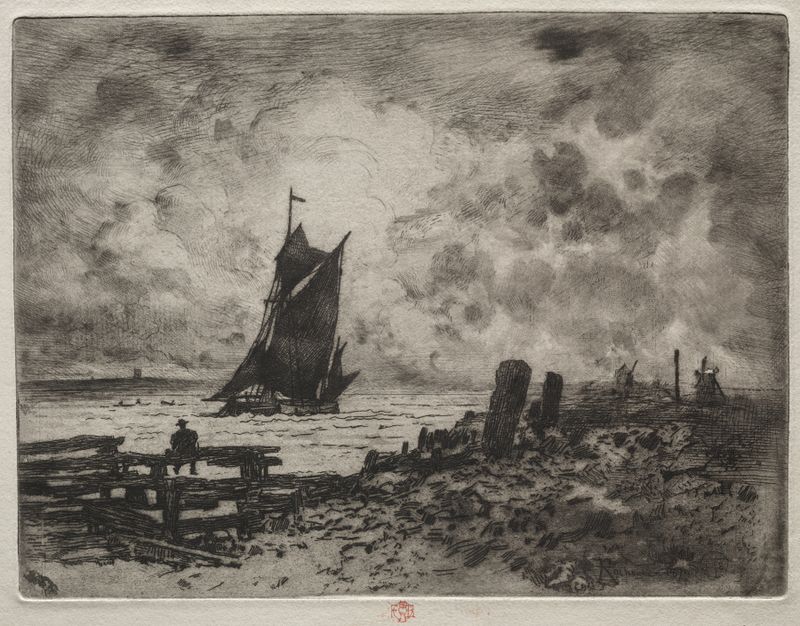
The Little Marine; Souvenir of Medway
Félix Hilaire Buhot
More Illustration Art
Browse all →
Falling Flowers (Hanachirusato), Illustration to Chapter 11 of the Tale of Genji (Genji monogatari)
Tosa Mitsunobu
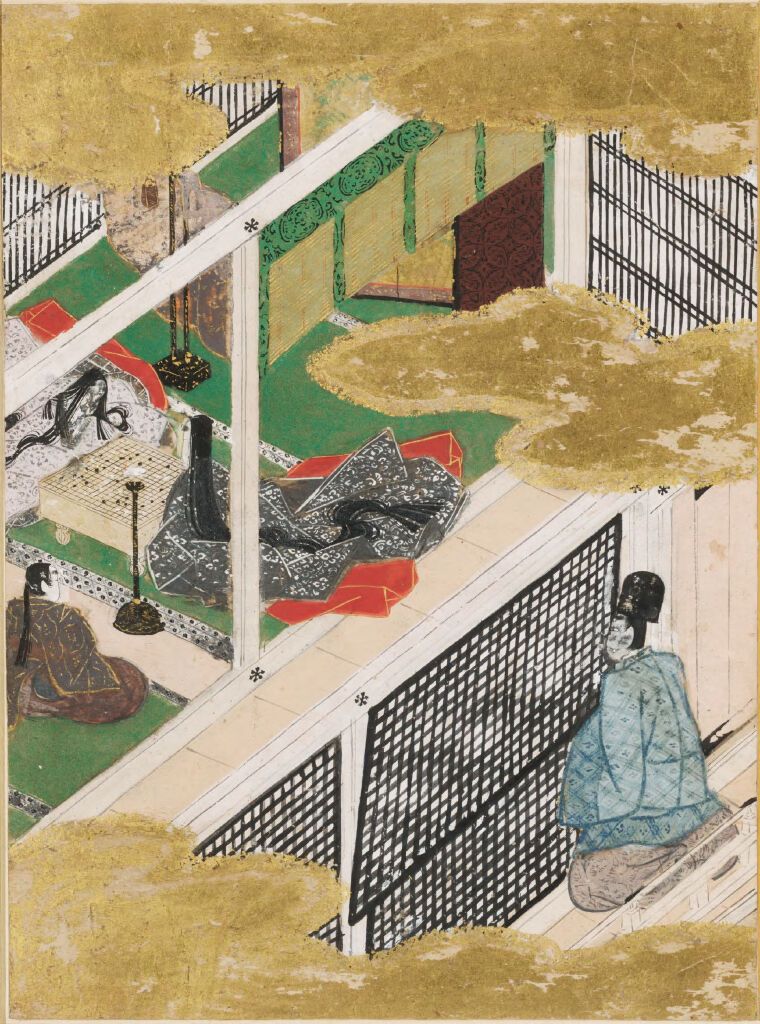
The Cicada Shell (Utsusemi), Illustration to Chapter 3 of the Tale of Genji (Genji monogatari)
Tosa Mitsunobu
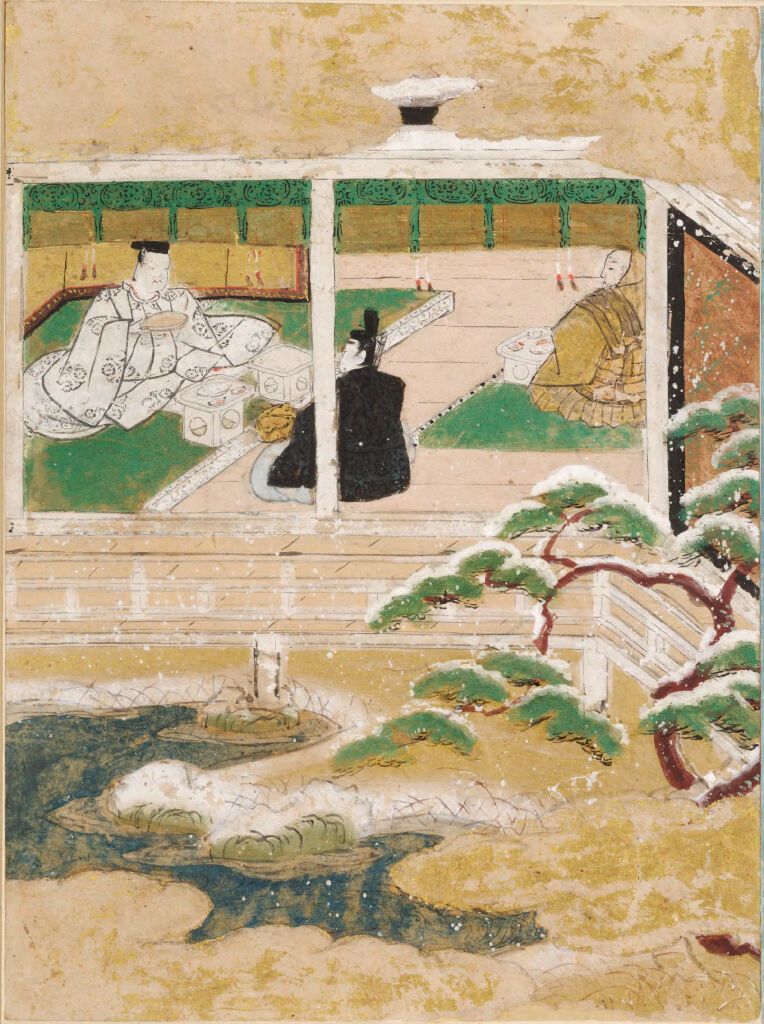
The Seer (Maboroshi), Illustration to Chapter 41 of the Tale of Genji (Genji monogatari)
Tosa Mitsunobu
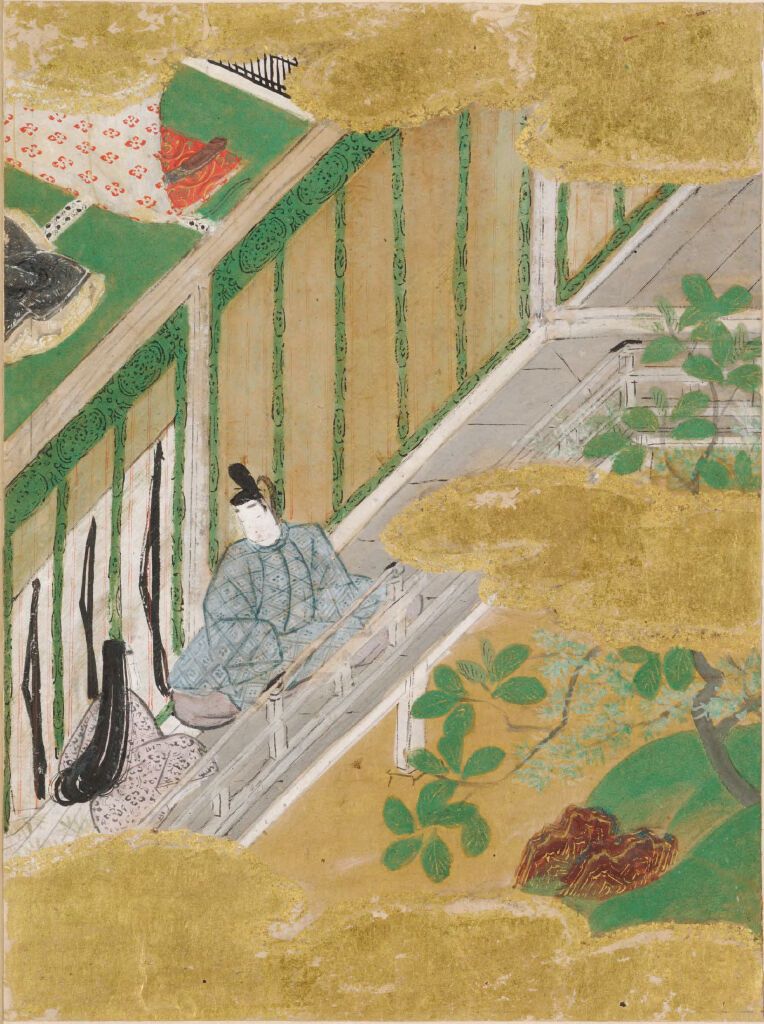
The Oak Tree (Kashiwagi), Illustration to Chapter 36 of the Tale of Genji (Genji monogatari)
Tosa Mitsunobu
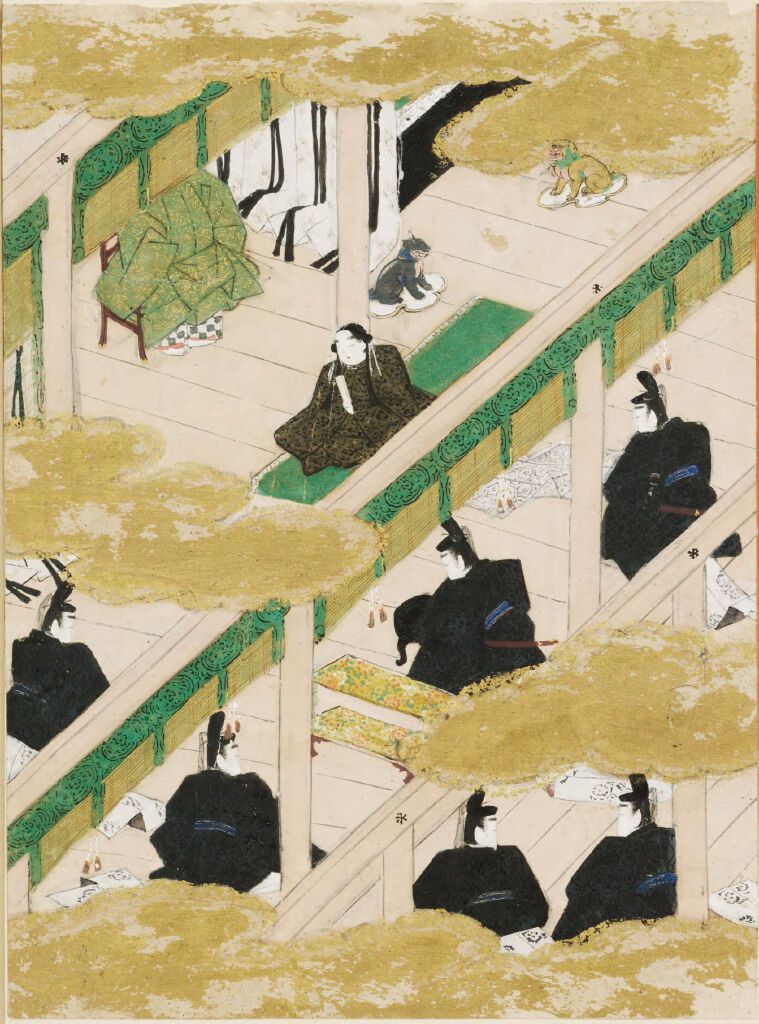
The Paulownia Pavilion (Kiritsubo), Illustration to Chapter 1 of the Tale of Genji (Genji monogatari)
Tosa Mitsunobu
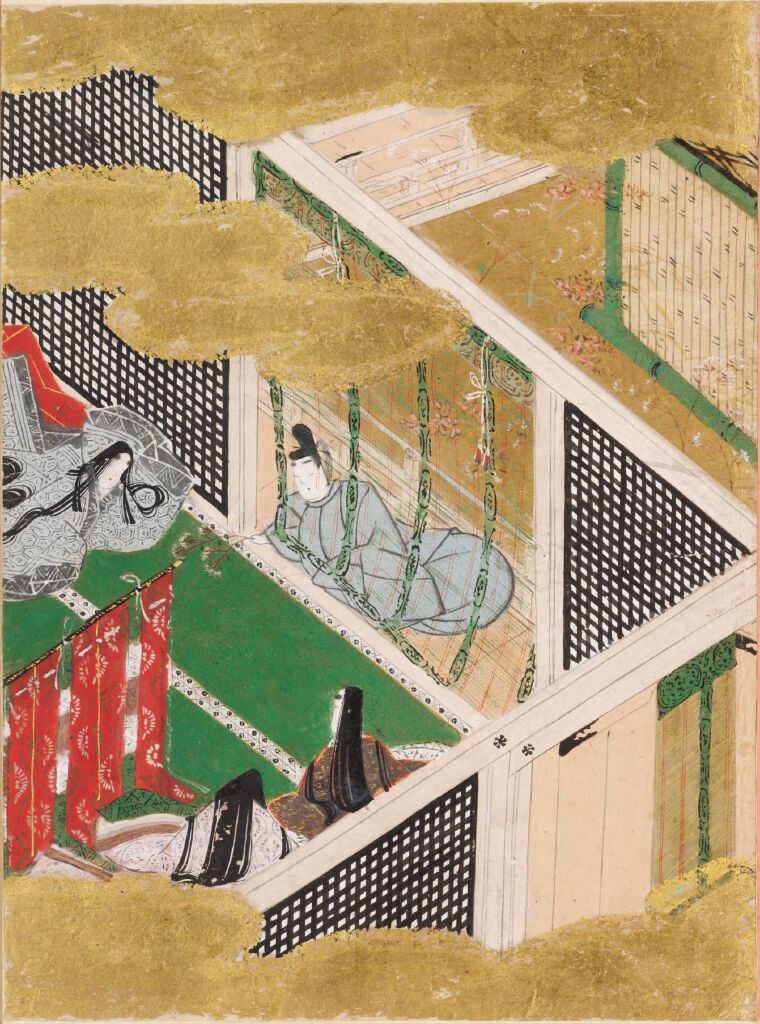
Thoroughwort Flowers (Fujibakama), Illustration to Chapter 30 of the Tale of Genji (Genji monogatari)
Tosa Mitsunobu