
George Harley Drummond (1783–1855) — History & Facts
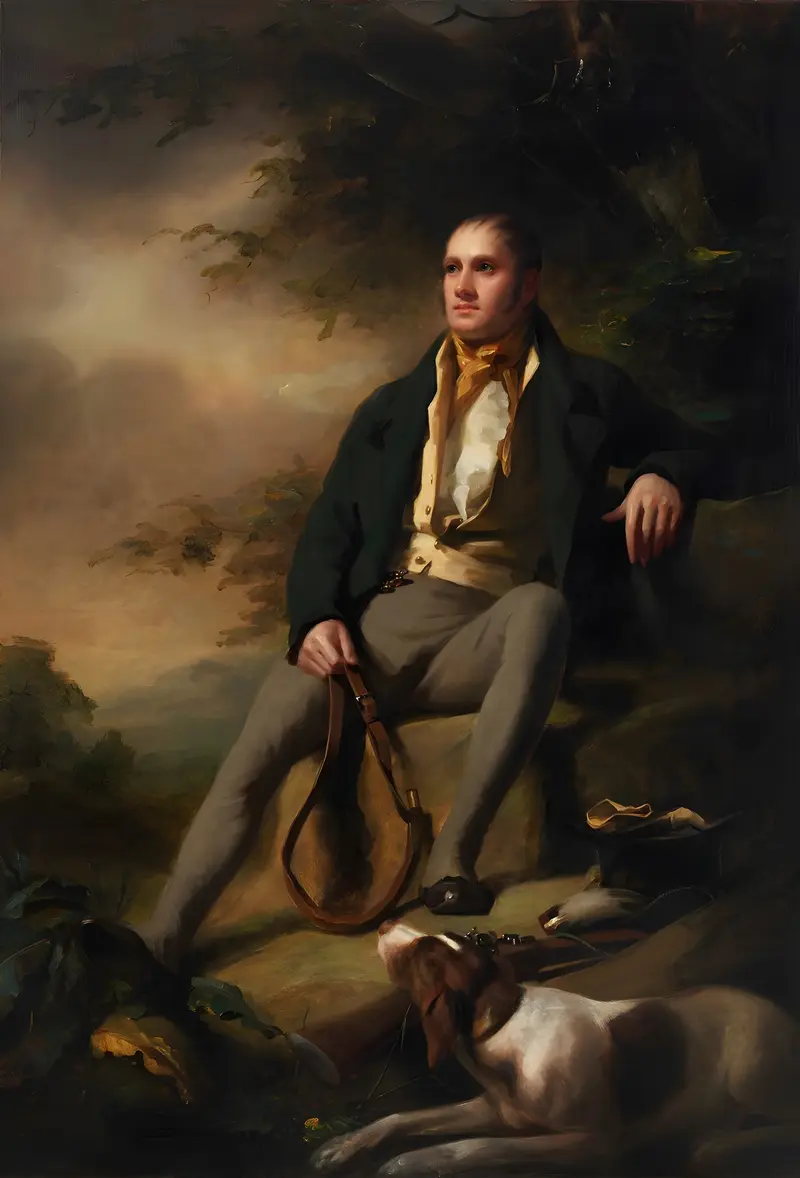
When Sir Henry Raeburn painted George Harley Drummond (1783–1855), he was capturing not only the likeness of a prominent London banker but also the aspirations of a new British elite. Drummond, a partner in the influential Drummonds Bank, was part of a family whose financial reach extended into the highest circles of Regency society. The portrait’s commission signaled both Drummond’s status and the growing importance of the professional class in early nineteenth-century Britain.
While the exact date of the painting remains uncertain, it would have been executed during Raeburn’s mature period, when his reputation as Scotland’s leading portraitist was firmly established. Raeburn chooses a moment of composed self-possession for Drummond, presenting him seated, direct, and alert, his gaze meeting the viewer with a quiet confidence. The sitter’s attire—dark, tailored, and understated—speaks to both his wealth and his sobriety, while the subtle play of light across his face and hands draws attention to his intelligence and presence. The background is characteristically spare, focusing all attention on Drummond himself, a technique Raeburn favored over the elaborate settings of his English contemporaries like Thomas Lawrence.
The effect is a portrait that suggests both the power and the restraint of its subject, embodying the ideals of the rising bourgeoisie. The painting’s early history is not fully documented, but it likely remained within the Drummond family for several generations, as was customary for portraits of this kind. Unlike some of Raeburn’s grander commissions, which were destined for public institutions or aristocratic halls, this work was a private testament to family legacy and achievement. Today, it stands as a representative example of Raeburn’s late portraiture, admired for its psychological insight and directness.
Its journey from private hands to public collection reflects the shifting fortunes and enduring fascination with the figures who shaped Britain’s economic and social landscape during Raeburn’s era.
More Artworks by Sir Henry Raeburn

Portrait of Hugh Hope
Sir Henry Raeburn
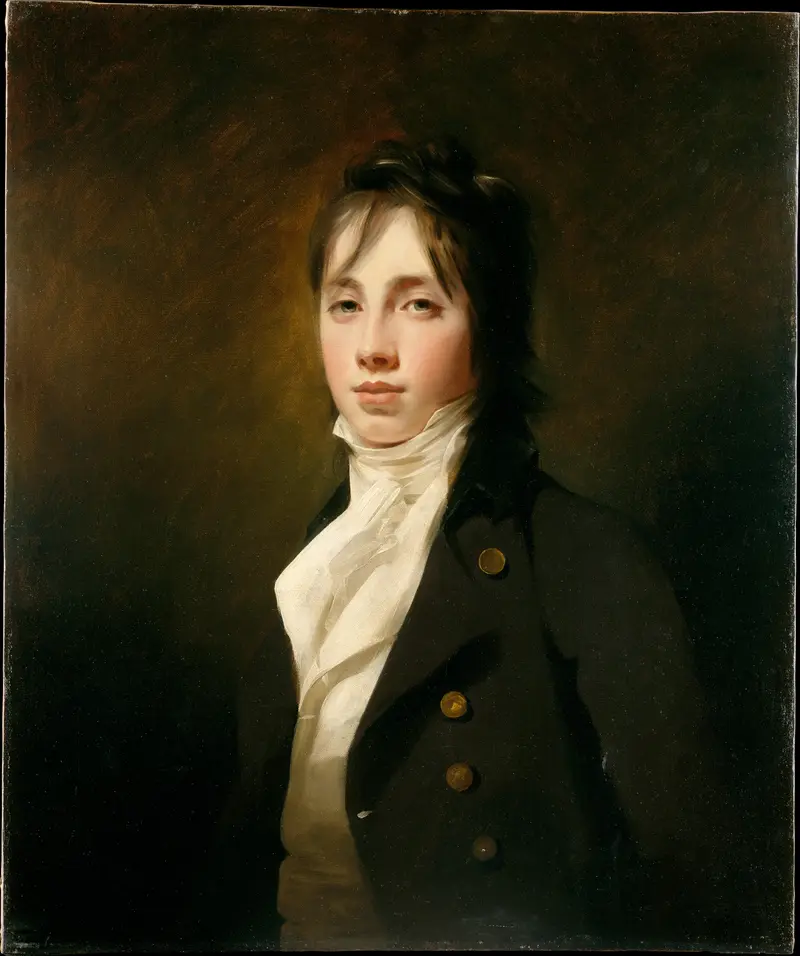
William Fraser of Reelig (1784–1835)
Sir Henry Raeburn
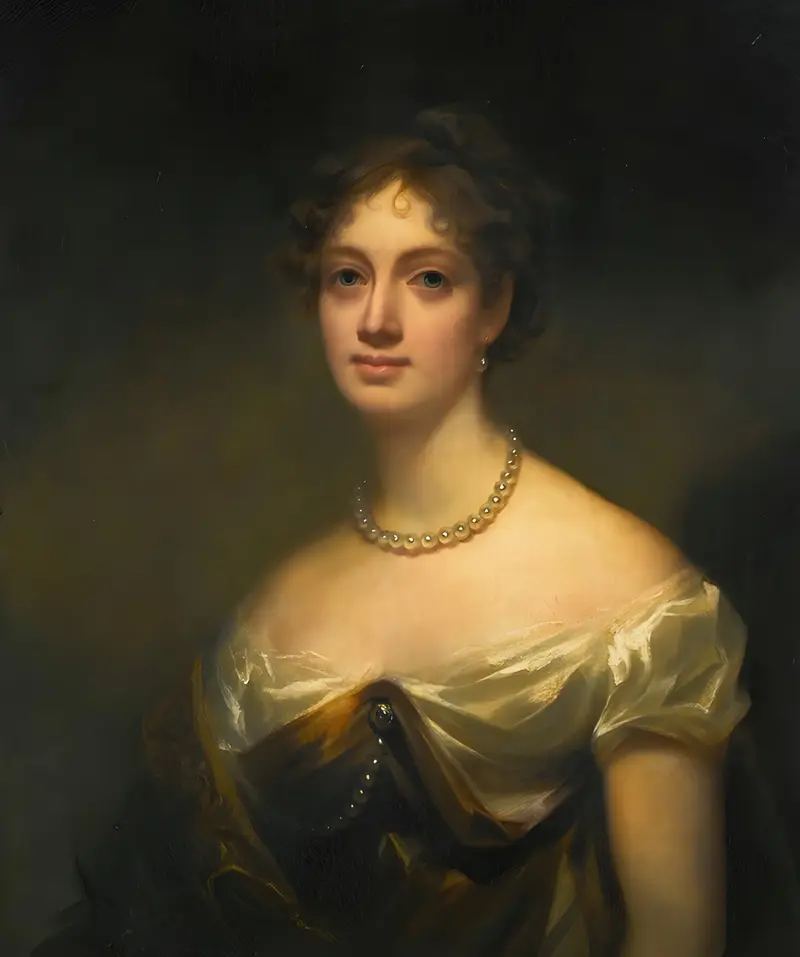
Portrait Of Anne Blair Maconochie Welwood Of Garvock, Lady Meadowbank (1784–1866)
Sir Henry Raeburn
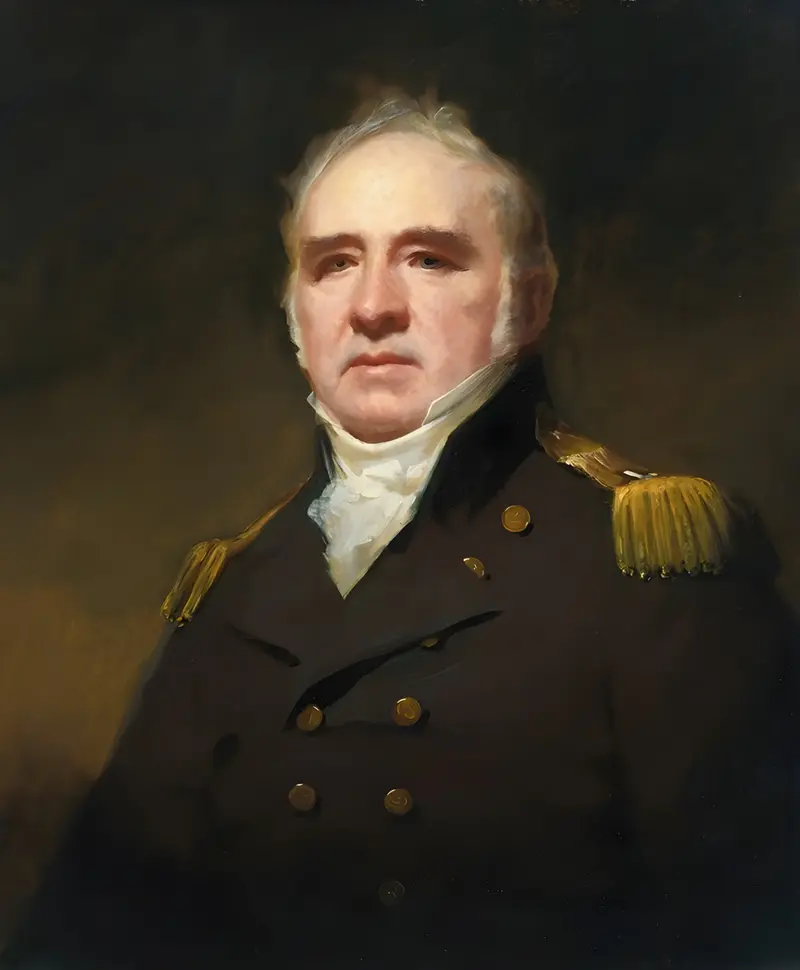
Portrait Of Captain James Forbes-Drummond, R.N., Of Hawthornden
Sir Henry Raeburn
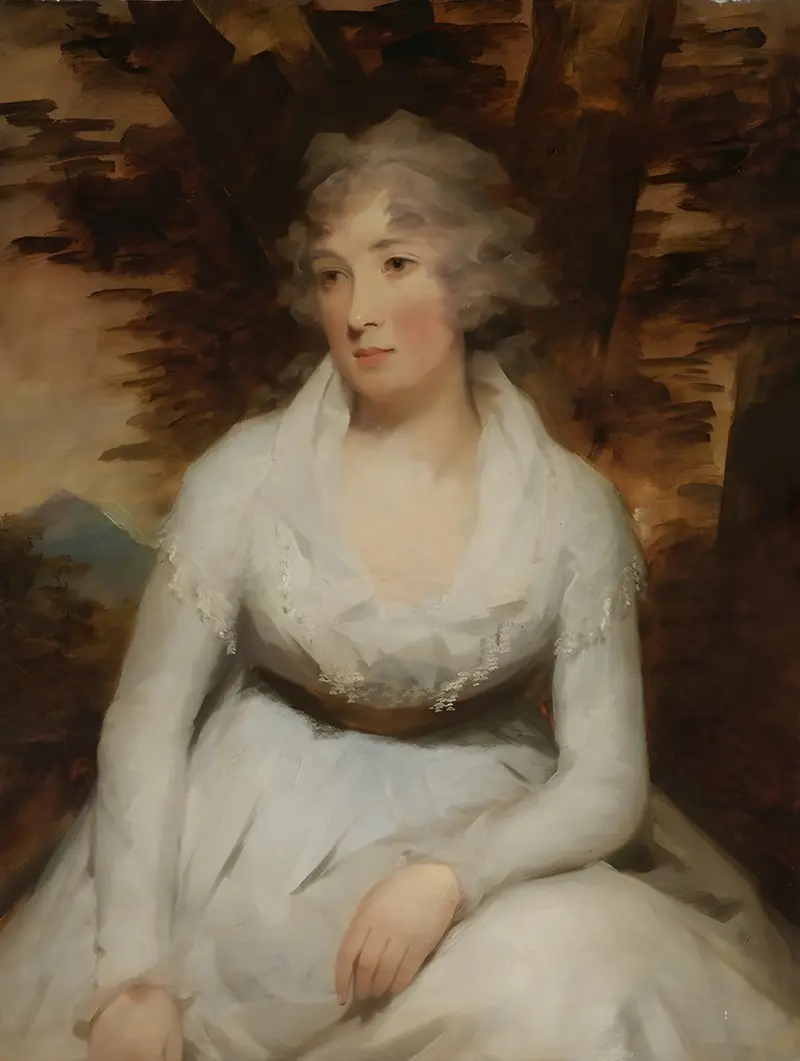
Miss Elizabeth Dalrymple (afterwards Mrs. George Leith)
Sir Henry Raeburn
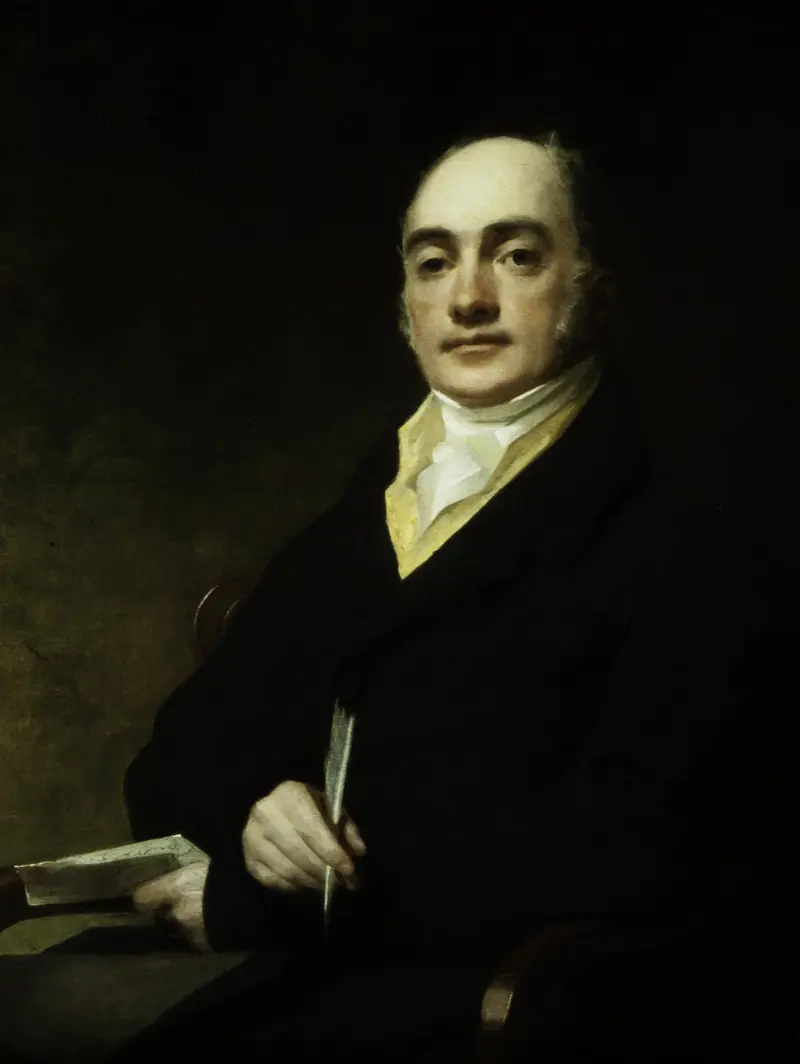
Portrait of John Baillie (1772-1833)
Sir Henry Raeburn
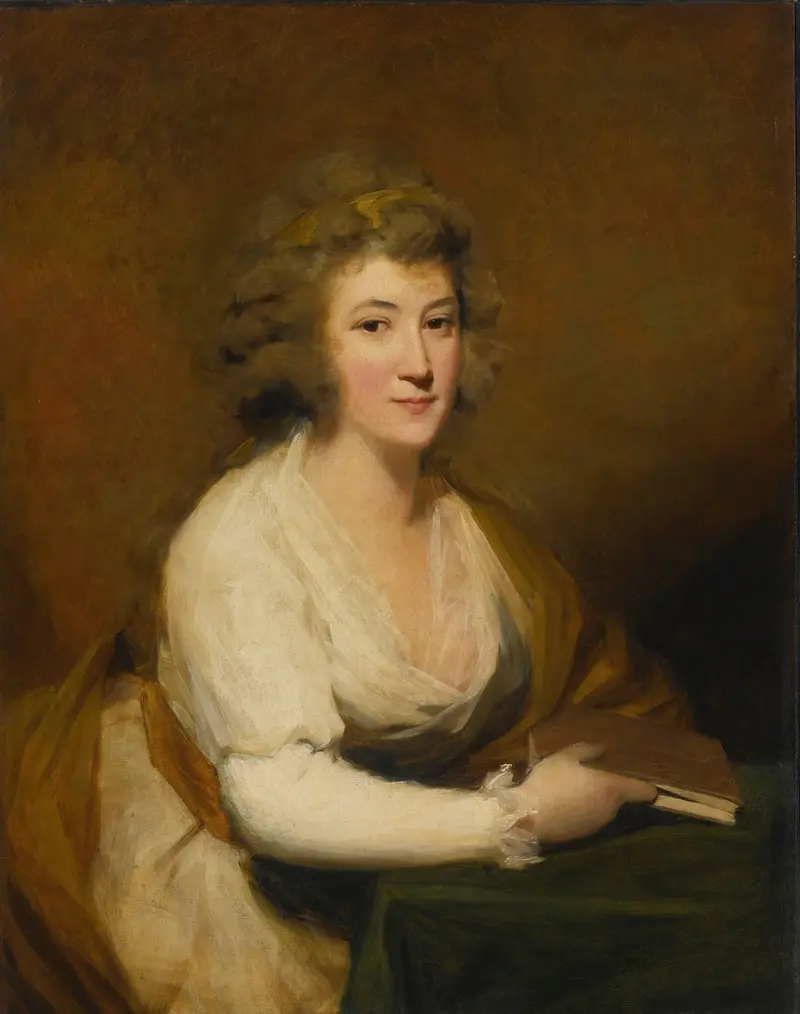
Portrait Of Lady Nasmyth, In A White Dress And Brown Shawl, Seated At A Table, Holding A Book
Sir Henry Raeburn
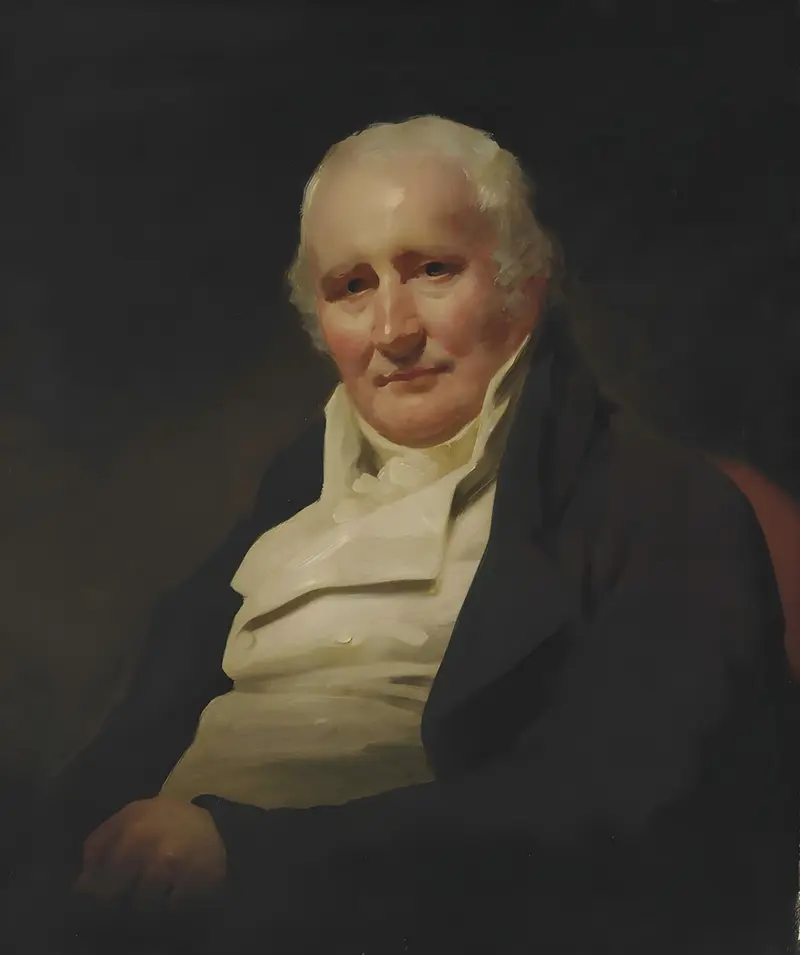
Portrait Of Mr. Spottiswood
Sir Henry Raeburn
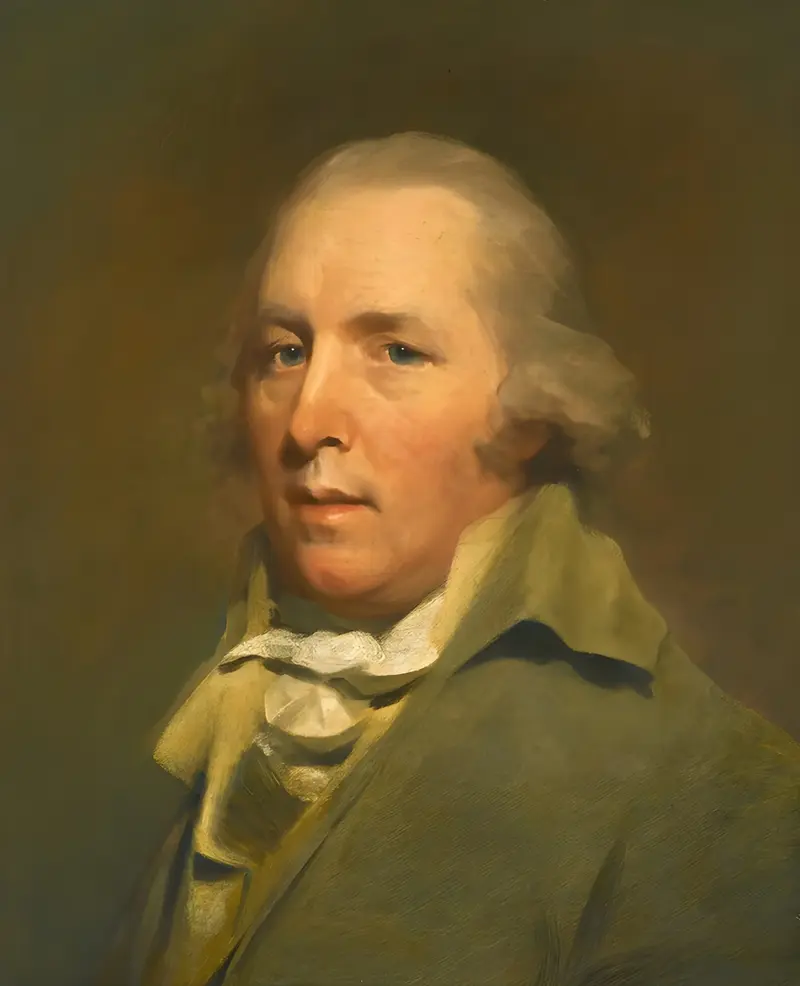
Portrait Of The Reverend John Home (1722-1808)
Sir Henry Raeburn
Portrait of William Hunt (c.1796-1854), Pittencrief House, Dunfermline
Sir Henry Raeburn





