Gezicht op Kedungbadak — History & Analysis
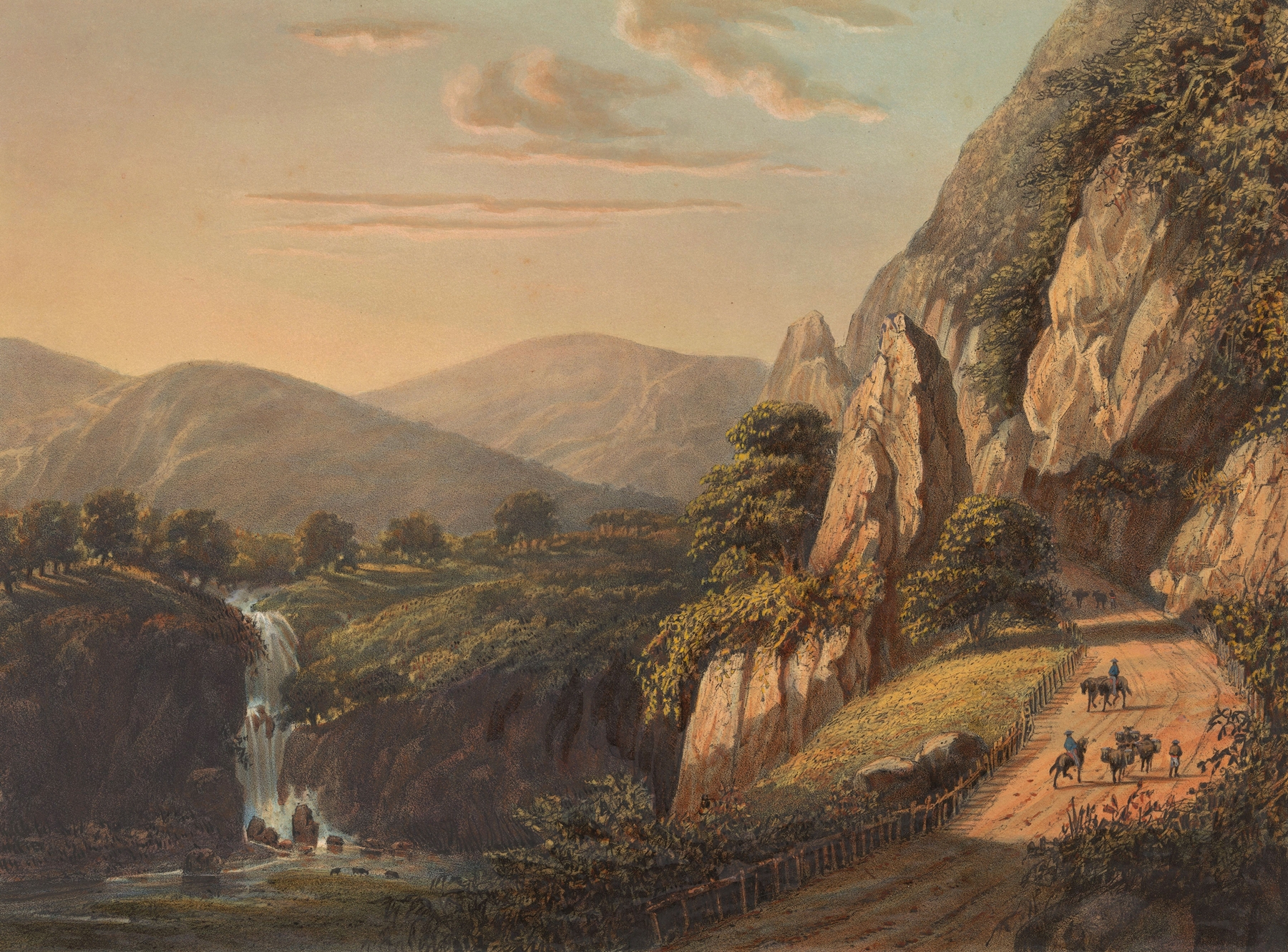
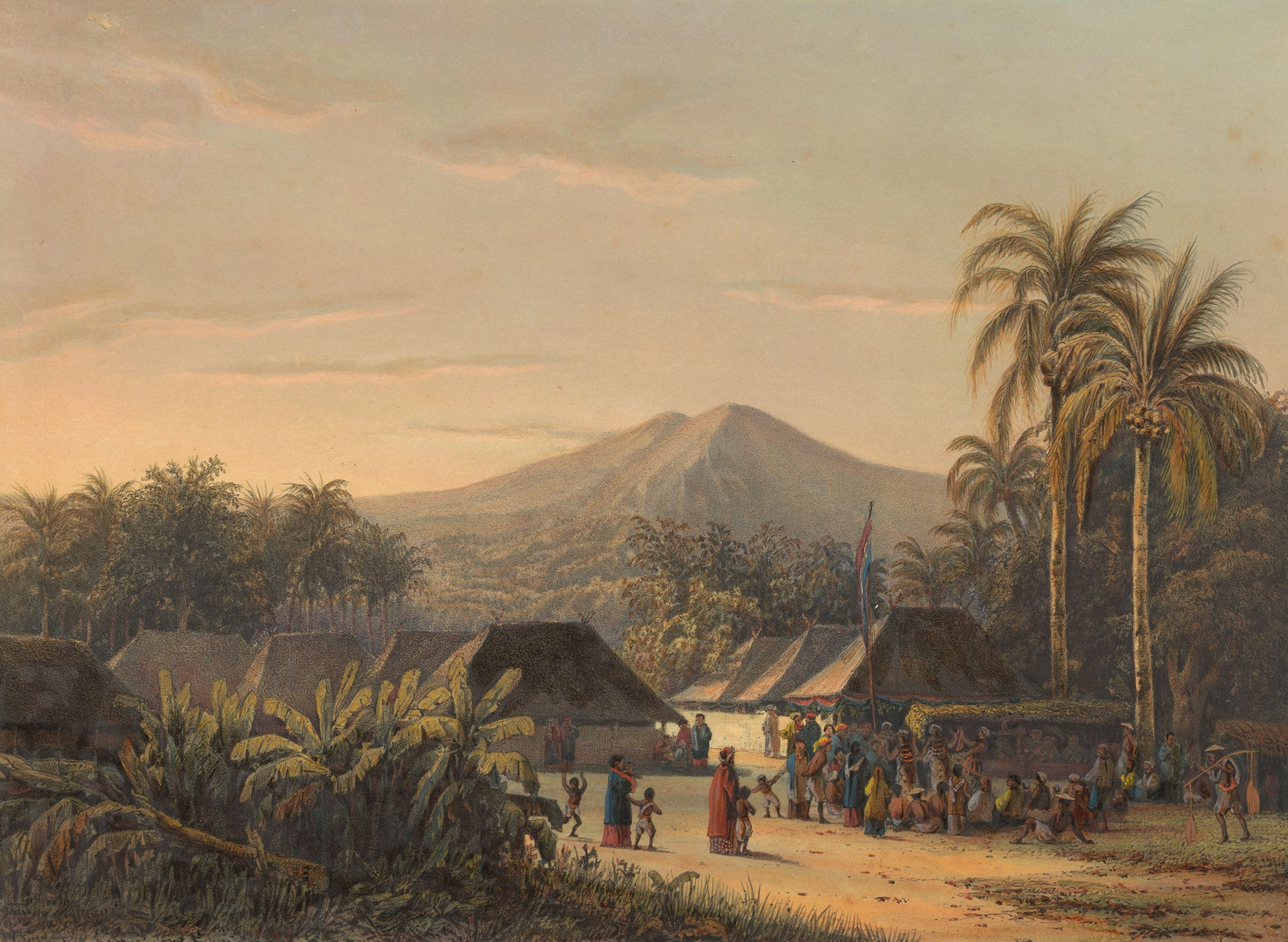
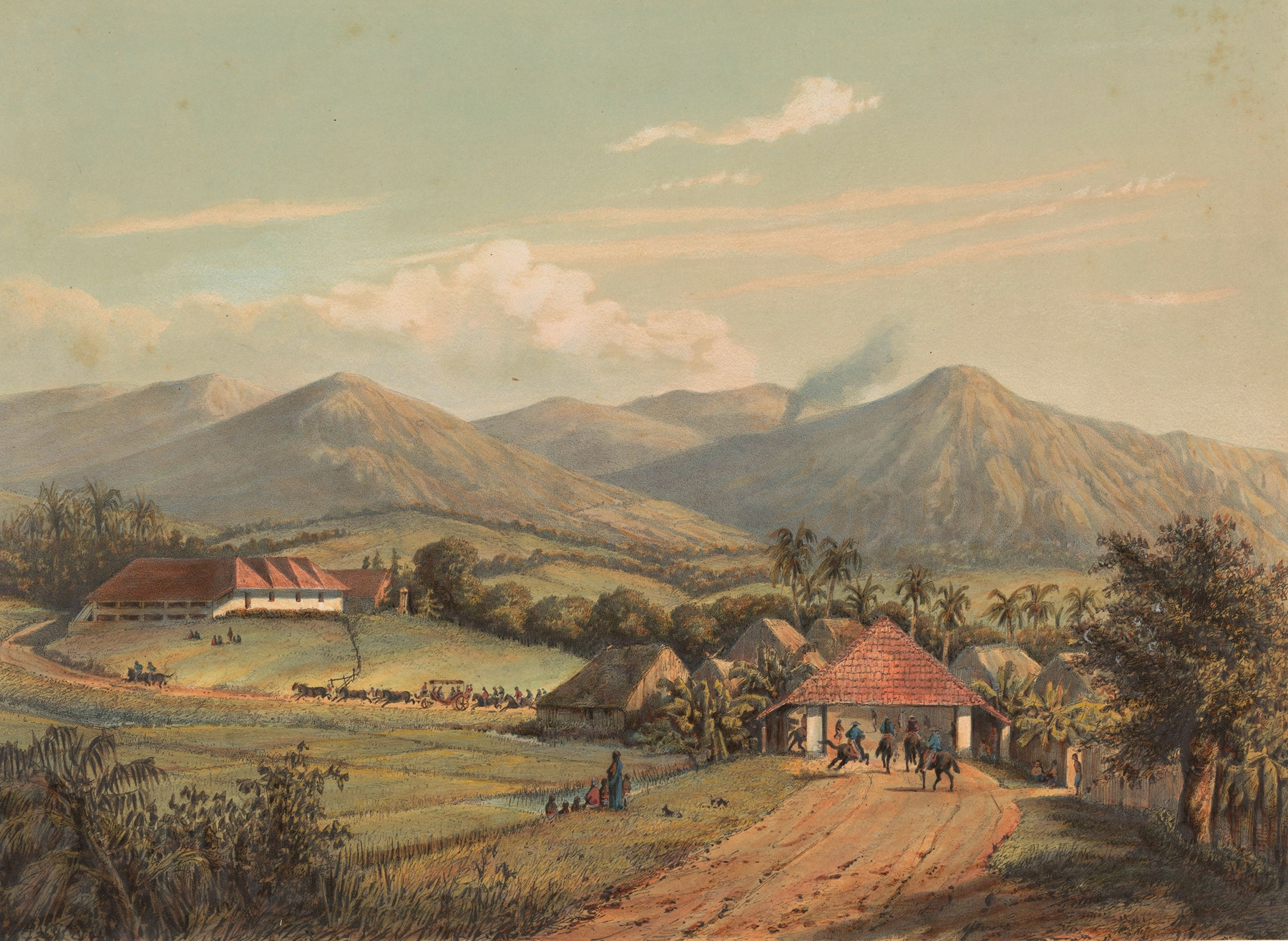
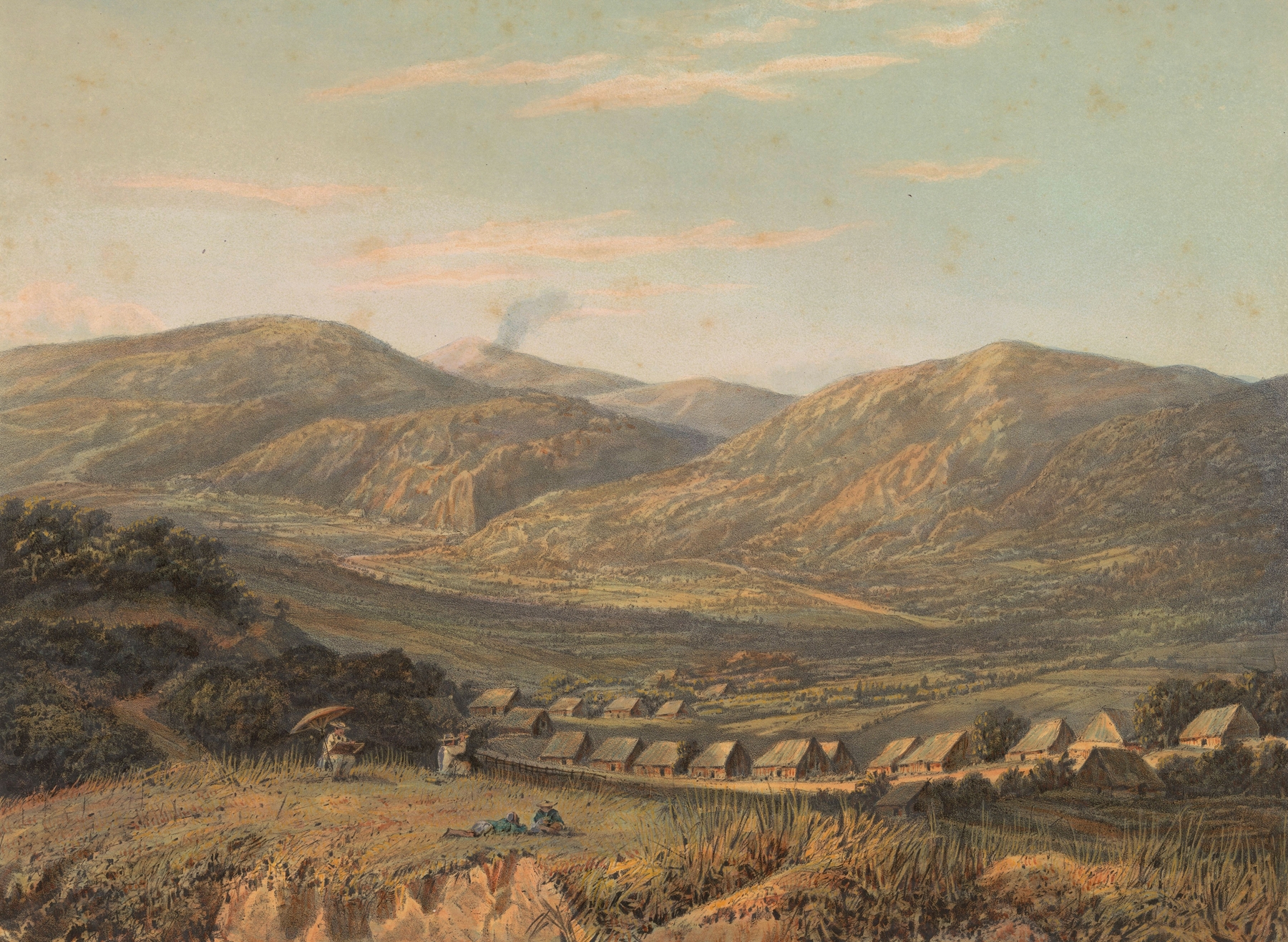
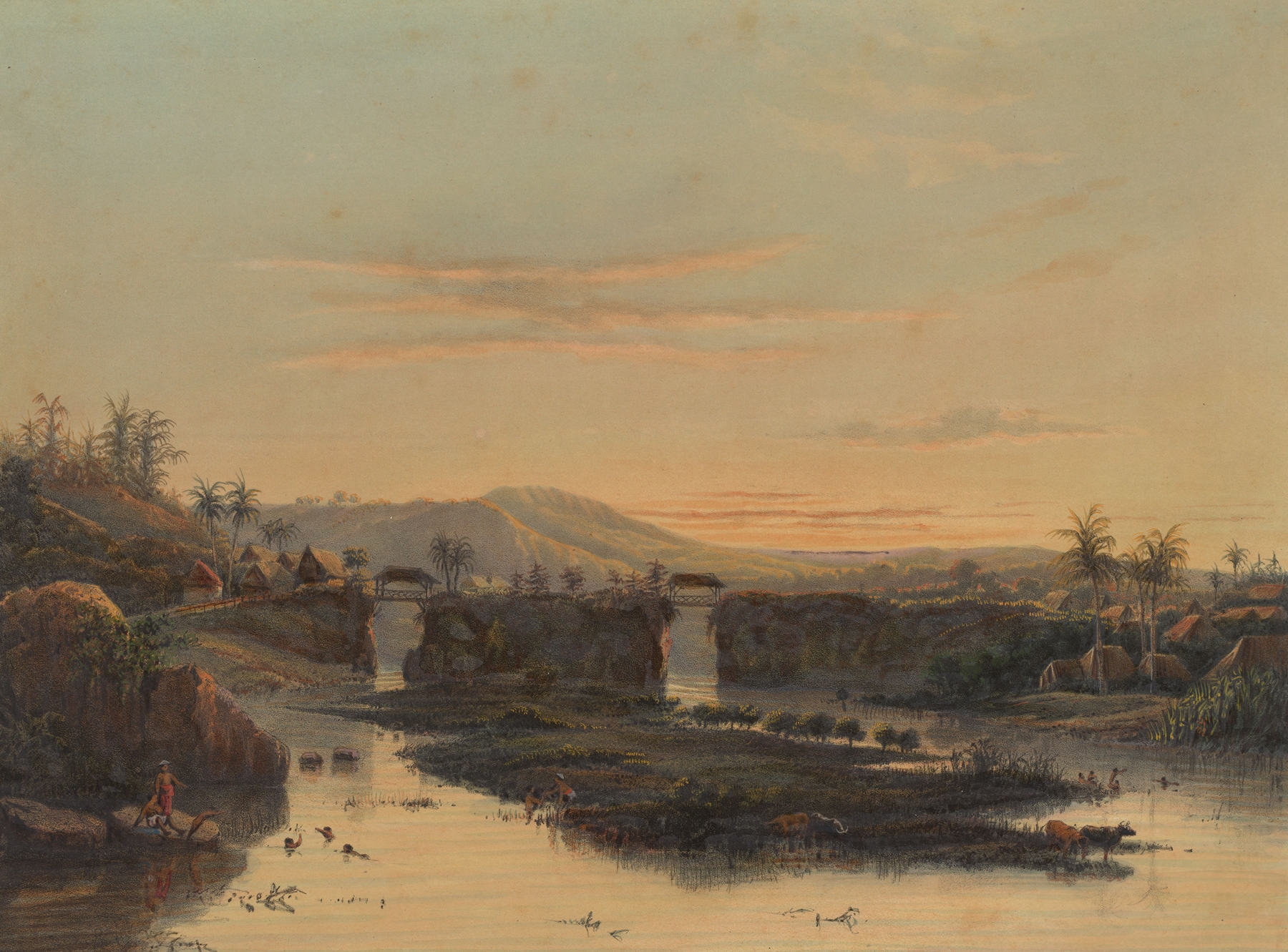
What secret hides in the quiet of the canvas? The ethereal beauty of Johan Conrad Greive's Gezicht op Kedungbadak invites us into a reverie, a whisper of dreams painted across the landscape. Look to the left at the gentle curve of the river, shimmering under a soft, dappled light. Notice how the trees stand sentinel along the banks, their rich greens contrasting with the warm, earthy tones of the soil. The careful brushstrokes evoke a sense of movement in the water, while the distant mountains loom quietly, blending seamlessly into a tender blue sky.
This composition draws the eye on a journey through nature, where each element harmonizes to create a tranquil yet compelling vista. Within this serene tableau lies an exploration of contrast—between light and shadow, stillness and potential. The delicate play of sunlight suggests a fleeting moment, as if the scene breathes and shifts just out of reach. The closer foliage hints at intimacy, while the expansive horizon evokes a longing for the unknown.
It is a reminder of life's transience, where dreams linger just beyond our grasp. Greive painted Gezicht op Kedungbadak in 1869, during his stay in the Dutch East Indies, a period that significantly influenced his artistic vision. The natural beauty he encountered during this time deeply informed his work, aligning with the broader Romantic movement, which emphasized emotion and the sublime in nature. As global art began shifting towards impressionism, Greive's unique visions straddled the line between romantic idealism and emerging modern perspectives.