
Giovanna of Aragon (1478–1518) — History & Facts
Few portraits have sparked as much intrigue over their true authorship as Giovanna of Aragon (1478–1518). For centuries, this image was celebrated as a work by Raphael, yet its origins remain shrouded in debate. While the portrait’s subject is firmly identified as Giovanna of Aragon, noblewoman and Duchess of Tagliacozzo, the painting’s date—1800—raises more questions than answers, as Raphael himself died in 1520.
This chronological gap has led to speculation that the work may be a later copy or reinterpretation, possibly after a lost original, reflecting the enduring fascination with both sitter and artist. Giovanna appears seated, her gaze direct yet reserved, dressed in the rich attire befitting her status. Her hands, delicately folded, rest atop a parapet, while a jeweled chain and intricate headdress speak to her lineage and wealth. The dark, neutral background isolates her figure, focusing all attention on her composed expression and the subtle interplay of light across her face and garments.
Unlike the more animated portraits of Titian, here the mood is one of quiet dignity, suggesting both the sitter’s personal strength and the ideals of noble womanhood in Renaissance Italy. The painting’s journey through history is as complex as its attribution. While often linked to Raphael, some scholars now believe it to be the work of a later artist, perhaps inspired by or copying a lost original from the master’s circle. The medium remains uncertain, further complicating efforts to pin down its origins.
Today, the portrait stands as a testament to the enduring allure of Renaissance portraiture and the mysteries that still surround the lives and images of its most celebrated figures. Its presence in museum collections continues to invite both admiration and scholarly debate.
More Artworks by Raphael

Madonna of the Goldfinch
Raphael

Madonna with the Fish
Raphael
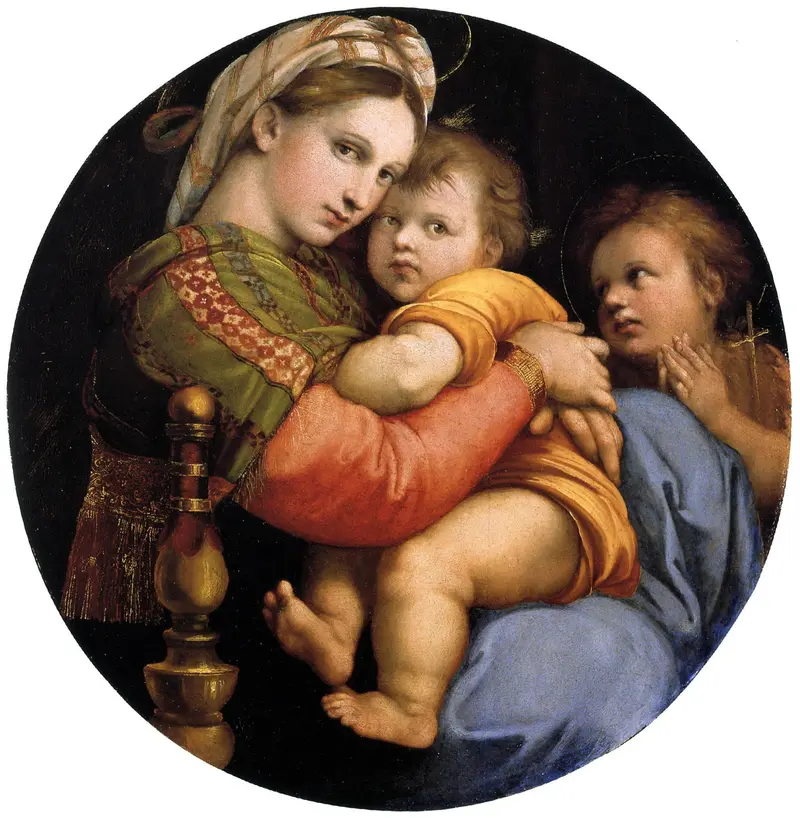
Madonna and Child (Madonna della Seggiola)
Raphael
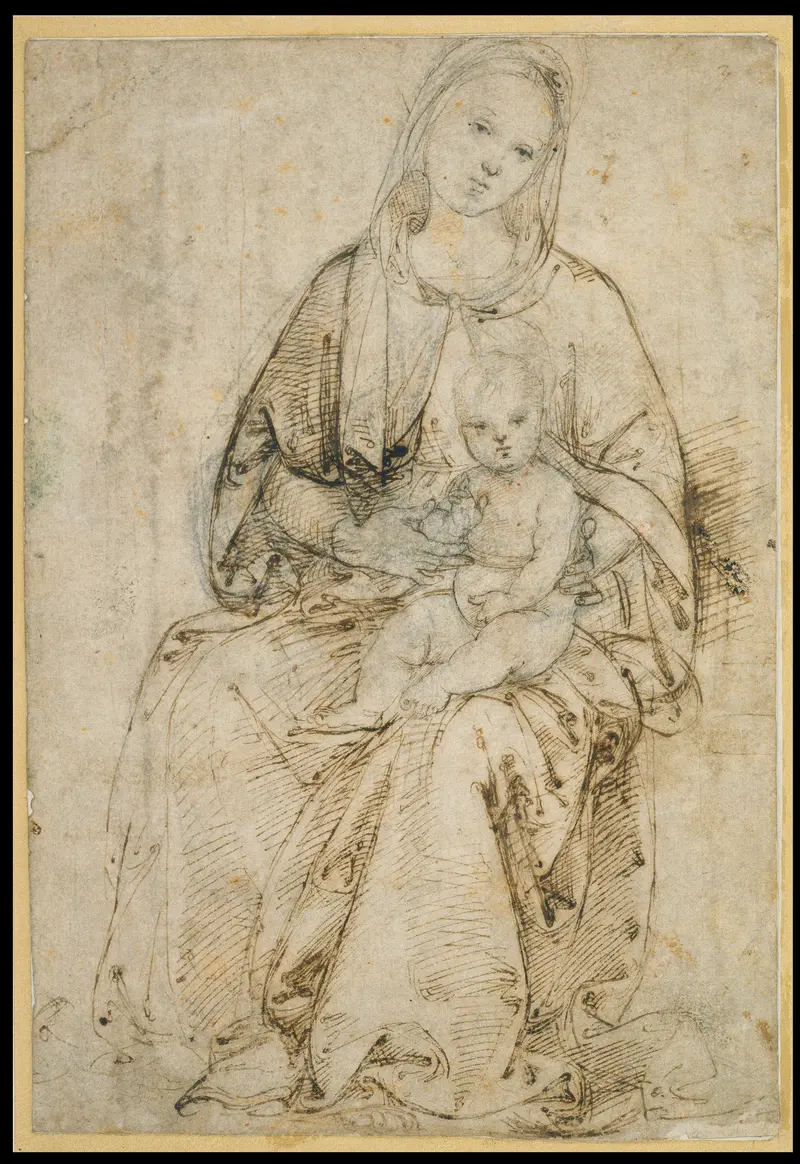
Seated Madonna and Child
Raphael
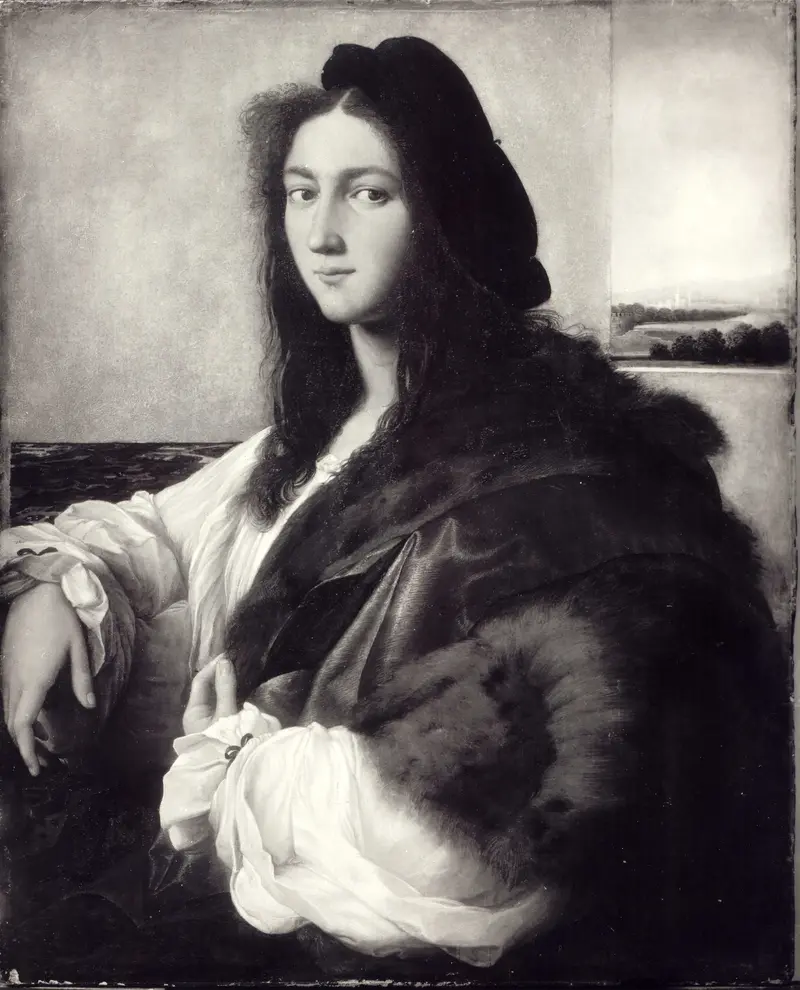
Portrait of a Young Man
Raphael
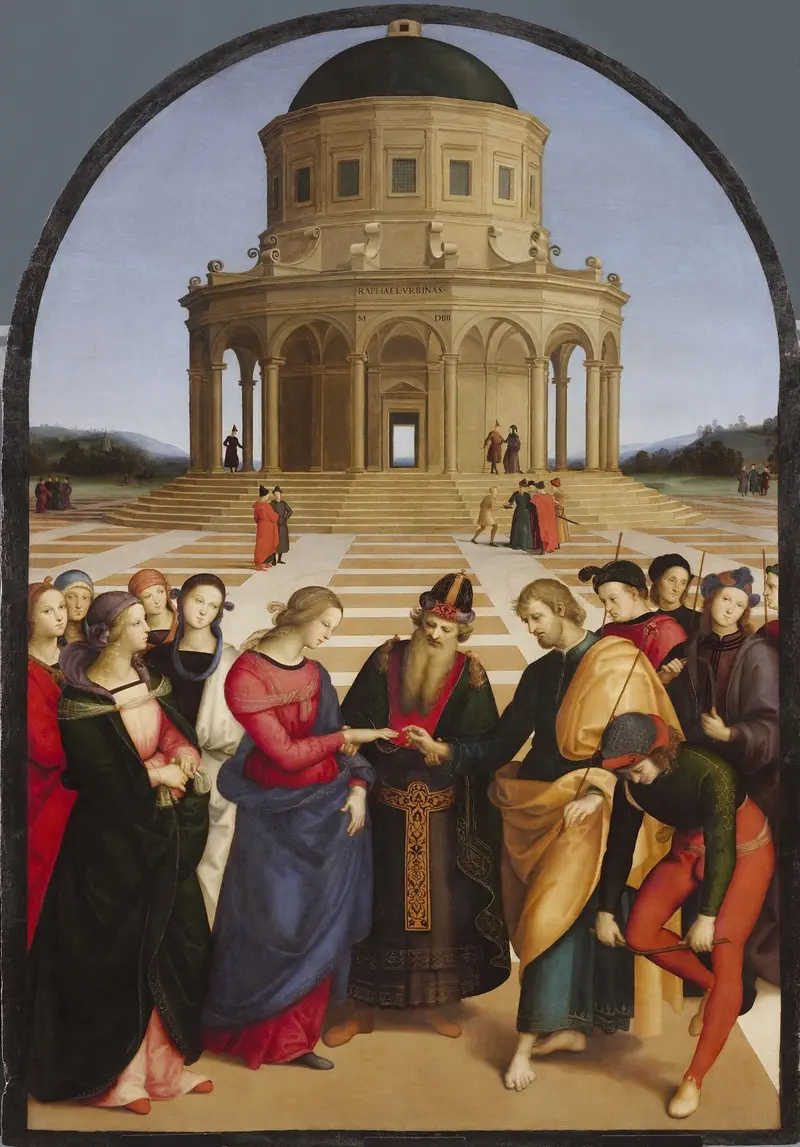
The Marriage of the Virgin
Raphael
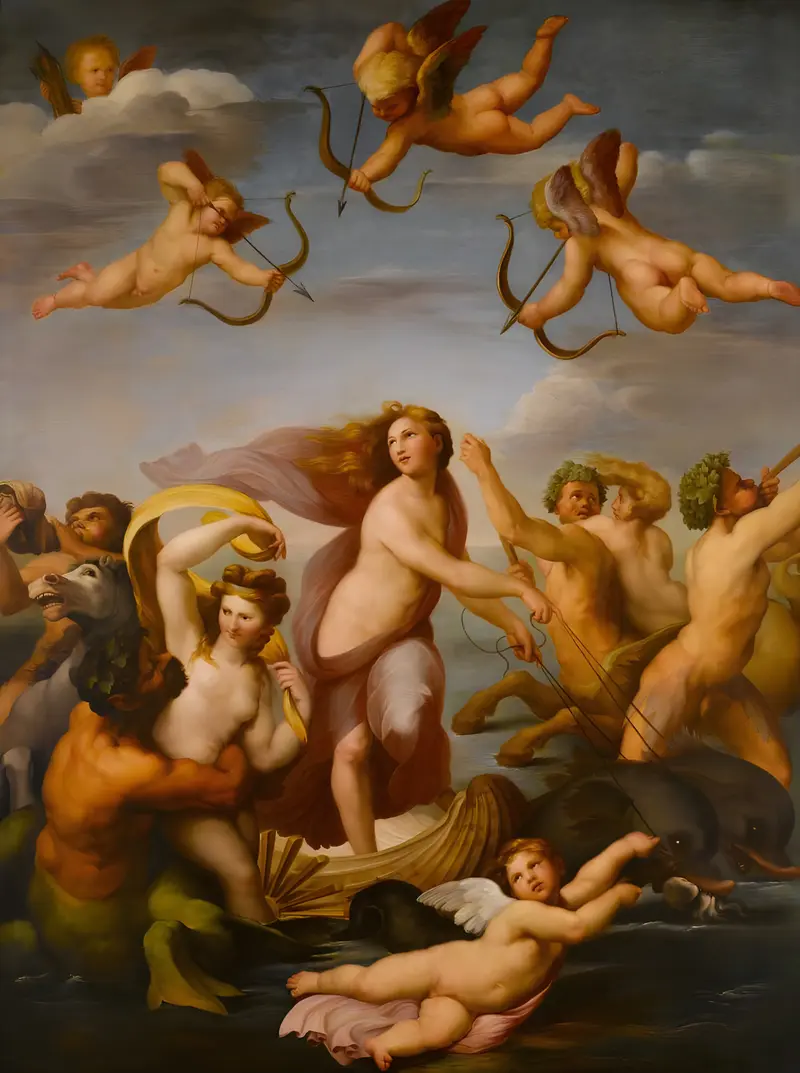
The Triumph of Galatea (copy after Raphael)
Raphael
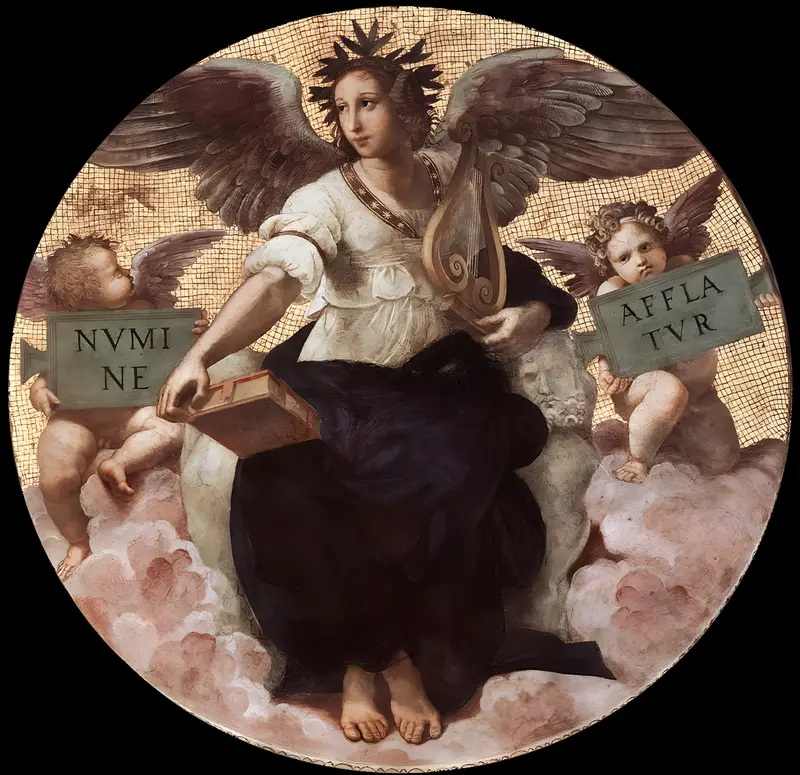
Poetry
Raphael
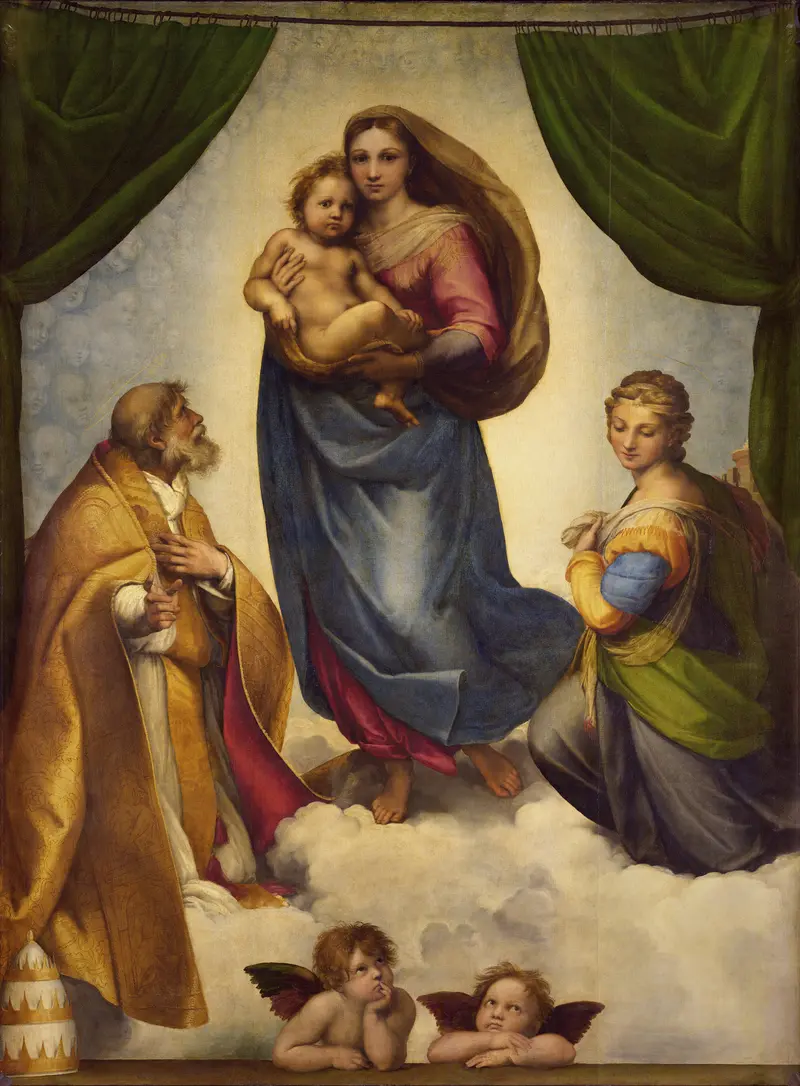
Sistine Madonna
Raphael
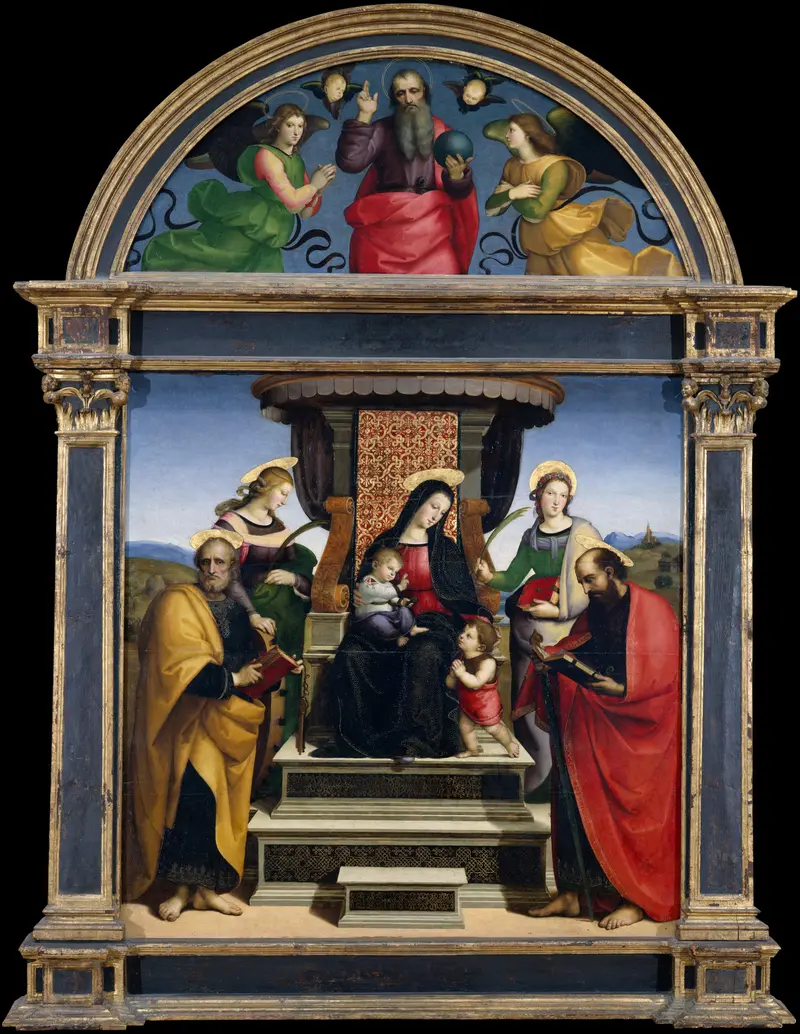
Madonna and Child Enthroned with Saints
Raphael





