
Girl in the shirt (Red-haired girl) — History & Facts
When Amedeo Modigliani painted Girl in the shirt (Red-haired girl) in 1918, he was living in Montparnasse, Paris, at the heart of a feverish artistic community. That year marked the peak of his short, intense career, and the portraits he produced then—many of anonymous sitters—are now among his most sought-after works. This painting is particularly notable for the model’s identity remaining uncertain, despite much speculation; some have suggested she was one of the local girls who frequented his studio, others that she was a professional model.
The ambiguity has only added to the painting’s allure, making it a touchstone for discussions about Modigliani’s relationships with his sitters. The young woman sits frontally, her copper hair loose, her gaze direct yet distant. Modigliani’s signature elongation of the neck and oval face gives her an otherworldly grace, while the loose white shirt falls open at the collar, suggesting both intimacy and casualness. The flat, warm background pushes her figure forward, focusing attention on her expressive eyes—one of which is rendered slightly differently, a device Modigliani often used to hint at the sitter’s inner life.
Unlike the psychological intensity of Van Gogh’s self-portraits, Modigliani’s approach is quieter, more enigmatic; he invites us to wonder about the girl’s thoughts rather than declaring them. After its creation, Girl in the shirt (Red-haired girl) passed through several private collections, typical for Modigliani’s works, which were not widely collected by museums during his lifetime. The painting’s precise provenance is difficult to trace, reflecting the artist’s bohemian and often precarious existence. Today, it is recognized as an essential example of Modigliani’s mature portrait style—marked by economy of line and a haunting sense of presence.
Its journey from a modest Parisian studio to the walls of major galleries mirrors the posthumous rise of Modigliani himself, whose work now stands as a defining voice of early twentieth-century modernism.
More Artworks by Amedeo Modigliani
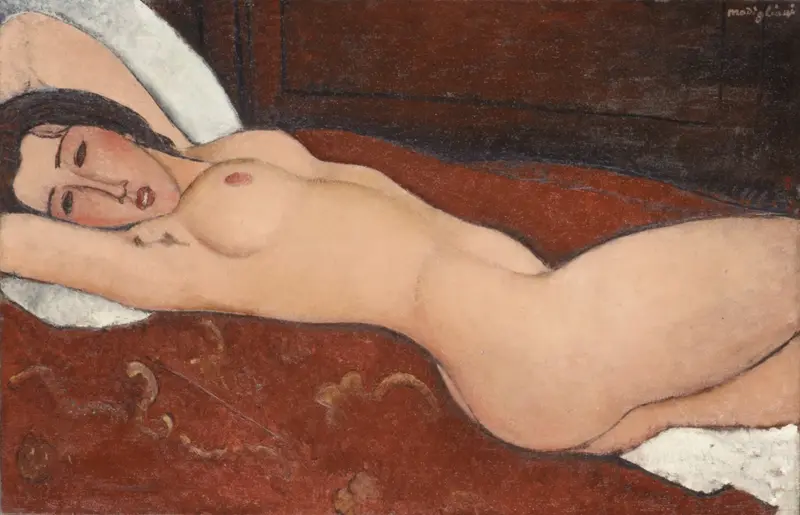
Reclining Nude
Amedeo Modigliani

Portrait Of Jeanne Hébuterne
Amedeo Modigliani

Jeanne Hébuterne
Amedeo Modigliani
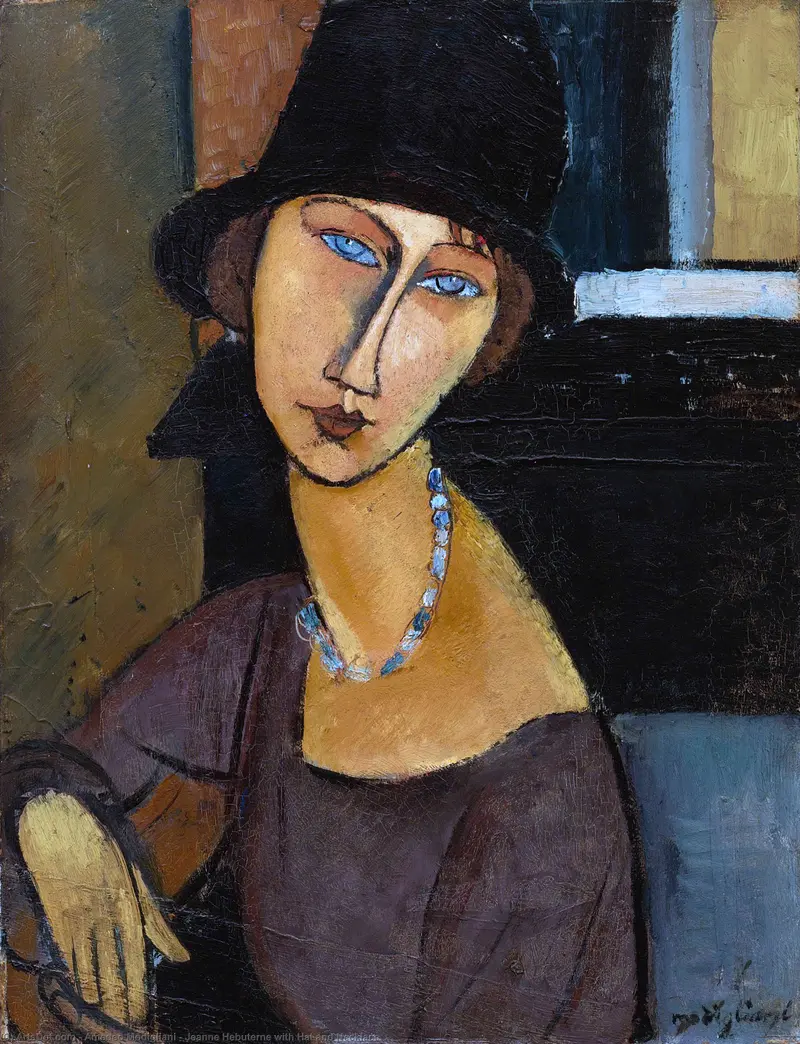
Jeanne Hébuterne with Hat and Necklace
Amedeo Modigliani
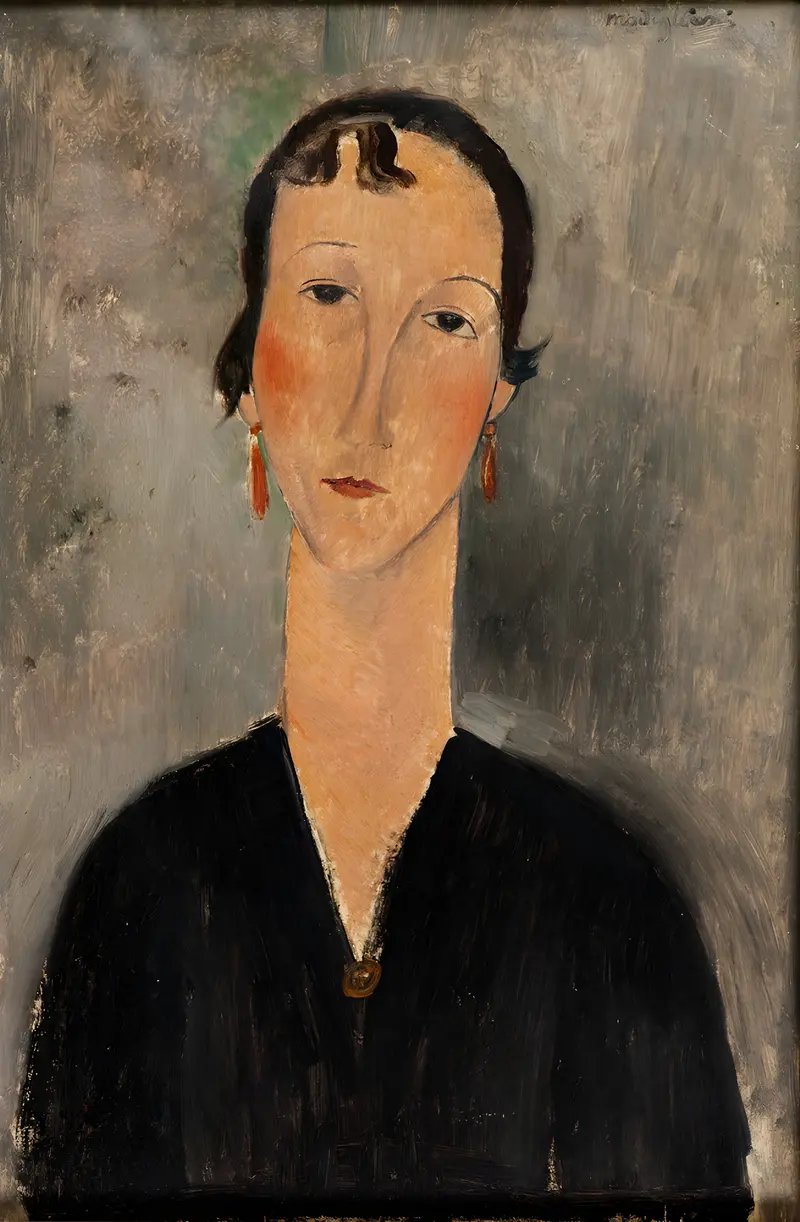
Femme aux boucles d'oreilles
Amedeo Modigliani
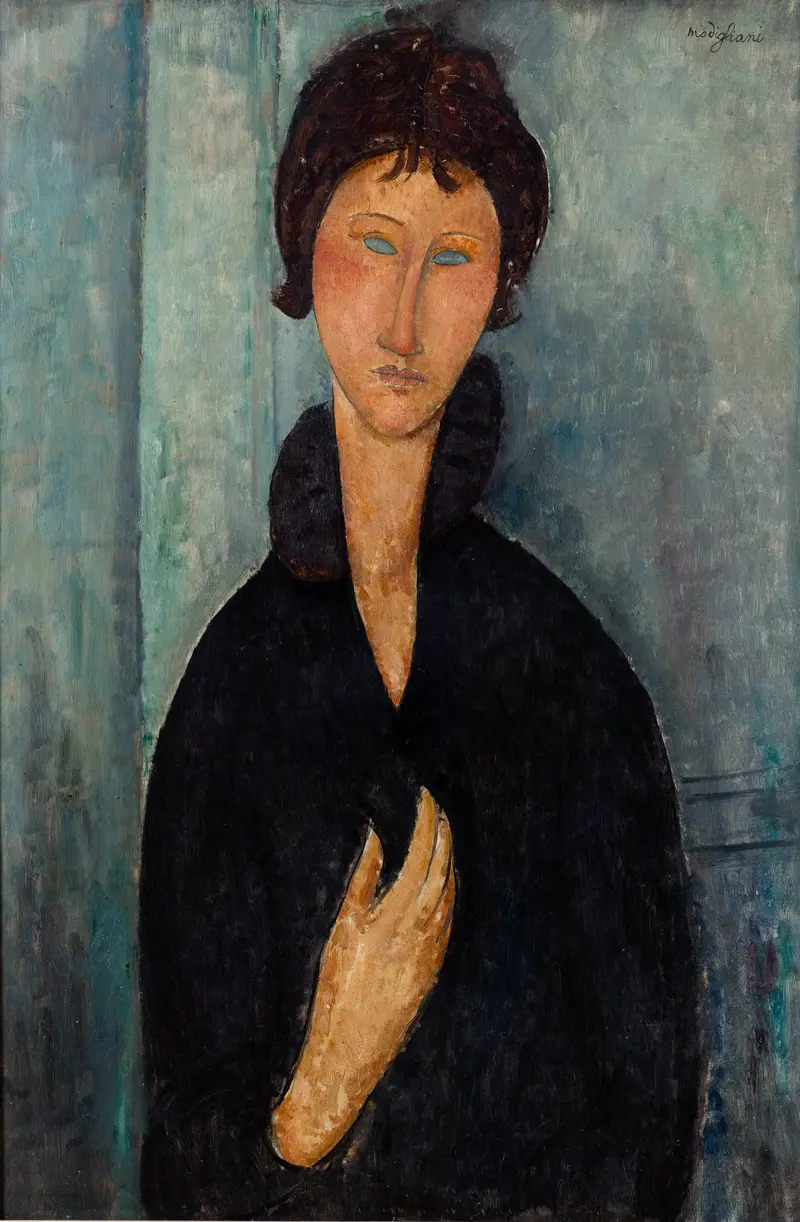
Femme aux yeux bleus
Amedeo Modigliani
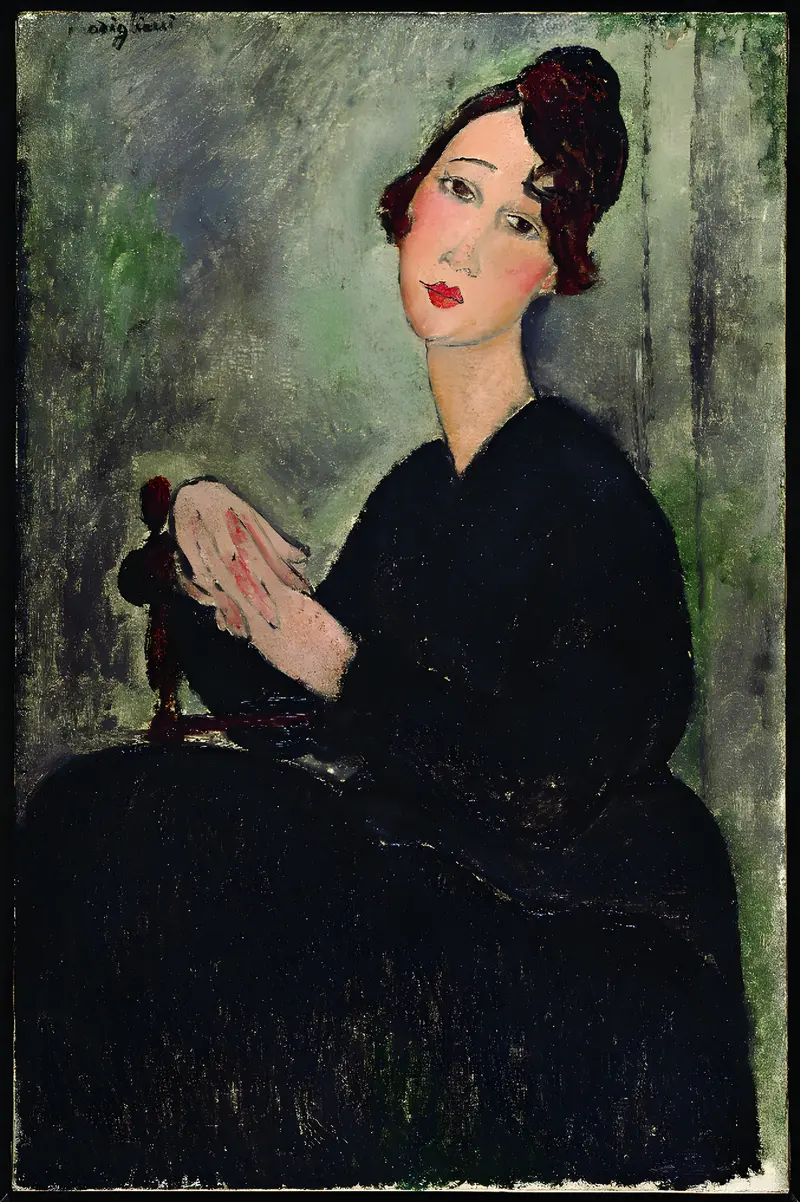
Portrait of Dedie
Amedeo Modigliani
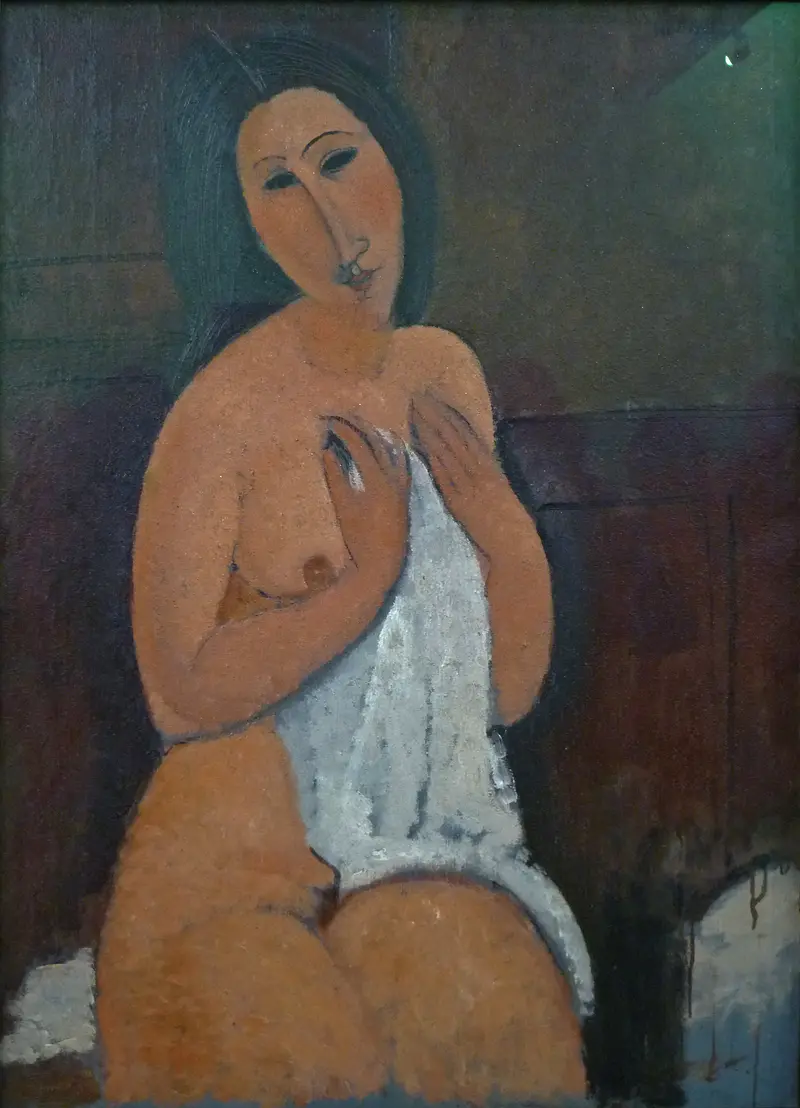
Seated nude with shirt
Amedeo Modigliani
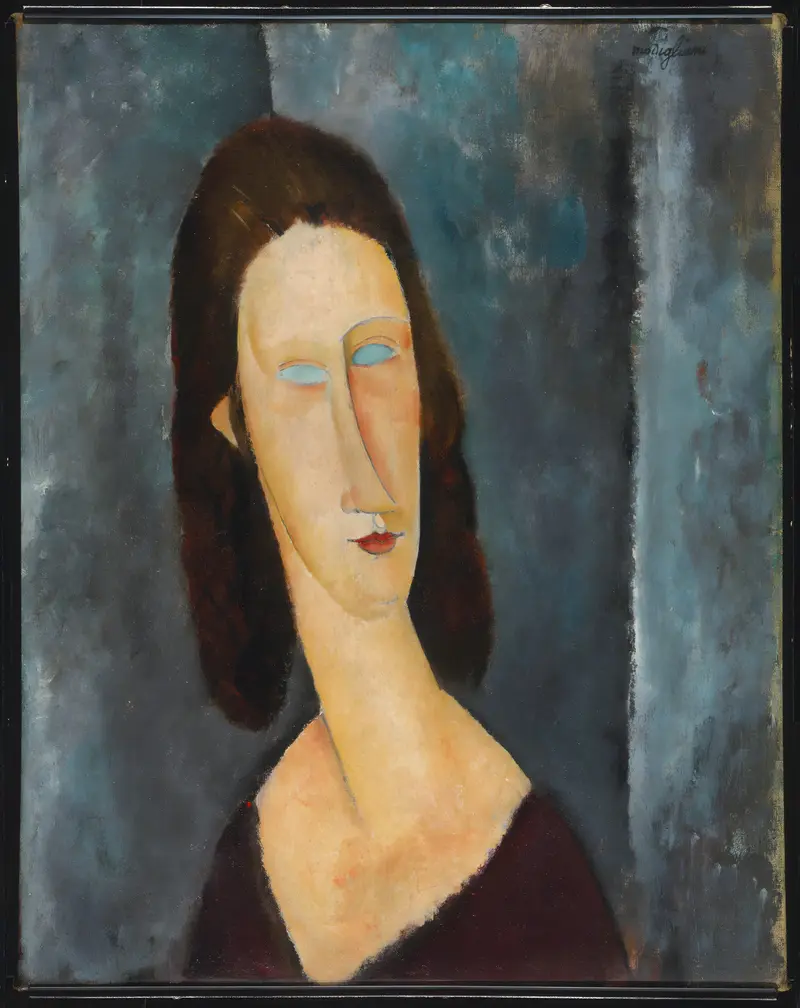
Blue Eyes (Portrait of Madame Jeanne Hébuterne)
Amedeo Modigliani
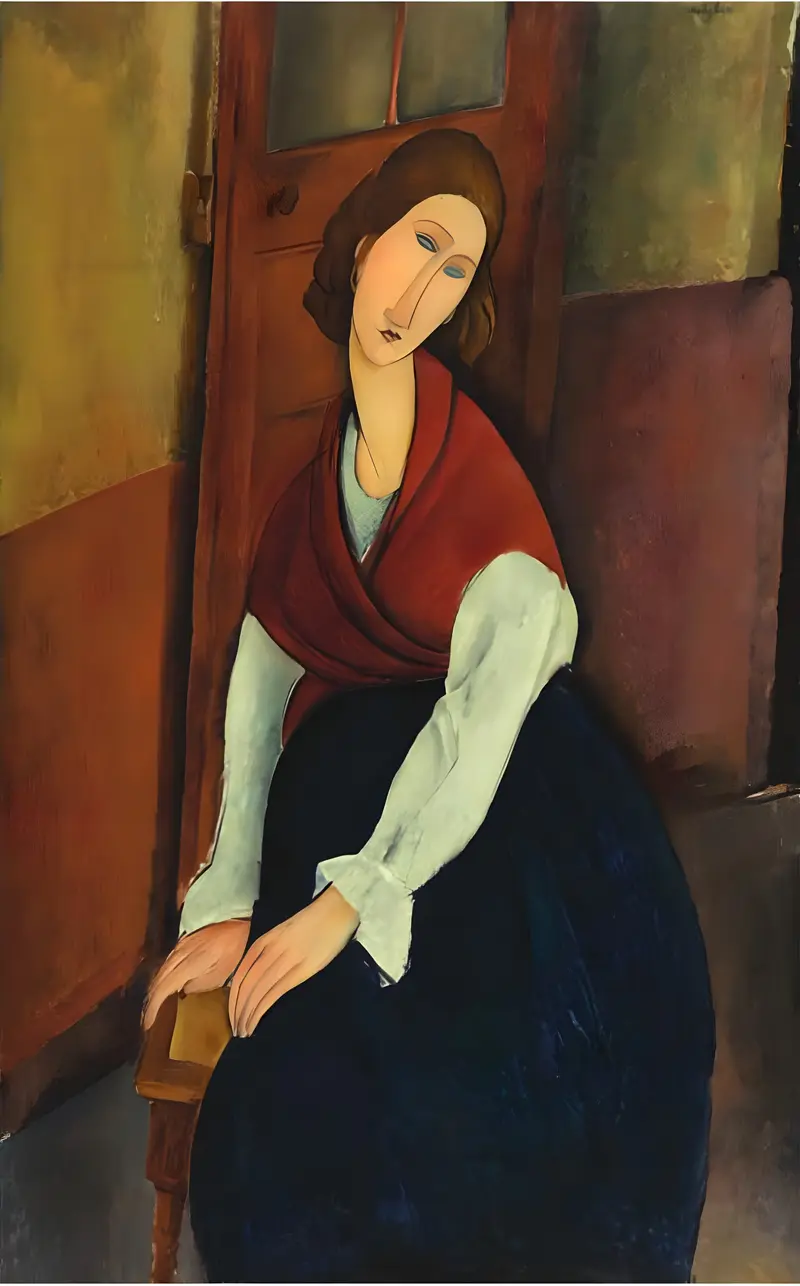
Jeanne Hebuterne in Red Shawl
Amedeo Modigliani





