
Girl with a doll — History & Facts
What draws the eye first in Girl with a doll is the hush that seems to settle between two worlds: the child’s private reverie and the adult’s steady presence. The girl, nestled on a low seat, cradles her doll with a gentle, almost protective grip, her gaze turned upward and away, lost in a thought or a story only she can see. The light, soft and golden, pools around her face and hands, setting her apart from the shadowed background and the more indistinct figure of the woman—perhaps a mother or caretaker—who leans in from the doorway.
The entire composition is built on this contrast: the girl’s vivid red skirt and blue scarf, the doll’s pale form, all set against a warm, loosely brushed interior that feels both intimate and unfinished. Every detail—the tilt of the girl’s head, the way her boots catch the light—invites us to wonder what has caught her attention, and what silent words might pass between the two figures. Painted between 1872 and 1873, this work by Aleksander Kotsis belongs to a period when scenes of everyday domestic life were gaining new dignity in Polish art. Artists of the era often turned to moments of childhood, family, and humble interiors, seeking to capture the quiet resilience and warmth of ordinary people.
Such paintings were rarely grand commissions; instead, they found their place in private homes or smaller collections, cherished for their familiarity and gentle sentiment. Now held in the National Museum in Warsaw, Girl with a doll stands as a tender fragment of the 19th-century world—a reminder that history is made not only of great events, but of small, watchful silences like this one.
More Artworks by Aleksander Kotsis

Trip in the Tatra Mountains
Aleksander Kotsis

Fair in Nowy Targ
Aleksander Kotsis
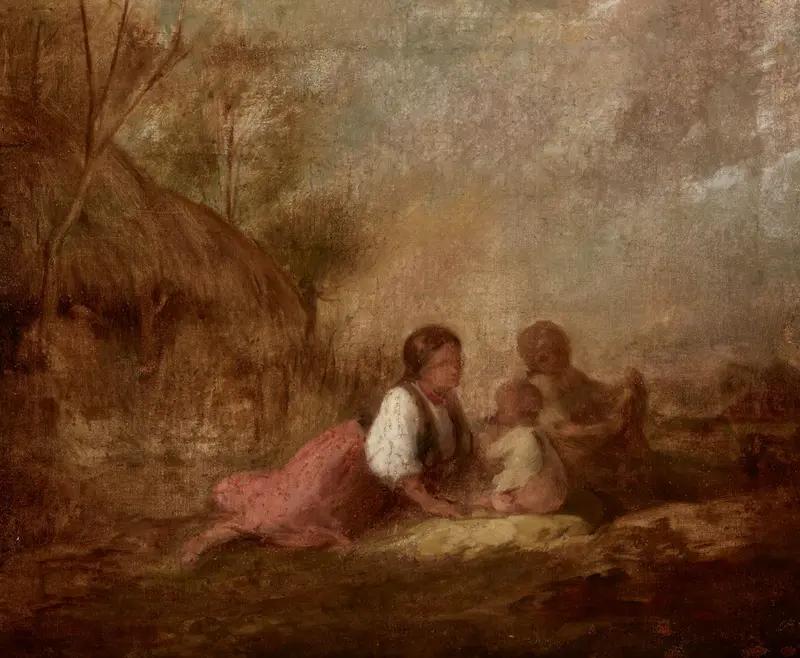
Pastoral Scene
Aleksander Kotsis
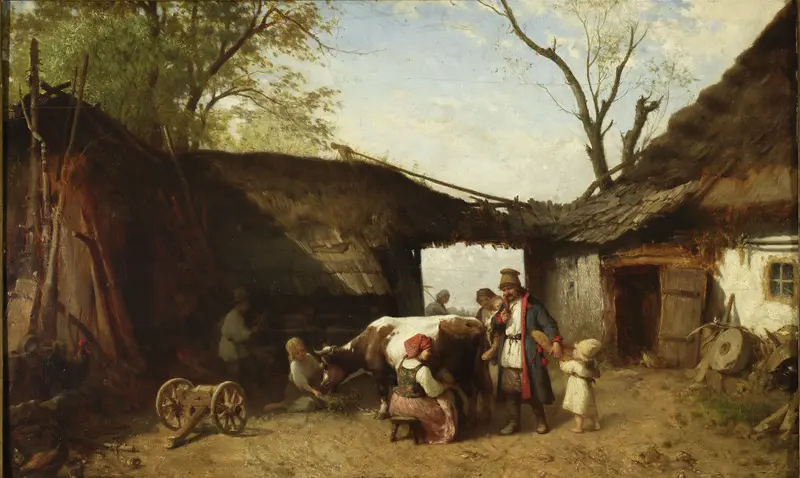
In the farmyard
Aleksander Kotsis
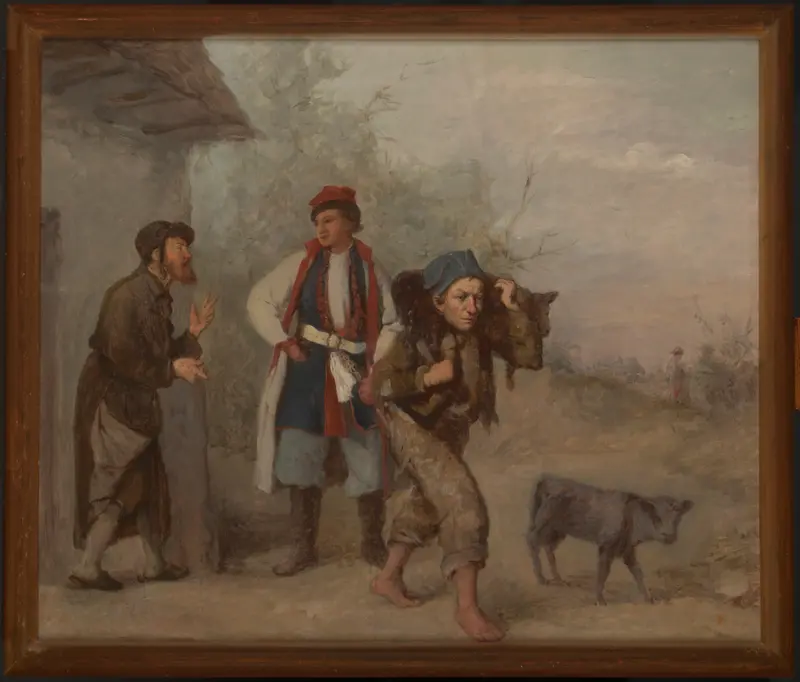
Haggling over a Calf
Aleksander Kotsis
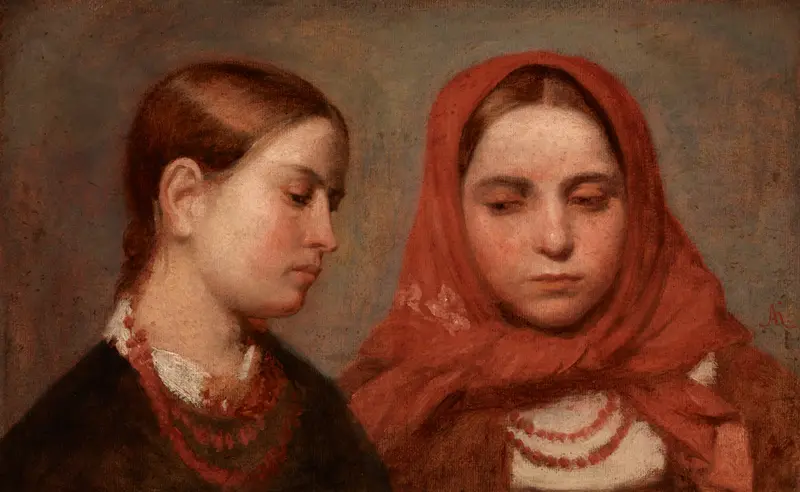
Heads of Two Young Girls
Aleksander Kotsis
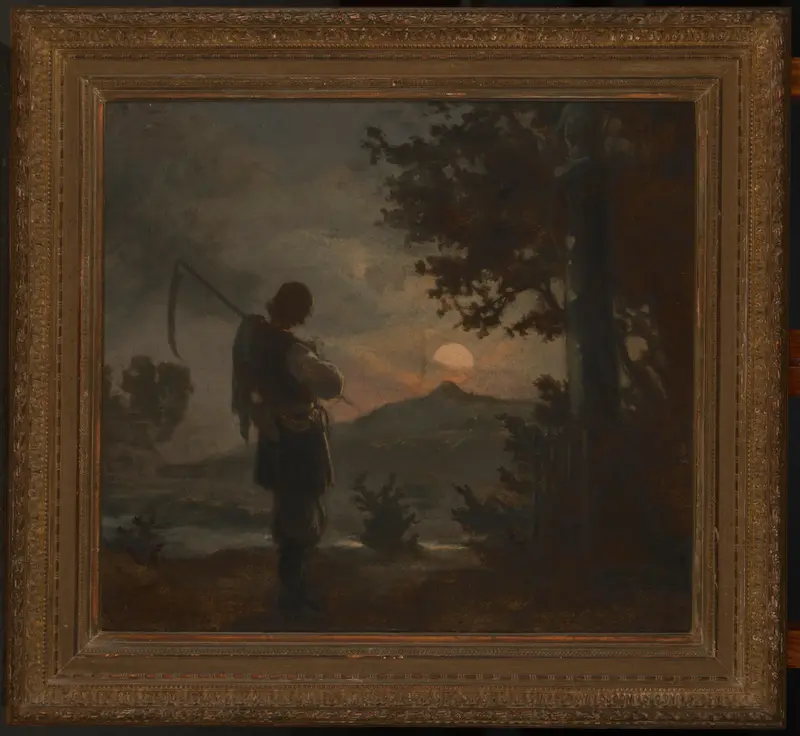
Haymaker
Aleksander Kotsis
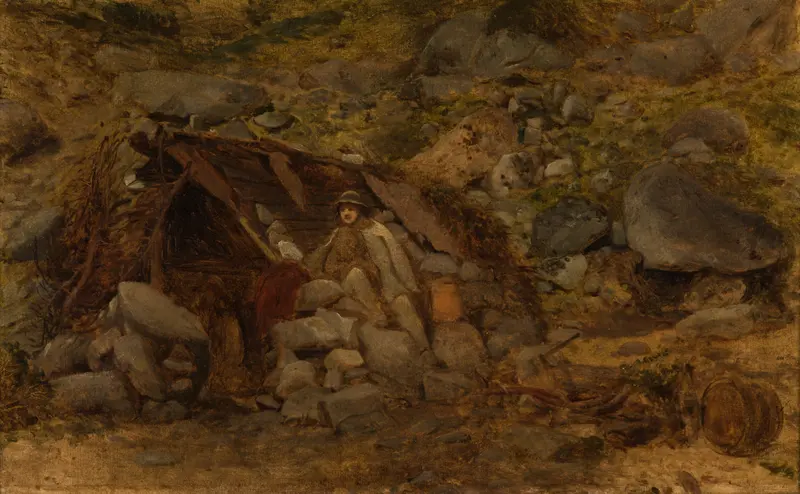
Highlander in Front of a Hut
Aleksander Kotsis
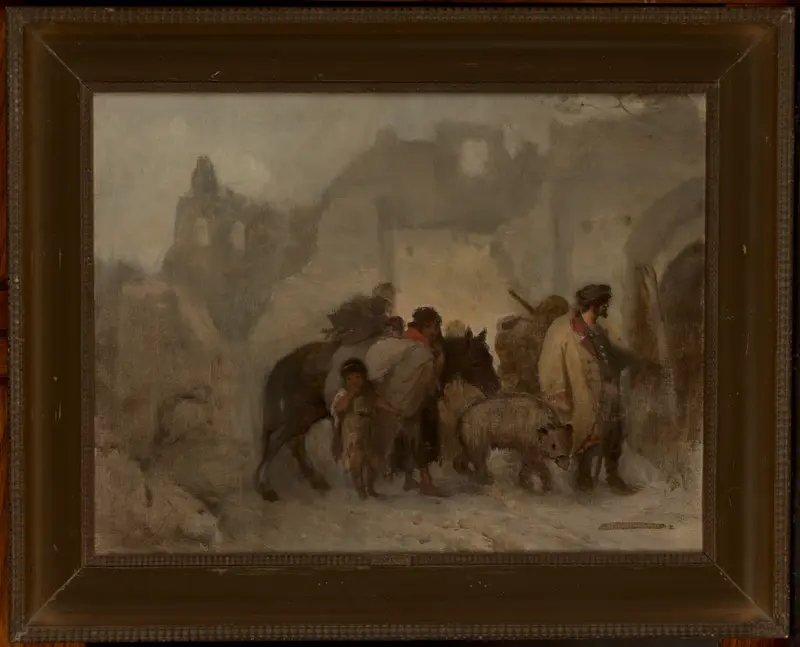
Gypsies
Aleksander Kotsis
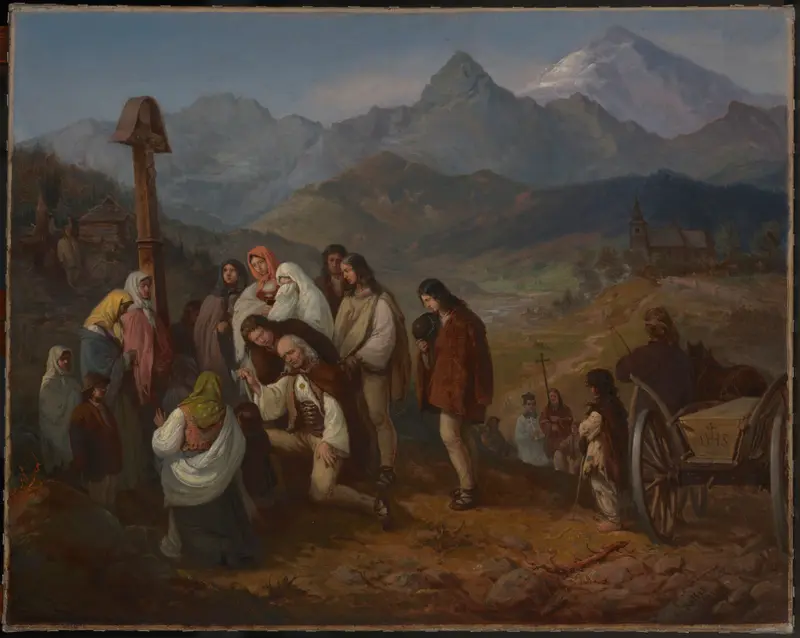
A Highlander's Funeral
Aleksander Kotsis
More Genre Scene Art

Banquet of the Officers of the St George Civic Guard
Frans Hals

Rembrandt and Saskia in the Scene of the Prodigal Son
Rembrandt van Rijn

Bal du moulin de la Galette
Pierre-Auguste Renoir

Quadrille at the Moulin Rouge
Henri de Toulouse-Lautrec

A Burial at Ornans
Gustave Courbet

When Will You Marry?
Paul Gauguin