Greek Ornament No. 3 — History & Facts
What first draws the eye in Greek Ornament No. 3 by Owen Jones is the rhythmic pulse of repetition—motifs marching in ordered rows, each band a world of its own, yet all bound by a shared palette of ochre, black, and the occasional red. The page is a catalogue of invention: delicate lotus buds, meanders, and palmettes, each rendered with crisp precision, their forms at once mathematical and organic.
The careful alternation of light and dark grounds gives the patterns a sense of depth and movement, while the strict geometry is softened by the curve of a vine or the burst of a stylized flower. Here, ornament is not mere decoration—it is language, each motif a fragment of a visual grammar that once adorned temples and vessels, now distilled into pure design. This chromolithograph belongs to a world fascinated by the rediscovery and systematization of the past. In the mid-nineteenth century, as archaeology brought ancient Greece to the fore of European imagination, artists and designers like Owen Jones sought to codify its visual principles for a new age of industry and design.
Published in London in 1910, this page is part of a larger compendium, preserved today in the Polona Digital Library. Such works were not created for private contemplation, but as tools—guides for architects, craftsmen, and students eager to revive the clarity and harmony of antiquity. The page invites you to linger over each pattern, to trace the lineage of ornament from ancient stone to the printed page, and perhaps to imagine how these motifs might once again find life in the world around us.
More Artworks by Owen Jones

Greek Ornament No. 1
Owen Jones
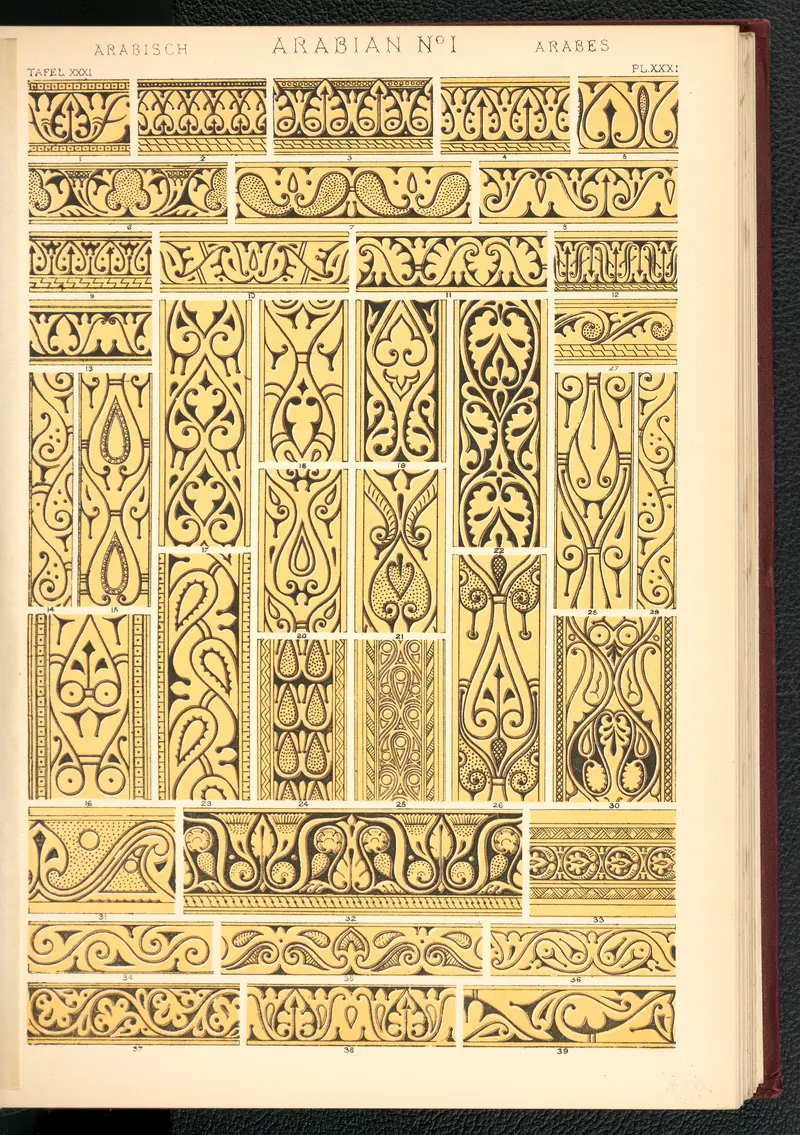
Arabian Ornament No. 1
Owen Jones
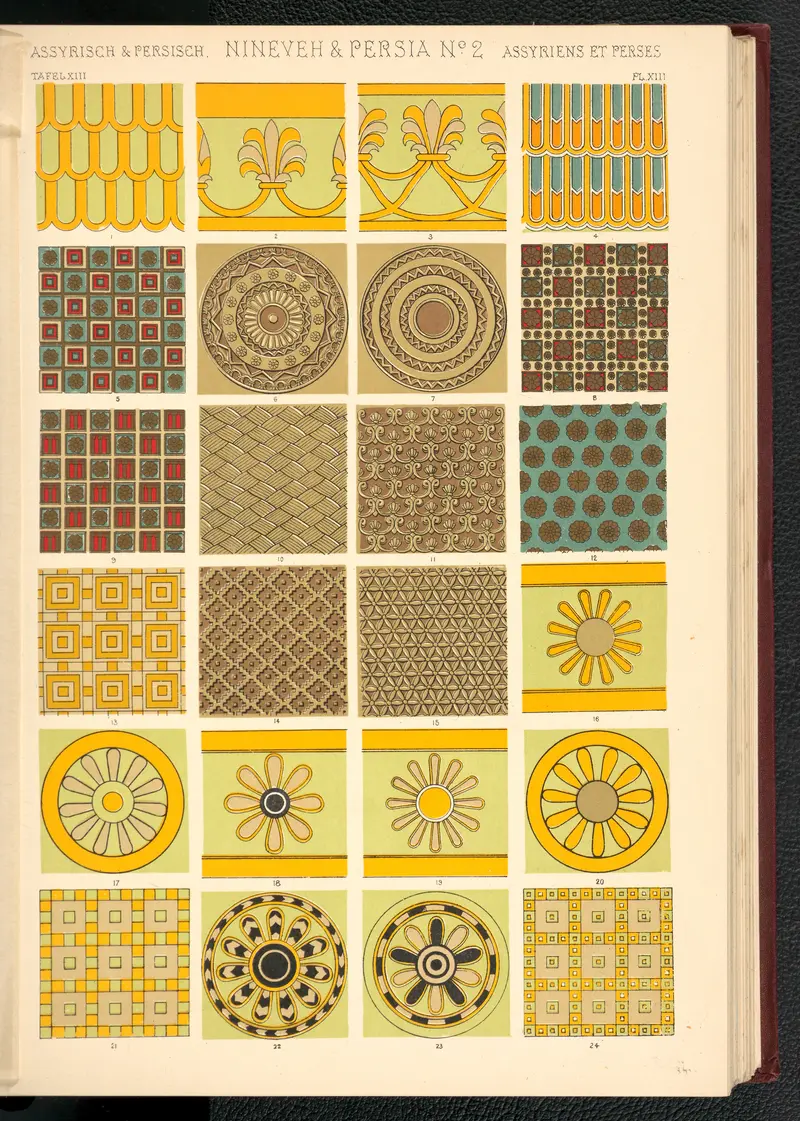
Assyrian Ornament No. 2
Owen Jones

Egyptian Ornament No. 3
Owen Jones
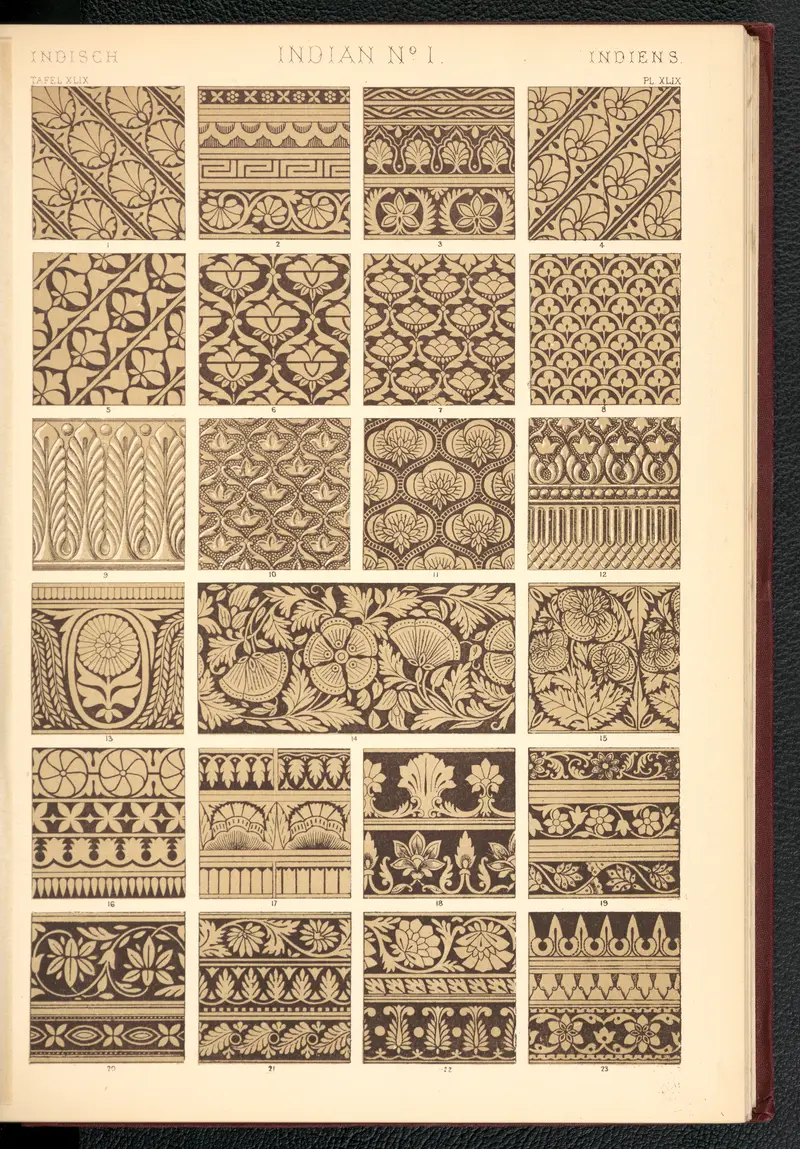
Indian Ornament No. 1
Owen Jones
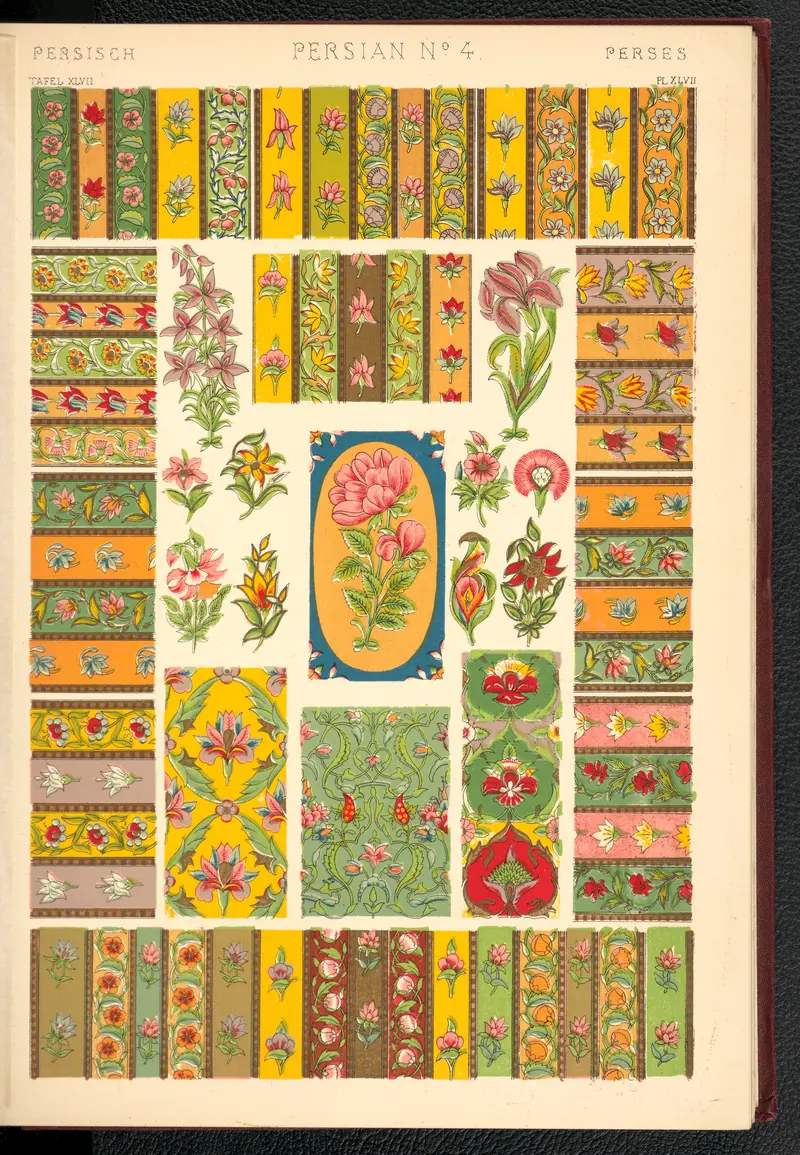
Persian Ornament No. 4
Owen Jones
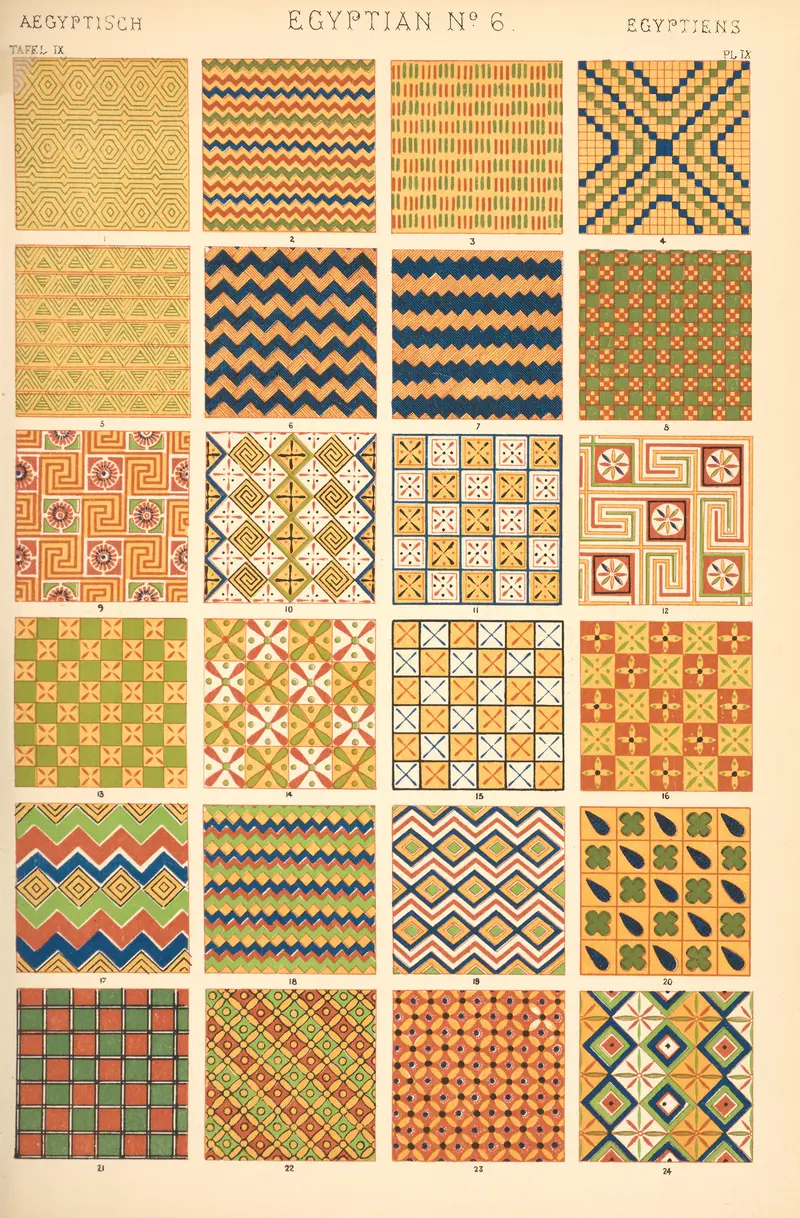
Egyptian Ornament No. 6
Owen Jones
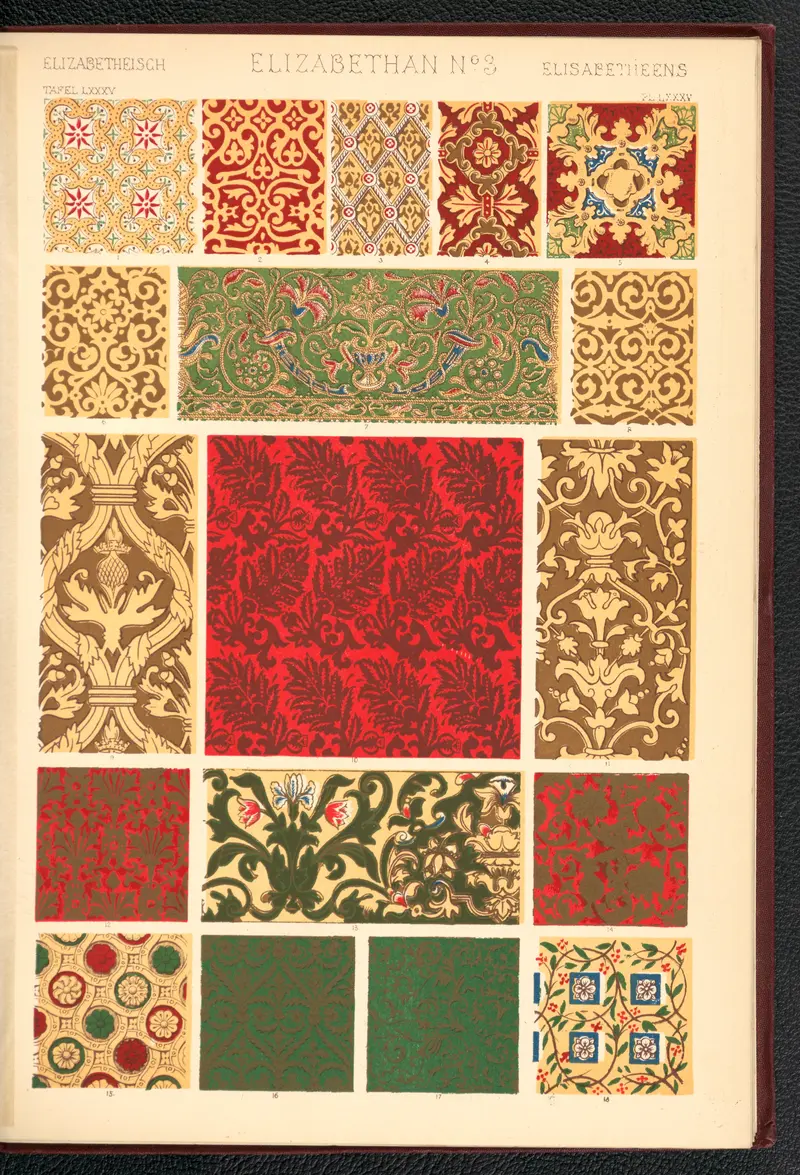
Elizabethan Ornament No. 3
Owen Jones
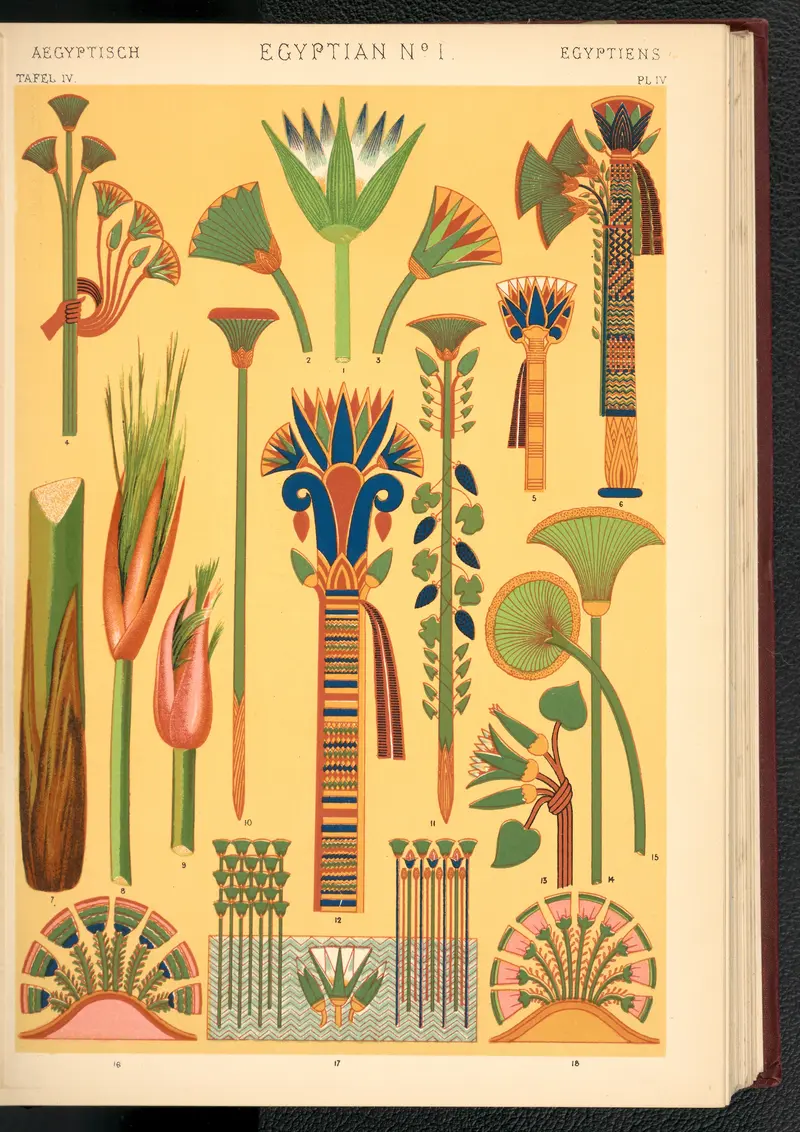
Egyptian Ornament No. 1
Owen Jones
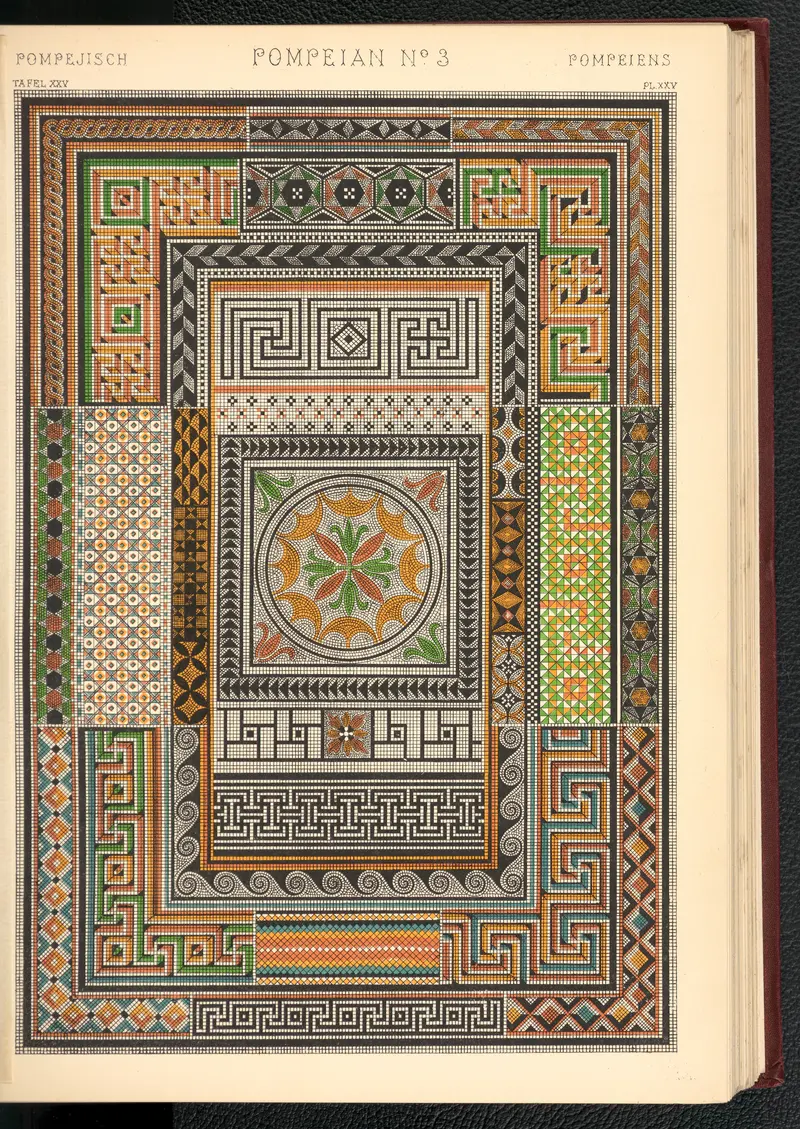
Pompeian Ornament No. 3
Owen Jones