
Gärtner vor dem Haus — History & Facts
In its stillness, it invites us to explore the unspoken narratives held within its surface. Here, light dances across the scene, illuminating the intimate world of a gardener, unveiling not only his labor but the quiet poetry of his existence. Focus first on the figure in the foreground, poised in a moment of respite. The strokes of green surrounding him blend harmoniously with the soft browns of the earth, creating a sanctuary of nature.
Notice how the sunlight filters through the leaves, casting delicate shadows on the ground, and how the gardener's hands, weathered yet gentle, cradle the tools of his trade. Each element is expertly composed, leading the viewer’s gaze through the vibrant interplay of color and texture. Within this serene depiction lies a deeper narrative of labor and connection to the earth. The juxtaposition of the gardener's toil against the tranquil backdrop symbolizes a communion between humanity and nature, while the interplay of light and shadow hints at the transient beauty of life.
The absence of bustling activity creates a contemplative space, allowing us to reflect on the quiet dignity of everyday work and the profound peace it can bring. In 1910, the artist painted this work during a period of personal exploration and creative evolution in German art. Slevogt was deeply influenced by Impressionism, seeking to capture the ephemeral qualities of light and atmosphere. This particular piece, created while he was living in Germany, reflects both his admiration for the natural world and a growing shift towards modernist expressions in art, revealing the beauty in simplicity and the complexity of existence within a singular frame.
More Artworks by Max Slevogt
Browse all →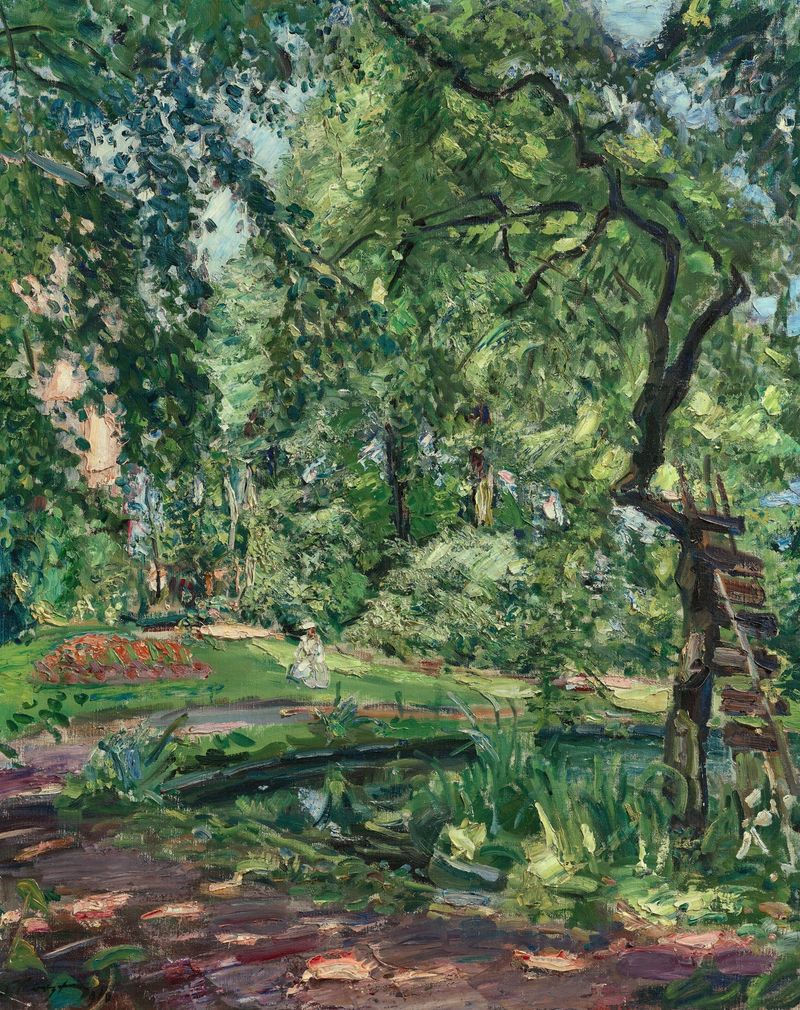
Garten in Godramstein mit verwachsenem Baum und Weiher
Max Slevogt
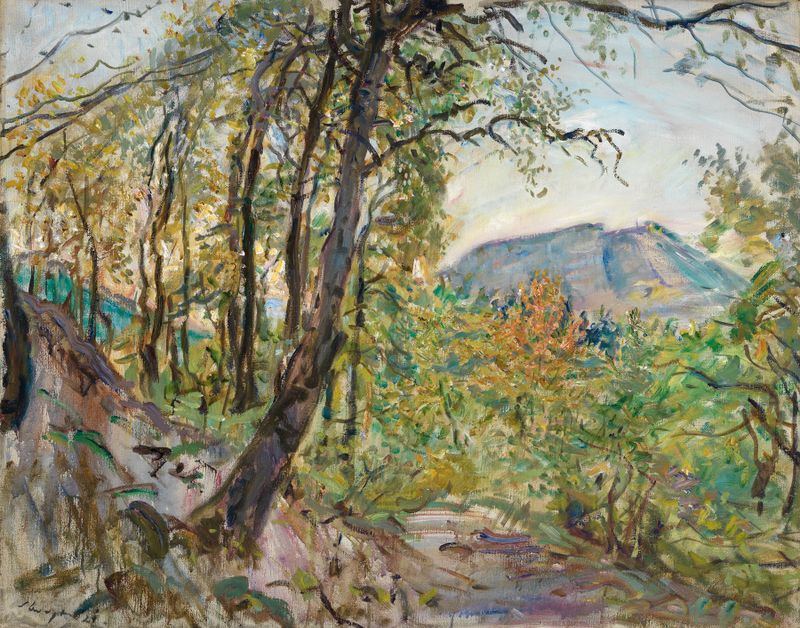
Pfälzische Landschaft
Max Slevogt
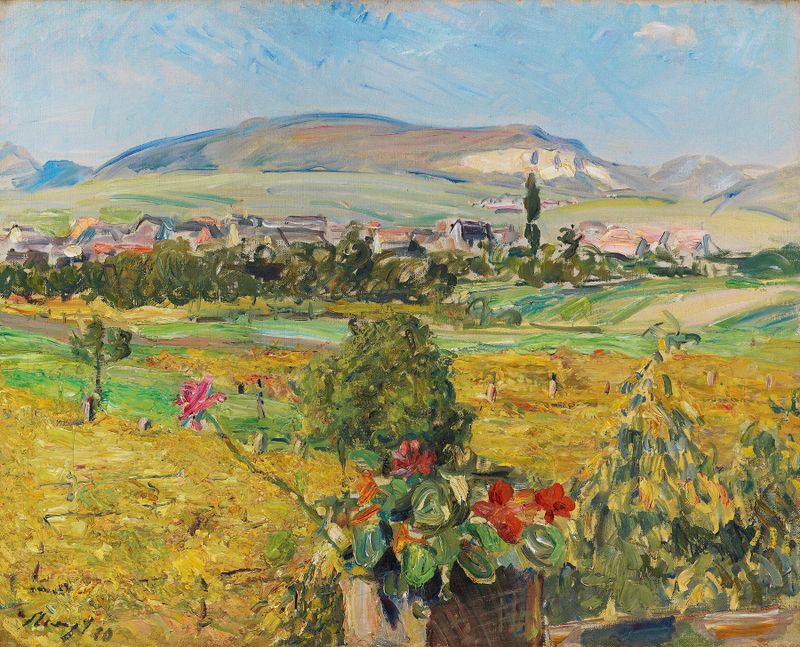
Pfälzer Landschaft
Max Slevogt

Kinder am Weiher (Garten in Godramstein)
Max Slevogt
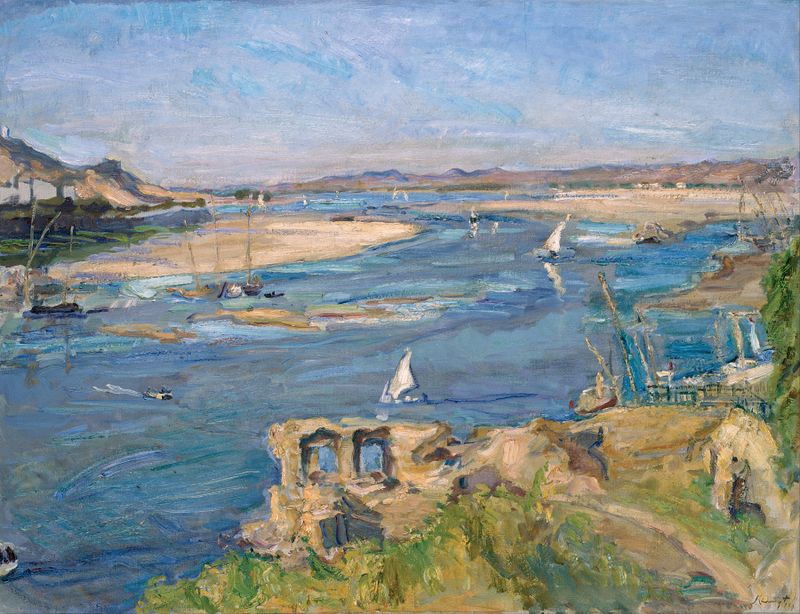
The Nile near Aswan
Max Slevogt
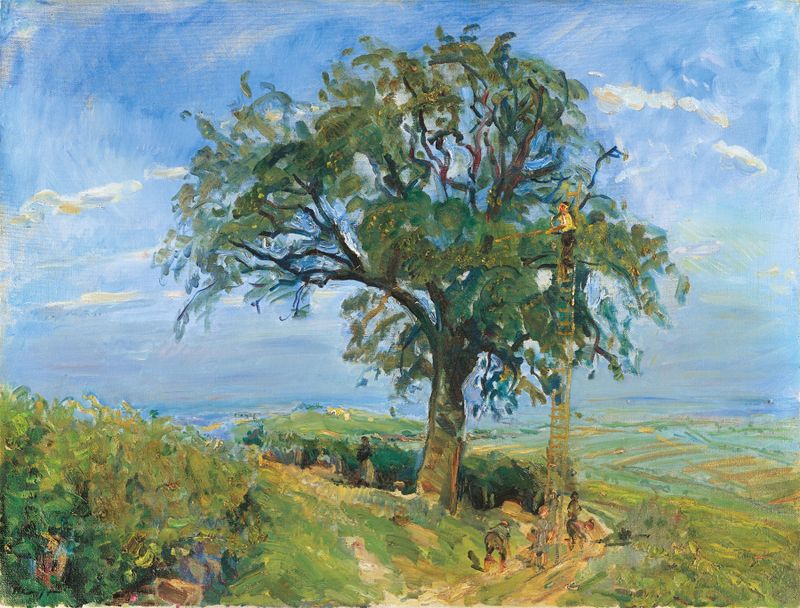
Fruit harvest in the Palatinate (The pear tree)
Max Slevogt
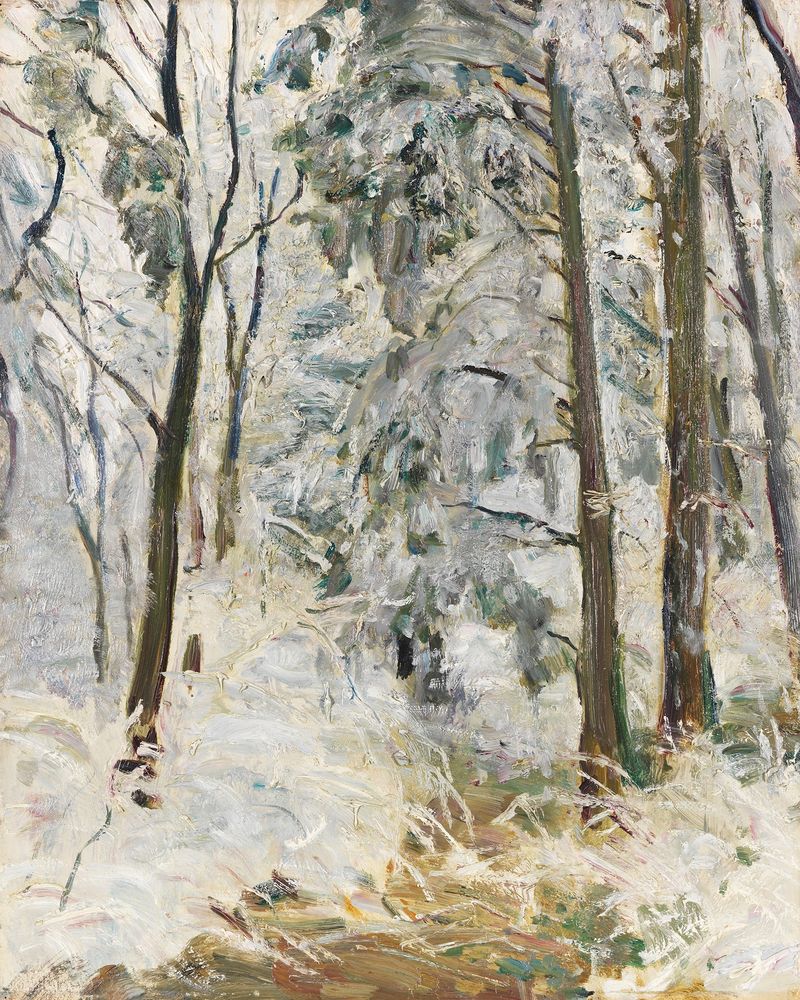
Verschneiter Waldweg
Max Slevogt
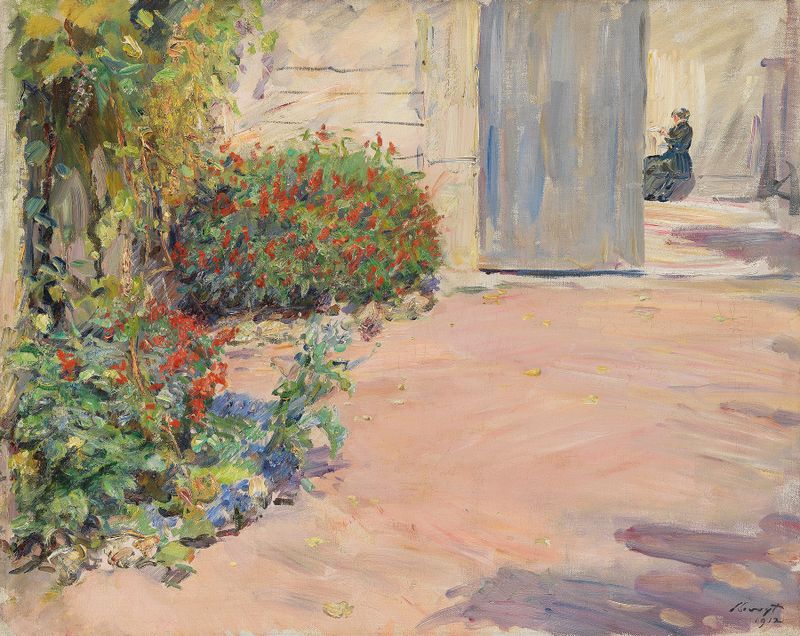
Gartenweg zum Sommerhaus (Godramstein)
Max Slevogt

Grape harvest at Neukastel
Max Slevogt
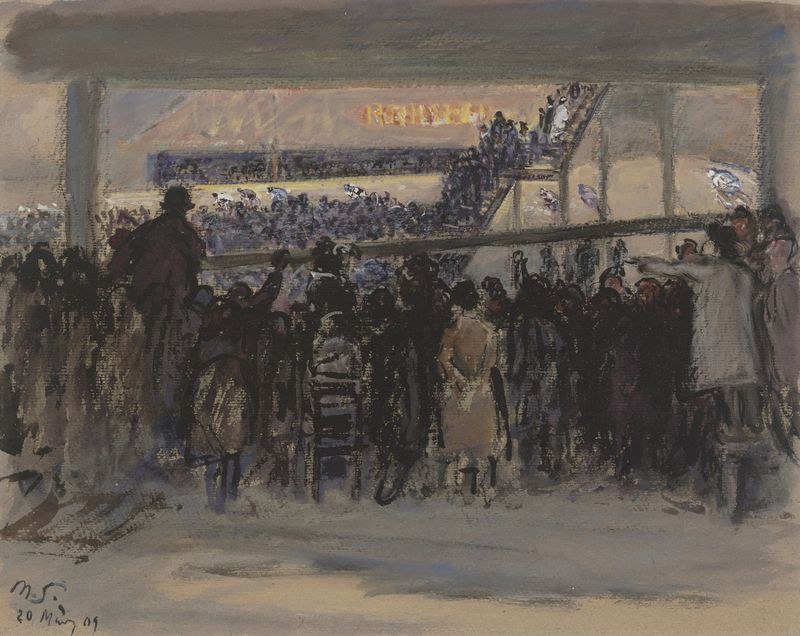
Berliner Sechstagerennen
Max Slevogt





