
ラ・シエスタ、スペインの思い出 — History & Facts
Few foreign artists captured the Spanish countryside with such immediacy as Gustave Doré during his 1862 journey through Spain, later immortalized in his illustrations for Voyage en Espagne. ラ・シエスタ、スペインの思い出 (La Siesta, Spanish Memories) stands out as a rare independent painting from this period, rather than a book illustration. Its title, given in Japanese, hints at the enduring international fascination with Doré’s vision of Spain—a fascination that has led to spirited debates about the work’s intended audience and original context. At the heart of the composition, a group of peasants reclines in the drowsy heat of the midday sun, their bodies sprawled beneath the sparse shade of olive trees.
Doré chooses the moment when the world seems to pause: tools are set aside, hats pulled low, and a donkey dozes nearby. The languor is palpable in the loose, almost sketch-like brushwork, which contrasts with the crisp, sun-bleached landscape. The siesta, a daily ritual in rural Spain, becomes here a symbol of resilience and adaptation to the harsh climate.
Unlike the romanticized peasants of Joaquín Sorolla, Doré’s figures are weary but dignified, their rest a necessity rather than a picturesque custom. The precise history of ラ・シエスタ、スペインの思い出 remains uncertain. While Doré’s Spanish works were often commissioned by French publishers, this painting’s medium and early provenance are not clearly documented, and it is not listed among the illustrations for his travel books. It resurfaced in the late 20th century in a Japanese private collection, prompting renewed interest in Doré’s influence beyond France and Spain.
Today, the painting is celebrated as a rare example of Doré’s painterly approach to Spanish themes, bridging his reputation as an illustrator and his lesser-known work as a painter.
More Artworks by Gustave Doré

The Deluge
Gustave Doré
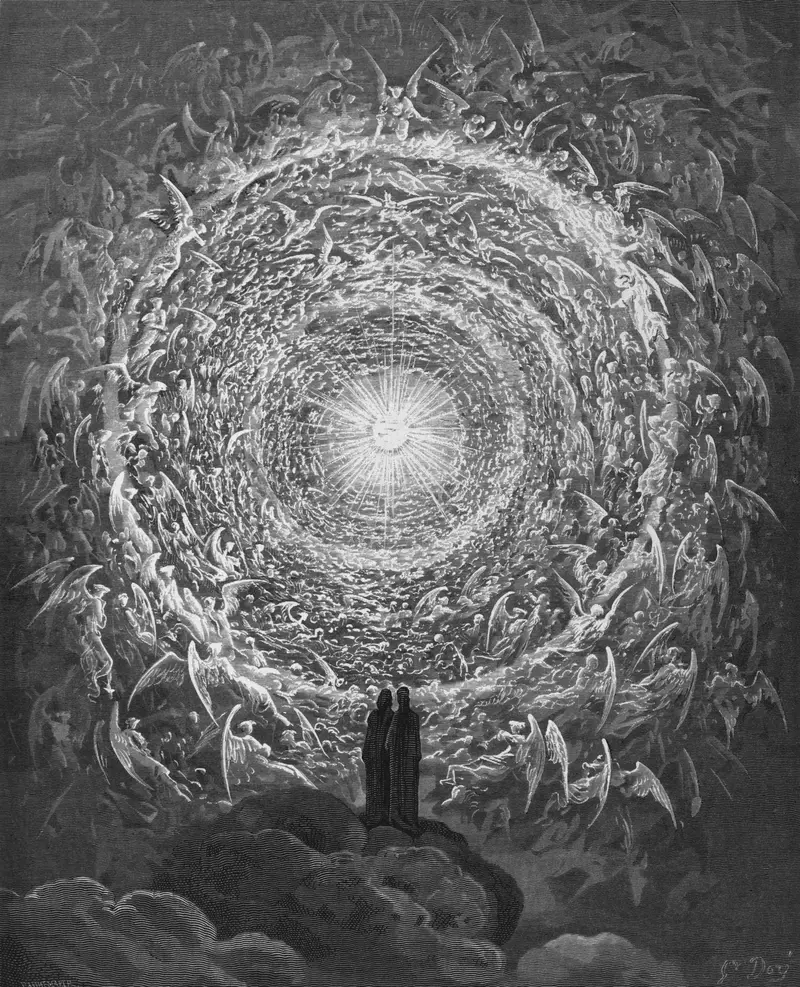
The Empyrean (Paradiso, Canto 31)
Gustave Doré
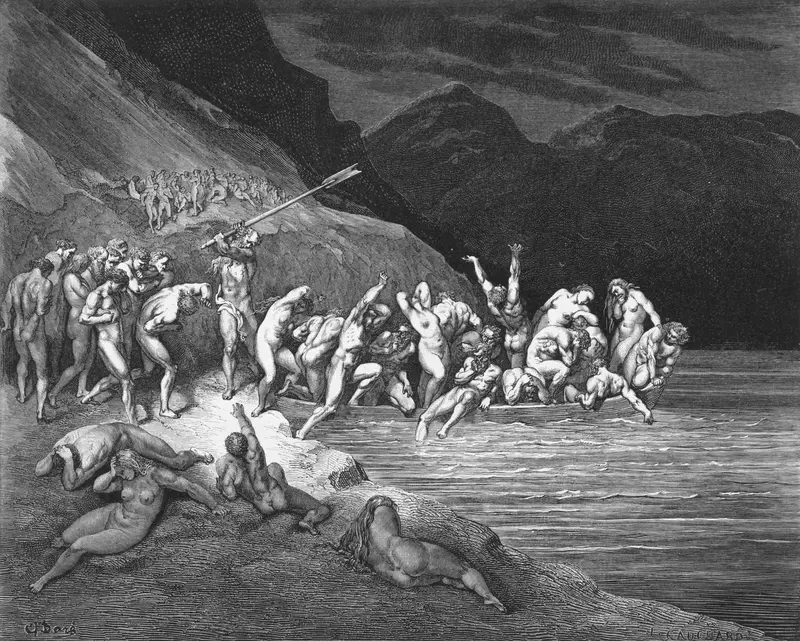
Charon (Inferno, Canto 3)
Gustave Doré
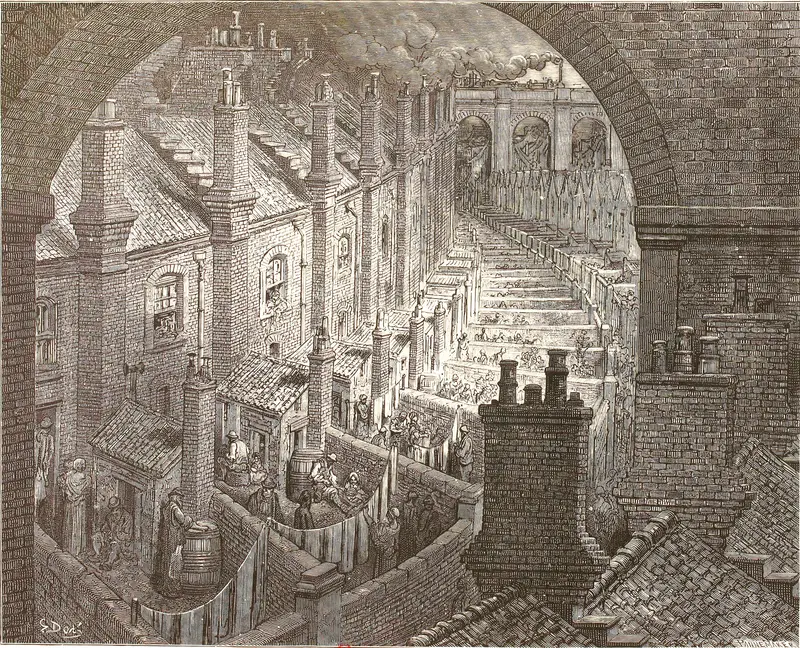
Over London by Rail
Gustave Doré
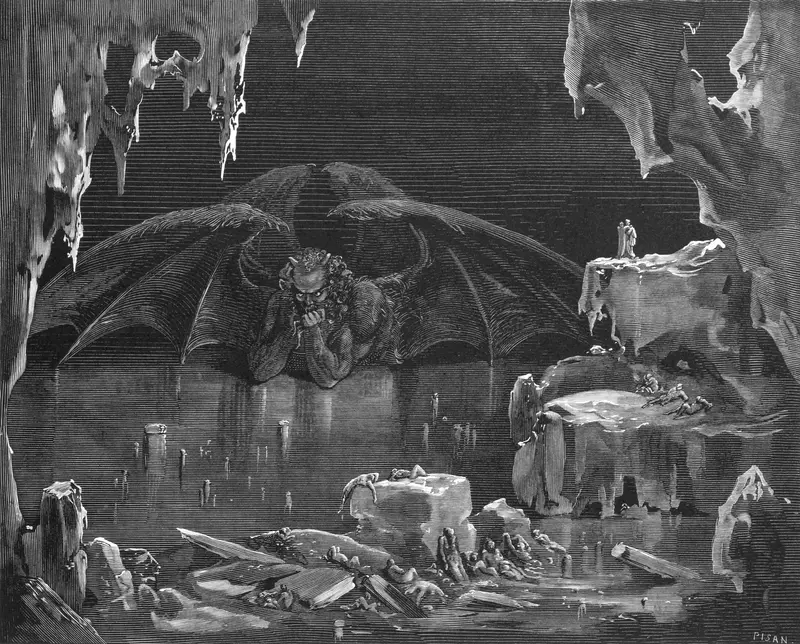
Lucifer, King of Hell
Gustave Doré
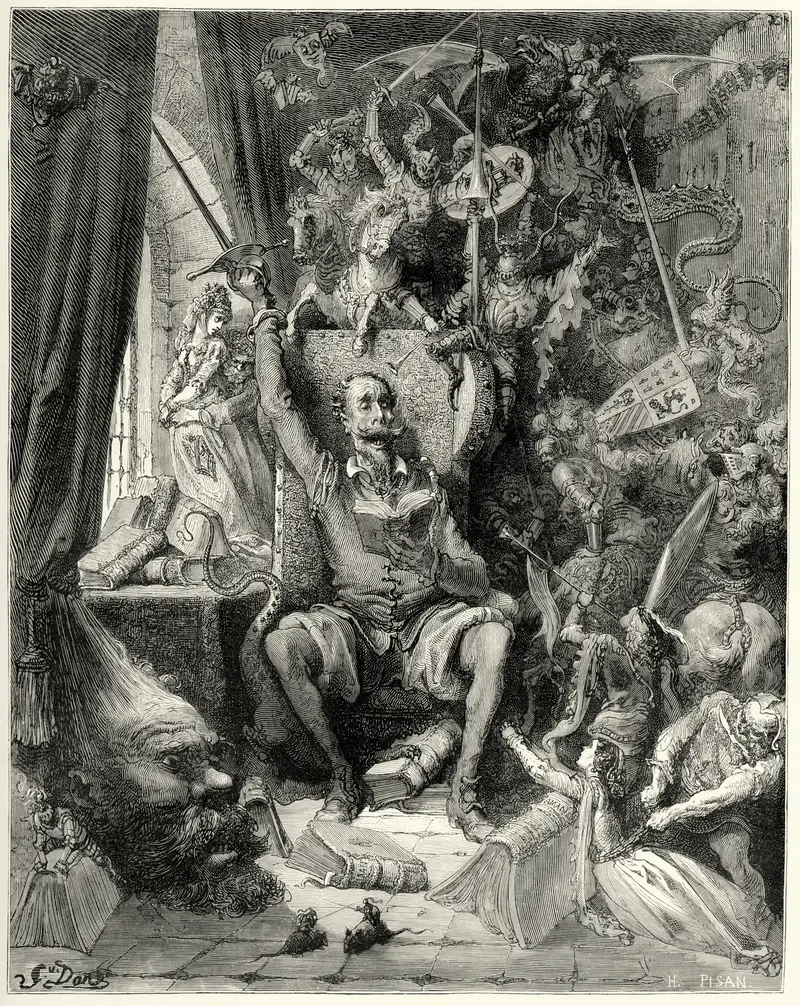
Don Quixote in His Library
Gustave Doré
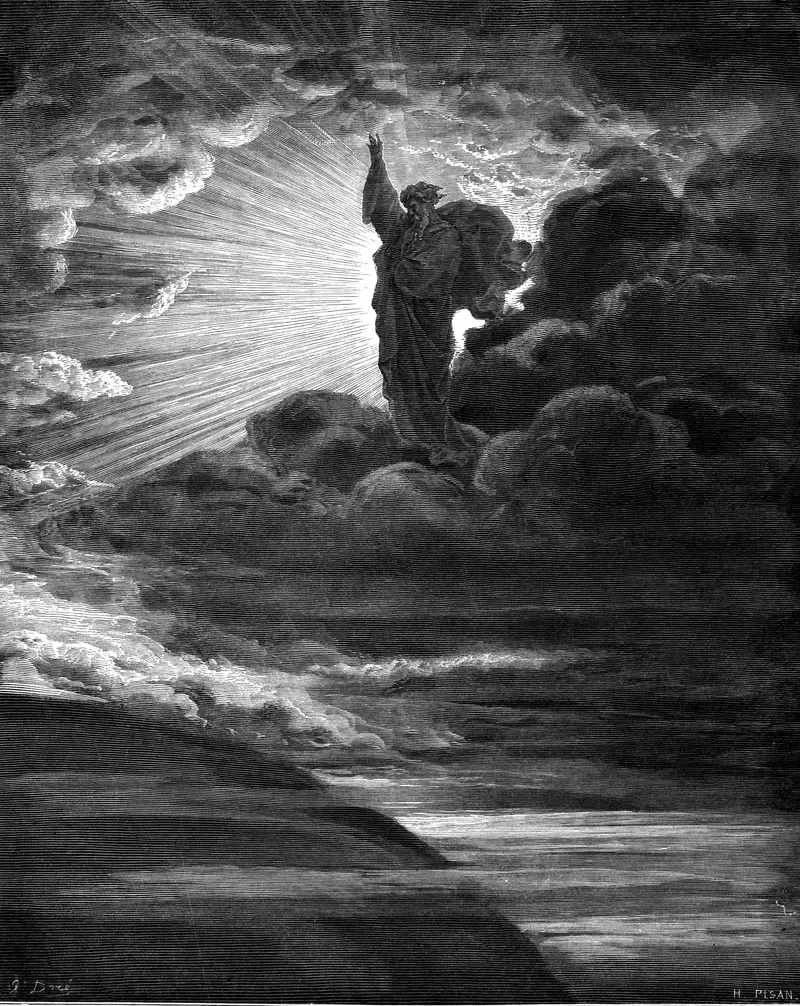
The Creation of Light
Gustave Doré
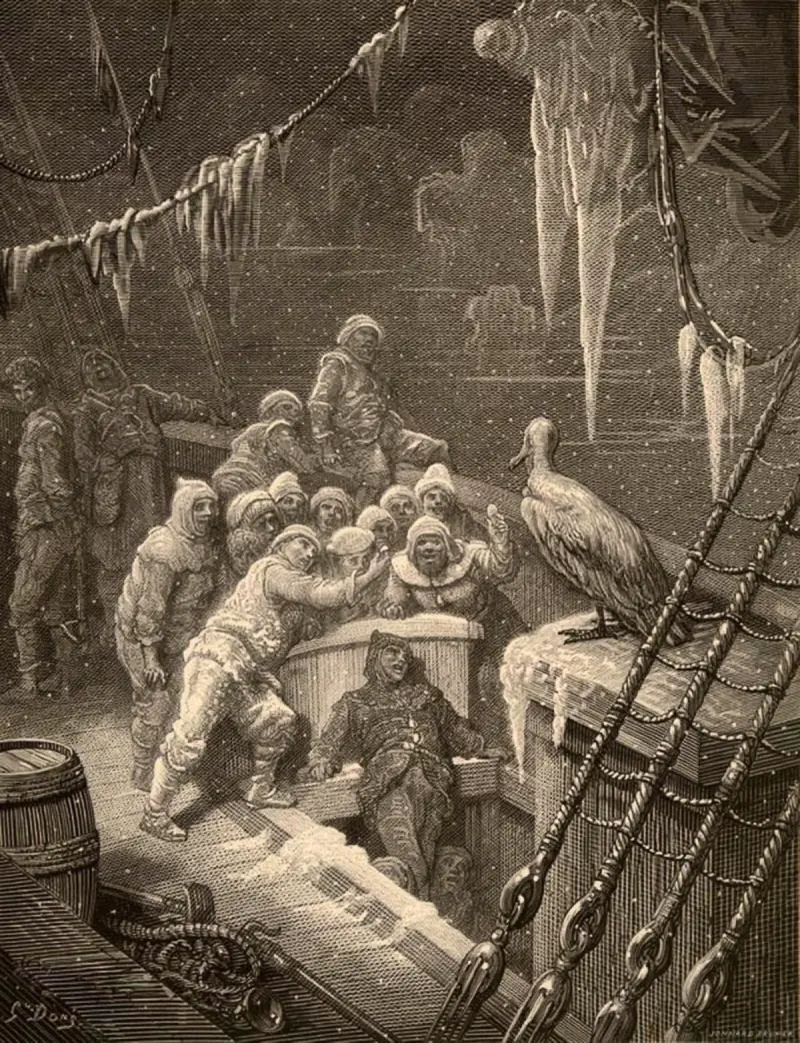
The Albatross (The Rime of the Ancient Mariner)
Gustave Doré
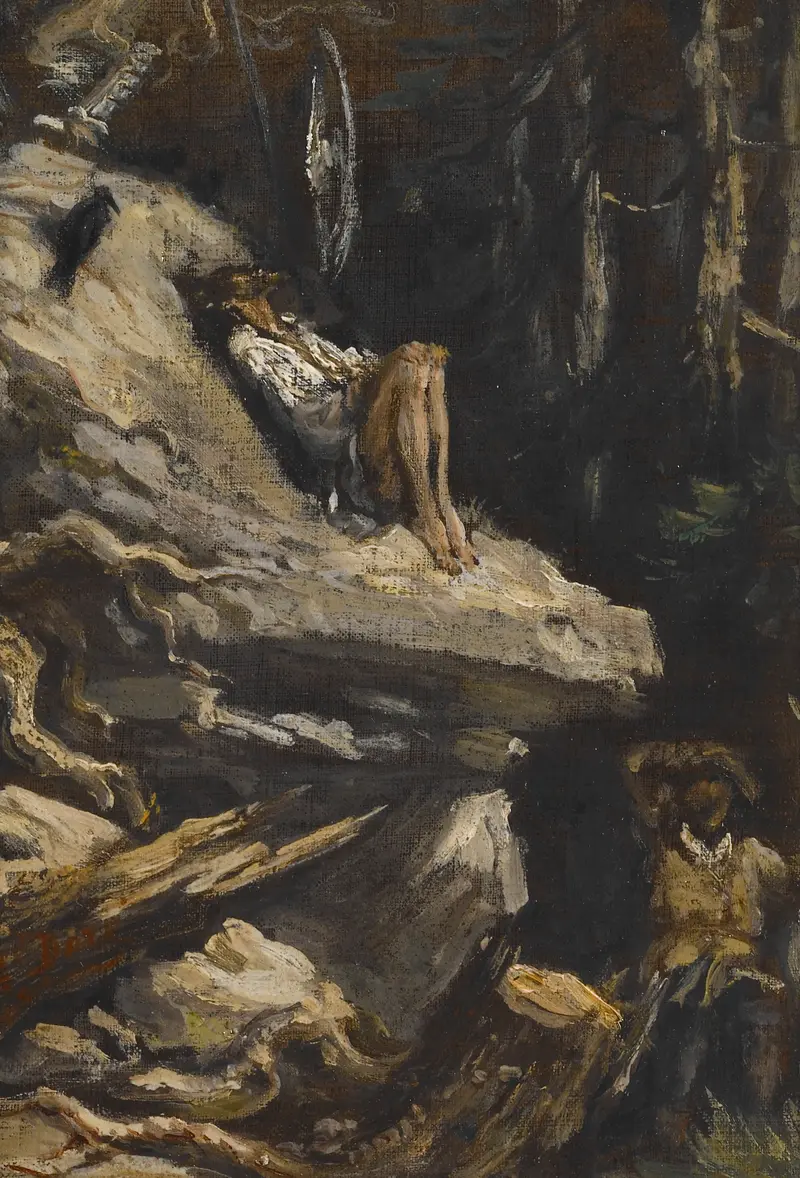
"'Alas!' answered Sancho, 'I found him in his shirt, lean, pale, and almost starved, sighing for his Lady Dulcinea'" from Don Quixote
Gustave Doré
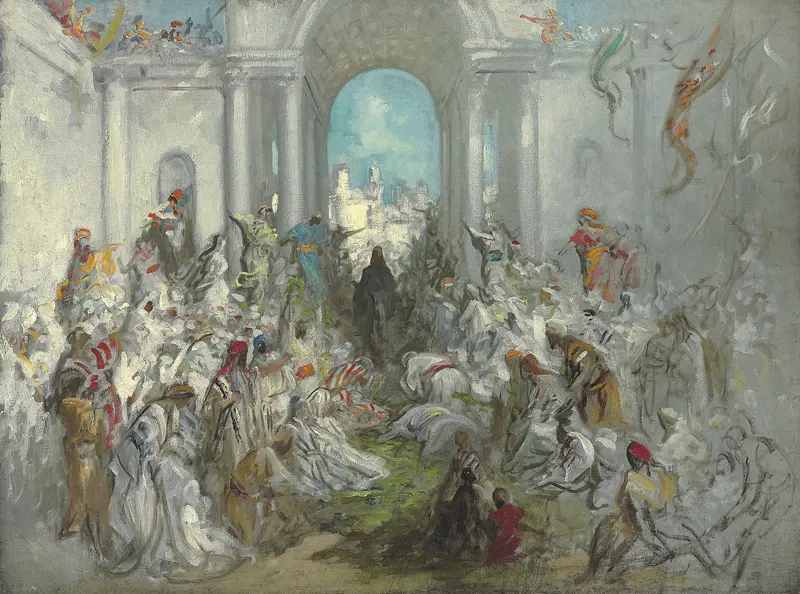
Christ's Entry into Jerusalem
Gustave Doré
More Genre Scene Art

Banquet of the Officers of the St George Civic Guard
Frans Hals

Rembrandt and Saskia in the Scene of the Prodigal Son
Rembrandt van Rijn

Bal du moulin de la Galette
Pierre-Auguste Renoir

Quadrille at the Moulin Rouge
Henri de Toulouse-Lautrec

A Burial at Ornans
Gustave Courbet

When Will You Marry?
Paul Gauguin