
Haymaking — History & Facts
Could beauty survive in a century of chaos? David Cox’s Haymaking whispers a poignant reminder of the fragile balance between nature and solitude. Look to the center where the workers, bent over their task, engage in the rhythmic dance of labor. Notice how the golden hay contrasts against the deep green of the field, bathed in soft, diffused sunlight that warms the scene. The brushwork is loose yet deliberate, capturing both the movement of the figures and the gentle sway of the grass.
The horizon, a blend of tranquil blues and gentle earth tones, envelops the workers, emphasizing their smallness against the vast landscape. Yet, amid the harmonious activity, an undercurrent of loneliness emerges. The solitary figure furthest to the right stands apart, perhaps a reflection of the isolation felt even in communal labor. The vastness of the land looms, hinting at the transience of these moments of connection.
Each stroke conveys a sense of time passing, and the fleeting nature of life itself, as if this gathering is a snapshot in a world that is on the brink of upheaval. In 1808, Cox painted this work during a period of significant social and political change in Britain, marked by the Napoleonic Wars and the rise of industrialization. Captured in a moment of personal and national upheaval, the artist sought solace in the pastoral scenes of rural life, turning to the countryside for inspiration during a tumultuous time in the history of art and society.
More Artworks by David Cox
Browse all →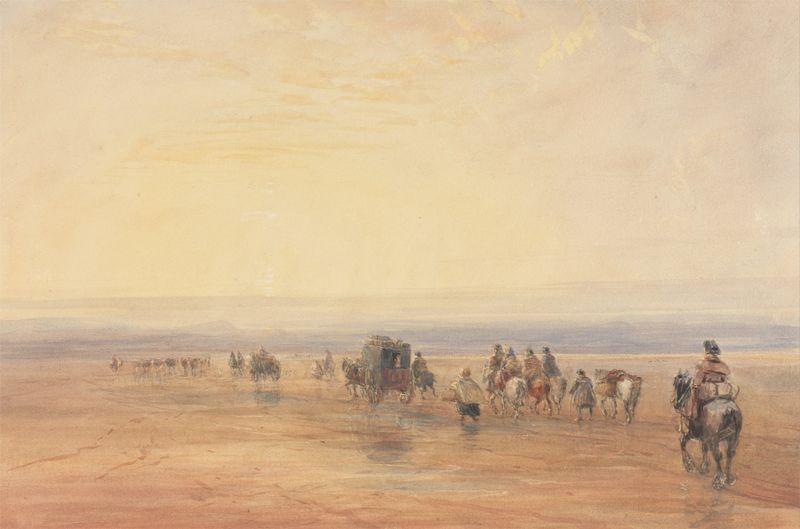
Crossing Lancaster Sands
David Cox
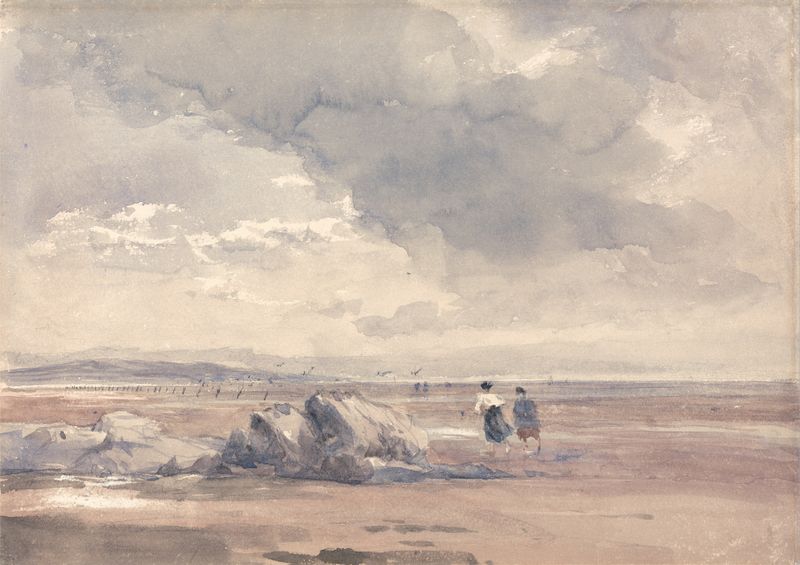
On Lancaster Sands, Low Tide
David Cox

Lincoln Cathedral from Brayford Pool
David Cox

View in Wales
David Cox
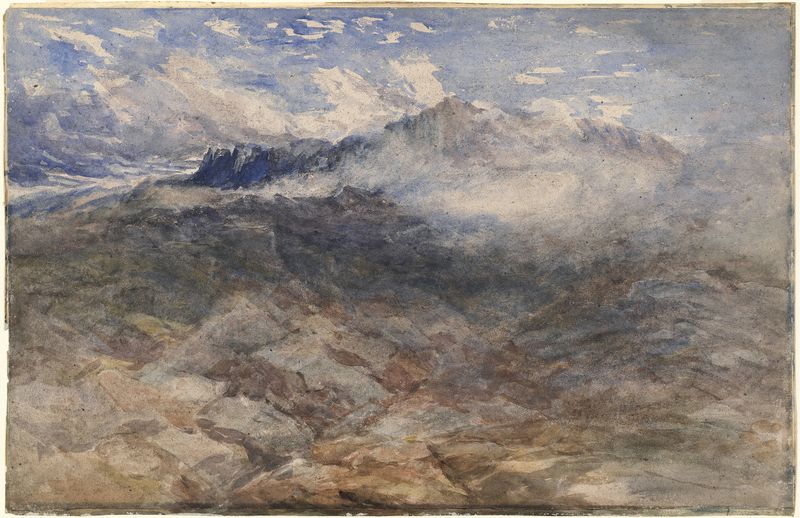
Mountain Heights, Cader Idris
David Cox

Bergen op Zoom
David Cox

Boating Before Lambeth Palace, London
David Cox
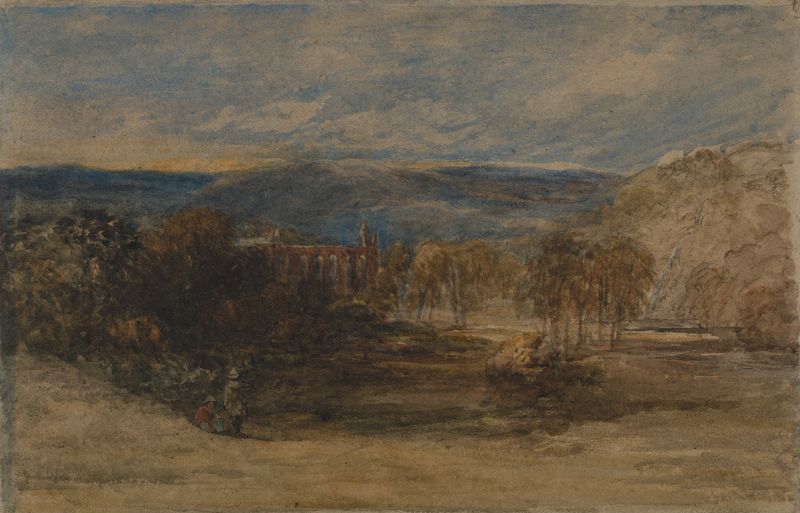
Bolton Abbey
David Cox

London Bridge
David Cox
Westminster from Lambeth
David Cox





