
Head of a Girl, Little Anna — History & Facts
What first draws the eye in Head of a Girl, Little Anna is the quiet alertness in the girl's face, set against the shadowed, almost theatrical backdrop. Her gaze is fixed just beyond the frame, lips gently pressed together, as if she is listening for something or someone out of sight. The crisp white of her dress and the blue ribbon in her hair catch the light, guiding the viewer to the delicate modeling of her features.
Behind her, a model ship perches above her head like a crown or a halo, its sails echoing the soft curves of her hair, while the darkened paneling and the indistinct portrait in the background create an air of mystery and depth. Every detail seems chosen to heighten the sense of a moment suspended, inviting us to wonder what thoughts occupy her mind. Painted in 1897, this work by Akseli Gallen-Kallela belongs to a period when Finnish artists were turning to intimate, psychological portraiture, often capturing family members or scenes of everyday life. Such paintings were rarely grand commissions; rather, they were personal studies, sometimes intended for private enjoyment or as gifts, reflecting the growing interest in the inner world of the sitter.
The late 19th century in Finland was marked by a search for national identity and a fascination with folk life, yet here, the artist turns inward, focusing on the subtle drama of a child's presence. Now housed in the Finnish National Gallery, the painting stands as a quiet testament to the era’s shifting artistic priorities—where the ordinary moment, rendered with care, becomes a lasting subject for contemplation.
More Artworks by Akseli Gallen-Kallela
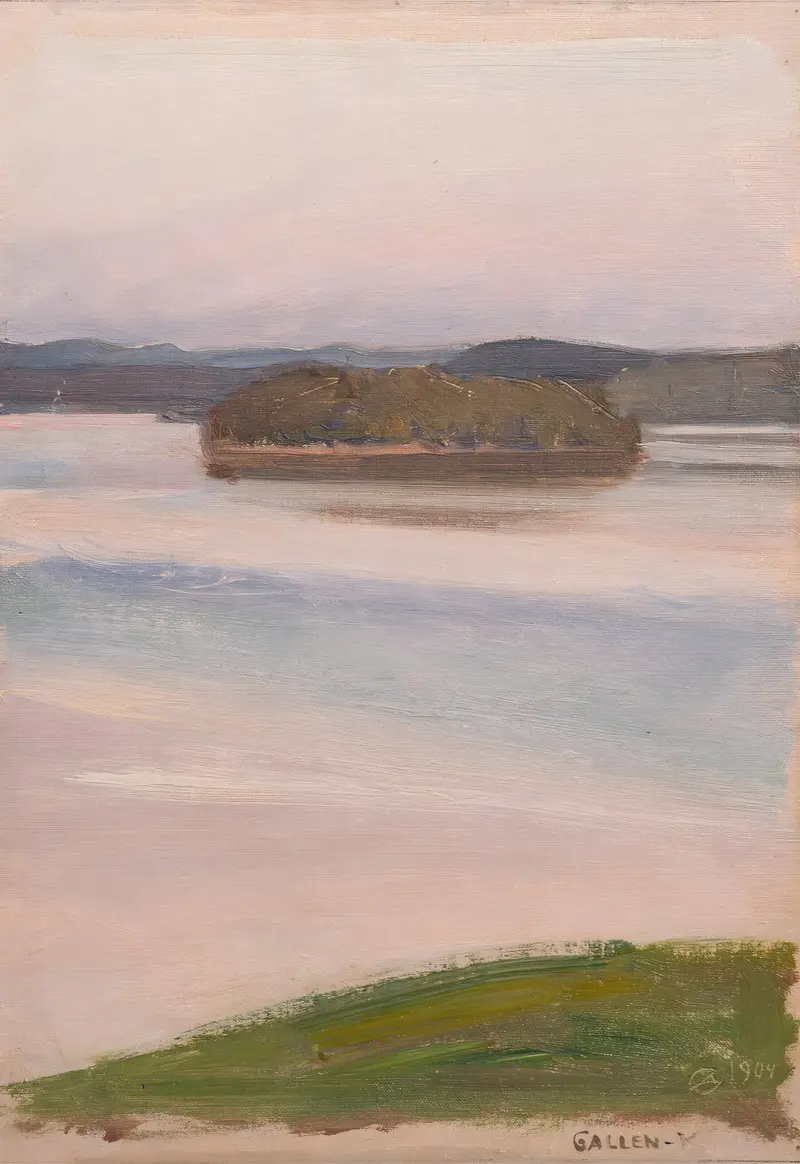
Lake Keitele
Akseli Gallen-Kallela
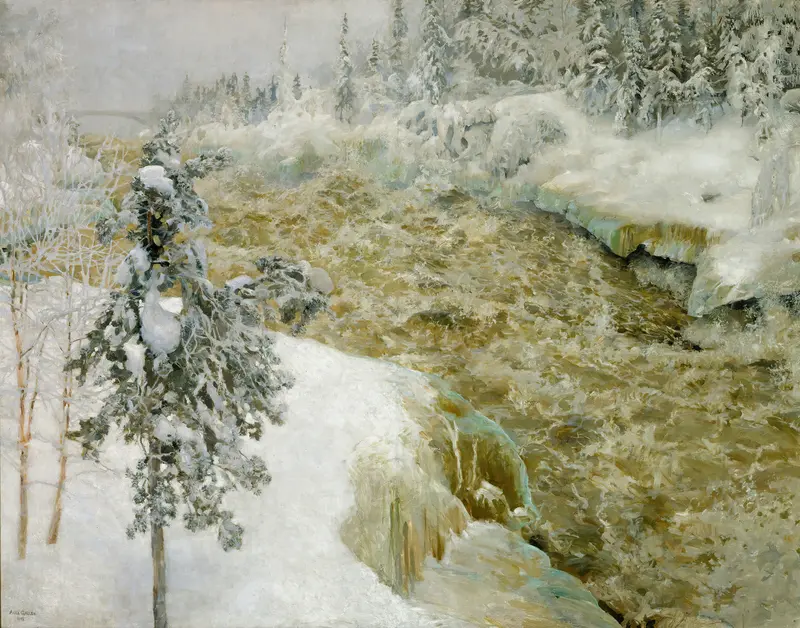
Imatra Falls in Snow ; Imatra in Winter
Akseli Gallen-Kallela
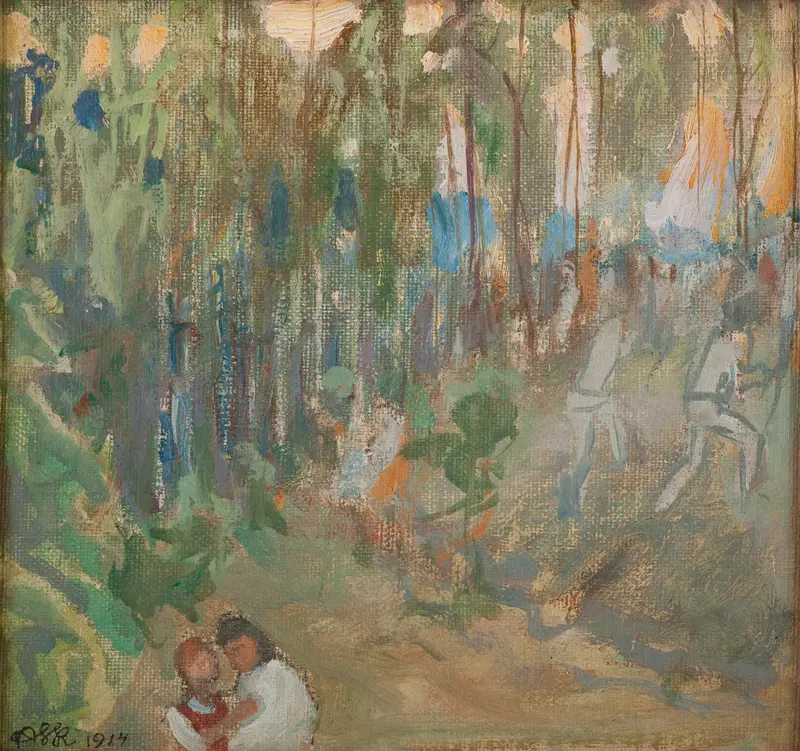
Vainovalkeat
Akseli Gallen-Kallela
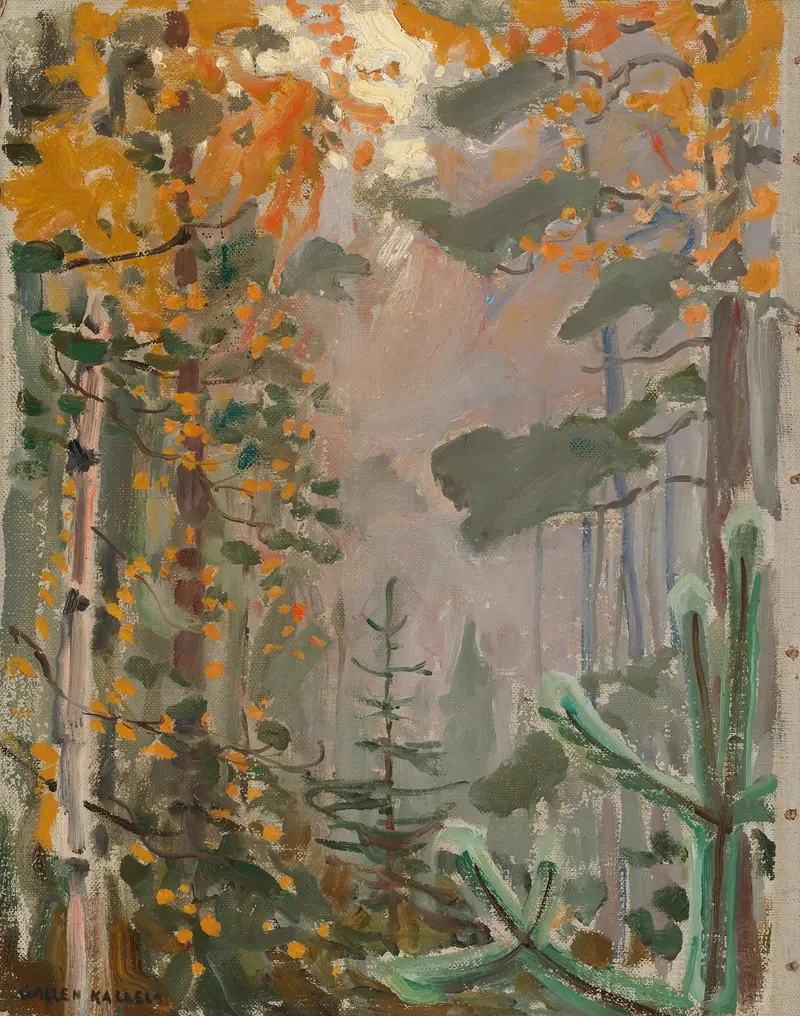
Autumn Landscape
Akseli Gallen-Kallela
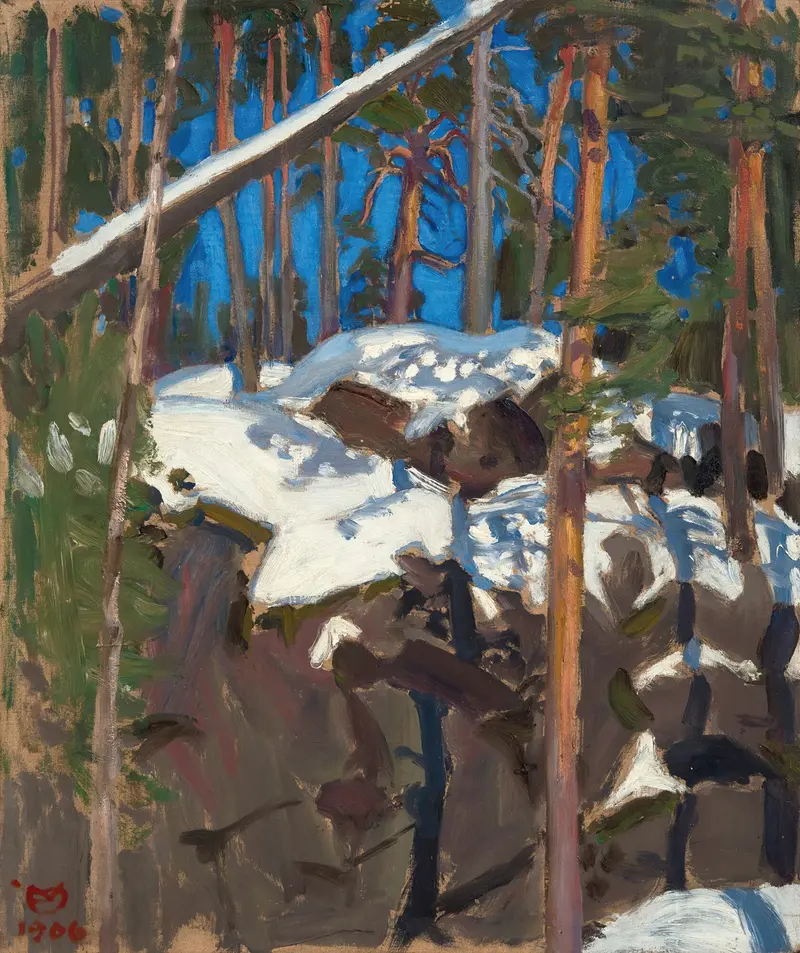
Spring Sun At Konginkangas
Akseli Gallen-Kallela
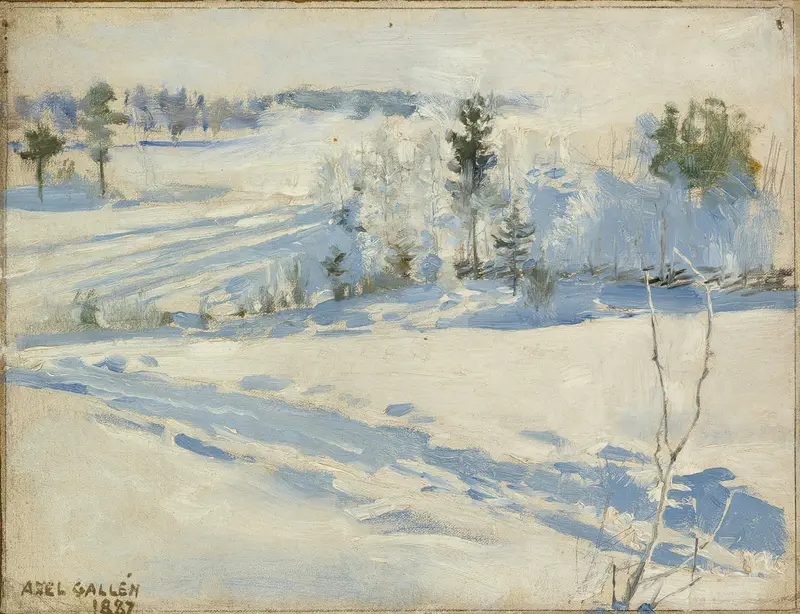
Winter Landscape
Akseli Gallen-Kallela

First Snow
Akseli Gallen-Kallela

Lake View In Autumn
Akseli Gallen-Kallela
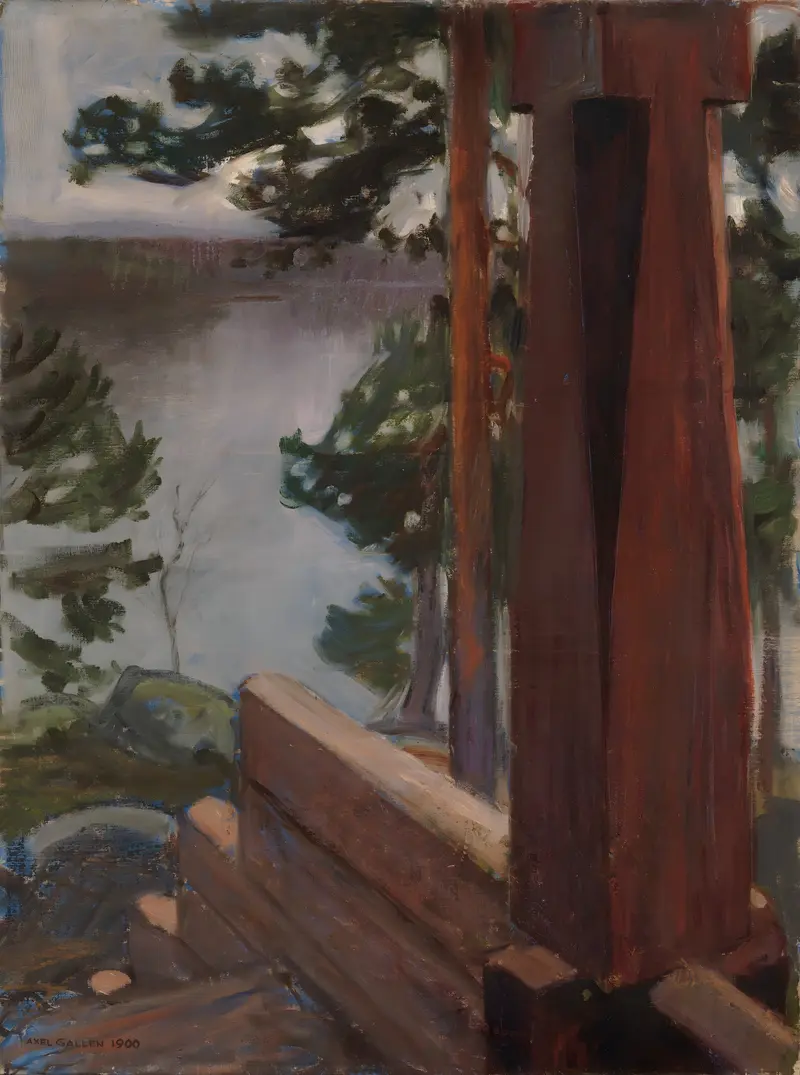
The Kalela Porch
Akseli Gallen-Kallela

Light Behind The Clouds
Akseli Gallen-Kallela





