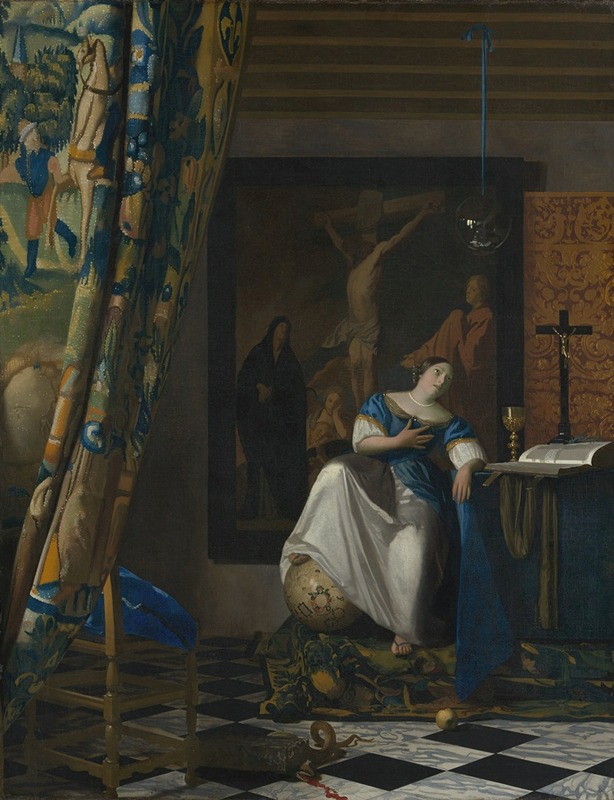
Het Laatste Oordeel en personificaties van Kracht (Fortitudo) en IJdelheid (Vanitas) — History & Facts
Who listens when art speaks of silence? In the stillness of Het Laatste Oordeel en personificaties van Kracht (Fortitudo) en IJdelheid (Vanitas), legacy unfolds through imagery, whispering of lives once lived and the weight of moral choices. Look closely at the central figures, the personifications of Strength and Vanity. Notice how the soft glow of light envelops Fortitudo, casting her in a divine aura, while the shadows cling tightly to the gaudy adornments of Vanitas. The artist’s deft use of rich, muted colors creates a stark contrast between the two; the strength resonates with earthy tones, while the vanity glimmers in silvery highlights.
This deliberate choice captures the essence of their natures—one grounded in virtue, the other ensnared by superficiality. Embedded within this composition are tensions of mortality and moral integrity. The juxtaposition of the tranquil figure of Fortitudo against the decadent, yet hollow, allure of Vanitas emphasizes the eternal struggle between inner strength and outward appearances. Each detail, from the twisted vines of decay that flirt with Vanitas to the resolute stance of Fortitudo, speaks to a larger narrative of human experience—a reminder that life’s fleeting nature gives way to a legacy defined by choices made in silence. Jacob Cornelisz van Oostsanen painted this work between 1528 and 1532 in Amsterdam, during a time when Northern Renaissance art flourished.
As the Protestant Reformation stirred religious and cultural upheaval, his work reflected evolving values, grappling with themes of morality and human behavior. This piece stands as a testament to that complex dialogue, illuminating the paradoxes of existence through masterful artistry.
More Artworks by Jacob Cornelisz van Oostsanen
Browse all →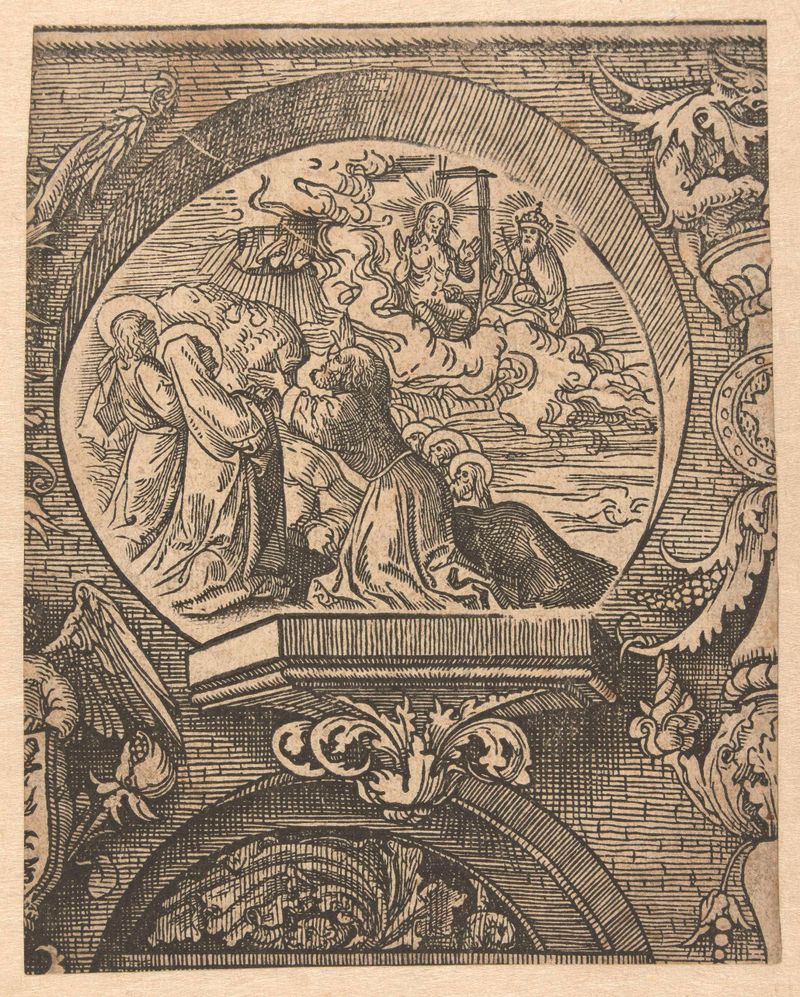
De hemelvaart en Christus voor God de Vader
Jacob Cornelisz van Oostsanen
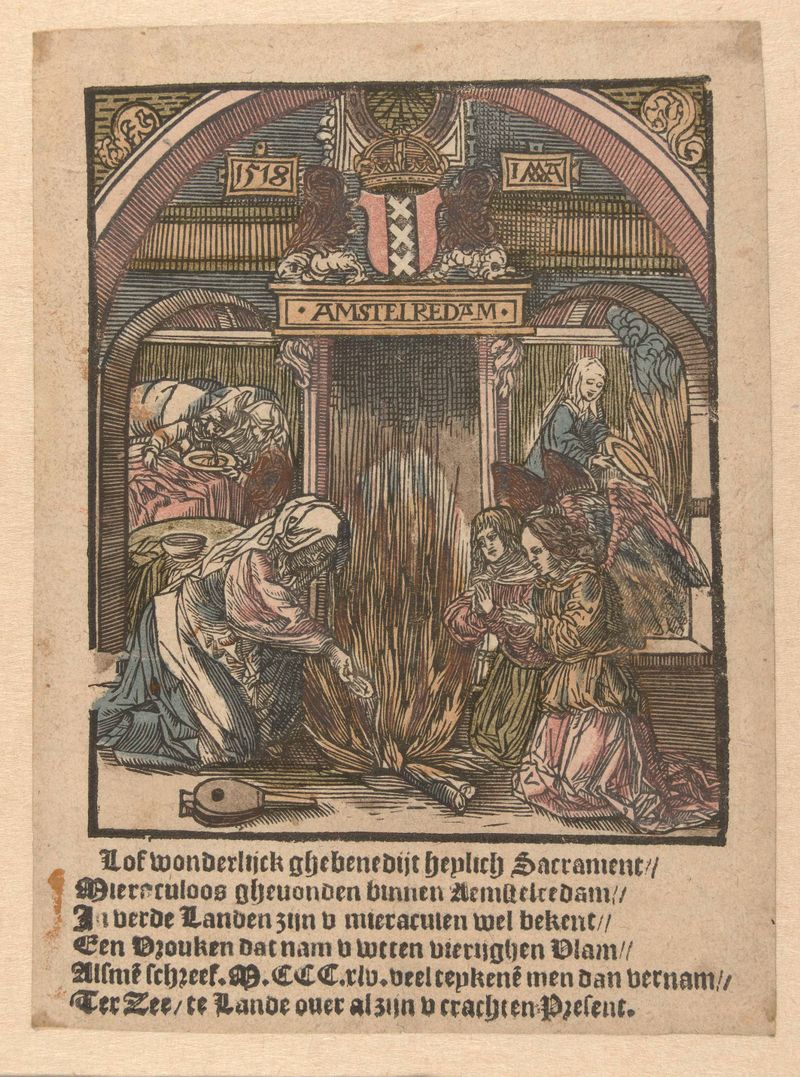
Het hostiewonder van Amsterdam
Jacob Cornelisz van Oostsanen
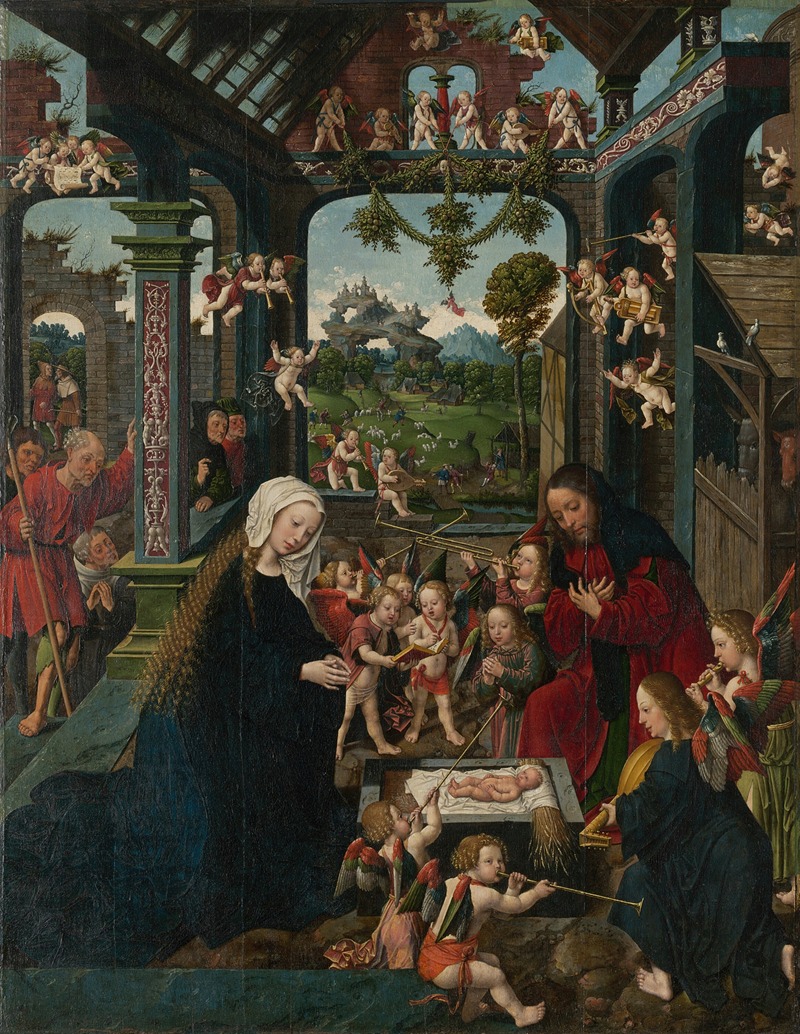
The Adoration of the Christ Child
Jacob Cornelisz van Oostsanen
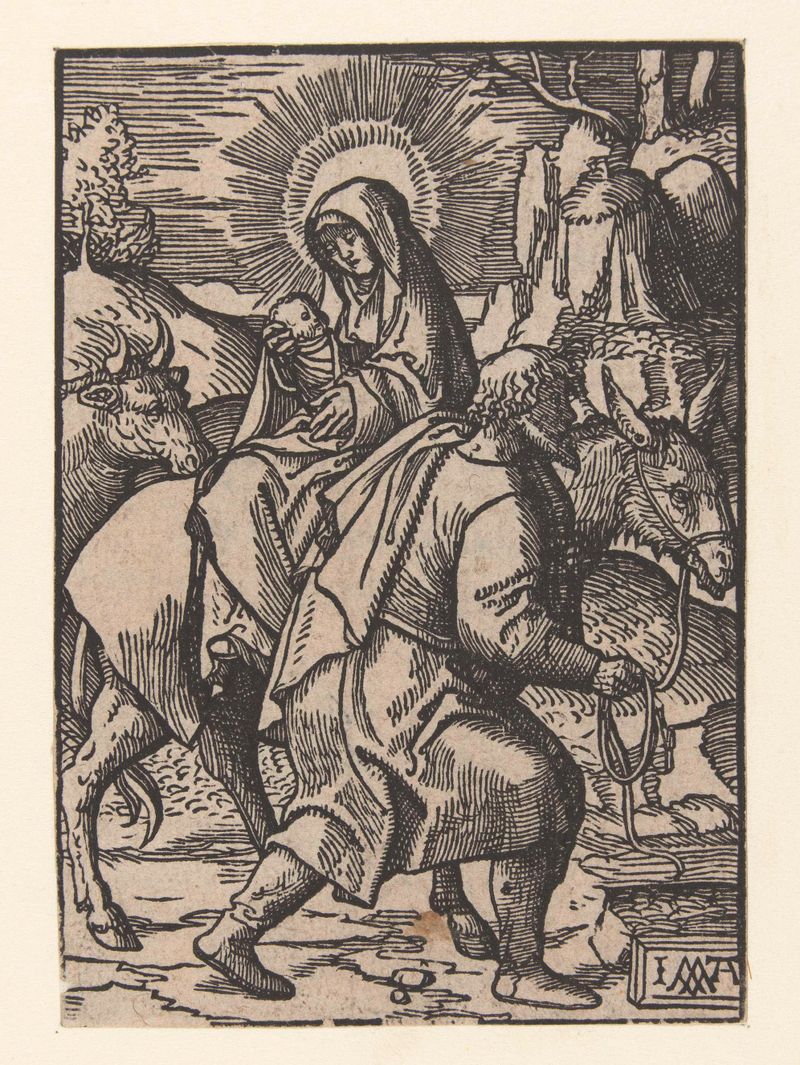
Vlucht naar Egypte
Jacob Cornelisz van Oostsanen
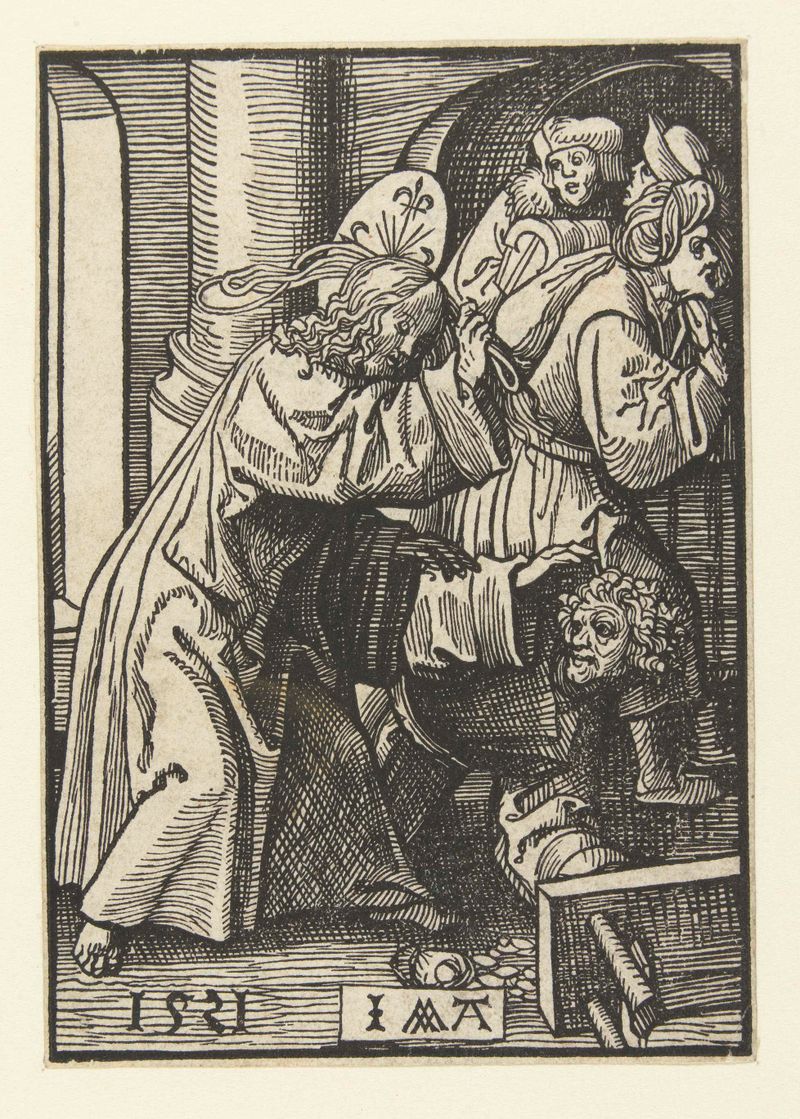
Verdrijving van de handelaren uit de tempel
Jacob Cornelisz van Oostsanen
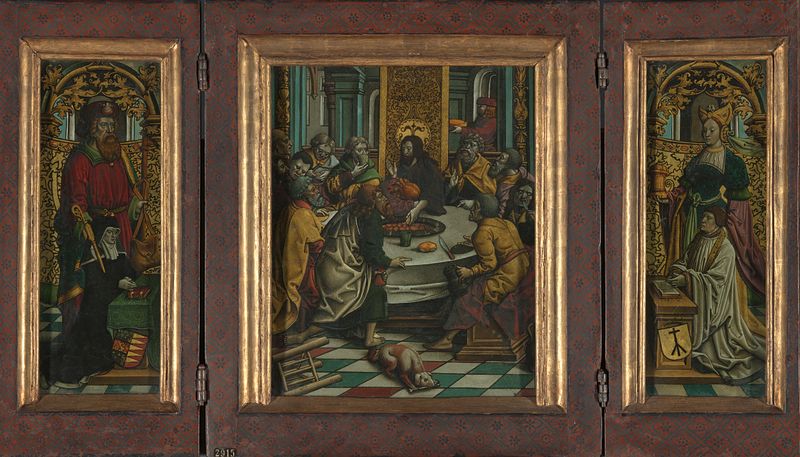
Triptych with the Last Supper and Donors
Jacob Cornelisz van Oostsanen
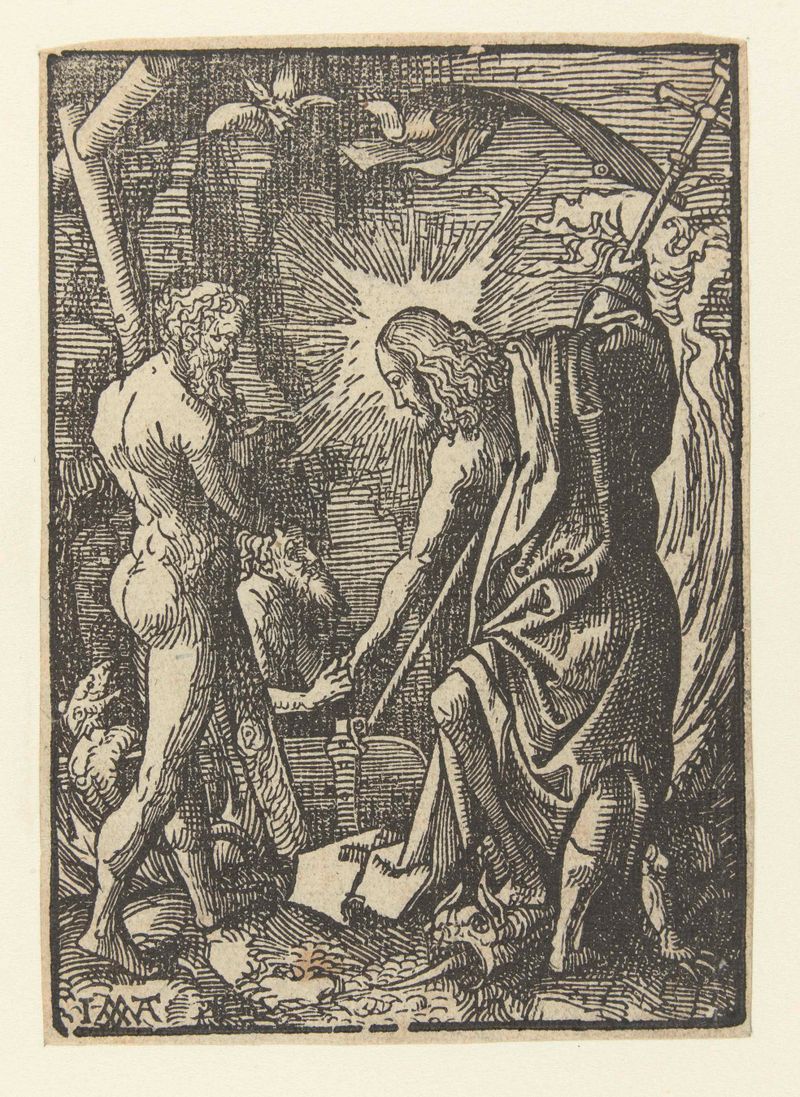
Christus in het voorgeborchte
Jacob Cornelisz van Oostsanen
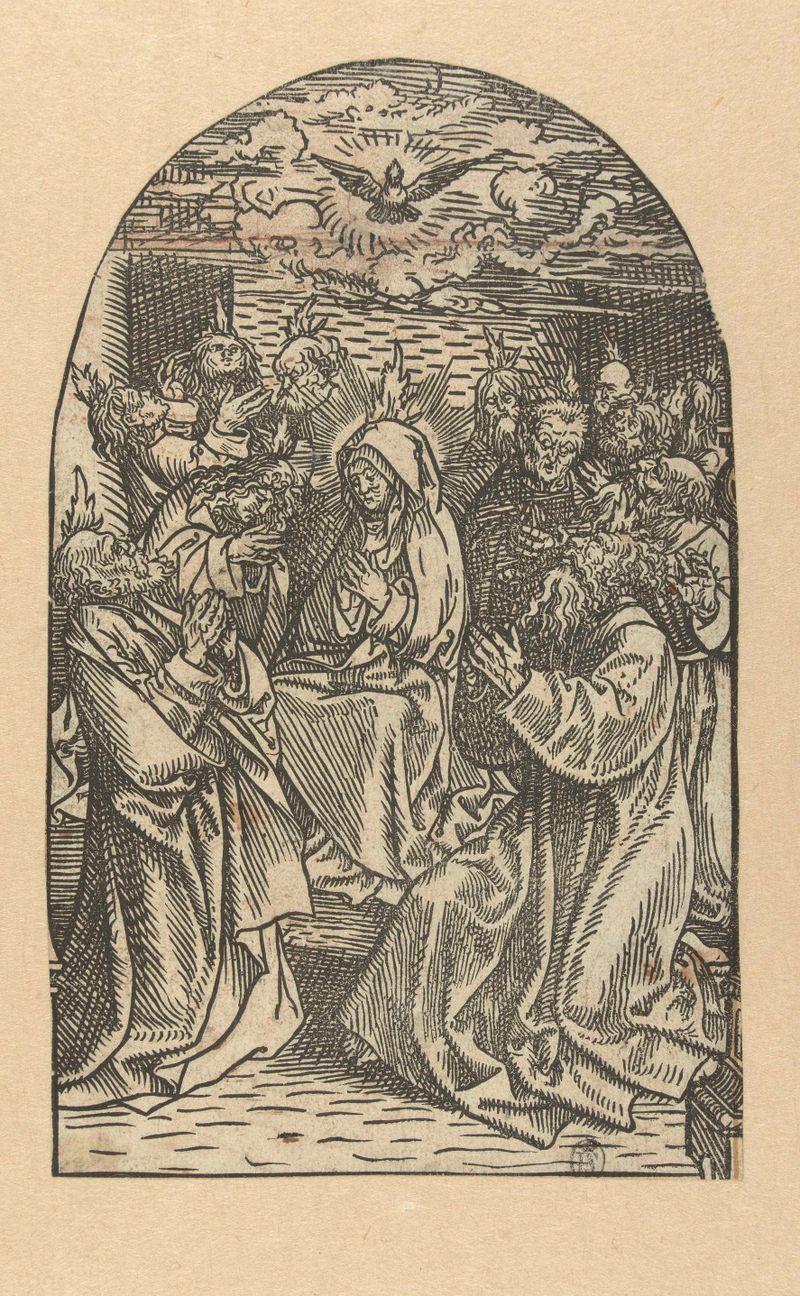
Uitstorting van de Heilige Geest
Jacob Cornelisz van Oostsanen
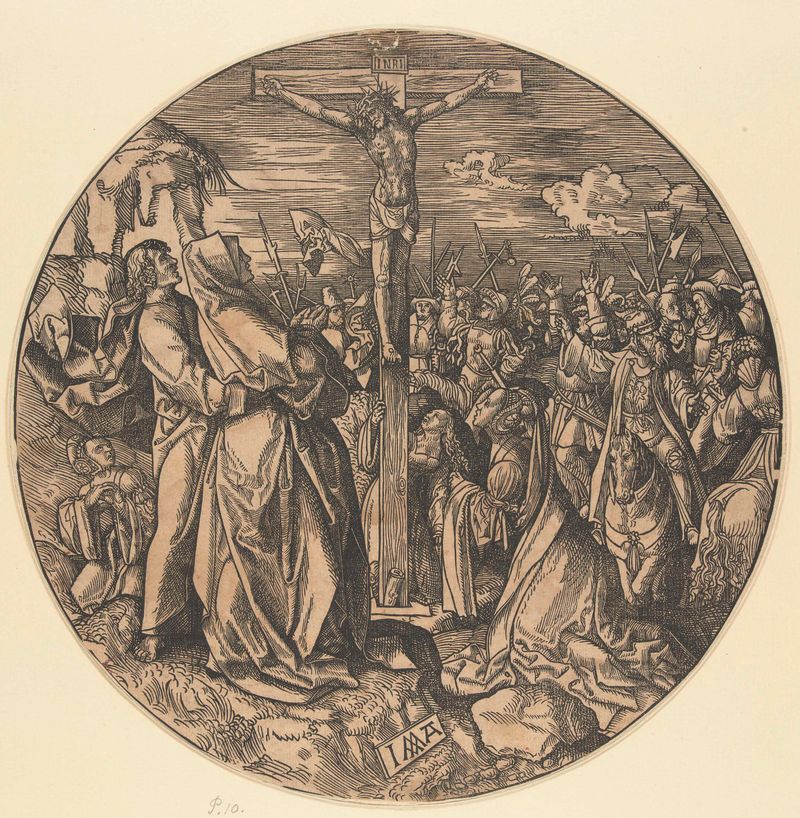
Christus aan het kruis
Jacob Cornelisz van Oostsanen

De kruisiging en de graflegging van Christus
Jacob Cornelisz van Oostsanen