
Highlander's Family — History & Facts
What first draws the eye in Highlander's Family is the way each figure seems caught between worlds—one man upright and alert, another seated and lost in the child on his knee, a woman half-turned away in the shadows. The light, filtered and warm, falls most gently on the child and the older man's silver hair, guiding us to the heart of the scene: a moment of quiet intimacy, ringed by the watchful presence of kin. The palette is earthy and subdued, the brushwork loose and unfinished at the edges, as if the memory of this gathering is still forming.
Every gesture feels weighted with unspoken ties—the younger man's hand resting on his belt, the older man's protective hunch, the woman's retreat into the background. The architecture, barely sketched, frames them in a space that feels both private and provisional. Painted in 1869, this work by Aleksander Kotsis belongs to a period when artists across Central and Eastern Europe turned their gaze to the everyday lives of rural families, seeking dignity and drama in humble interiors. Such paintings were often created for a rising urban audience, hungry for images of national character and the rhythms of peasant life.
While history has kept few traces of this particular canvas beyond its home in The National Museum in Kraków, its subject and style speak to the era’s fascination with authenticity and belonging. In the uncertain glow of the room, the viewer is left to wonder what has just passed, and what will come next—a family’s story, paused in the half-light.
More Artworks by Aleksander Kotsis

Trip in the Tatra Mountains
Aleksander Kotsis

Fair in Nowy Targ
Aleksander Kotsis
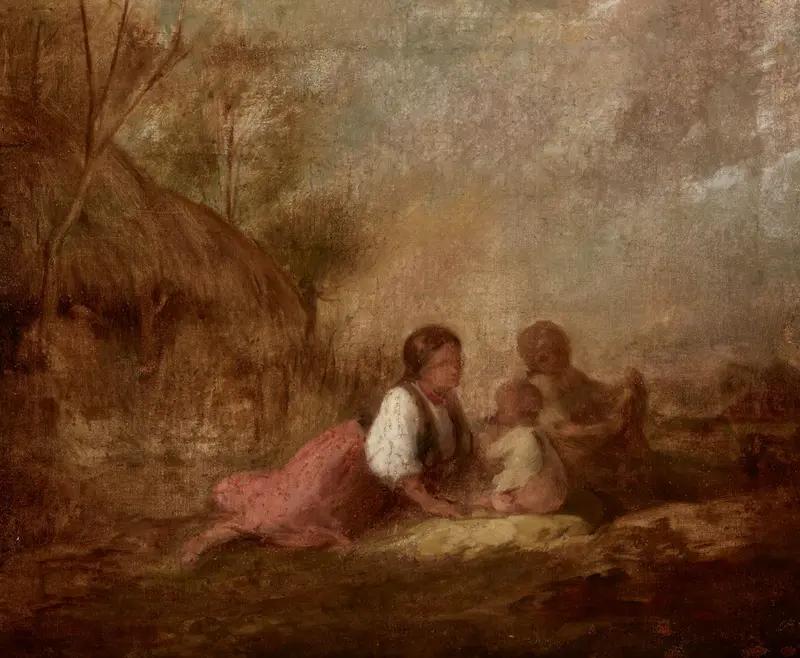
Pastoral Scene
Aleksander Kotsis
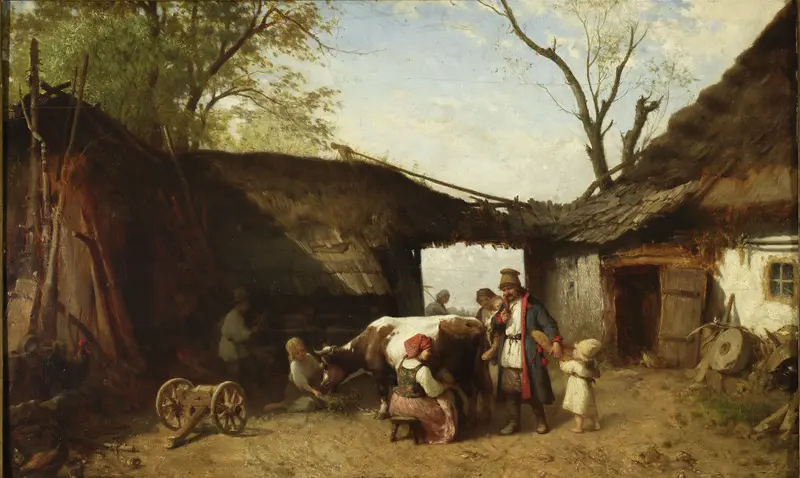
In the farmyard
Aleksander Kotsis
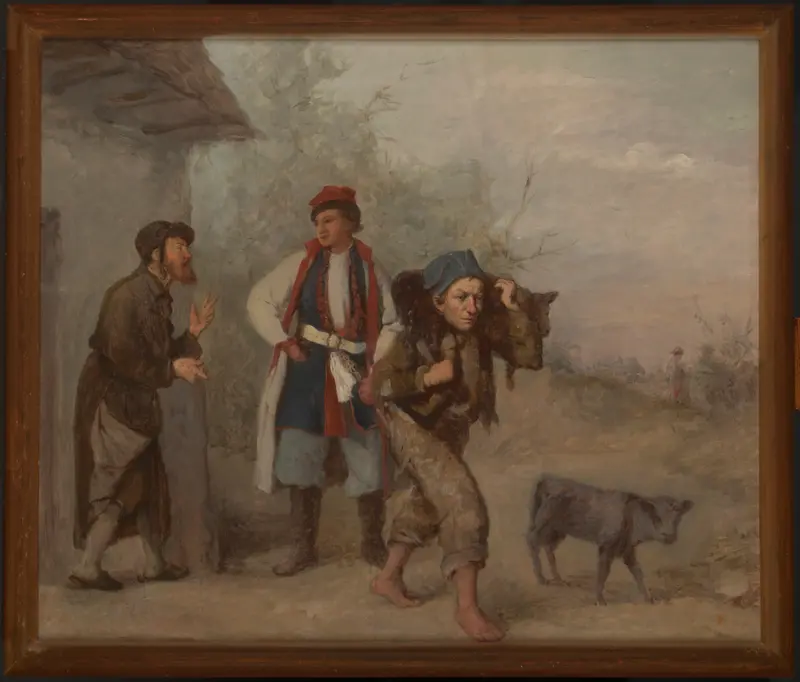
Haggling over a Calf
Aleksander Kotsis
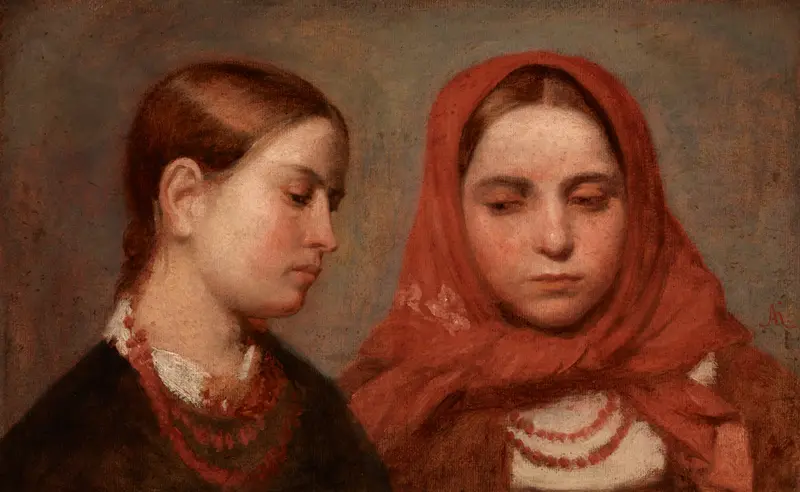
Heads of Two Young Girls
Aleksander Kotsis
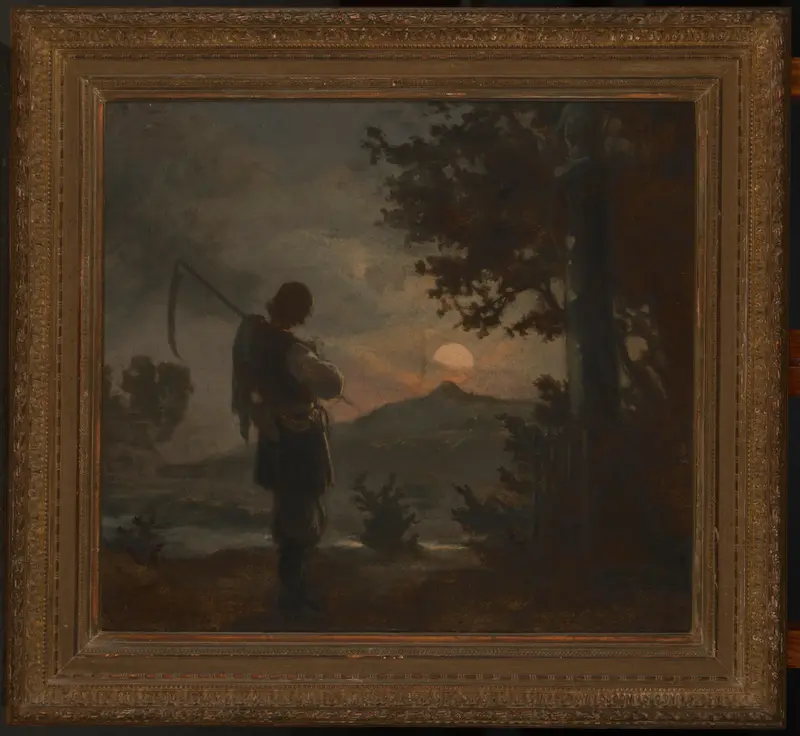
Haymaker
Aleksander Kotsis
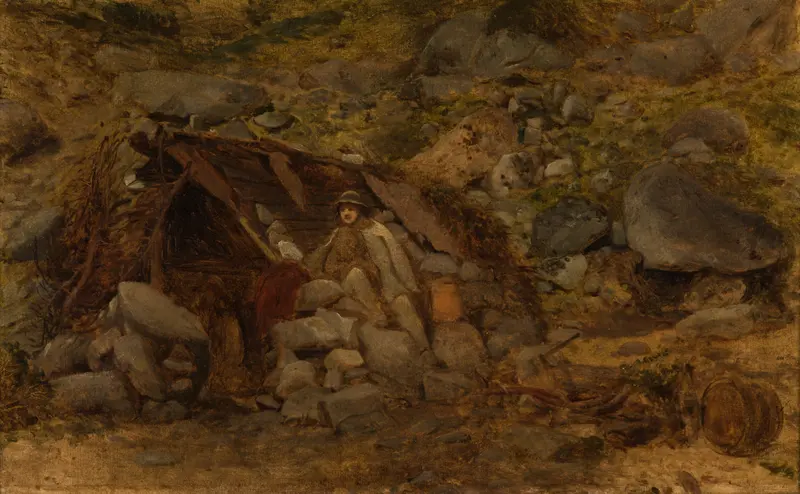
Highlander in Front of a Hut
Aleksander Kotsis
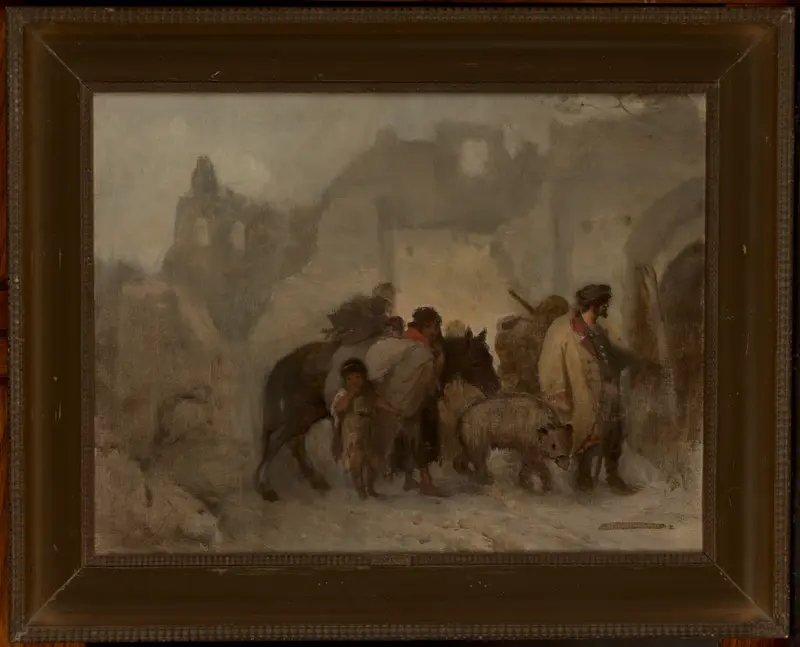
Gypsies
Aleksander Kotsis
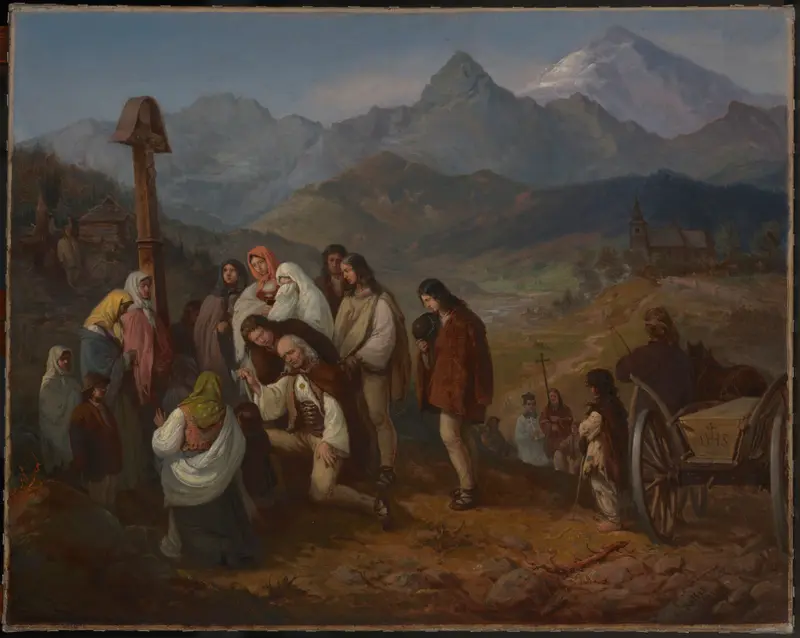
A Highlander's Funeral
Aleksander Kotsis
More Genre Scene Art

Banquet of the Officers of the St George Civic Guard
Frans Hals

Rembrandt and Saskia in the Scene of the Prodigal Son
Rembrandt van Rijn

Bal du moulin de la Galette
Pierre-Auguste Renoir

Quadrille at the Moulin Rouge
Henri de Toulouse-Lautrec

A Burial at Ornans
Gustave Courbet

When Will You Marry?
Paul Gauguin