
Horse market — History & Facts
A restless white horse, nearly luminous against the muted browns and greys of the crowd and mountains, commands the center of Horse market by Aleksander Kotsis. Your eye is drawn first to the animal’s raised foreleg, the tension in its handler’s grip, and the way the light seems to break through the clouds just to catch its flank. Around them, figures cluster in anticipation or negotiation, their faces blurred but their postures unmistakably intent.
In the background, rough wooden buildings and distant peaks enclose the scene, making the market feel both public and intimate—a crossroads of commerce and community. The palette, heavy with earth and shadow, seems to hold the dust and murmur of a real day, while the brushwork keeps the moment alive and unsettled. Painted between the early 1860s and 1875, this work belongs to a period when scenes of rural life and local markets were not only a record of everyday existence but also a statement of national identity, especially in Central and Eastern Europe. Artists like Kotsis often turned to such subjects to capture the dignity and drama of ordinary people, at a time when industrialization and political upheaval threatened to erase traditional ways.
Today, Horse market resides in the National Museum in Warsaw, a reminder of how much history can be found in a single exchange, a single animal’s wary step. Let your gaze linger on the figures at the edge—half in shadow, half in light—and imagine the stories that might unfold if you could step into the dust with them.
More Artworks by Aleksander Kotsis

Trip in the Tatra Mountains
Aleksander Kotsis

Fair in Nowy Targ
Aleksander Kotsis
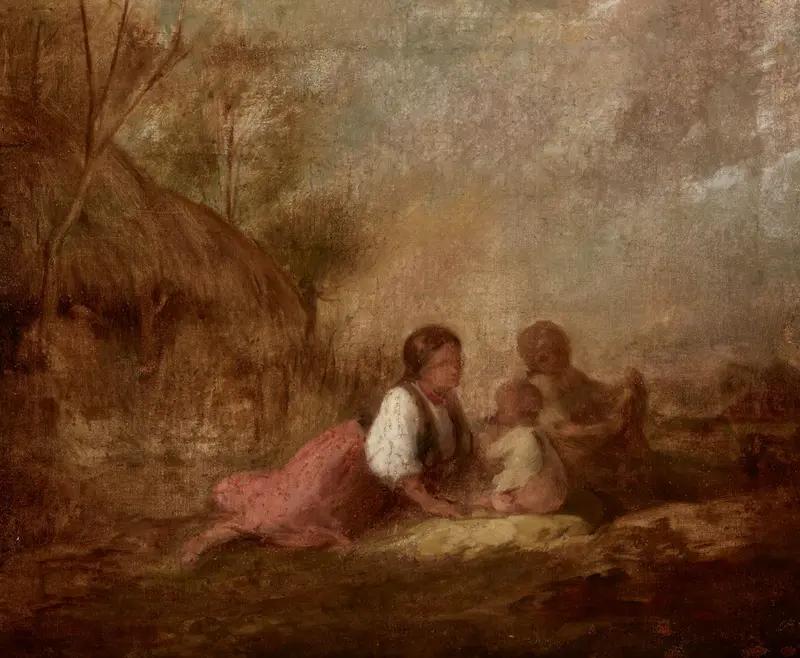
Pastoral Scene
Aleksander Kotsis
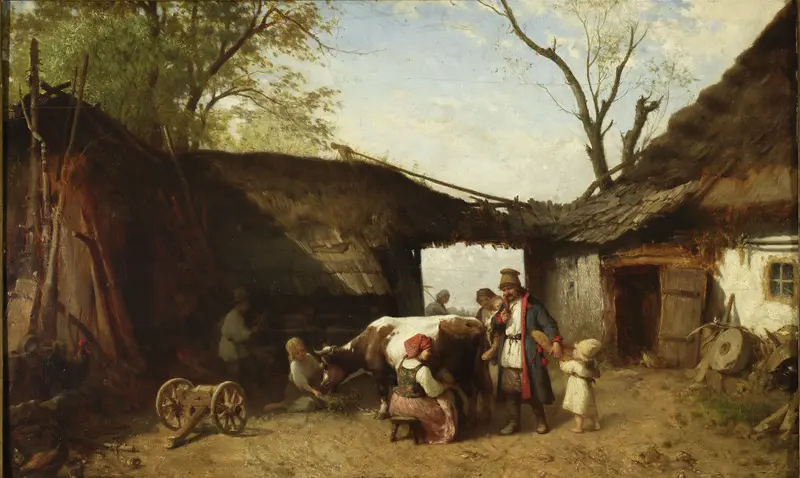
In the farmyard
Aleksander Kotsis
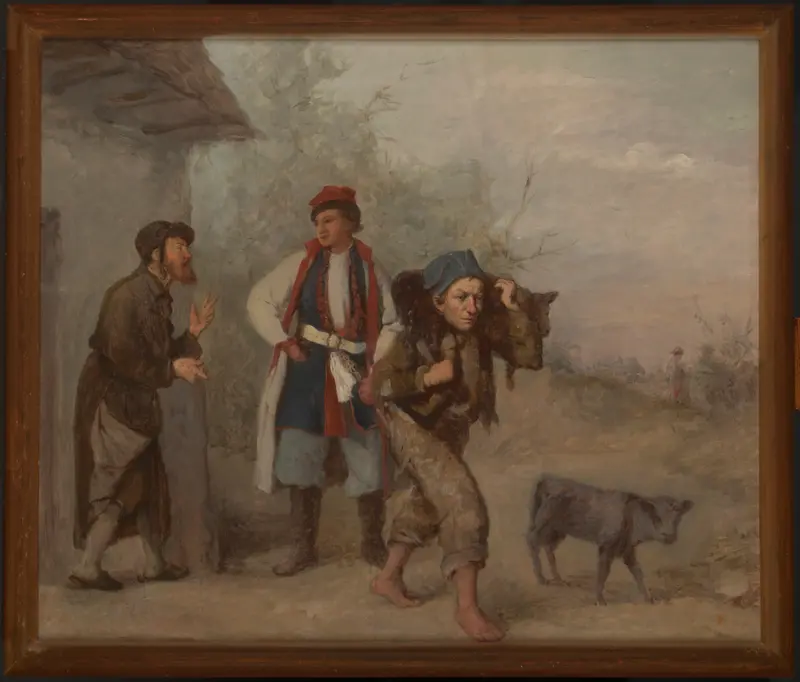
Haggling over a Calf
Aleksander Kotsis
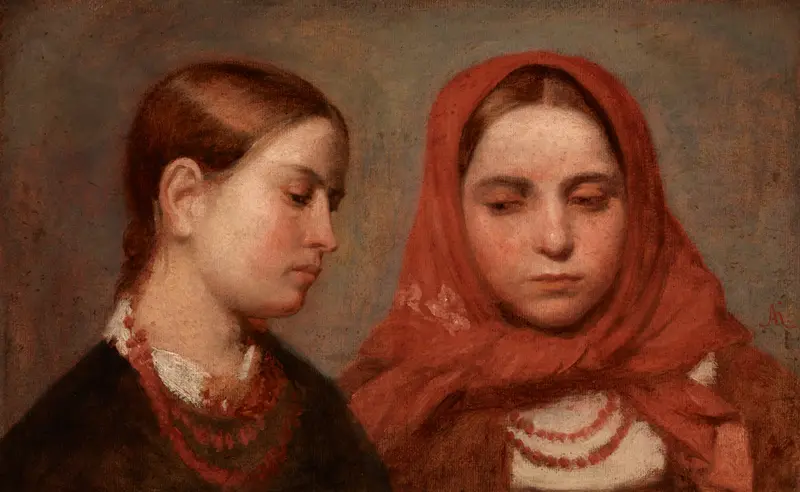
Heads of Two Young Girls
Aleksander Kotsis
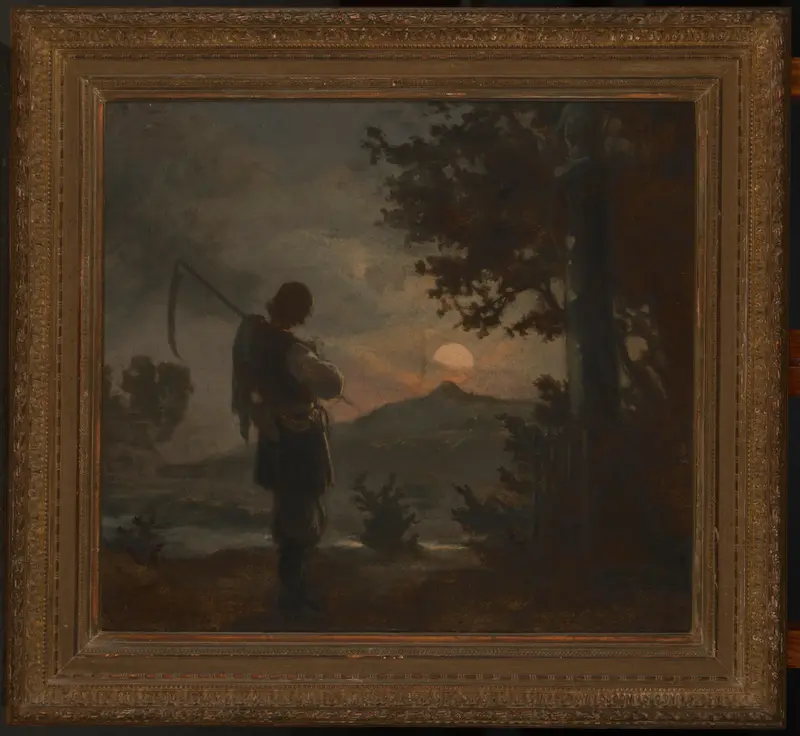
Haymaker
Aleksander Kotsis
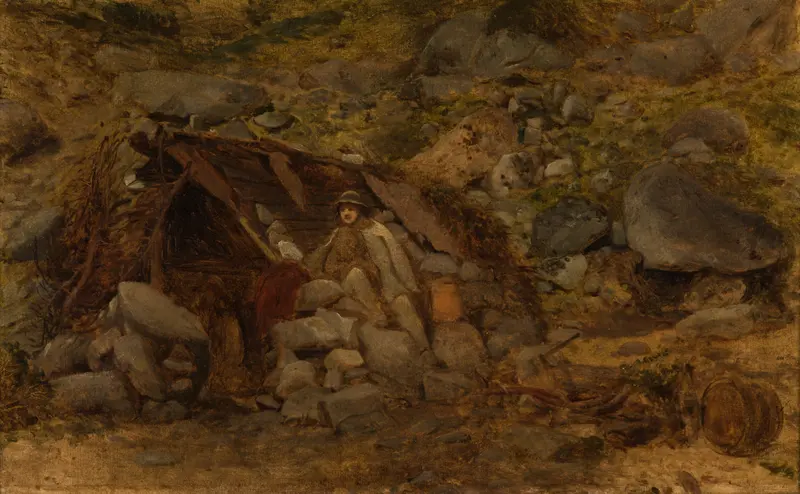
Highlander in Front of a Hut
Aleksander Kotsis
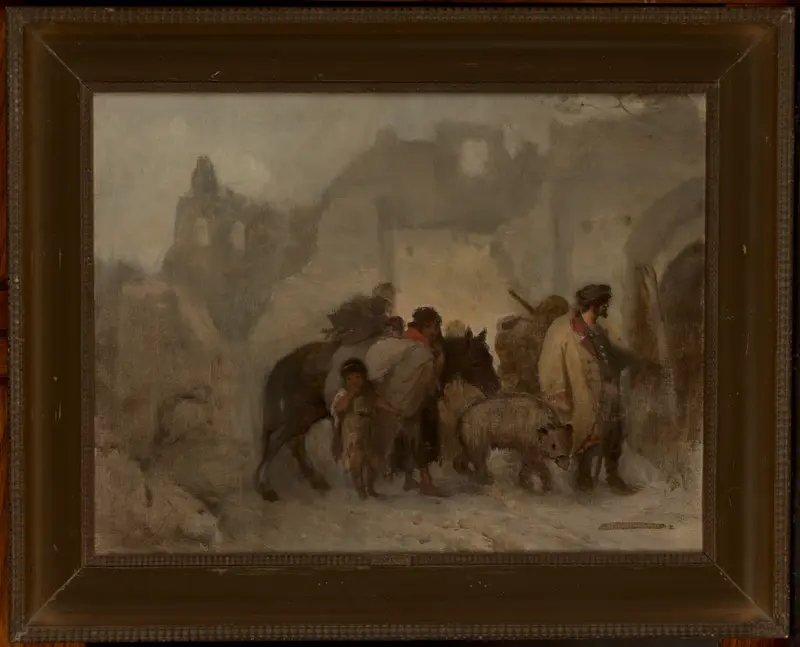
Gypsies
Aleksander Kotsis
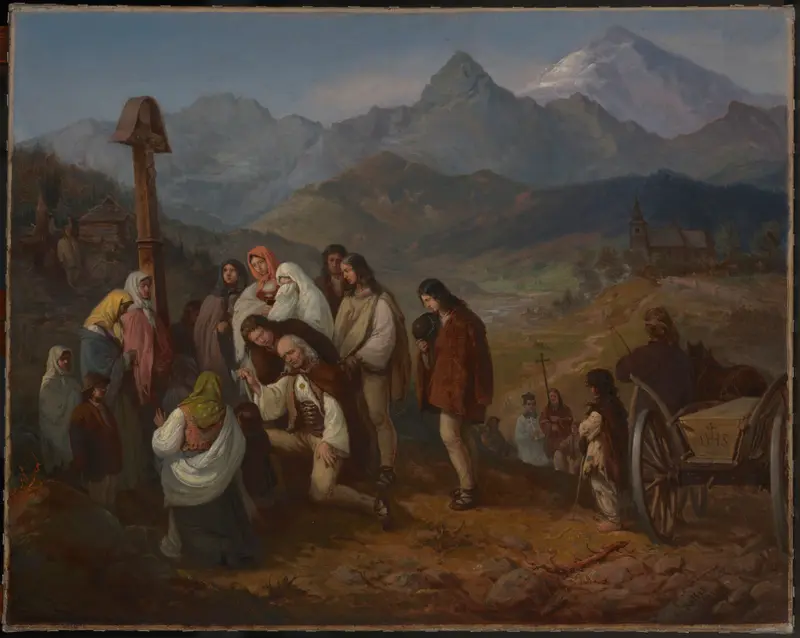
A Highlander's Funeral
Aleksander Kotsis
More Genre Scene Art

Banquet of the Officers of the St George Civic Guard
Frans Hals

Rembrandt and Saskia in the Scene of the Prodigal Son
Rembrandt van Rijn

Bal du moulin de la Galette
Pierre-Auguste Renoir

Quadrille at the Moulin Rouge
Henri de Toulouse-Lautrec

A Burial at Ornans
Gustave Courbet

When Will You Marry?
Paul Gauguin