
Hovel on the Hill — History & Facts
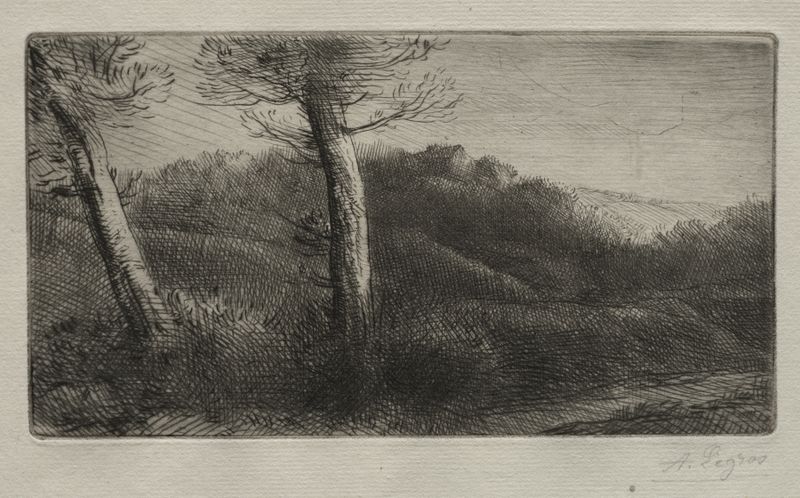
In the stillness of time, beauty reveals itself in unexpected forms, urging us to look closer, to understand more. Notice how the muted, earthy tones in the foreground draw your gaze to the hovel standing resolute on the slope. The rough texture of the brushstrokes evokes the humble materials of the dwelling, while the gentle play of light and shadow breathes life into the scene. Look closely at the sky above, where soft, diffused clouds filter the sunlight, creating a serene ambiance that envelops the entire composition, inviting reflection. The painting juxtaposes the simplicity of rural life against the vastness of nature.
The hovel, a symbol of human resilience, stands firm amidst the expansive landscape, embodying both isolation and comfort. The softened outlines suggest a sense of nostalgia, prompting viewers to contemplate the fleeting nature of existence versus the enduring essence of home. It whispers of stories untold, lives lived quietly, and the profound beauty that resides in modesty. During the late 19th century, Legros created this piece while living in England, where he engaged with the broader arts community.
This period marked a growing interest in realism, capturing everyday life with an unembellished eye. As an artist influenced by his French roots and the changing tides of the art world, he sought to convey the beauty in the ordinary, elevating the overlooked aspects of life to a place of honor on the canvas.
More Artworks by Alphonse Legros
Browse all →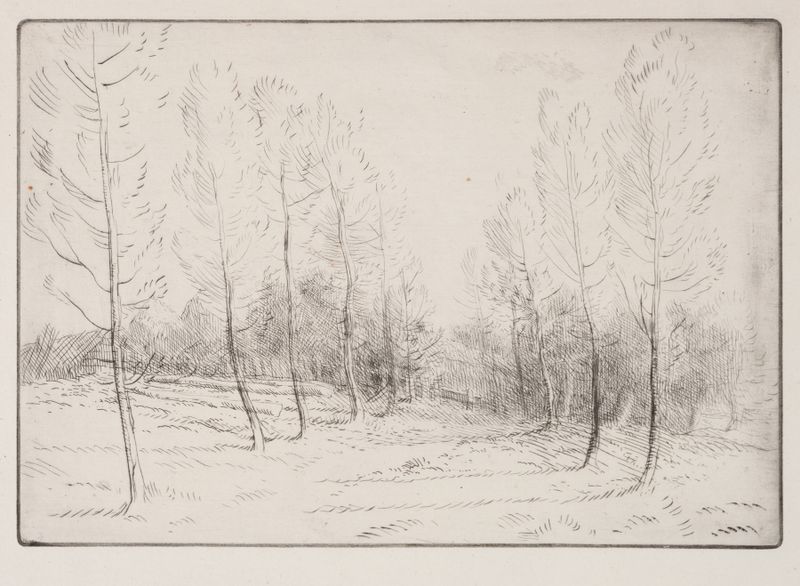
Avenue of Poplars
Alphonse Legros
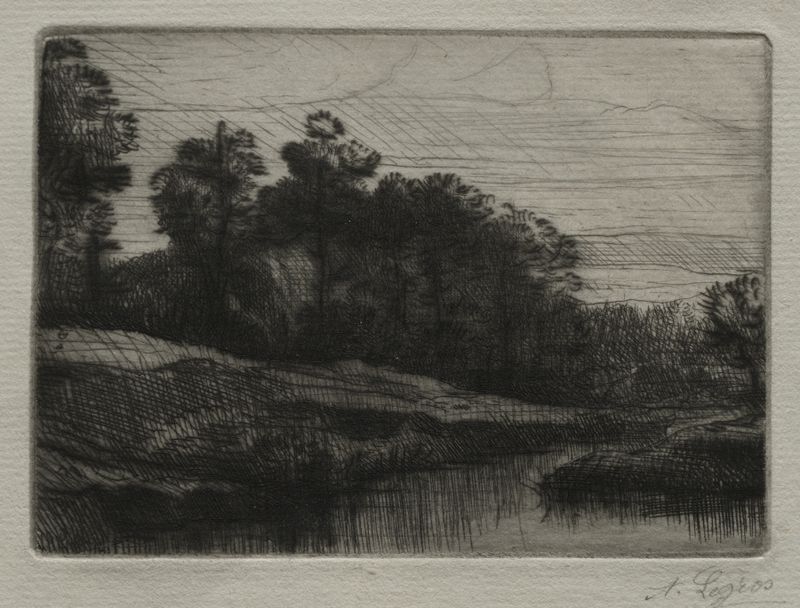
Evening
Alphonse Legros

The Fish in the Hoop Net
Alphonse Legros

The Little Beggar
Alphonse Legros
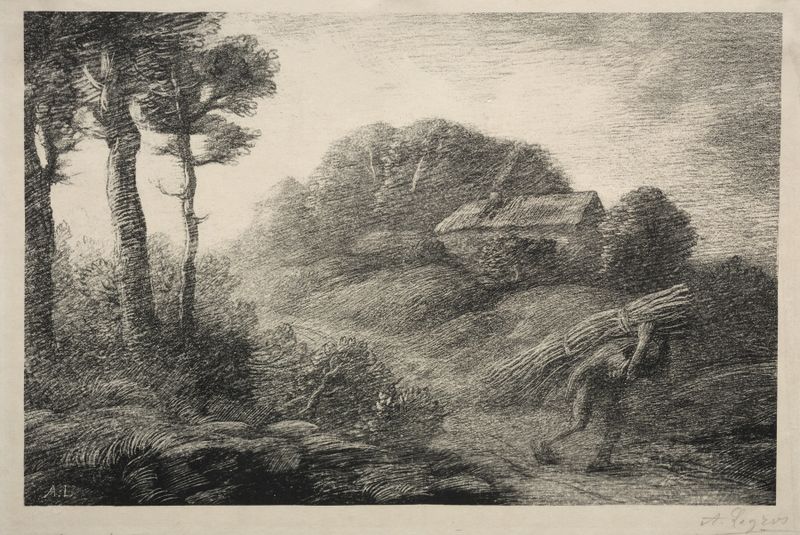
The Return of the Fagot Gatherer
Alphonse Legros

Storm
Alphonse Legros
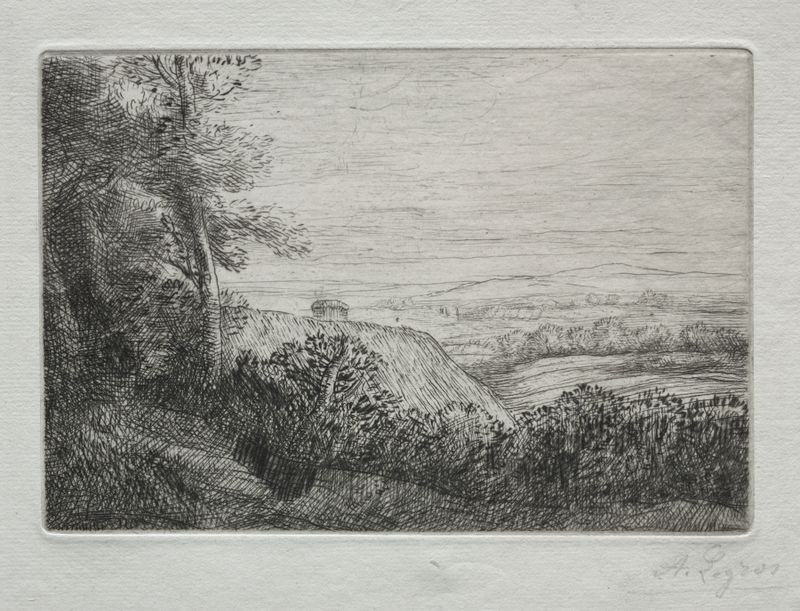
Les dernière Rayons de Soleil
Alphonse Legros
The Traveler Stretched out on the Grass
Alphonse Legros
Guard House
Alphonse Legros

Death of a Vagabond
Alphonse Legros





