
How Reynard reconsiders and then receives Brown kindly and tells him about the honey — History & Facts
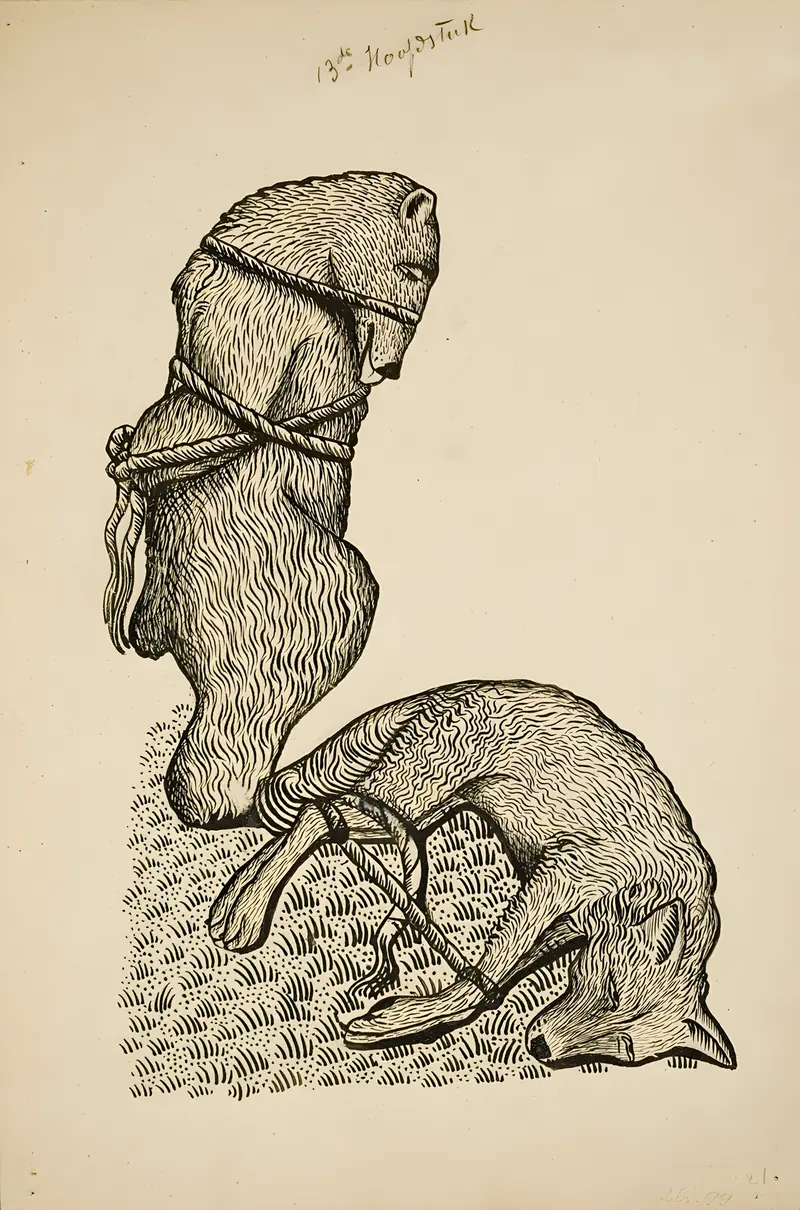
Few paintings capture the sly wit of medieval animal fables as keenly as How Reynard reconsiders and then receives Brown kindly and tells him about the honey by Gustave Van de Woestijne. The artist, a leading figure of the early twentieth-century Flemish avant-garde, drew inspiration from the centuries-old Reynard the Fox tales—stories so influential that they were banned and celebrated in equal measure across Europe. The cunning fox Reynard, whose escapades lampooned the powerful and exposed hypocrisy, became a folk hero and a symbol of resistance against authority.
This particular episode, beloved by readers since the Middle Ages, is a moment of calculated hospitality and deception. In the scene, Reynard greets Brown the Bear with apparent warmth, his posture open and his eyes glinting with mischief. The fox gestures toward a patch of earth, promising hidden honey—a lure for the unsuspecting bear. Van de Woestijne’s brushwork lingers on the tension between the two animals: Reynard’s tail curves protectively around his body, while Brown’s massive paws hover between trust and suspicion.
The palette is earthy and subdued, lending the encounter a quiet menace. Unlike the riotous energy of Stephan Lochner’s fifteenth-century illustrations of the same tale, Van de Woestijne’s interpretation is intimate and psychological, focusing on the moment just before betrayal. The precise date and medium of this work remain uncertain, and its early provenance is not well documented—a common fate for many of Van de Woestijne’s narrative paintings. What is clear is that the artist returned to folkloric and literary sources throughout his career, weaving them into the fabric of Flemish modernism.
Today, How Reynard reconsiders and then receives Brown kindly and tells him about the honey stands as a testament to Van de Woestijne’s fascination with moral ambiguity and his ability to animate old stories for new audiences. Its journey from studio to gallery is still partly shrouded in mystery, but its place among the great animal fable paintings is secure.
More Artworks by Gustave Van de Woestijne
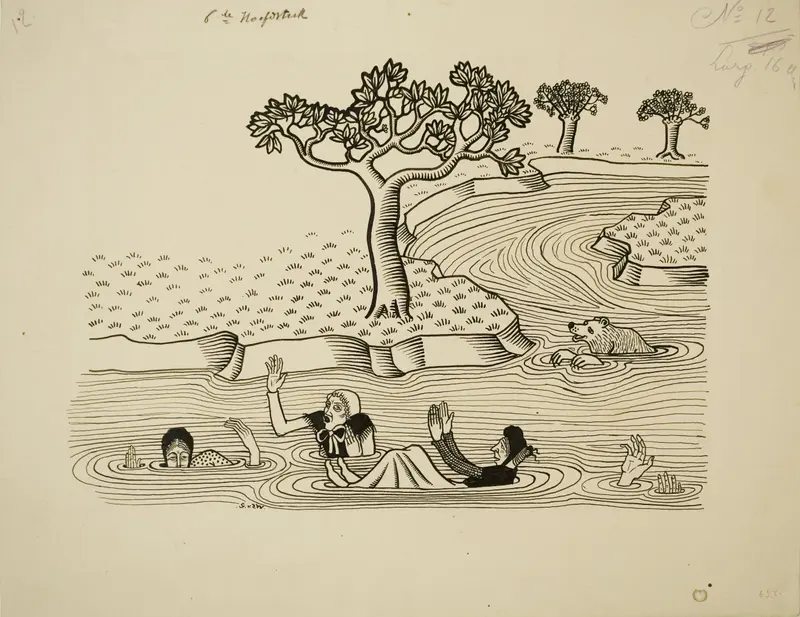
How Brown went out with Reynard where he thought he was eating honey and how he was caught by head and feet and suffered further misfortune
Gustave Van de Woestijne
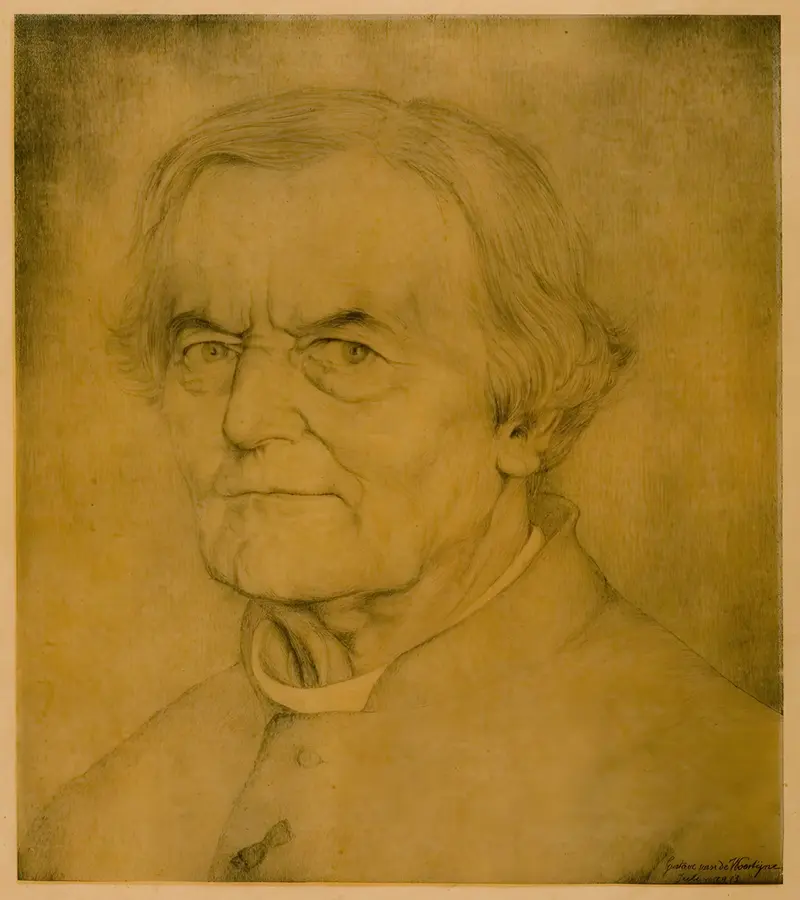
Portrait of Hugo Verriest
Gustave Van de Woestijne
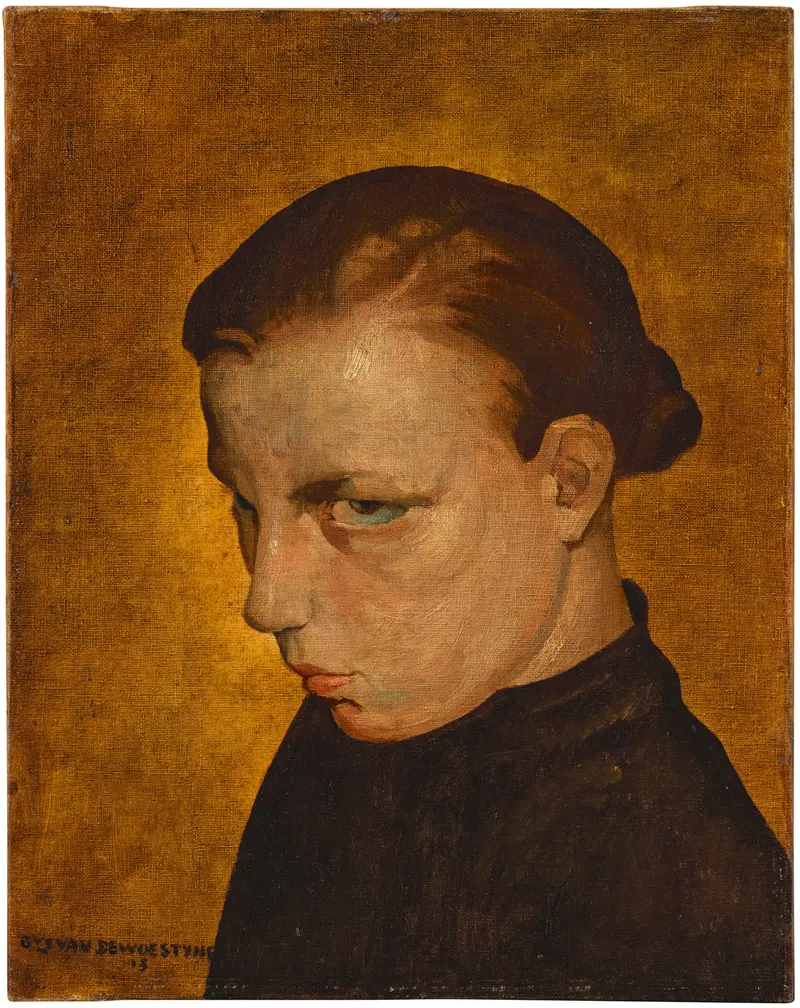
Angèle
Gustave Van de Woestijne
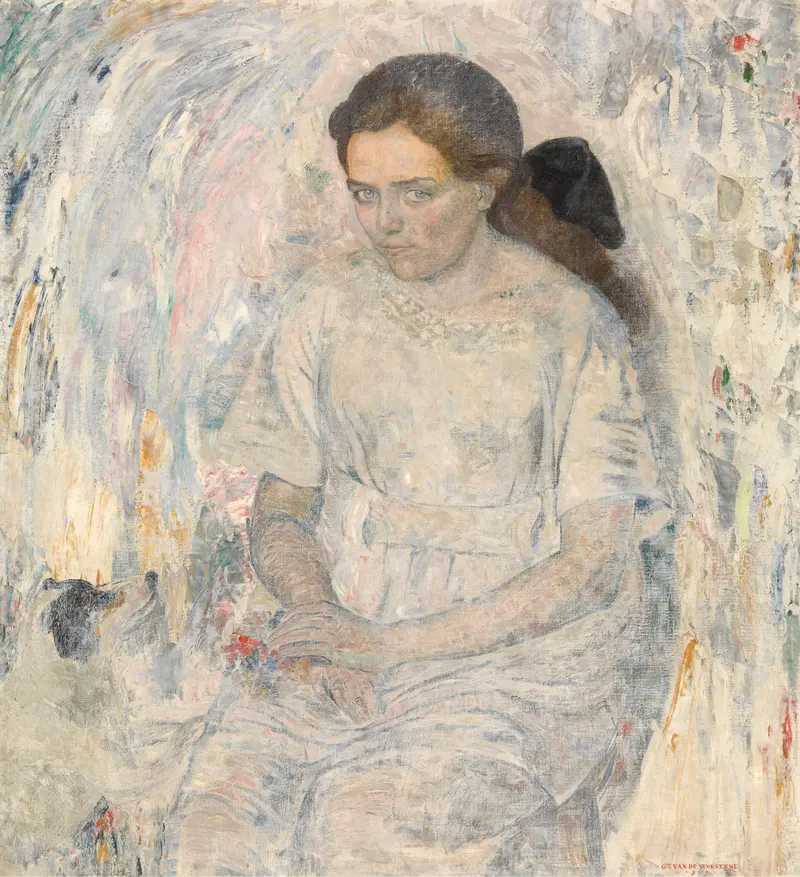
Adrienne
Gustave Van de Woestijne
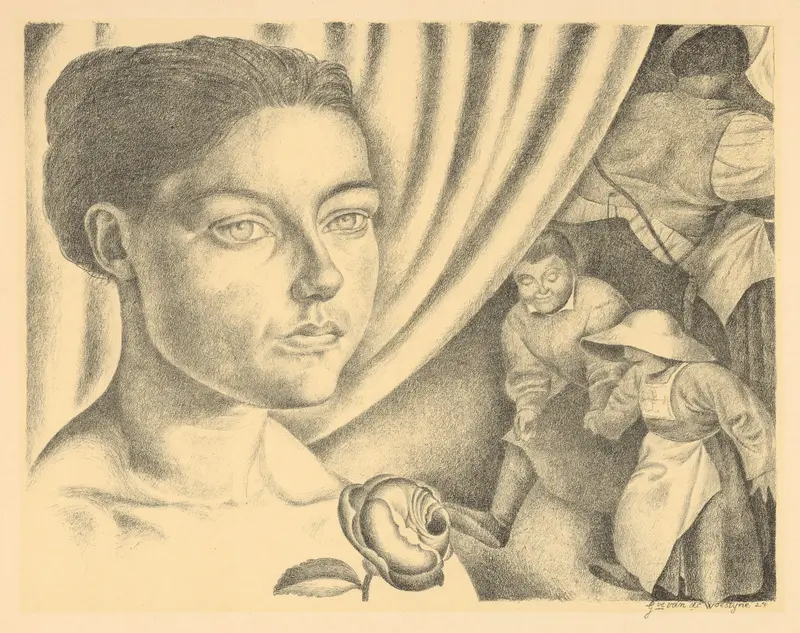
Jeune Femme
Gustave Van de Woestijne
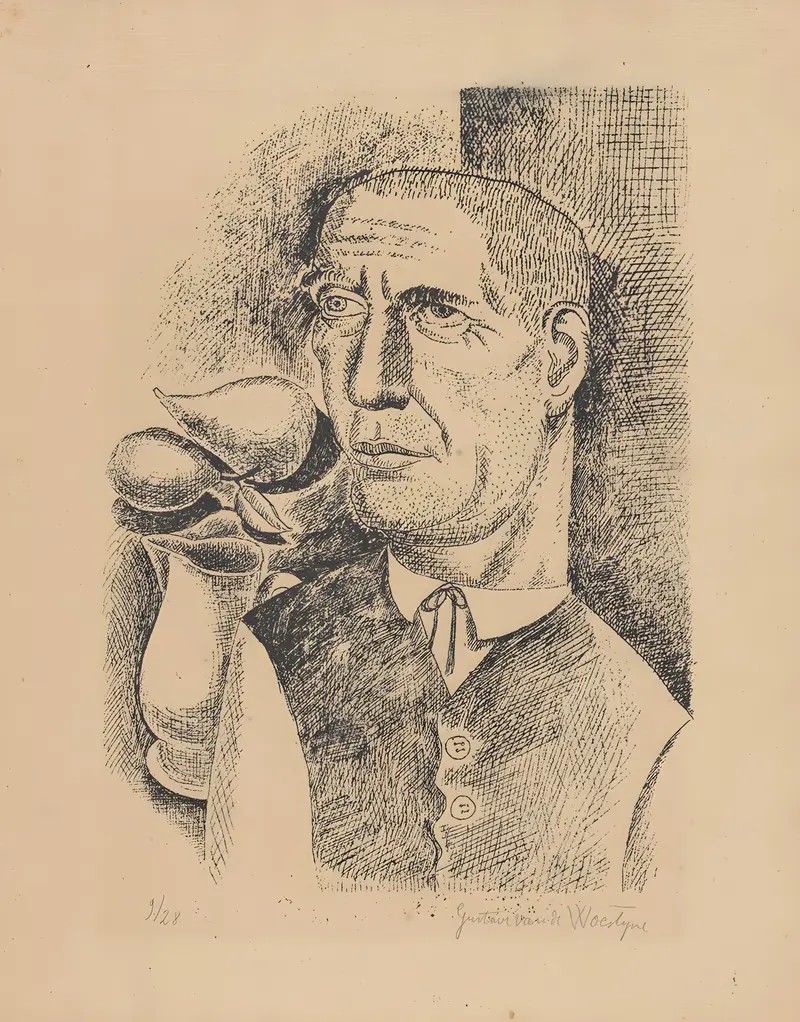
Boer op zijn zondags (Paysan endimanché)
Gustave Van de Woestijne
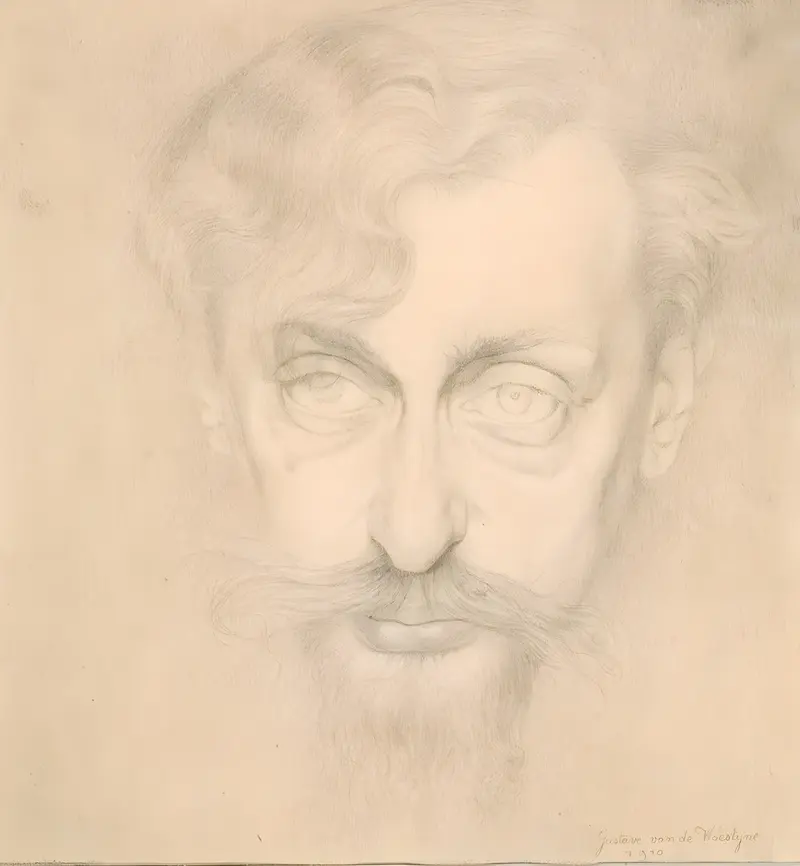
Portrait of the Writer Karel van de Woestijne
Gustave Van de Woestijne
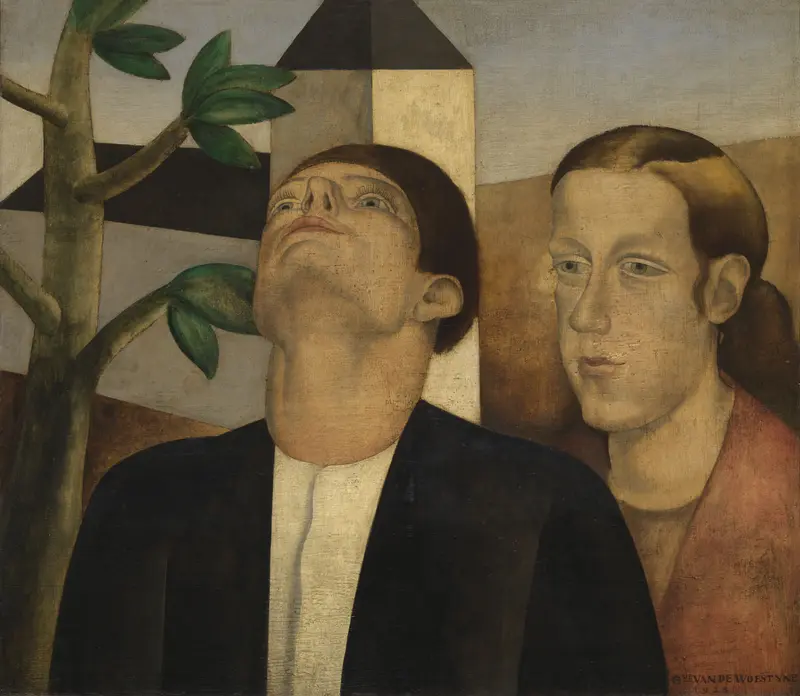
Azure
Gustave Van de Woestijne
How Reinaert devises a new trick to get free and exterminate his enemies
Gustave Van de Woestijne
Country Girl
Gustave Van de Woestijne





