
Idyll (Fragment of a Screen) — History & Facts
What first catches the eye in Idyll (Fragment of a Screen) is the way the golden hillside seems to shimmer with memory, as if the very surface of the painting is worn by time and sun. Your gaze is drawn up the slope, past the ghostly brushwork of dry grass, to a solitary figure seated in contemplation beside a small, temple-like structure. The figure’s white garments and red cap stand out against the earth tones, suggesting a pause in the midst of wandering or work.
Below, a peacock lingers in shadow, its tail trailing like a painted flourish, adding a note of exotic stillness to the scene. Light falls unevenly, picking out the figure’s hands and the white wall, while the rest dissolves into a haze of ochre and brown, blurring the line between vision and recollection. Painted in 1872, this fragment speaks to the late nineteenth-century fascination with the ancient world, especially in the circles that admired Arnold Böcklin for his dreamlike landscapes and mythic reveries. Such works were often created for private patrons or as decorative panels, meant to evoke a lost Arcadia rather than to document a specific place.
The Kunstmuseum Basel now preserves this piece, a reminder of an era when artists and collectors alike sought escape in visions of classical peace. Little is recorded about the journey of this particular fragment, but its mood of quiet withdrawal and its unfinished textures invite the viewer to linger, imagining the larger scene that once surrounded it.
More Artworks by Arnold Böcklin

Die Toteninsel III
Arnold Böcklin
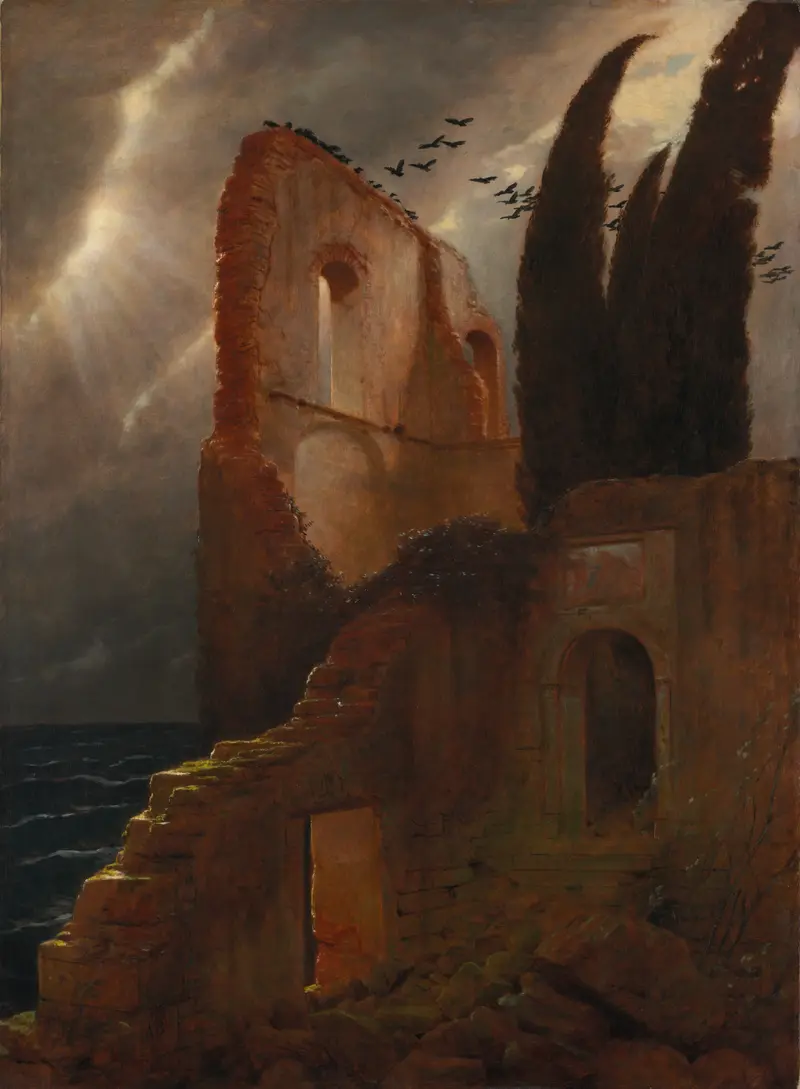
Ruin by the Sea
Arnold Böcklin
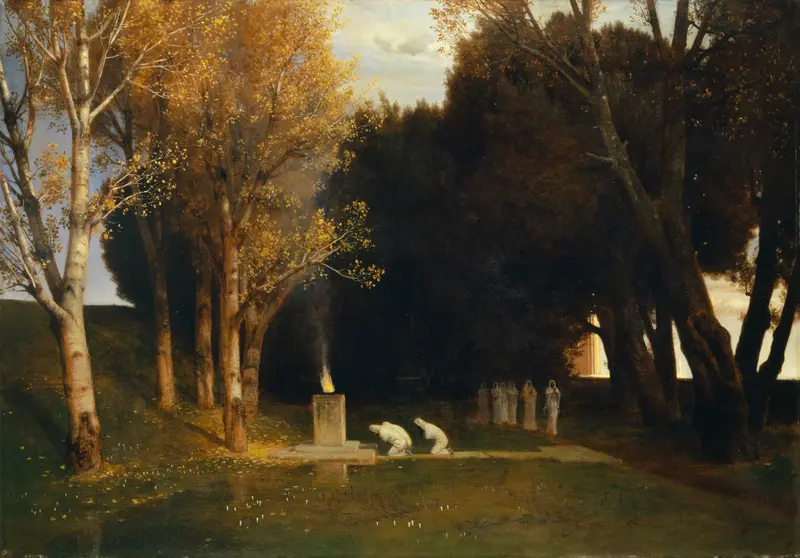
The Sacred Grove
Arnold Böcklin
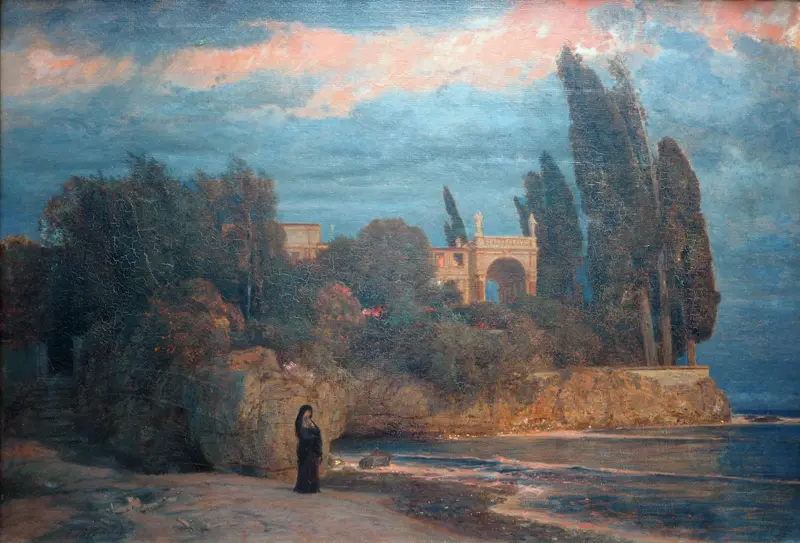
Villa by the Sea
Arnold Böcklin
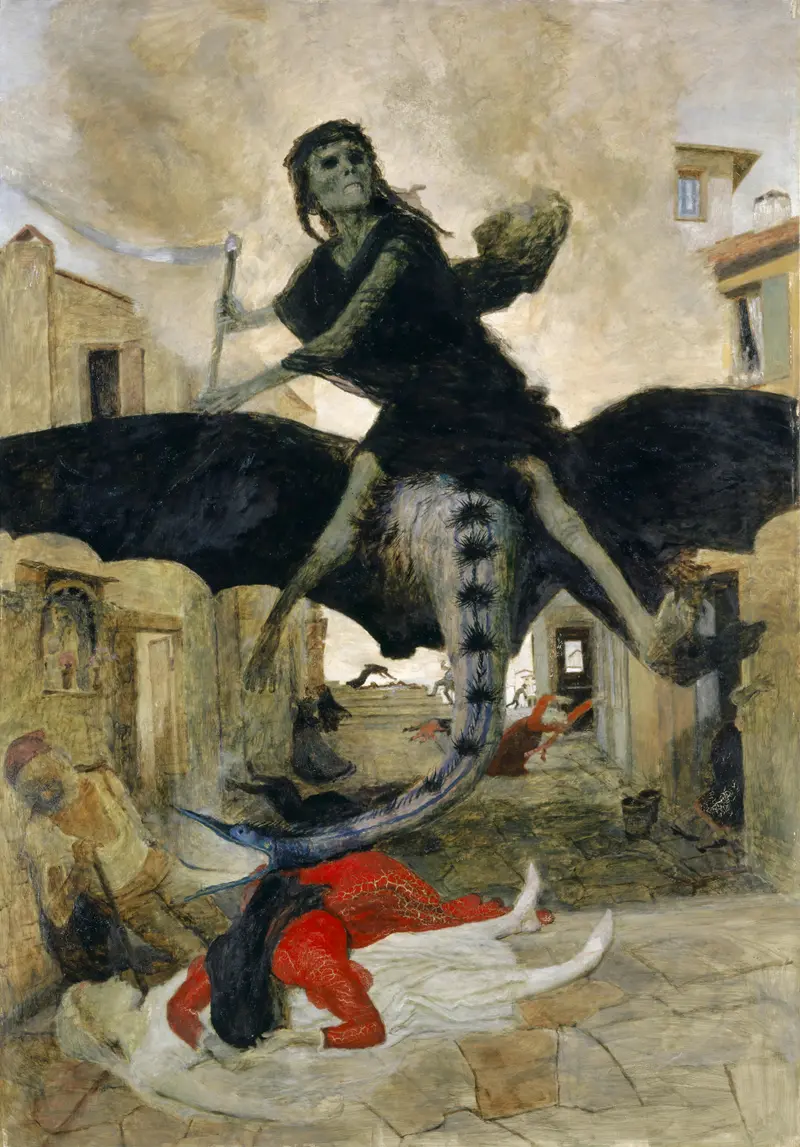
The Plague
Arnold Böcklin
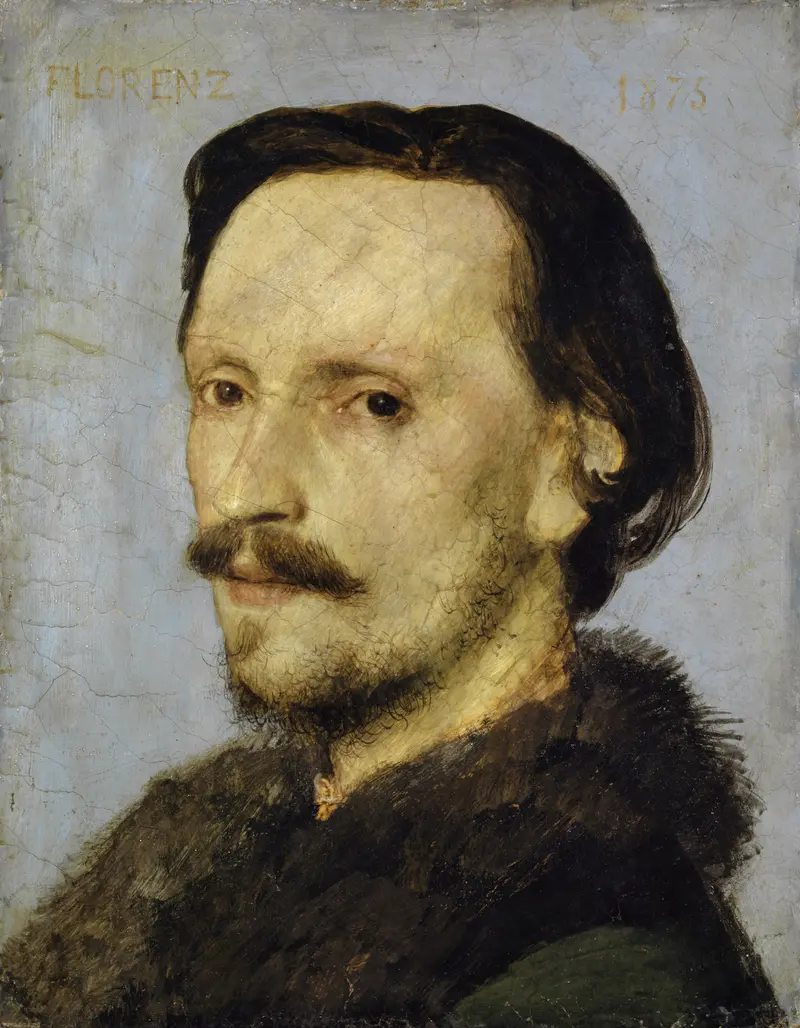
Böcklin Bildnis des Kunsthistorikers Adolph Bayersdorfer, 1875
Arnold Böcklin
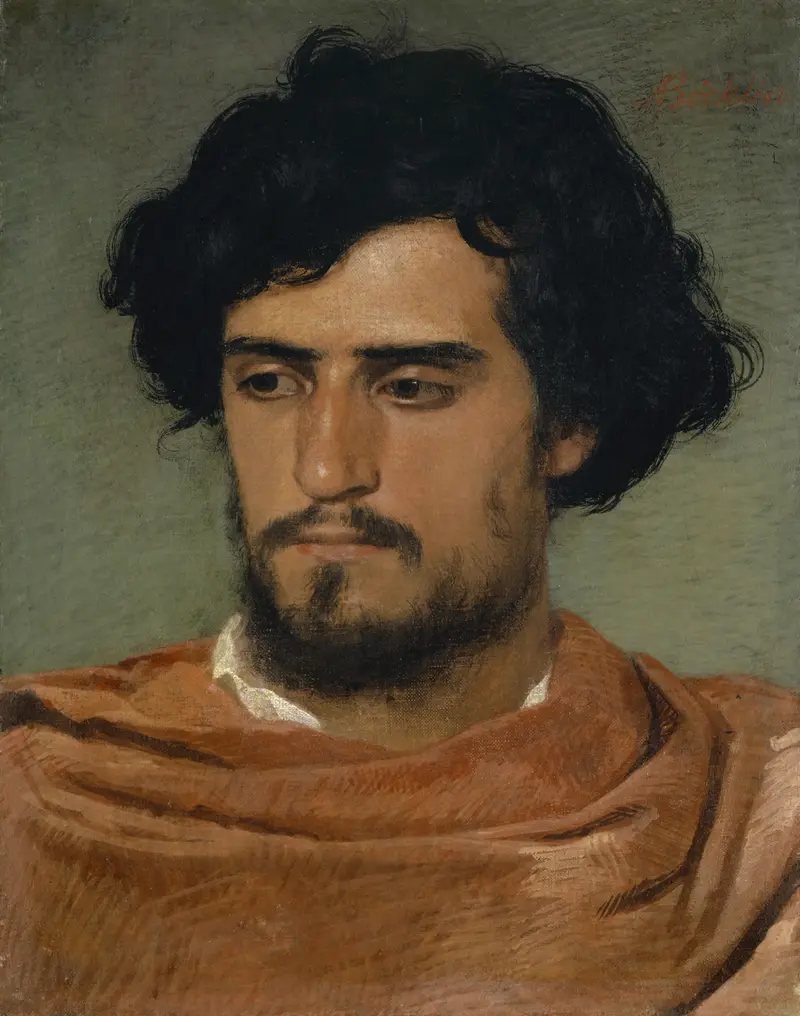
Head of a Roman
Arnold Böcklin
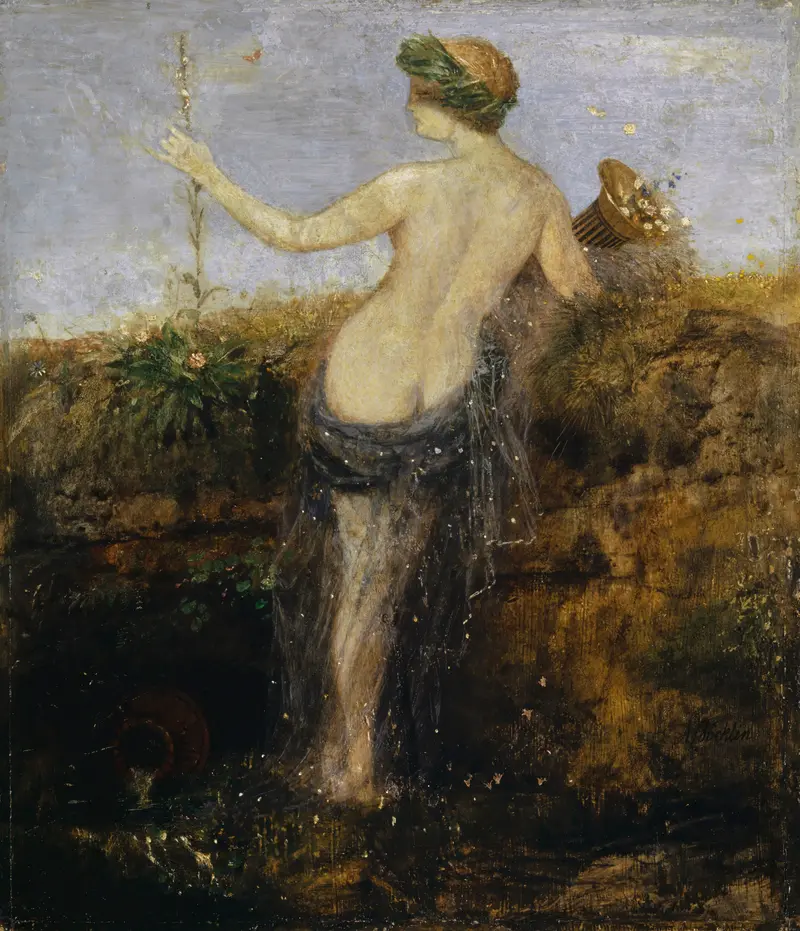
Nymphe with Horn of Plenty
Arnold Böcklin
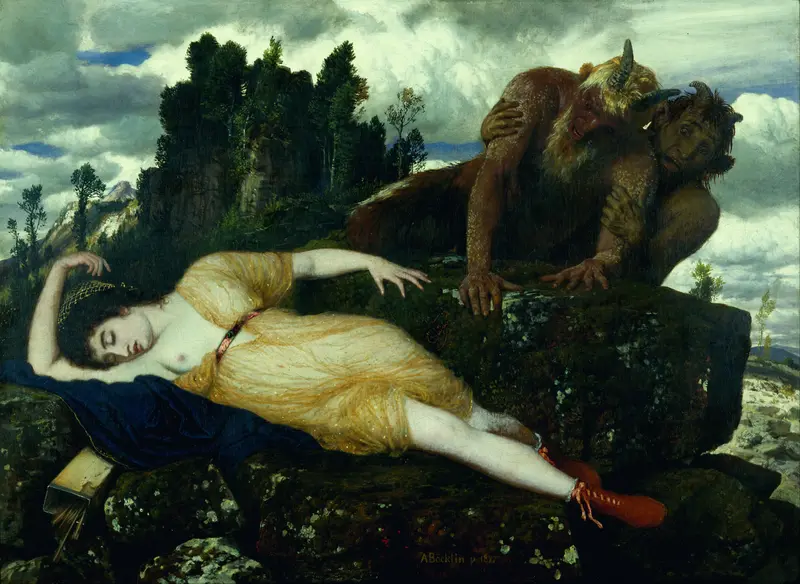
Sleeping Diana Watched by Two Fauns
Arnold Böcklin
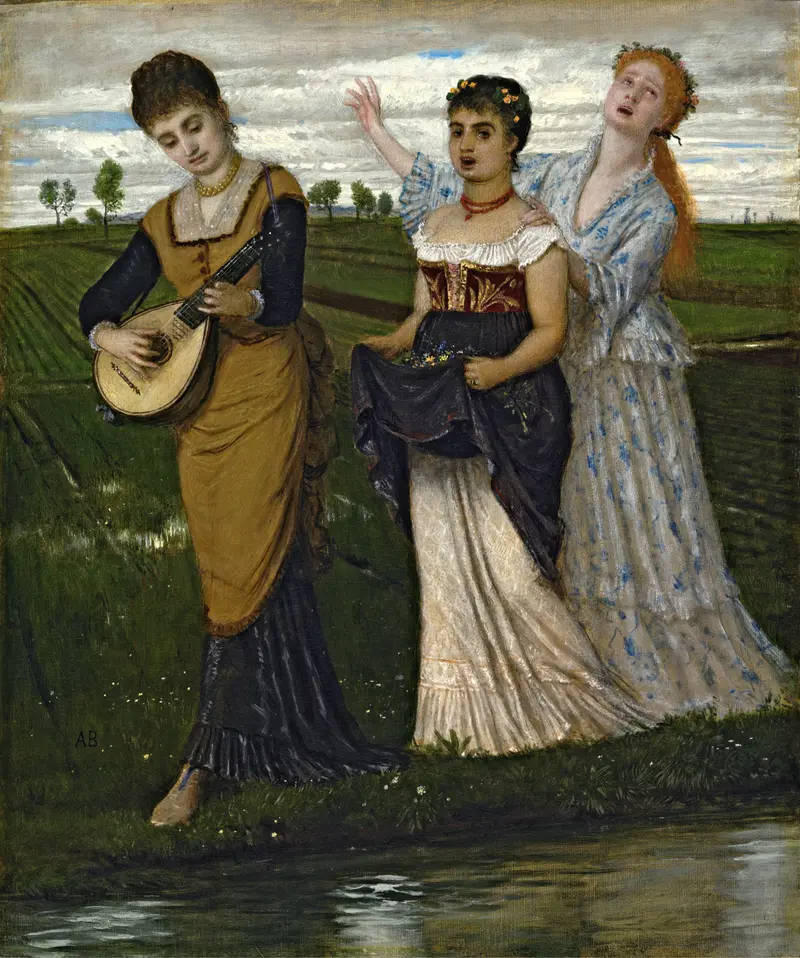
Spring (Songs of Spring)
Arnold Böcklin
More Landscape Art

The Starry Night
Vincent van Gogh

View of Delft
Johannes Vermeer

Water Lilies
Claude Monet

The Grand Canal, Venice, looking north-west from the Ca' Corner to the Ca' Contarini degli Scrigni, with the campanile of Santa Maria della Carità
Canaletto

Windsor Castle
Canaletto

The Grand Canal looking North-East from the Palazzo Dolfin-Manin to the Rialto Bridge
Canaletto