
Imatra Falls in Snow — History & Facts
The eye is caught first by the restless energy of the river, a torrent of ochre and white that churns through the heart of the painting, refusing to be stilled by the deep Finnish winter. Akseli Gallen-Kallela anchors this wildness with the heavy-laden pine in the foreground, its branches bent under the weight of snow, a silent witness to the river’s ceaseless motion. The palette is a study in restraint: the snow is not simply white, but layered with subtle blues, greens, and yellows, echoing the cold light of a northern day.
The forest recedes into a pale mist, where trees dissolve into the sky, and the world seems to hold its breath, suspended between movement and silence. The composition draws the viewer’s gaze along the river’s path, then lets it wander among the frosted trees, always returning to the tension between the frozen world and the living water. Painted in 1893, Imatra Falls in Snow belongs to a moment when Finnish artists were turning their attention to the native landscape, seeking both national identity and personal expression in its wild places. The late nineteenth century saw a surge of interest in scenes like this, as industrialization and urbanization made the untamed north both a symbol and a refuge.
Works such as this might have been commissioned by collectors eager to celebrate the uniqueness of Finland’s scenery, or simply painted in the spirit of the era’s fascination with nature’s extremes. While little is recorded about the specific history of this painting, its presence in a collection devoted to Finnish art marks it as part of a broader movement—one that invites us, still, to stand on the snowy bank and watch the river carve its way through winter.
More Artworks by Akseli Gallen-Kallela
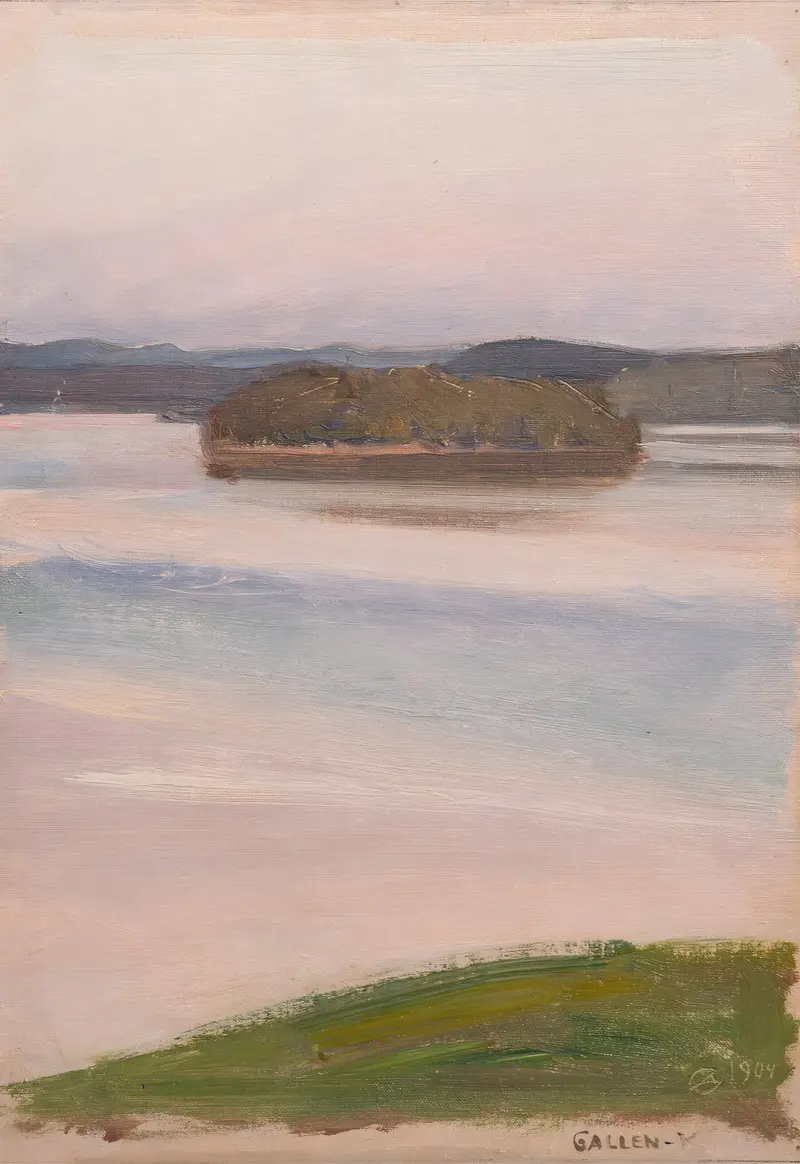
Lake Keitele
Akseli Gallen-Kallela
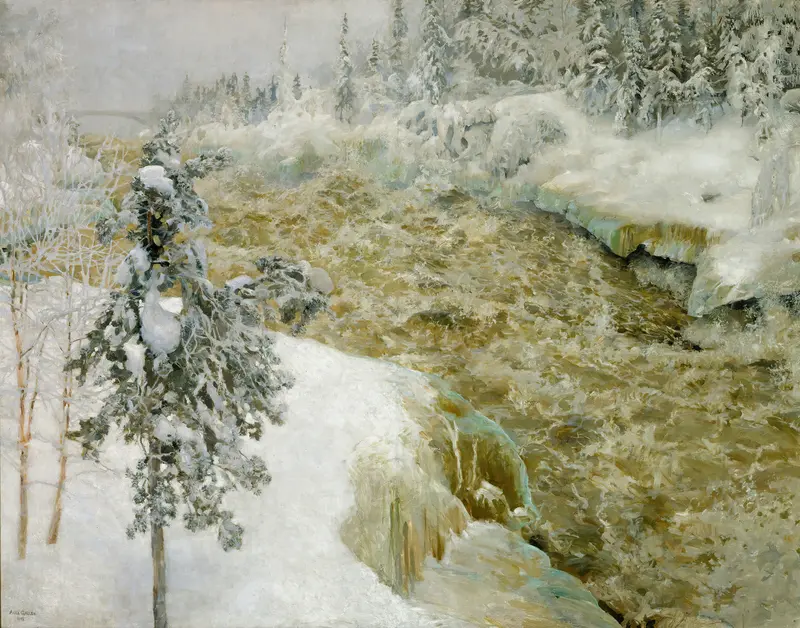
Imatra Falls in Snow ; Imatra in Winter
Akseli Gallen-Kallela
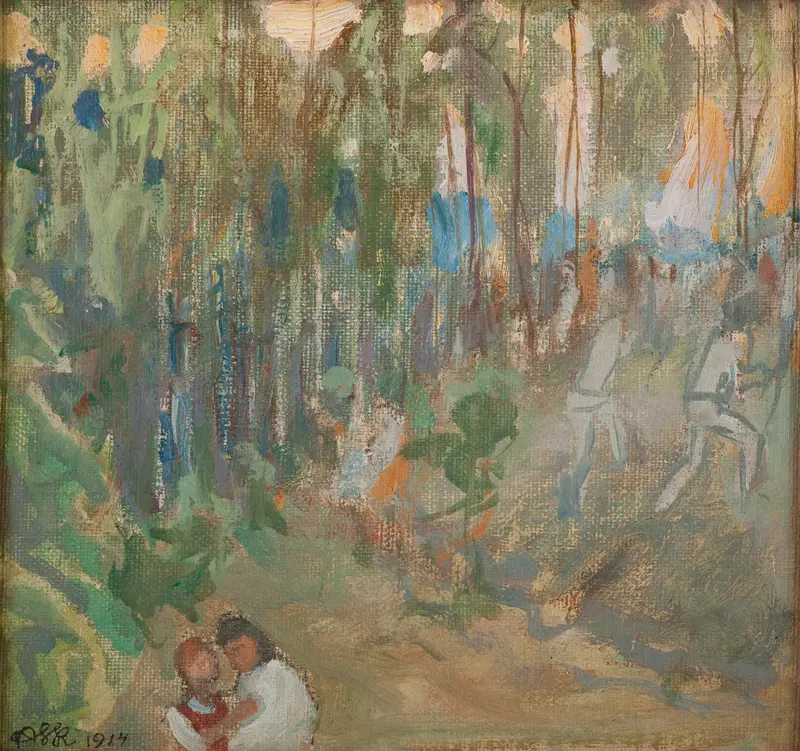
Vainovalkeat
Akseli Gallen-Kallela
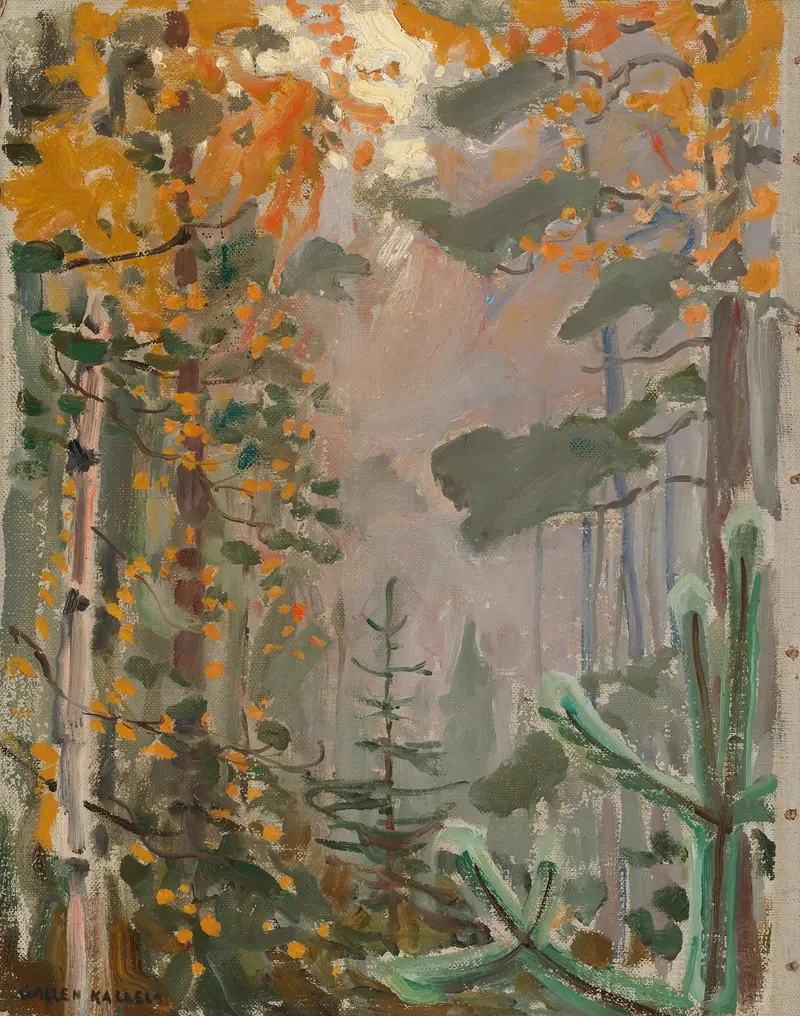
Autumn Landscape
Akseli Gallen-Kallela
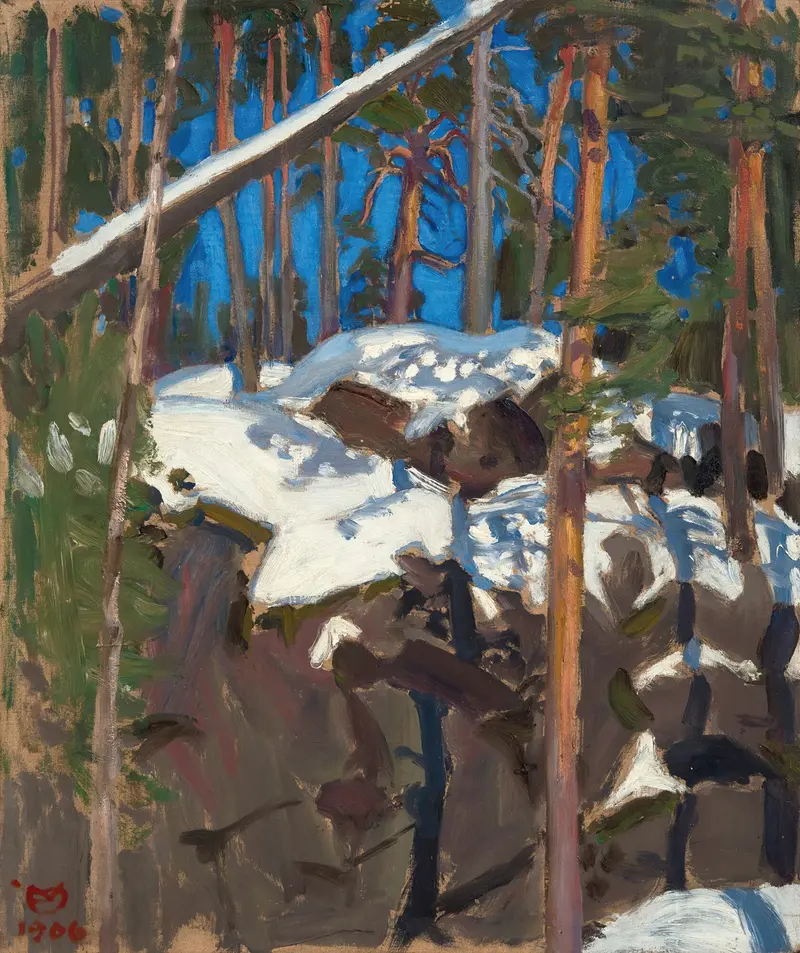
Spring Sun At Konginkangas
Akseli Gallen-Kallela
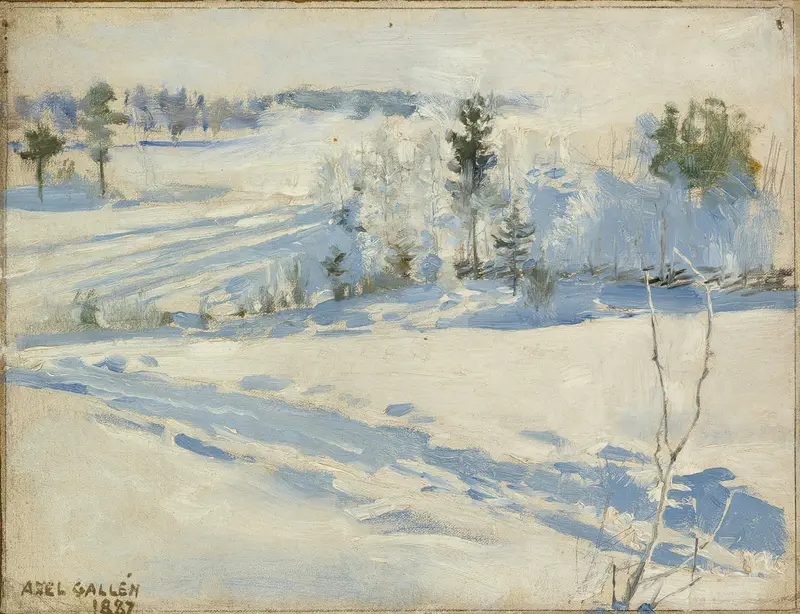
Winter Landscape
Akseli Gallen-Kallela

First Snow
Akseli Gallen-Kallela
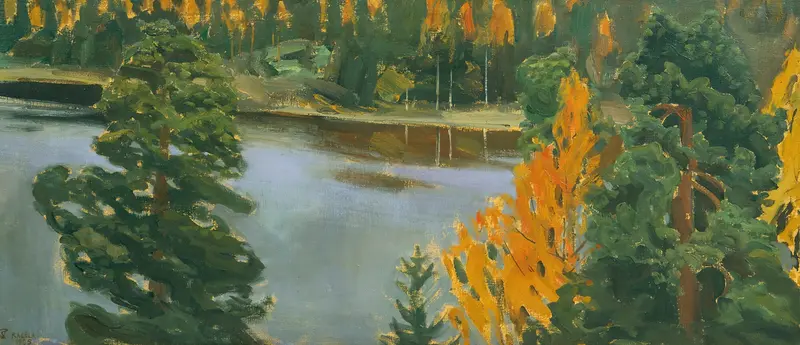
Lake View In Autumn
Akseli Gallen-Kallela
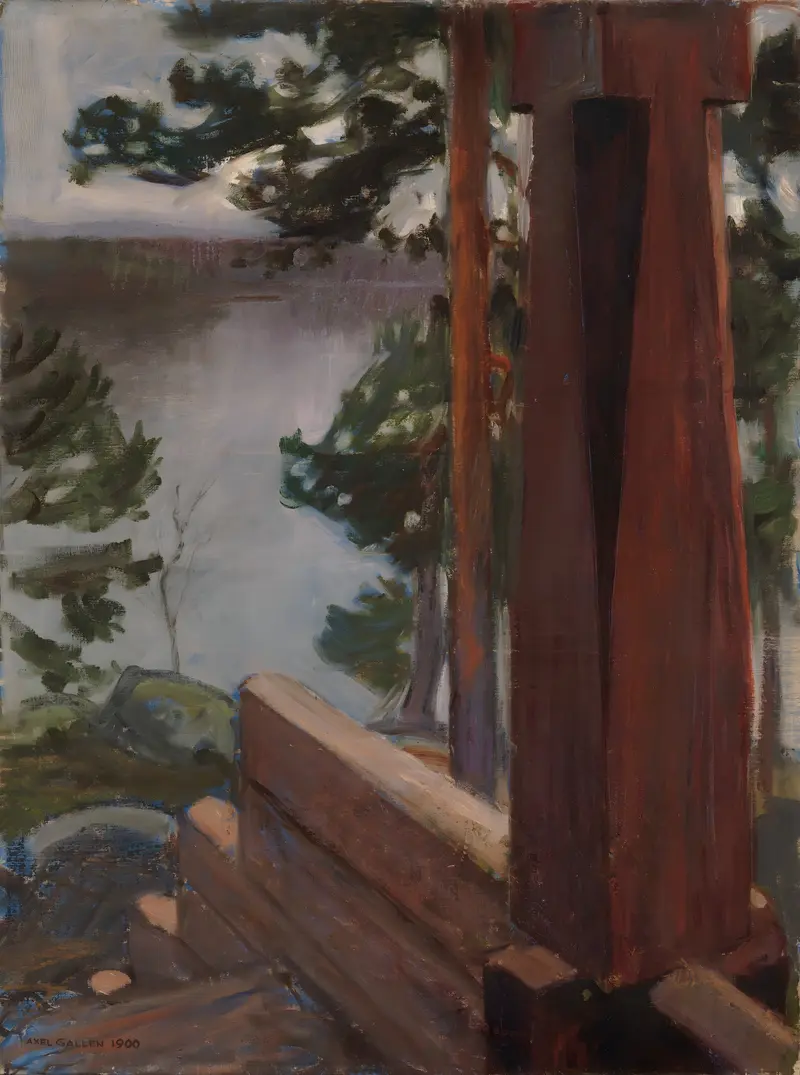
The Kalela Porch
Akseli Gallen-Kallela

Light Behind The Clouds
Akseli Gallen-Kallela
More Landscape Art

The Starry Night
Vincent van Gogh

View of Delft
Johannes Vermeer

Water Lilies
Claude Monet

The Grand Canal, Venice, looking north-west from the Ca' Corner to the Ca' Contarini degli Scrigni, with the campanile of Santa Maria della Carità
Canaletto

Windsor Castle
Canaletto

The Grand Canal looking North-East from the Palazzo Dolfin-Manin to the Rialto Bridge
Canaletto