
Imatra in wintertime — History & Facts
A single, snow-laden pine stands as the anchor of Imatra in wintertime, its branches heavy with the season’s burden, while behind it, the world dissolves into a blur of icy forms and rushing water. The eye is pulled first to the dense, textured foliage at the center, where each brushstroke seems to wrestle with the weight of snow and the bite of cold. Around it, the landscape is a study in contrasts: the foreground’s earthy, turbulent river is set against the pale, crystalline silence of the frozen forest beyond.
Gallen-Kallela’s palette is muted, dominated by grays, whites, and ochres, capturing not just the look but the sensation of winter’s grip—where movement and stillness coexist, and the forest seems both near and unreachable. Painted in 1893, this work belongs to a period when Nordic artists were turning their gaze to the drama of their own landscapes, seeking national identity in the wild and the weathered. Akseli Gallen-Kallela, known for his role in shaping Finnish visual culture, often found inspiration in the untamed north, where nature’s force was both a challenge and a muse. Such paintings were rarely made for grand salons; rather, they spoke to a growing pride in local scenery and the everyday heroism of enduring winter.
Little is recorded about the journey of this particular canvas, now preserved in the digital holdings of the Google Cultural Institute, but its raw immediacy invites viewers to imagine themselves at the river’s edge, feeling the cold air and the ceaseless rush of water.
More Artworks by Akseli Gallen-Kallela
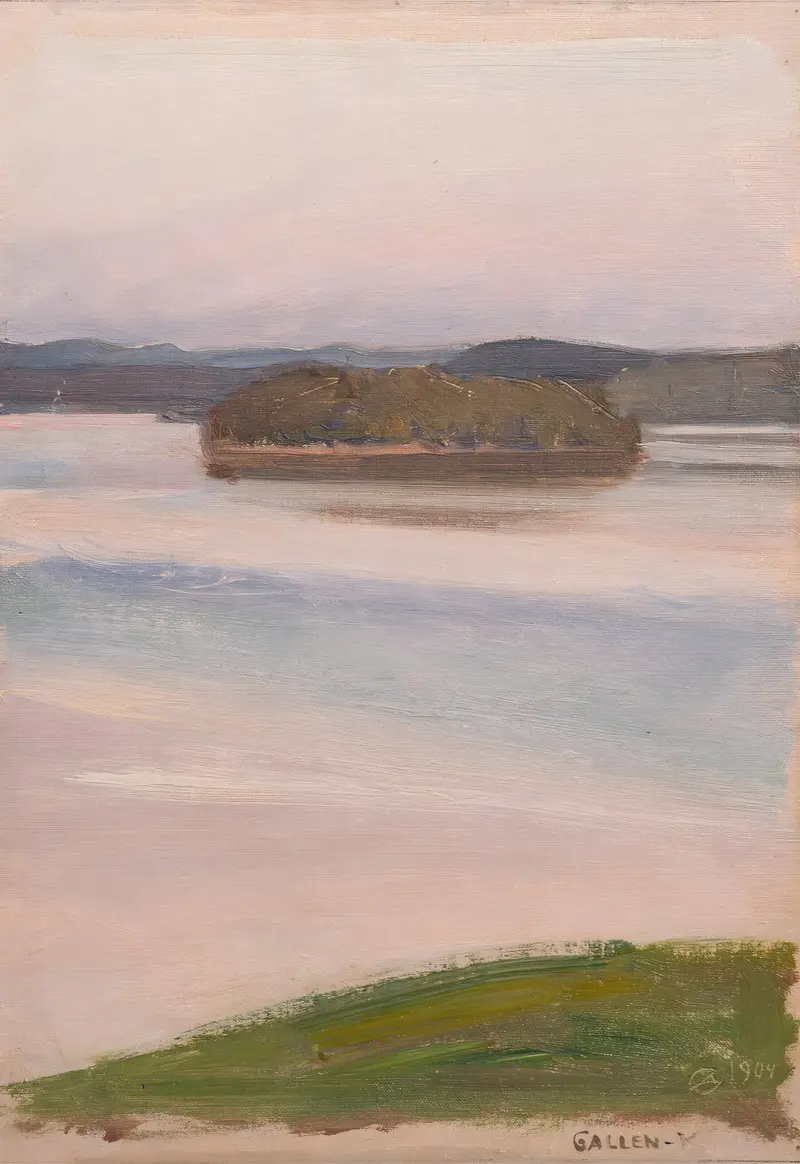
Lake Keitele
Akseli Gallen-Kallela
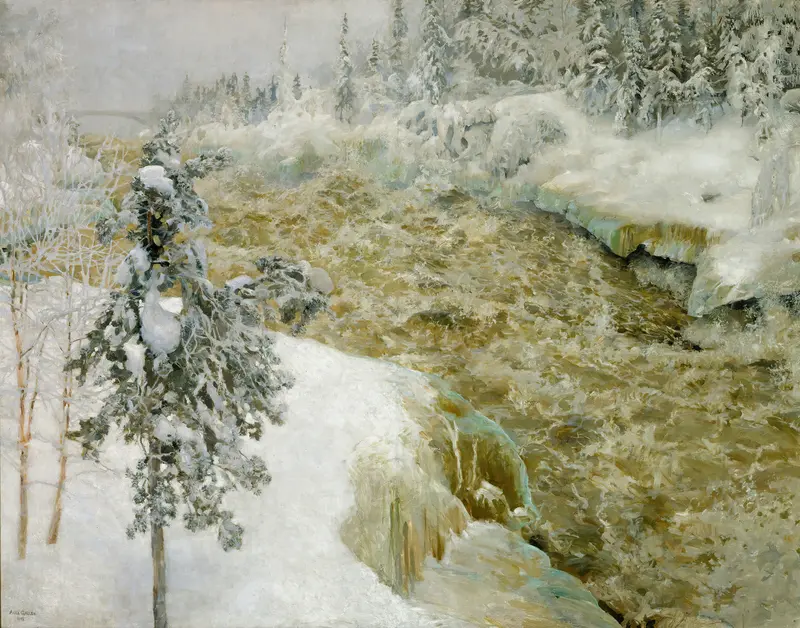
Imatra Falls in Snow ; Imatra in Winter
Akseli Gallen-Kallela
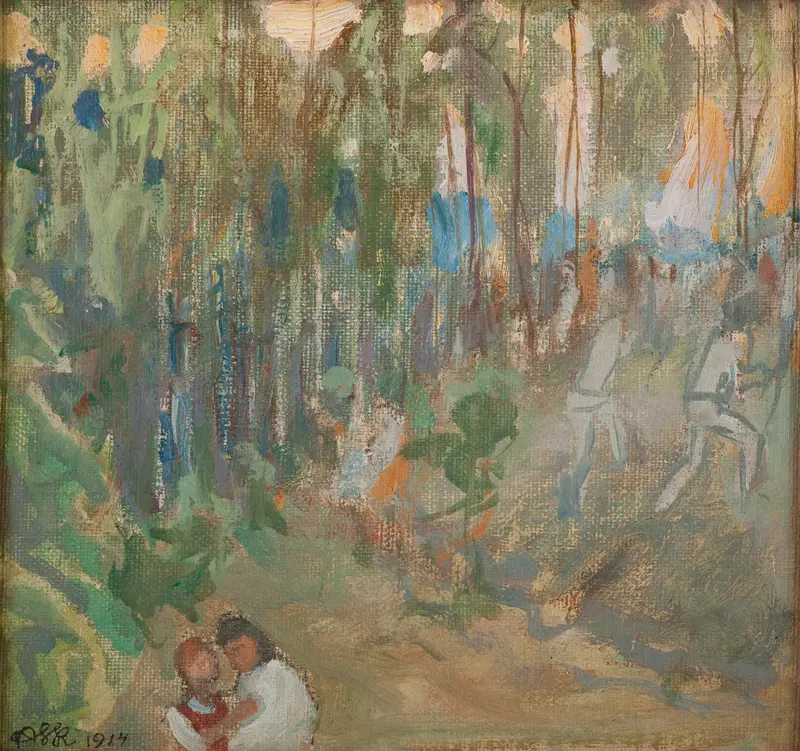
Vainovalkeat
Akseli Gallen-Kallela
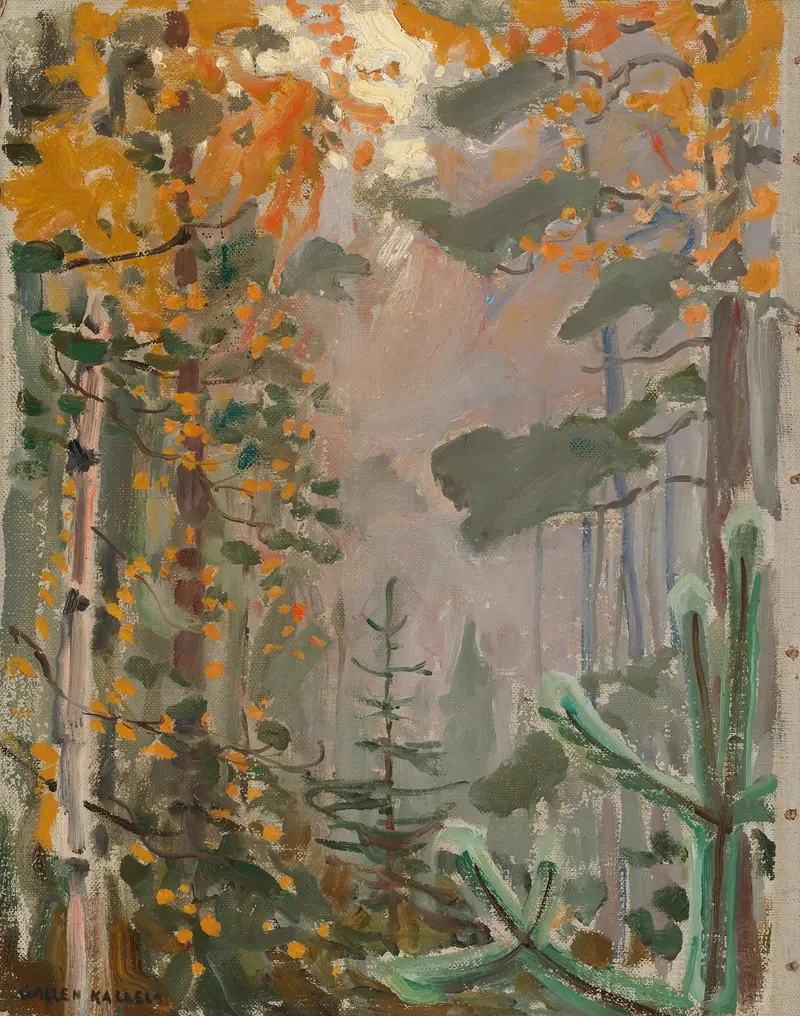
Autumn Landscape
Akseli Gallen-Kallela
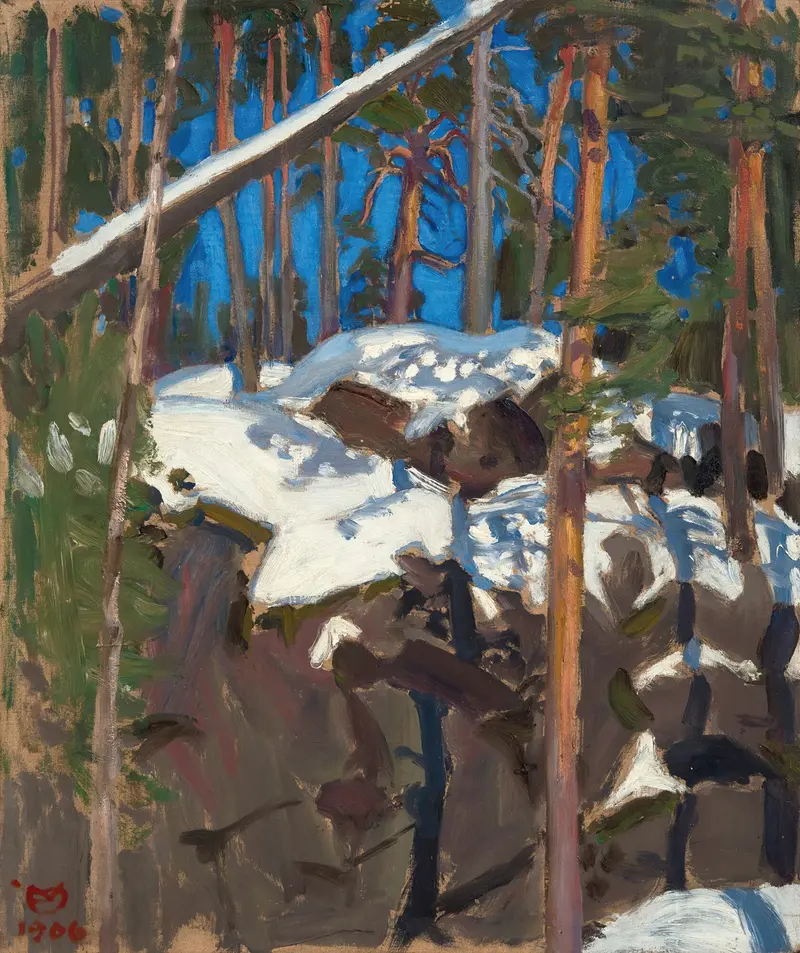
Spring Sun At Konginkangas
Akseli Gallen-Kallela
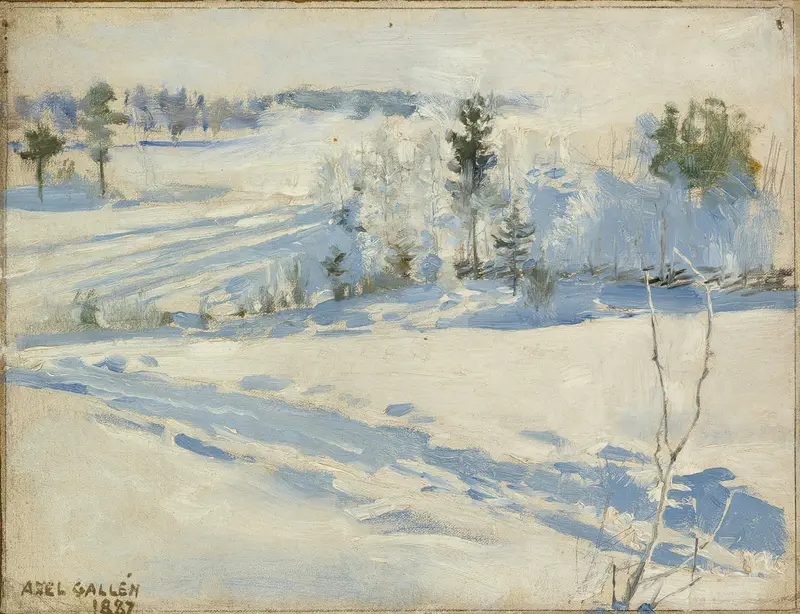
Winter Landscape
Akseli Gallen-Kallela

First Snow
Akseli Gallen-Kallela
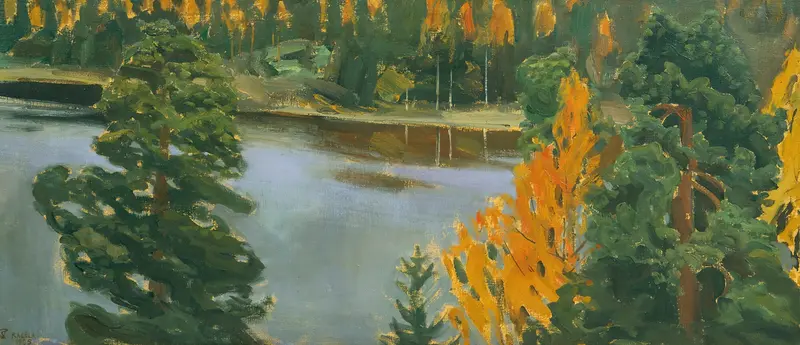
Lake View In Autumn
Akseli Gallen-Kallela
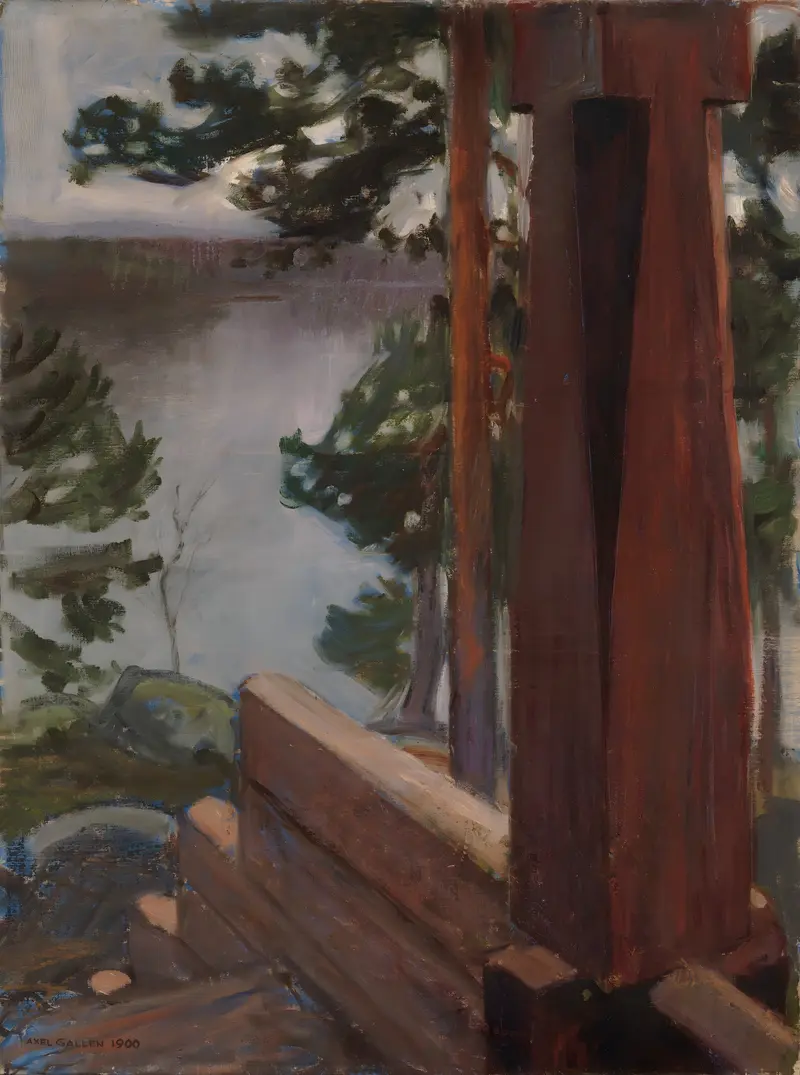
The Kalela Porch
Akseli Gallen-Kallela

Light Behind The Clouds
Akseli Gallen-Kallela
More Landscape Art

The Starry Night
Vincent van Gogh

View of Delft
Johannes Vermeer

Water Lilies
Claude Monet

The Grand Canal, Venice, looking north-west from the Ca' Corner to the Ca' Contarini degli Scrigni, with the campanile of Santa Maria della Carità
Canaletto

Windsor Castle
Canaletto

The Grand Canal looking North-East from the Palazzo Dolfin-Manin to the Rialto Bridge
Canaletto