Indian Ornament No. 5 — History & Facts
A lattice of color and symmetry pulls the viewer into Indian Ornament No. 5, where every petal and curve seems to pulse with its own quiet rhythm. The eye is first caught by the bold red lines that ripple through the center, guiding you through a garden of stylized blossoms and leaves, each rendered with a precision that borders on the hypnotic.
The dense floral tapestry is not just decoration—it is a language of abundance, where repeating motifs and mirrored forms evoke the infinite, and the careful layering of green, pink, and gold draws you deeper into the illusion of endless growth. This is not a flat pattern, but a living puzzle, where the interplay of color and line creates a sense of movement and depth, inviting the viewer to lose themselves in its ordered complexity. Created in the mid-nineteenth century and published in London, this chromolithograph by Owen Jones belongs to a world fascinated by the art and science of ornament. Works like this were not merely for admiration; they served as models and inspiration for architects, designers, and craftsmen during a period when Europe was looking outward, gathering visual languages from across the globe.
The Grammar of Ornament, from which this plate comes, was a landmark in design history, cataloguing the world's patterns for a new age of industry and empire. Though the individual hands and histories behind such motifs are often lost, the survival of this print in the Polona Digital Library lets us witness how Victorian eyes saw—and sought to systematize—the beauty of Indian decorative arts. The longer you look, the more the pattern reveals, each detail a reminder of the restless curiosity that shaped its age.
More Artworks by Owen Jones

Greek Ornament No. 1
Owen Jones
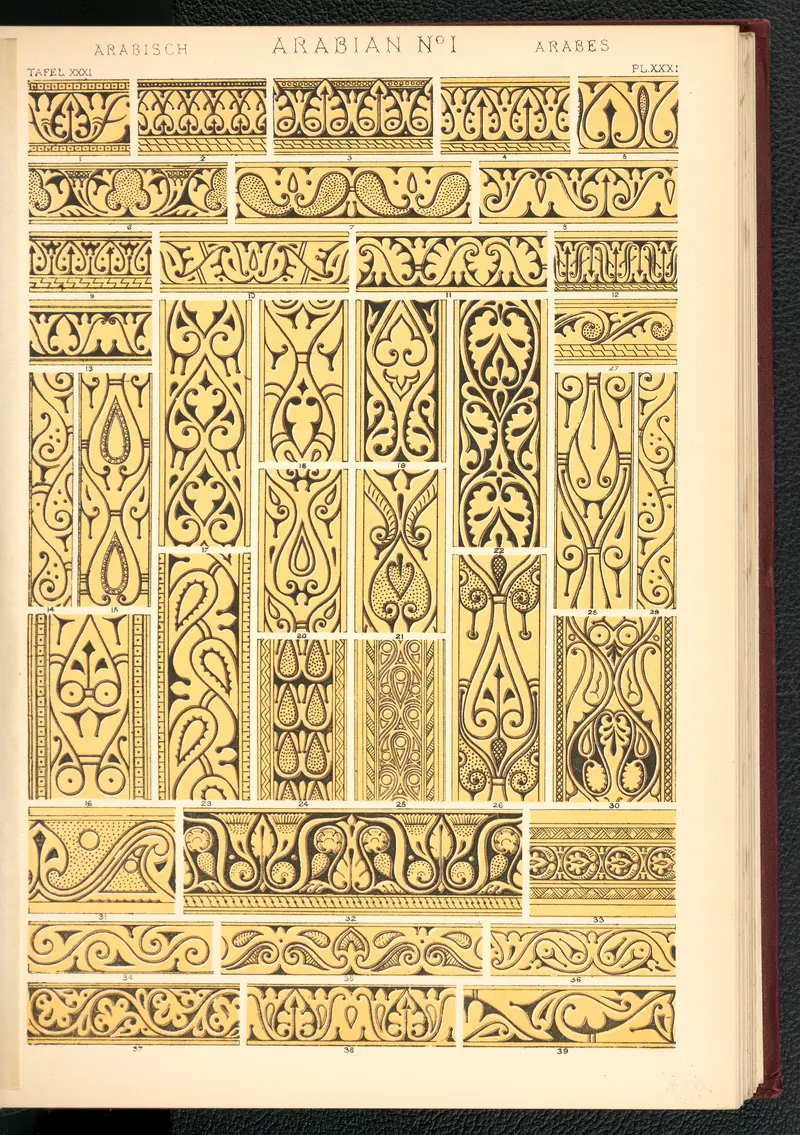
Arabian Ornament No. 1
Owen Jones
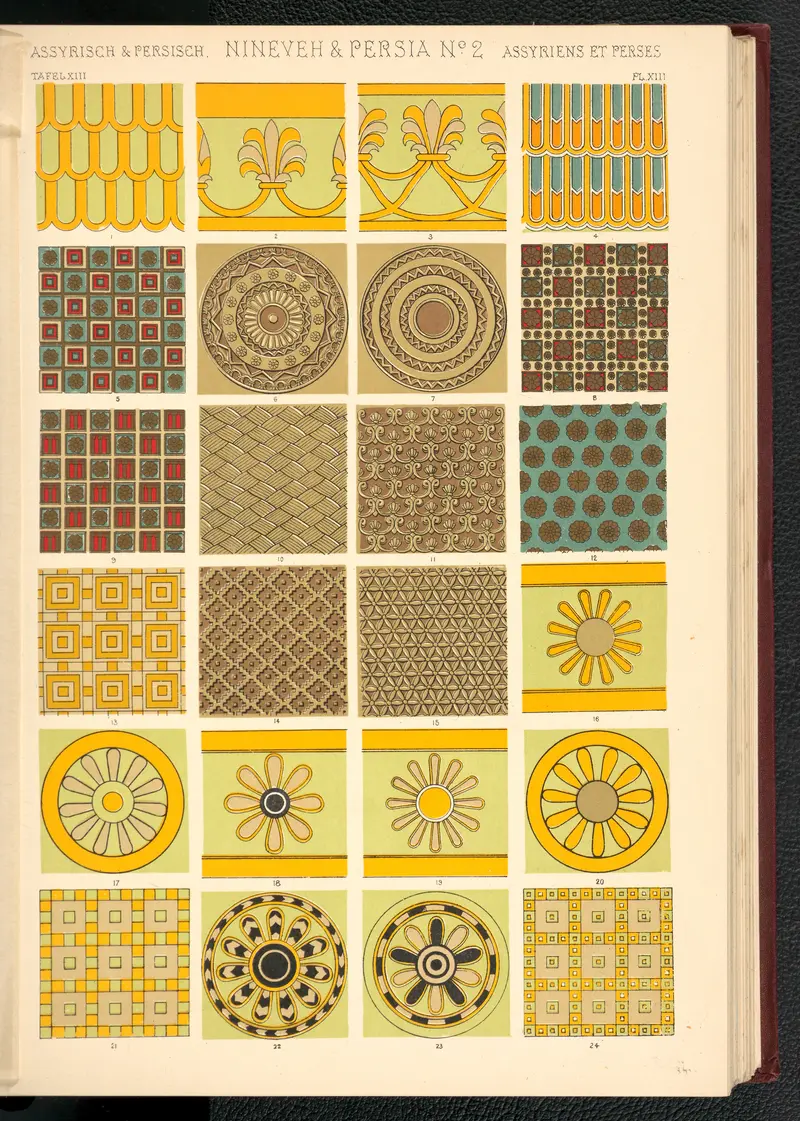
Assyrian Ornament No. 2
Owen Jones

Egyptian Ornament No. 3
Owen Jones
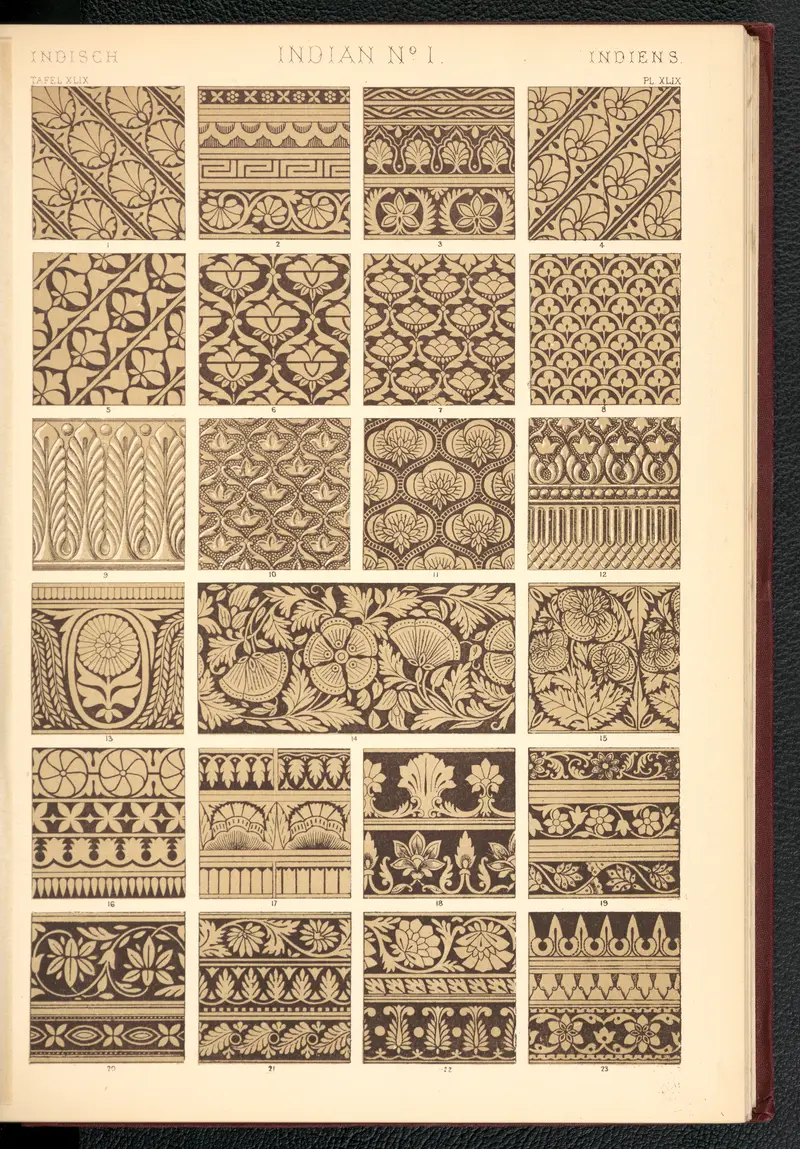
Indian Ornament No. 1
Owen Jones
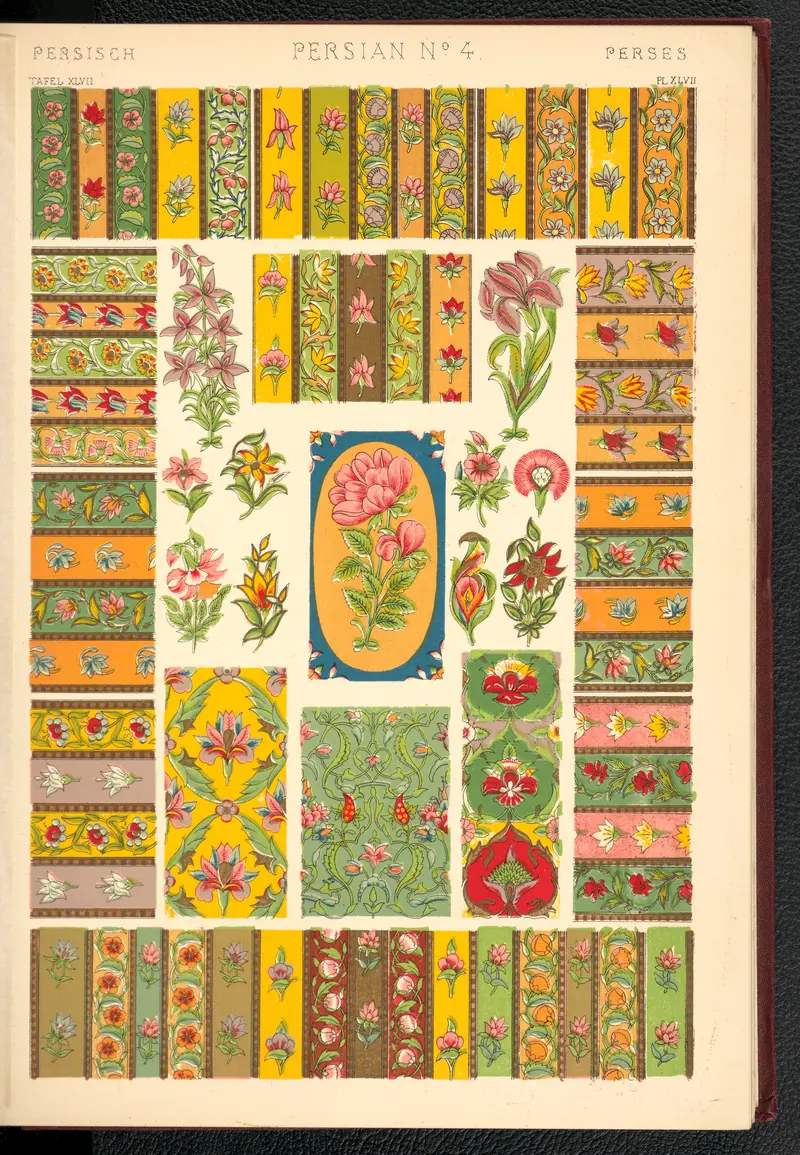
Persian Ornament No. 4
Owen Jones
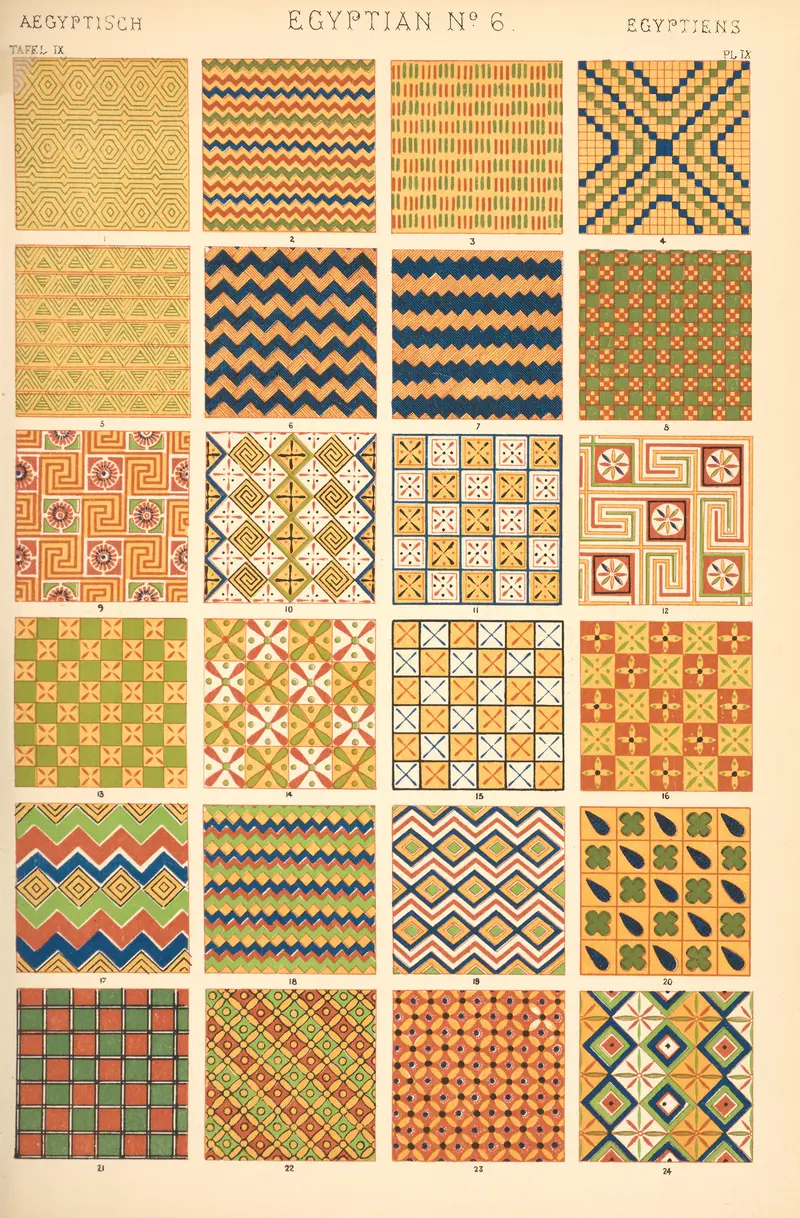
Egyptian Ornament No. 6
Owen Jones
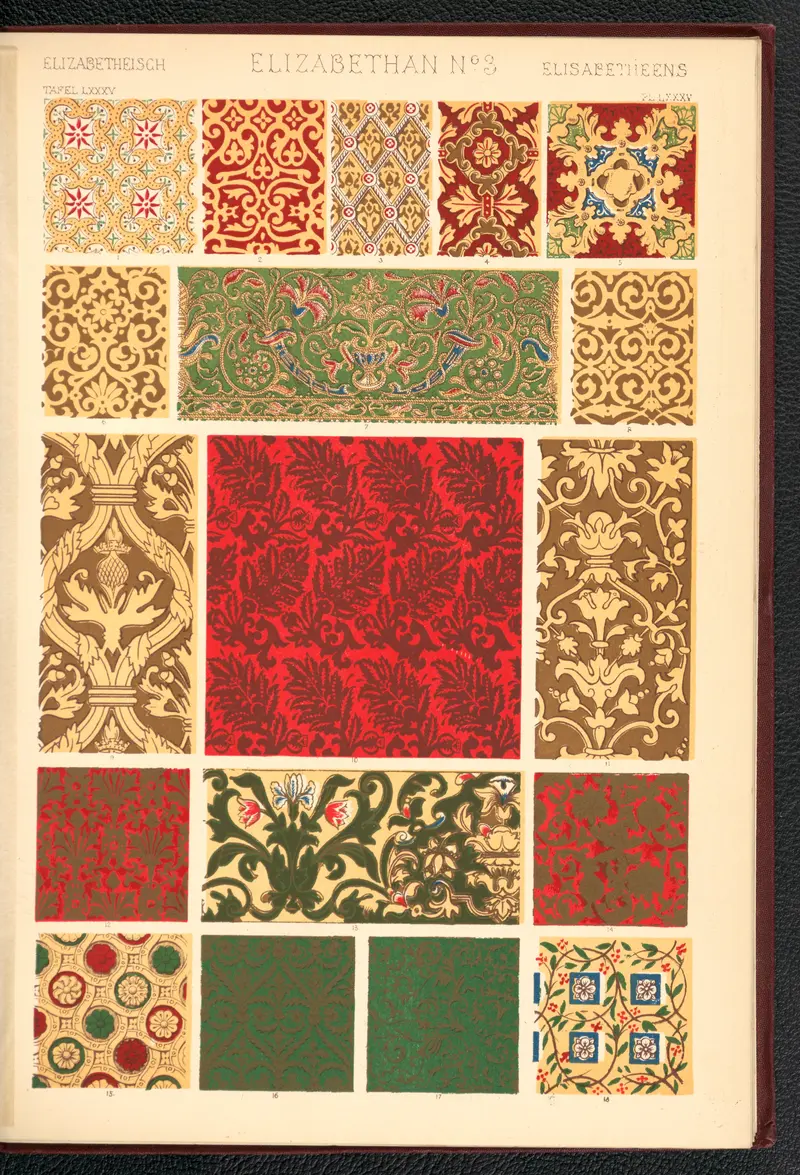
Elizabethan Ornament No. 3
Owen Jones
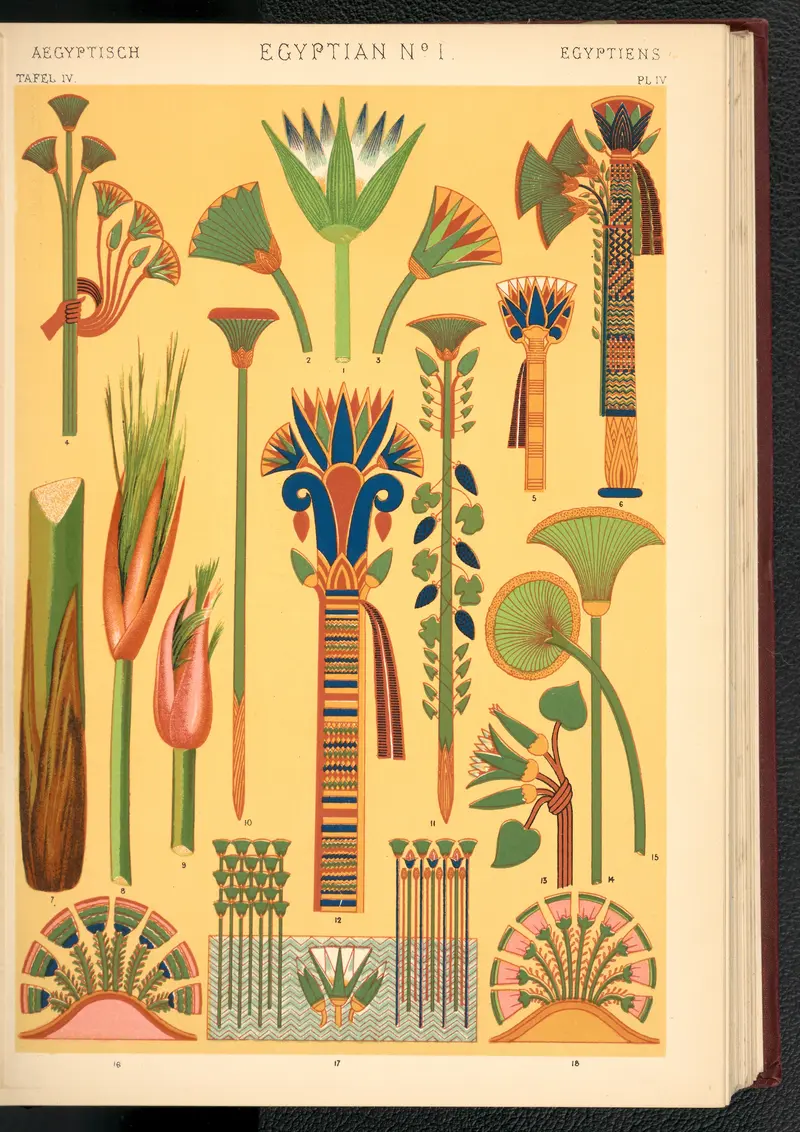
Egyptian Ornament No. 1
Owen Jones
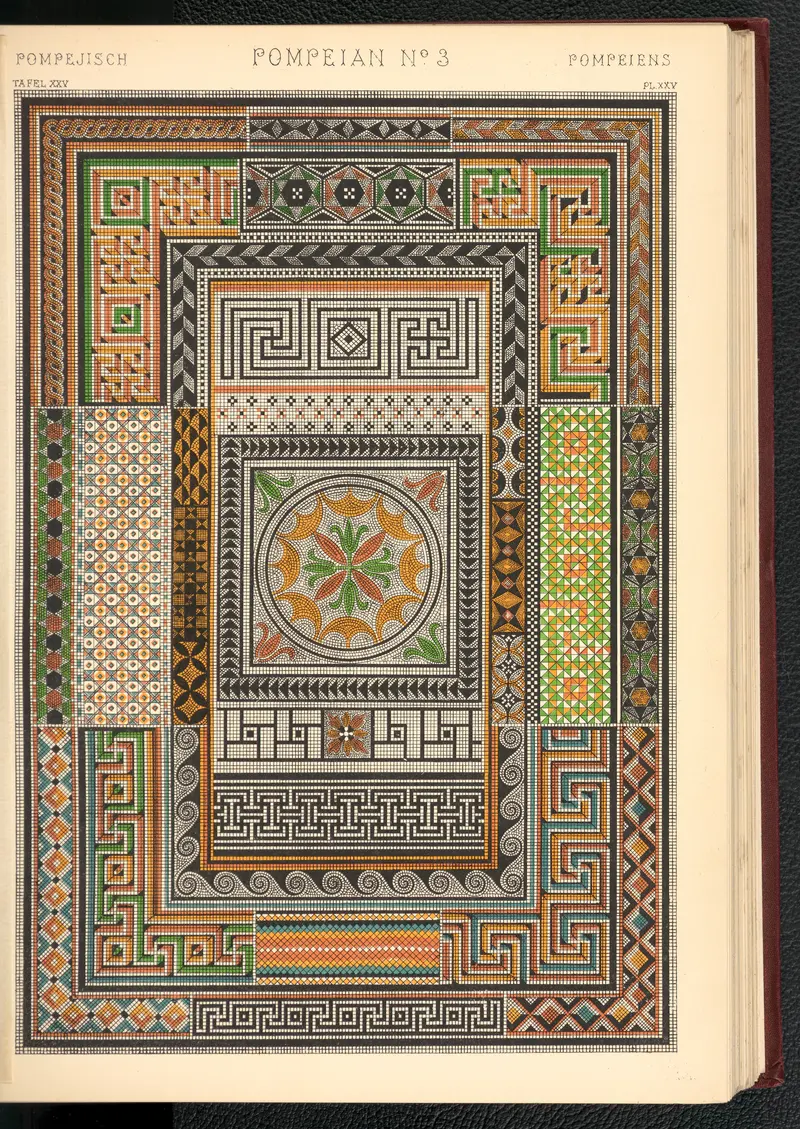
Pompeian Ornament No. 3
Owen Jones