
Infant Funeral Procession — History & Facts
A somber procession winds through a desolate landscape, footsteps muffled by the weight of grief. The pallbearers, their faces etched with sorrow, carry a small casket draped in dark fabric, while a mother, shrouded in her own anguish, clutches a wilted bouquet of flowers. Silvery light breaks through the clouds, casting a melancholic glow on this heart-wrenching farewell. Look to the left, where the delicate figure of the grieving mother stands, her body language radiating despair.
Notice how the muted colors—a palette of greys and browns—encase the scene in a heavy cloak of mourning. The stark contrasts between the floral adornment and the dark casket emphasize the tension between life and death, while the figures seem to blend into the landscape, suggesting a profound isolation within their shared sorrow. Within this haunting imagery lies the complex interplay of betrayal and loss. The flowers symbolize love and memory, yet their wilting state speaks of a love that has been irrevocably severed.
Each solemn face shares a story, hinting at lost dreams and unspoken regrets, as the community bears witness to a tragedy that feels both personal and universal, echoing the vulnerabilities that lie within the human experience. Created in the 1870s during a period marked by societal upheaval and evolving artistic expression, the artist captured the intense emotional landscape of a culture grappling with mortality and familial bonds. Living in America, William P. Chappel drew inspiration from the collective grief of his time, reflecting the struggles of life and death through poignant storytelling in his work.
More Artworks by William P. Chappel
Browse all →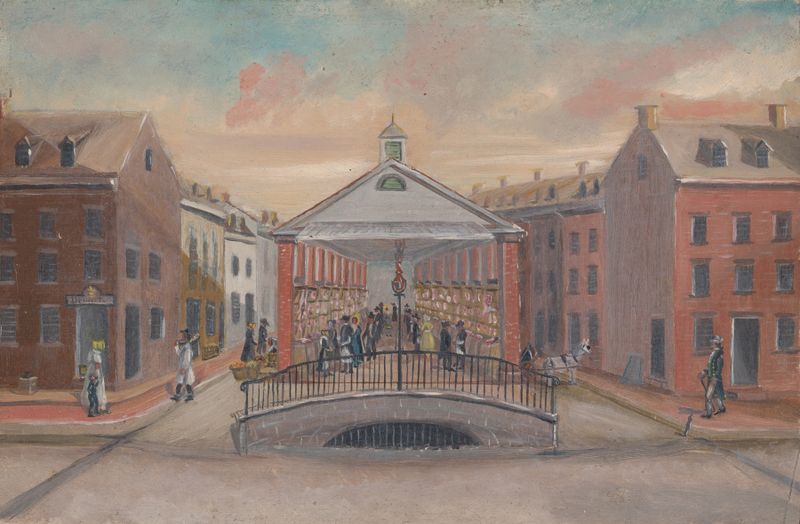
Fly Market
William P. Chappel
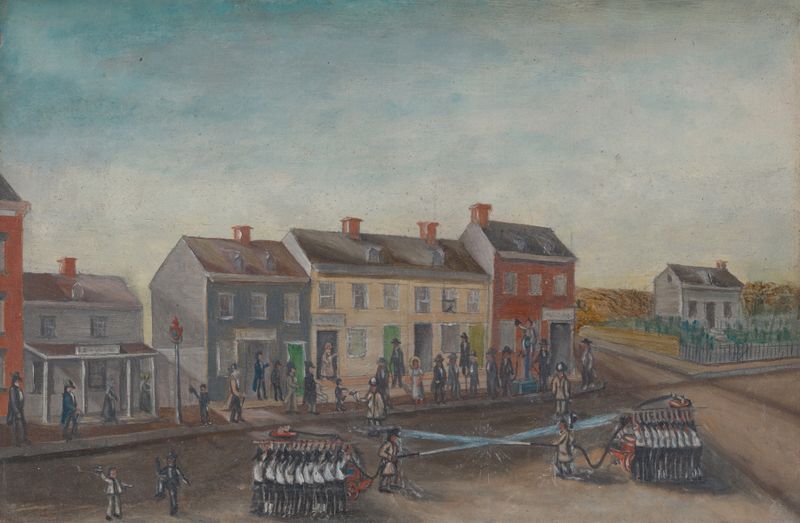
Firemen’s Washing Day
William P. Chappel
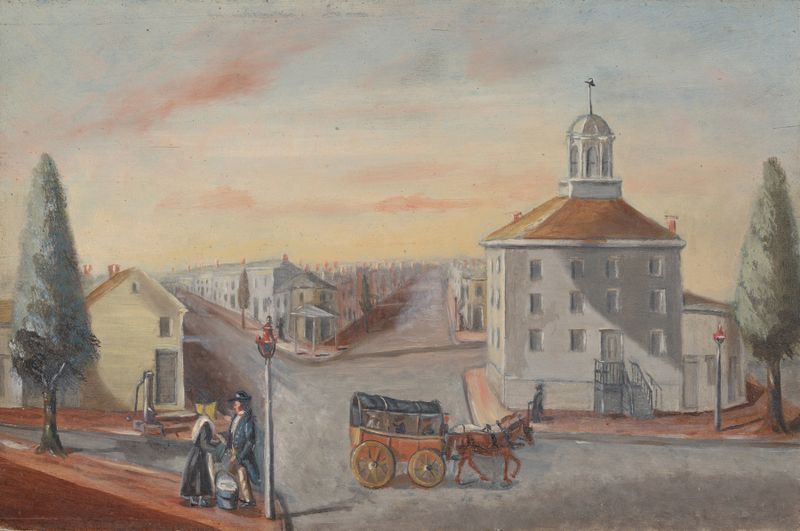
Hot Corn Seller
William P. Chappel
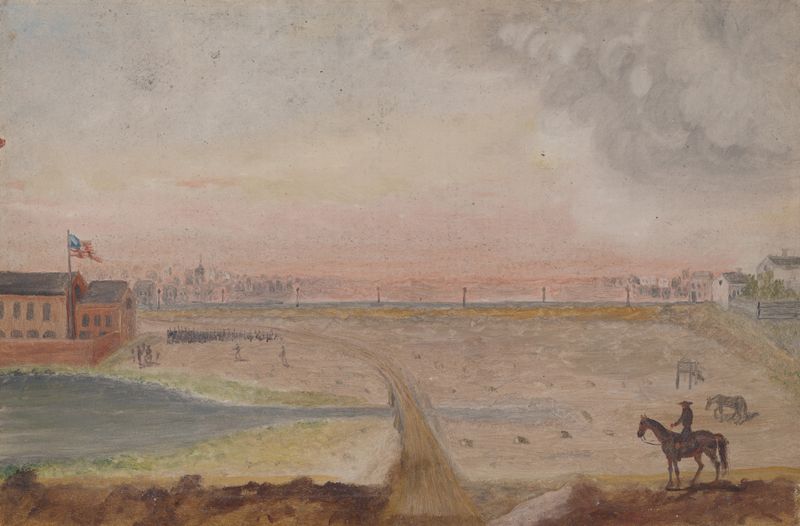
Militia Drilling
William P. Chappel
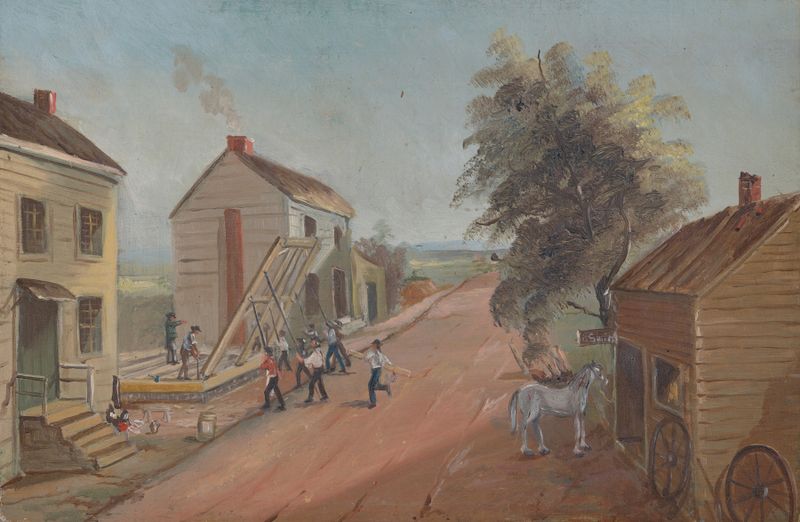
House Raising
William P. Chappel
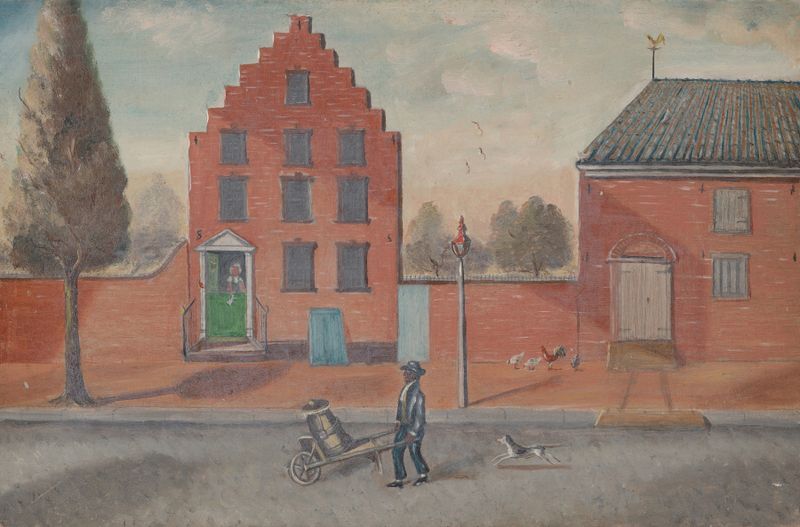
Buttermilk Pedlar
William P. Chappel
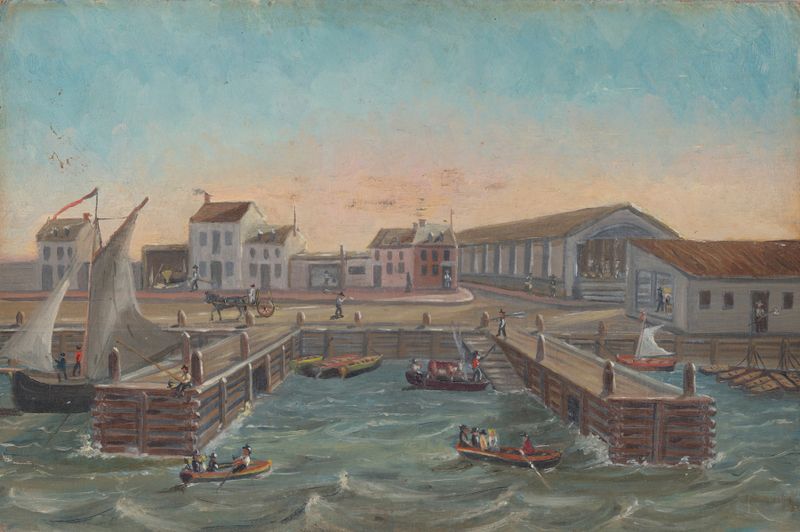
Old Ferry Stairs
William P. Chappel
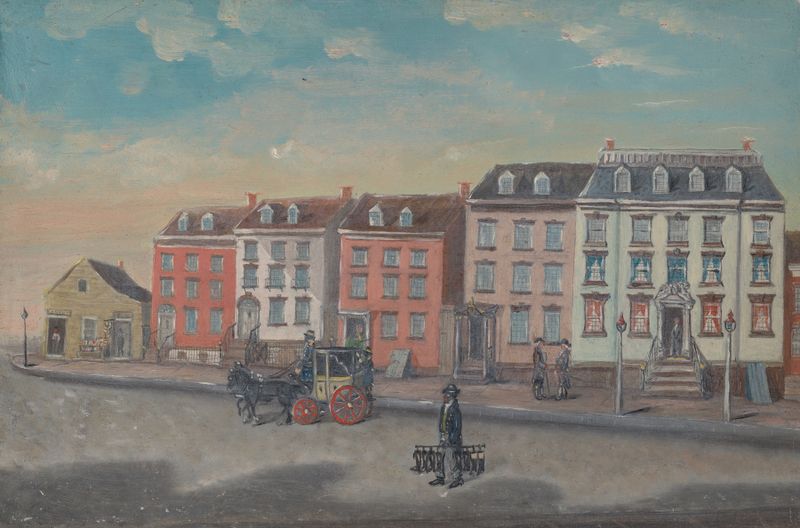
The Boot Black
William P. Chappel
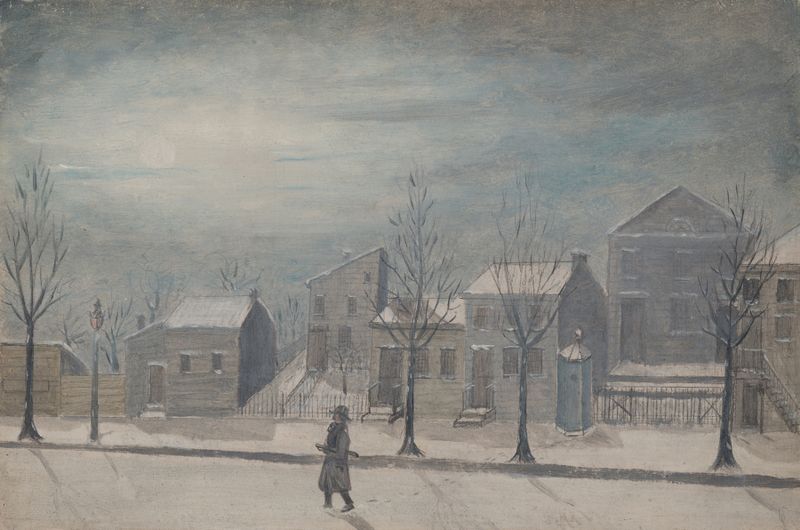
City Watchman
William P. Chappel
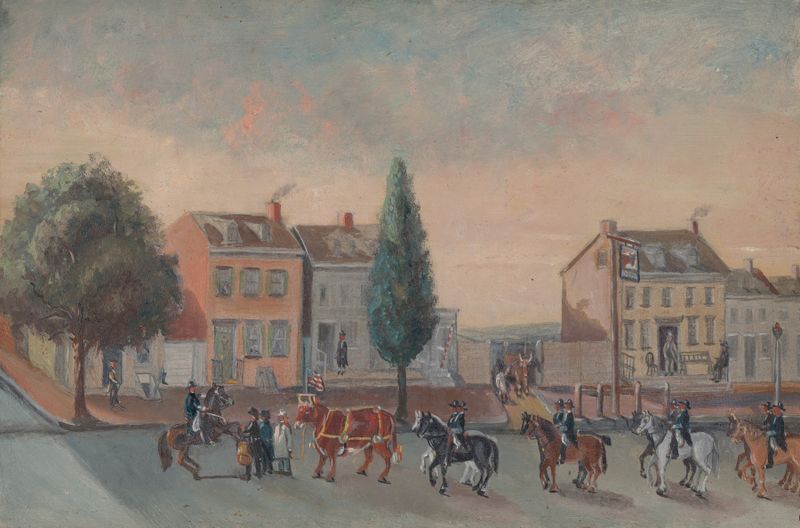
Bull’s Head Tavern
William P. Chappel





