
James Hutton, 1726 – 1797. Geologist — History & Facts
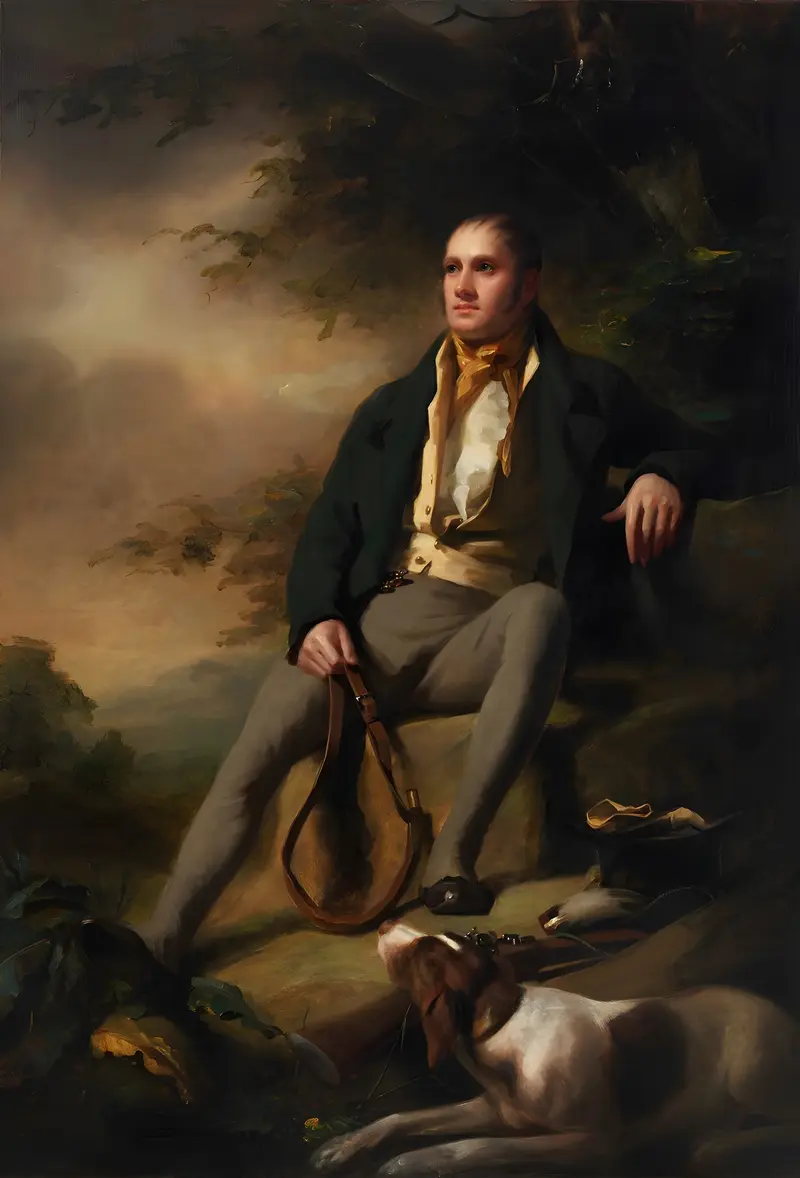
When Sir Henry Raeburn painted James Hutton, 1726 – 1797. Geologist, he captured not only a likeness but the living face of a revolution in science. Hutton’s ideas, first presented to the Royal Society of Edinburgh in 1785, upended centuries of belief, proposing that the Earth was shaped by slow, continuous processes rather than sudden cataclysms.
This portrait stands as one of the few known images of the man whose theory—uniformitarianism—would lay the groundwork for modern geology and influence thinkers from Charles Lyell to Charles Darwin. It is said that Hutton’s friends, recognizing his growing fame and controversy, urged him to sit for Raeburn, Edinburgh’s most sought-after portraitist. Raeburn chooses to show Hutton not in the field, but in quiet reflection, his gaze direct yet contemplative. The sitter’s plain coat and unadorned setting speak to Hutton’s practical, empirical approach, eschewing the trappings of academic grandeur.
Light falls across his face, illuminating the sharp intelligence and restless curiosity that peers from his eyes—the same mind that saw “no vestige of a beginning, no prospect of an end” in the rocks of Scotland. Unlike the more heroic, allegorical portraits of scientists by Joshua Reynolds, Raeburn’s treatment is intimate and unvarnished, emphasizing the humanity behind the intellect. The portrait’s restrained palette and directness echo the Scottish Enlightenment’s values of reason and observation. The precise date and circumstances of this painting remain uncertain, and its early provenance is not fully documented.
What is clear is that James Hutton, 1726 – 1797. Geologist reflects both the sitter’s and the artist’s central roles in Edinburgh’s intellectual life at the turn of the nineteenth century. Raeburn, celebrated for his psychological insight and naturalism, painted many of Scotland’s leading thinkers, and this portrait is often cited among his most significant works for its historical resonance.
Today, the painting is held in the collections of the Scottish National Portrait Gallery, where it continues to inspire visitors with the story of a man who changed how we see the world beneath our feet.
More Artworks by Sir Henry Raeburn

Portrait of Hugh Hope
Sir Henry Raeburn
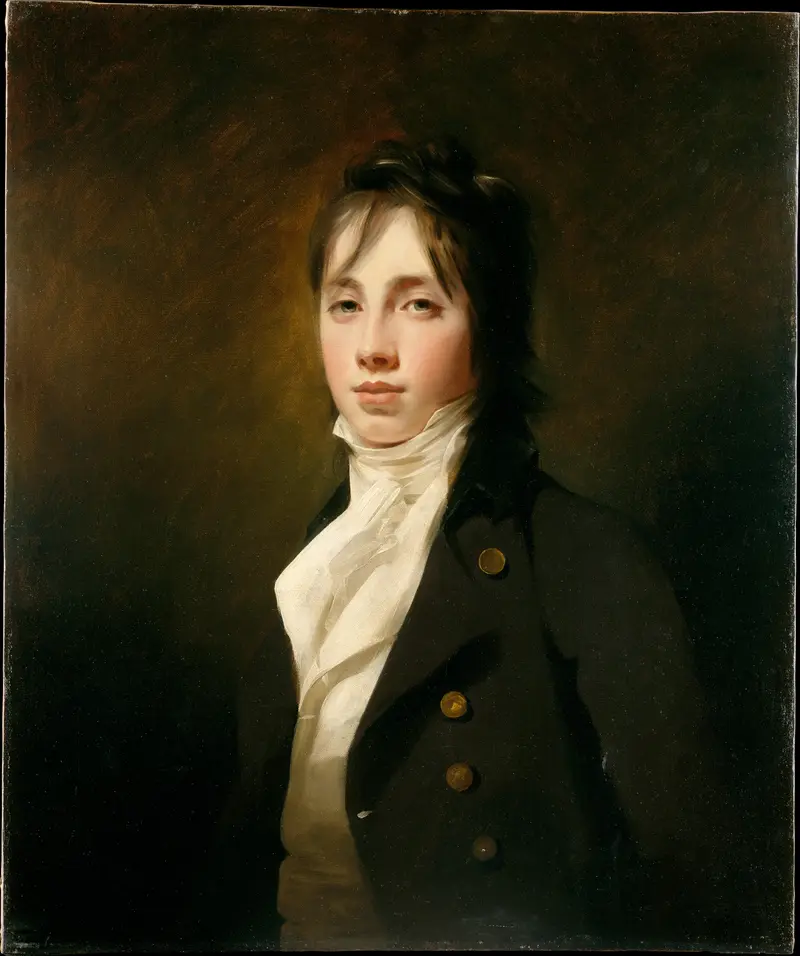
William Fraser of Reelig (1784–1835)
Sir Henry Raeburn
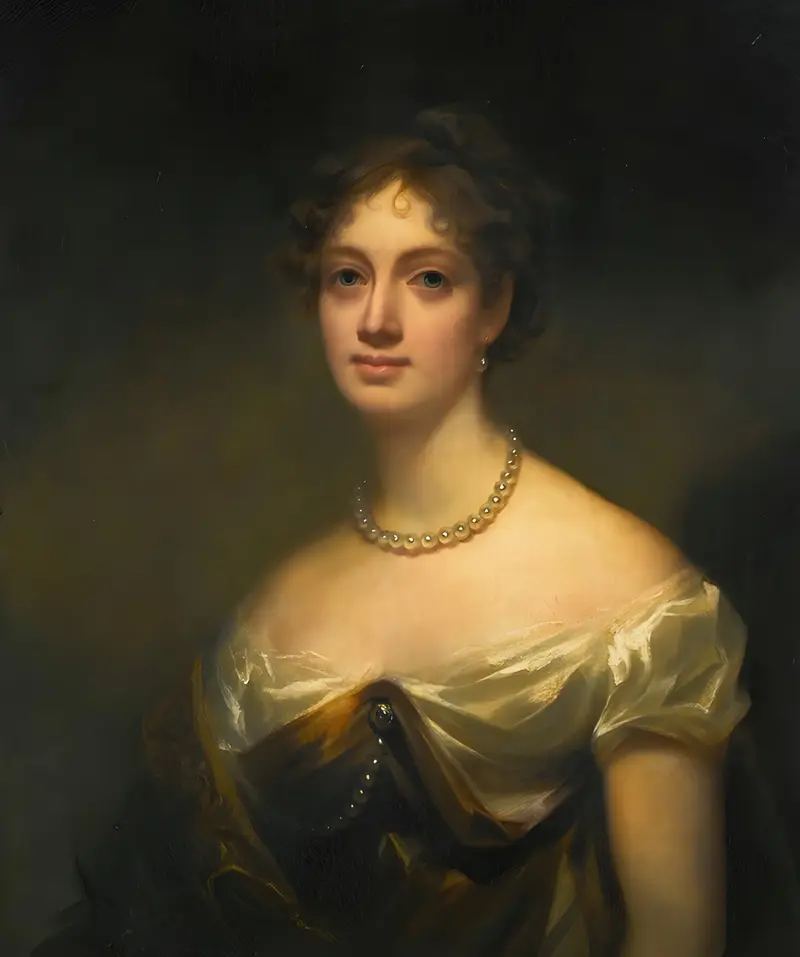
Portrait Of Anne Blair Maconochie Welwood Of Garvock, Lady Meadowbank (1784–1866)
Sir Henry Raeburn
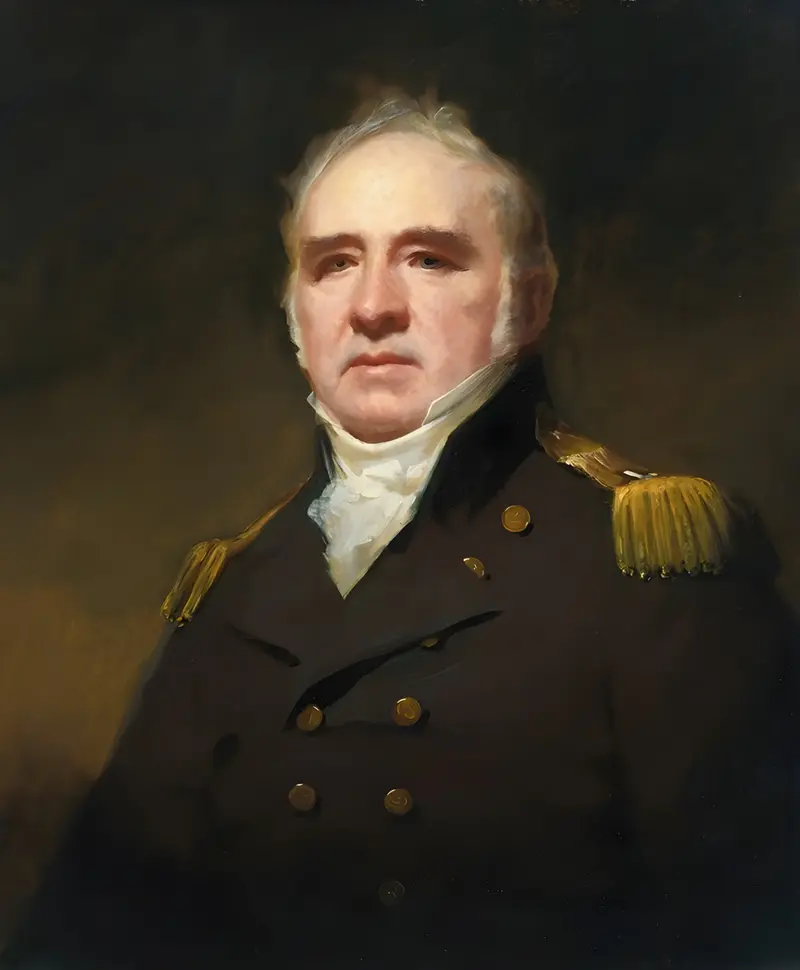
Portrait Of Captain James Forbes-Drummond, R.N., Of Hawthornden
Sir Henry Raeburn
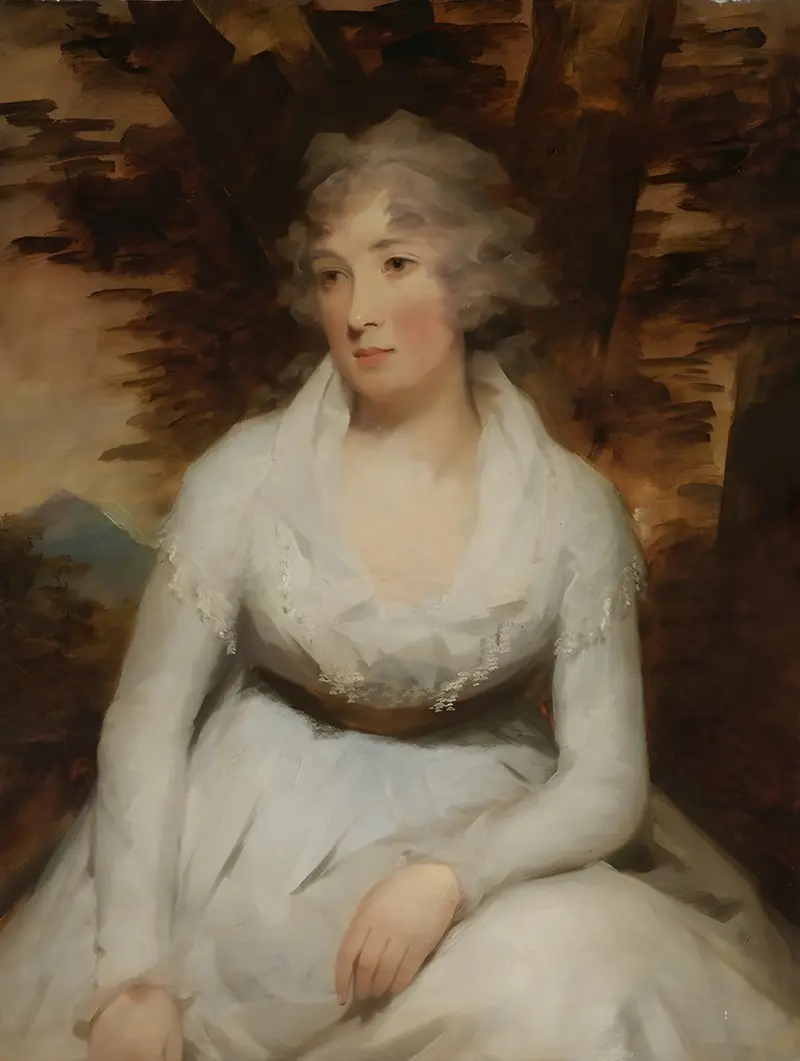
Miss Elizabeth Dalrymple (afterwards Mrs. George Leith)
Sir Henry Raeburn
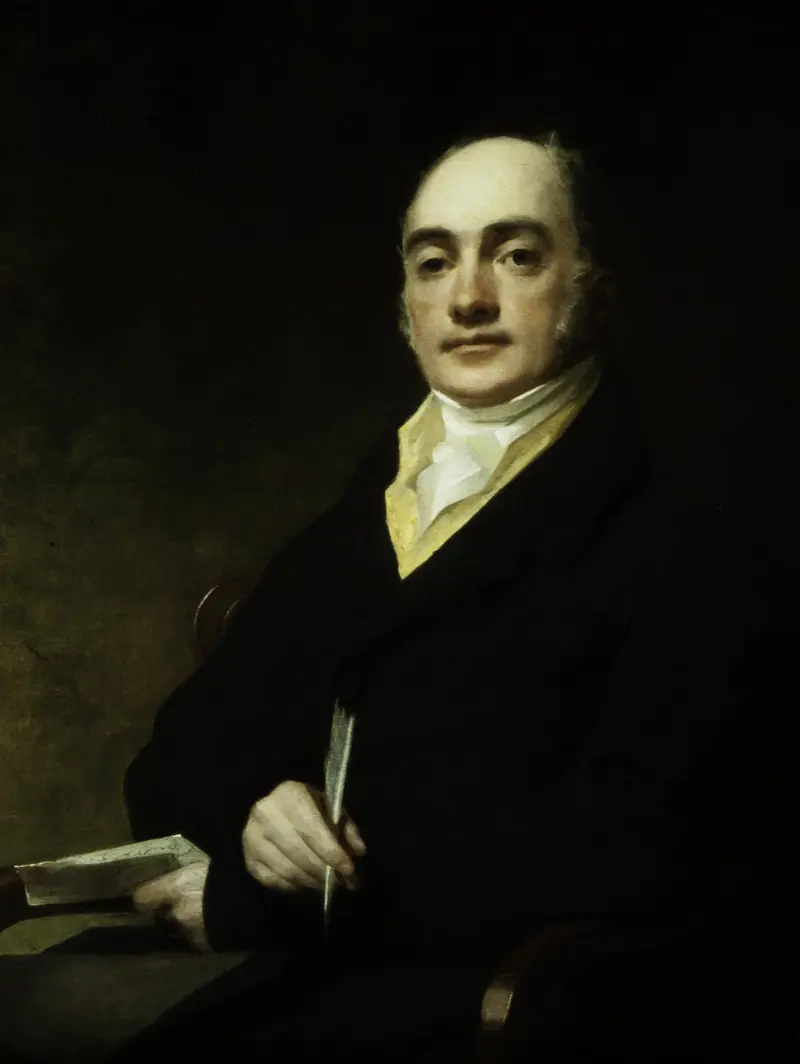
Portrait of John Baillie (1772-1833)
Sir Henry Raeburn
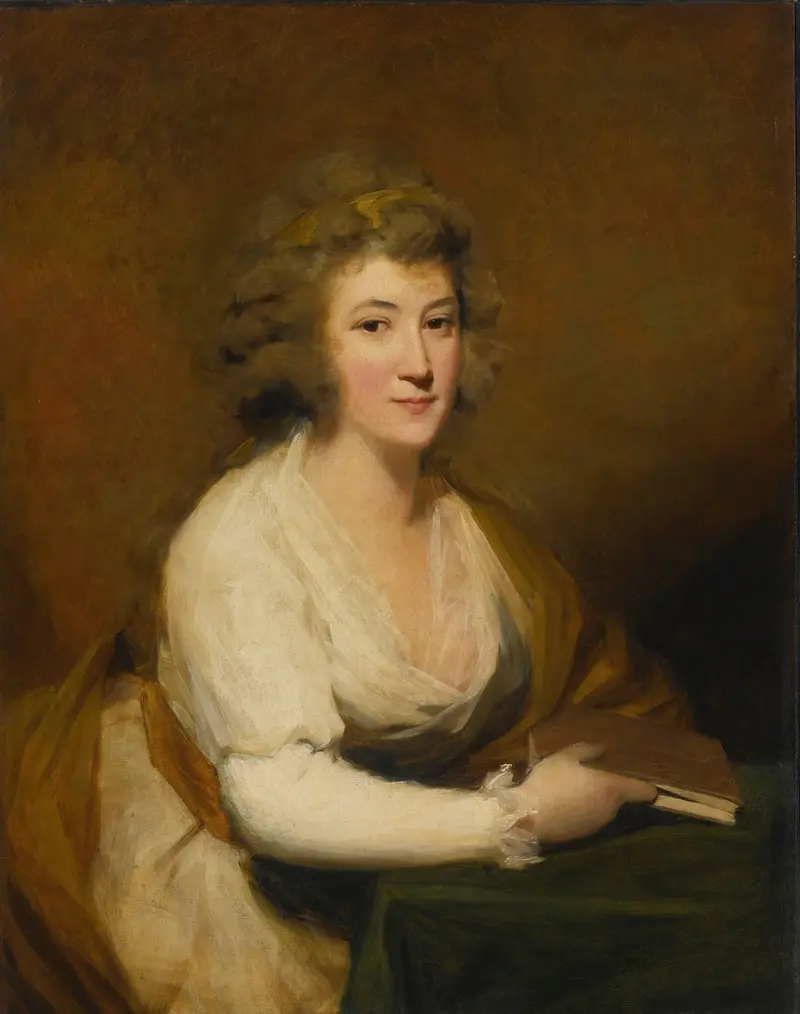
Portrait Of Lady Nasmyth, In A White Dress And Brown Shawl, Seated At A Table, Holding A Book
Sir Henry Raeburn
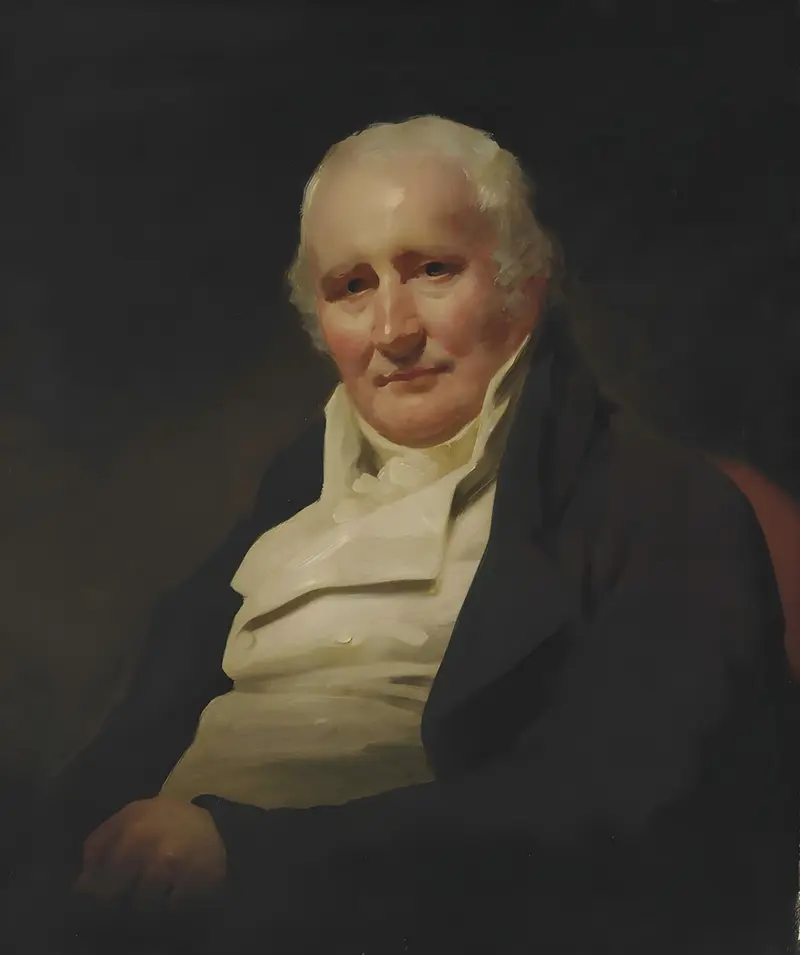
Portrait Of Mr. Spottiswood
Sir Henry Raeburn
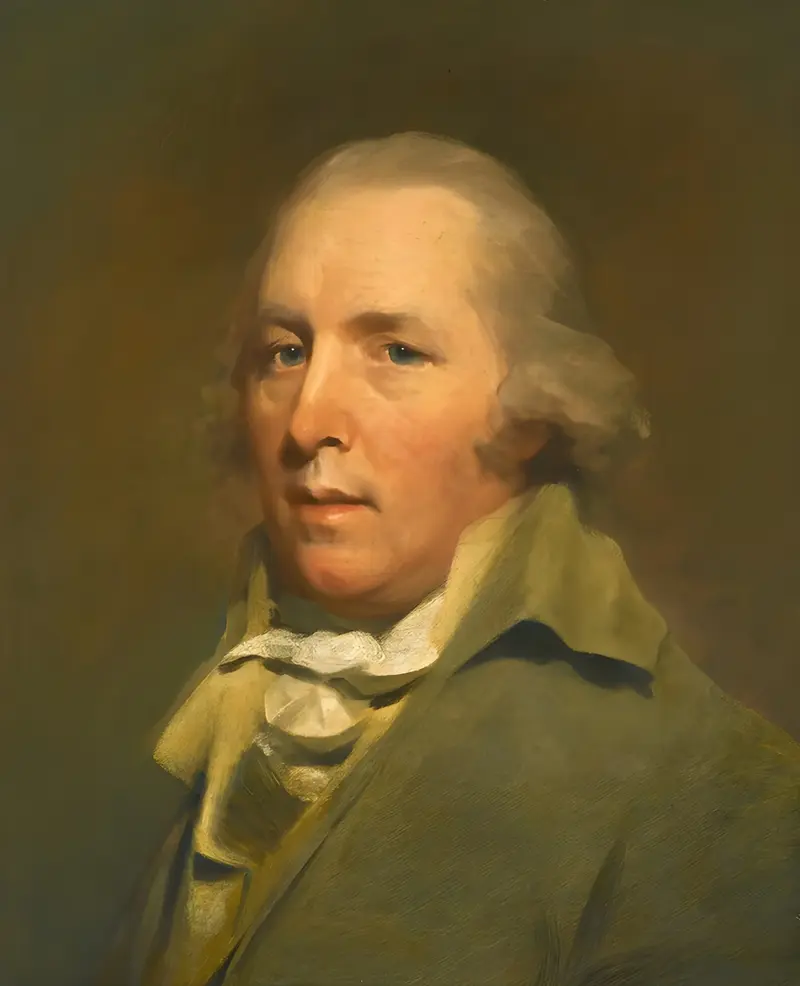
Portrait Of The Reverend John Home (1722-1808)
Sir Henry Raeburn
Portrait of William Hunt (c.1796-1854), Pittencrief House, Dunfermline
Sir Henry Raeburn





