
James Johnston of Straiton (died 1841) — History & Facts
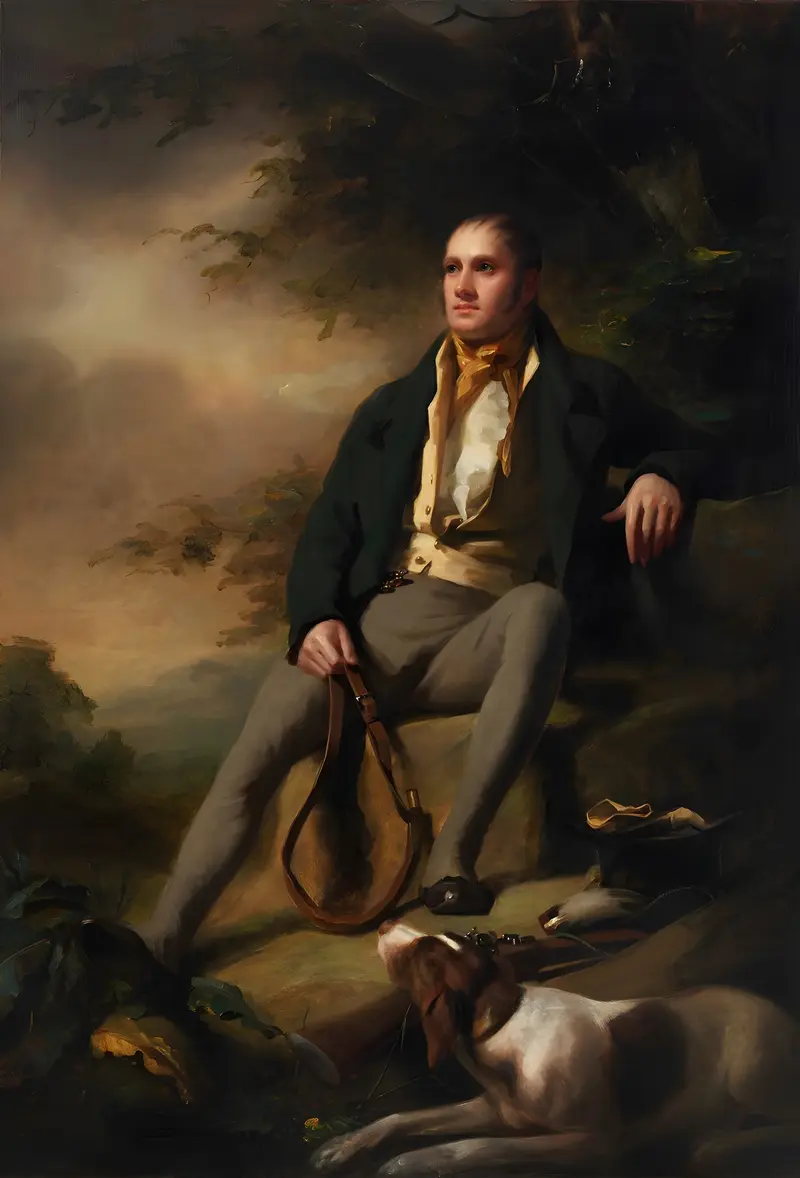
When Sir Henry Raeburn painted James Johnston of Straiton (died 1841), he captured not just a likeness but a man at the very heart of Scottish society. Johnston, a prominent landowner and figure in Edinburgh’s legal circles, was part of the wave of Scottish gentry who sought to immortalize their status through portraiture in the early 19th century. The painting’s sitter was known for his role in local affairs and philanthropy, and his portrait would have been a public statement of both achievement and respectability.
The exact date and circumstances of the commission remain uncertain, but it is clear that Johnston, like many of his peers, turned to Raeburn for the painter’s uncanny ability to convey character. In the portrait, Johnston sits upright, his gaze steady and direct, dressed in sober, elegant attire that signals both affluence and restraint. The light falls across his face, emphasizing a calm intelligence and hinting at the determination that marked his career. Raeburn’s brushwork is broad and confident, lending the sitter a sense of immediacy and presence.
The background is simple, focusing all attention on Johnston’s expression and posture—unlike the more elaborate settings favored by Thomas Lawrence, Raeburn’s contemporary in England, who often surrounded his subjects with symbols of power or learning. Here, the absence of overt props allows Johnston’s personality to take center stage, in keeping with the Scottish tradition of psychological portraiture. The painting’s early history is not fully documented, but it likely remained with the Johnston family for several generations, as was customary for portraits of this type. Over time, it has passed through private collections, its provenance occasionally surfacing in auction records and exhibition catalogues.
Today, James Johnston of Straiton stands as a testament to Raeburn’s reputation as the leading portraitist of the Scottish Enlightenment, a period when the nation’s elite sought to define themselves through art as much as through deeds. Its current whereabouts are not widely publicized, but its style and subject place it firmly within the circle of works that cemented Raeburn’s legacy as the chronicler of a changing Scotland.
More Artworks by Sir Henry Raeburn

Portrait of Hugh Hope
Sir Henry Raeburn
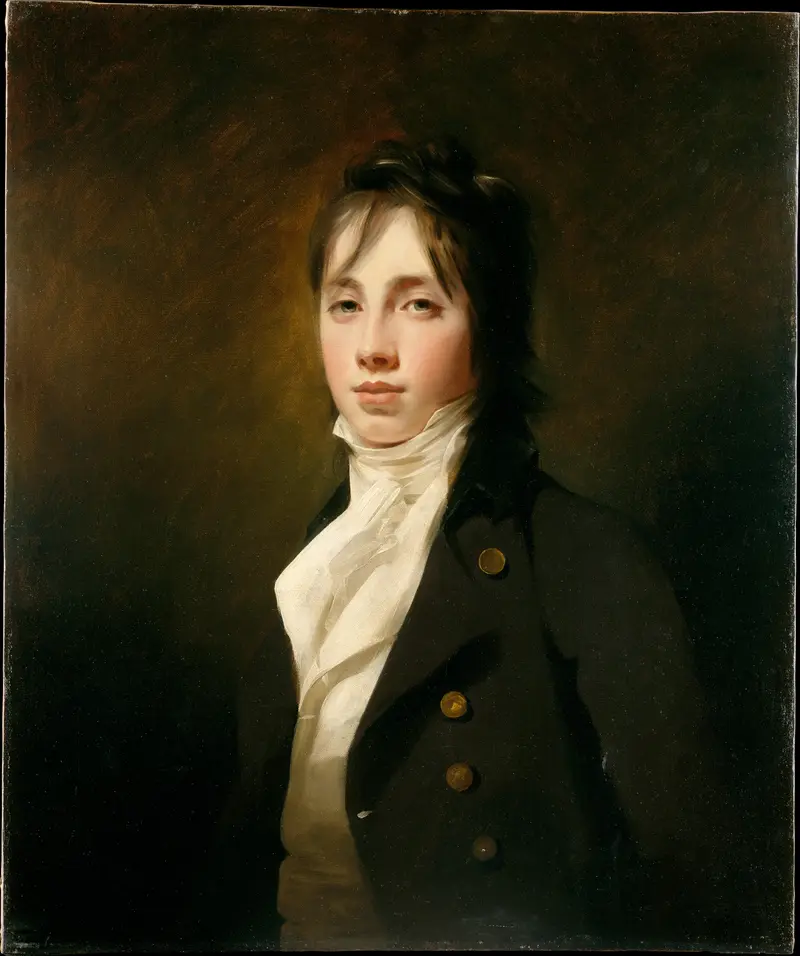
William Fraser of Reelig (1784–1835)
Sir Henry Raeburn
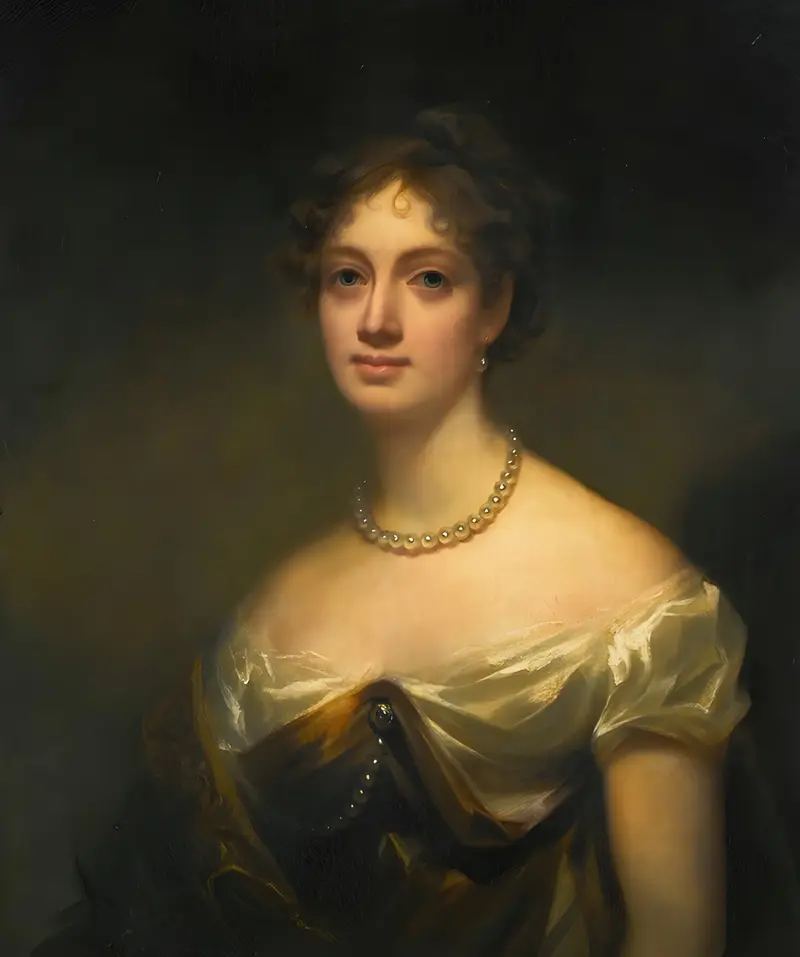
Portrait Of Anne Blair Maconochie Welwood Of Garvock, Lady Meadowbank (1784–1866)
Sir Henry Raeburn
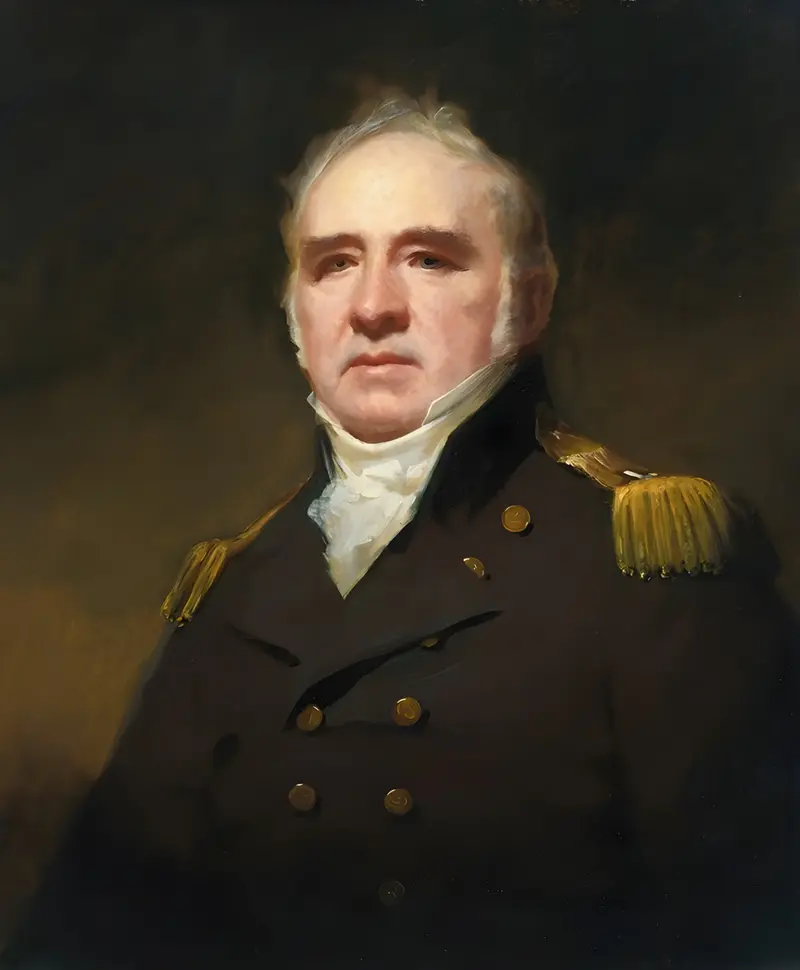
Portrait Of Captain James Forbes-Drummond, R.N., Of Hawthornden
Sir Henry Raeburn
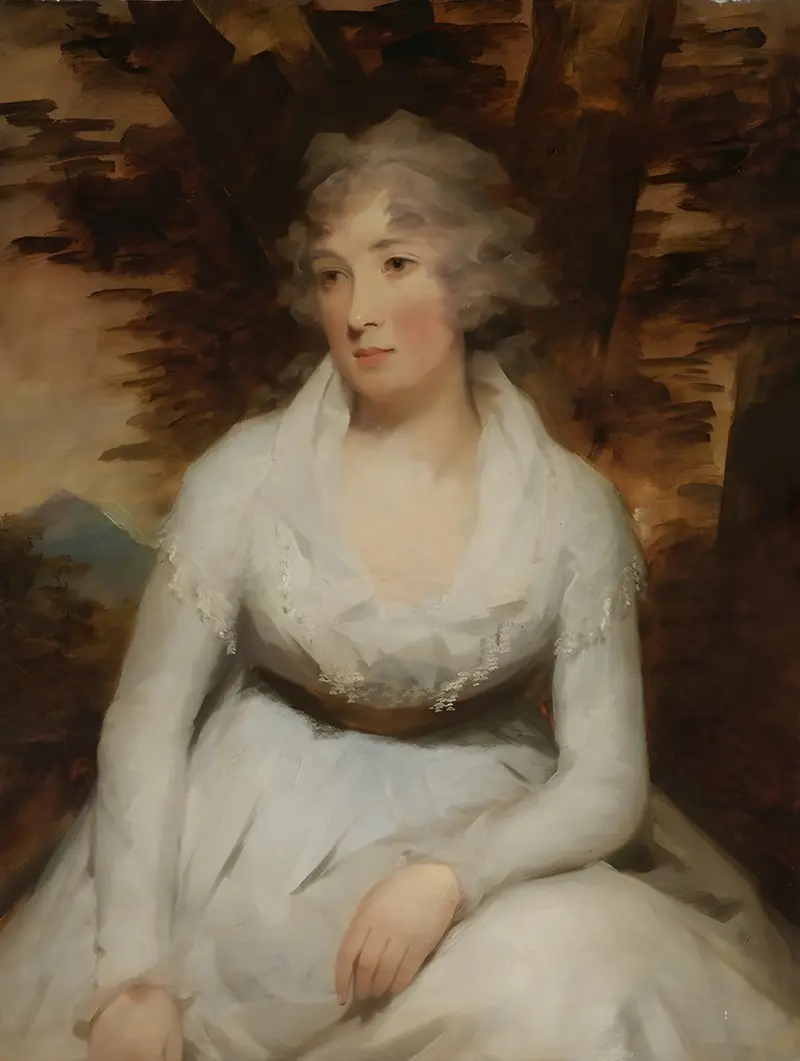
Miss Elizabeth Dalrymple (afterwards Mrs. George Leith)
Sir Henry Raeburn
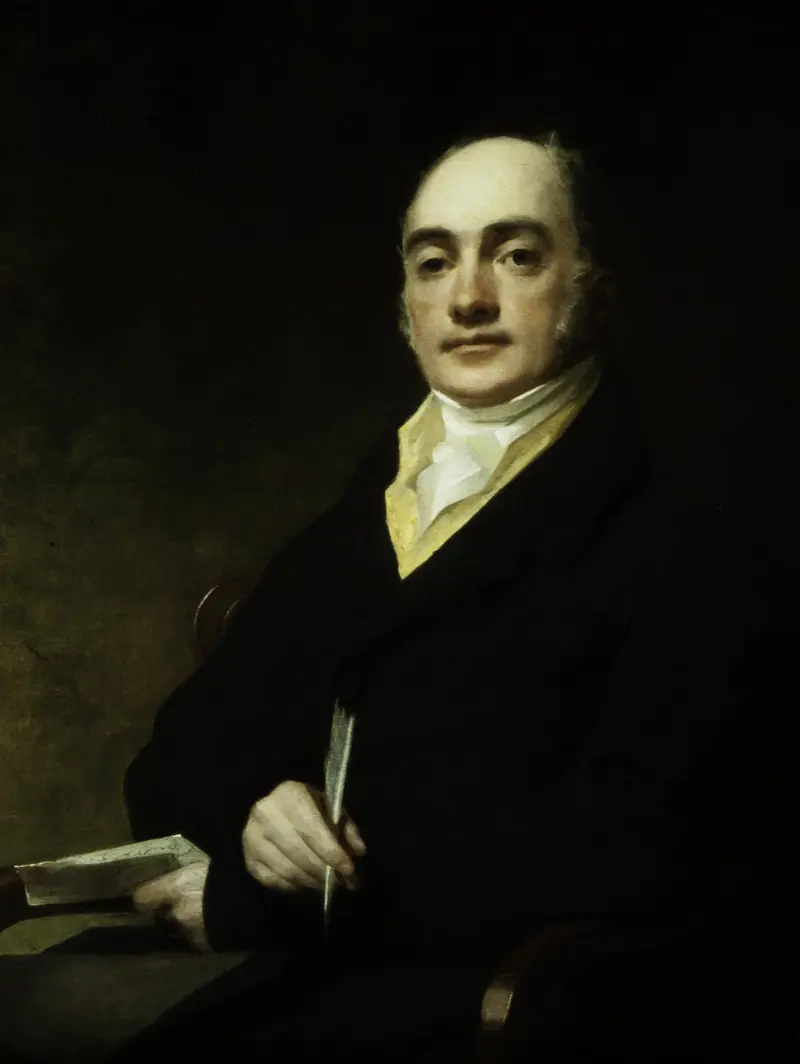
Portrait of John Baillie (1772-1833)
Sir Henry Raeburn
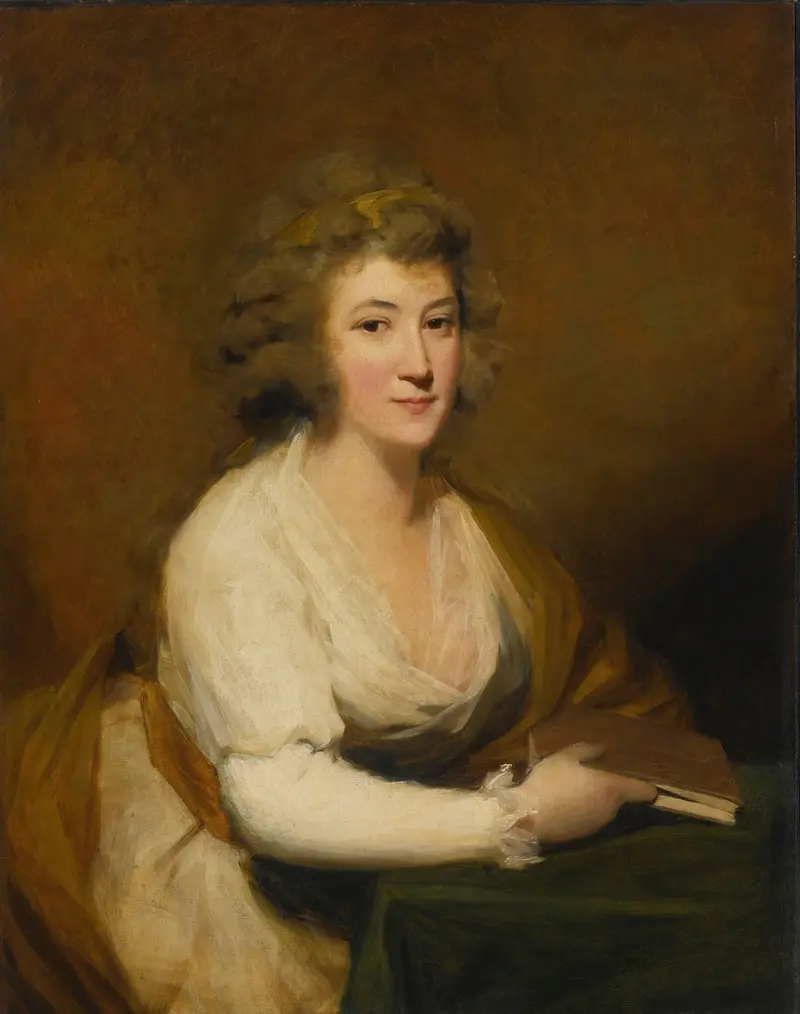
Portrait Of Lady Nasmyth, In A White Dress And Brown Shawl, Seated At A Table, Holding A Book
Sir Henry Raeburn
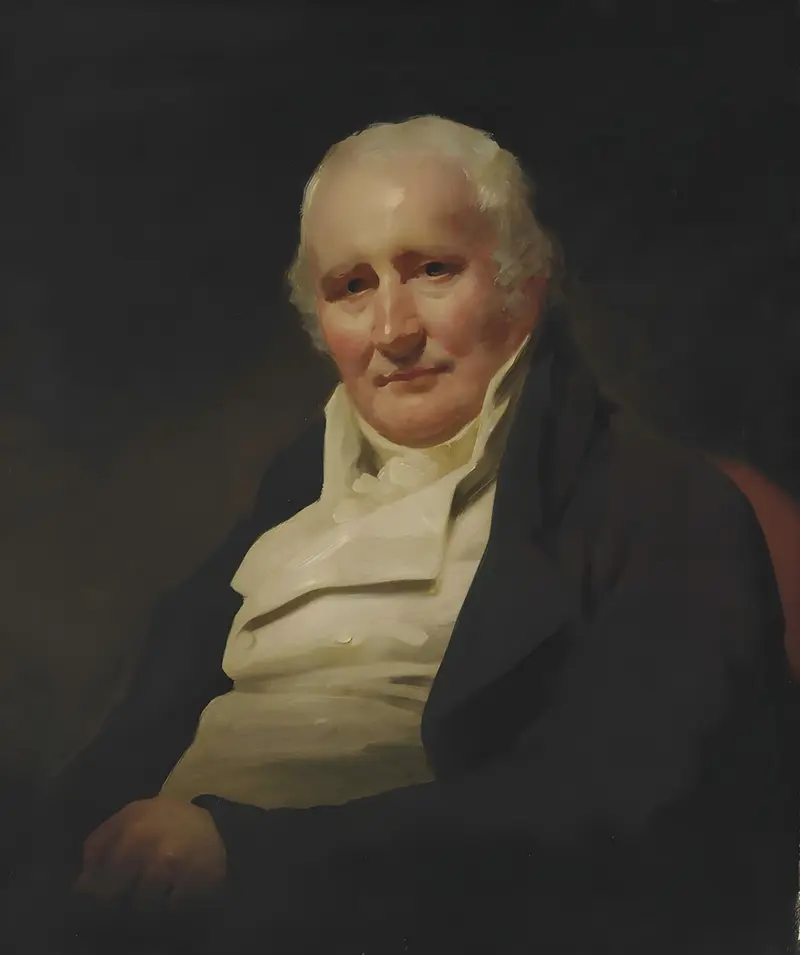
Portrait Of Mr. Spottiswood
Sir Henry Raeburn
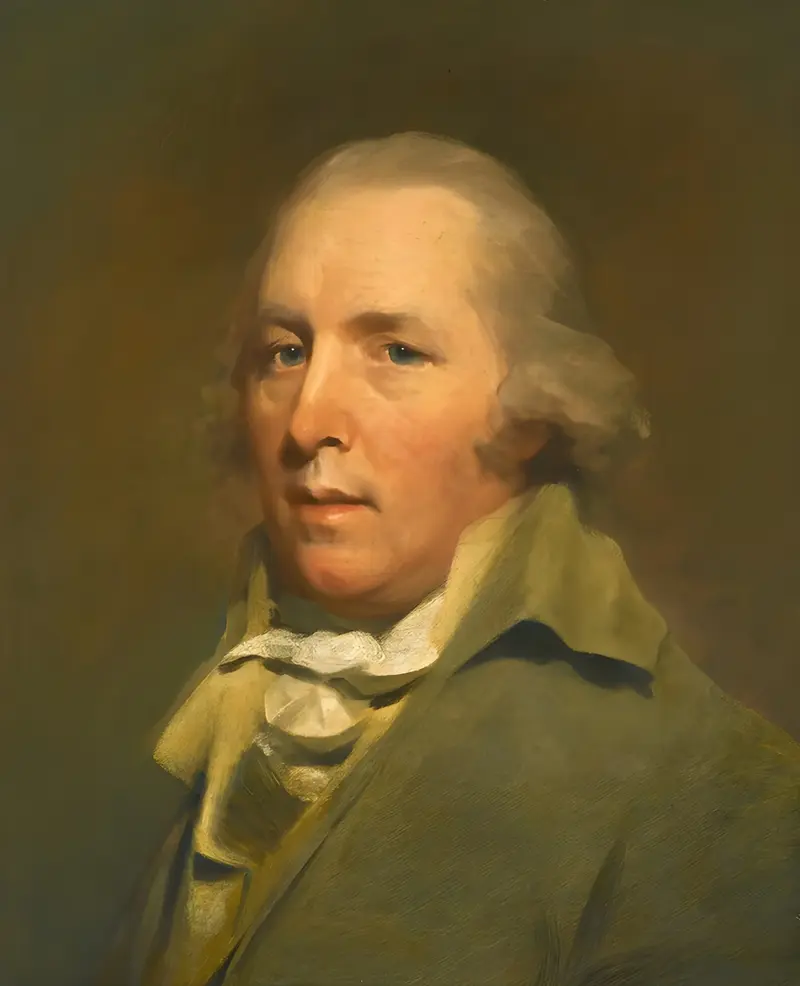
Portrait Of The Reverend John Home (1722-1808)
Sir Henry Raeburn
Portrait of William Hunt (c.1796-1854), Pittencrief House, Dunfermline
Sir Henry Raeburn





