
Janet Law — History & Facts
The most intriguing aspect of Janet Law is the enduring uncertainty surrounding its origins: neither the precise date of its creation nor the circumstances of its commission are known, inviting speculation among art historians. This air of mystery is heightened by the fact that, unlike many of Sir Henry Raeburn’s celebrated portraits, there is little documentation about Janet Law herself, whose name survives only through this painting. The work stands as a testament to the many sitters—especially women—whose stories are preserved only in paint, not in the written record.
Despite this, the portrait has long been admired for its quiet psychological depth, a hallmark of Raeburn's approach to his subjects. In the painting, Janet Law faces the viewer with a direct, composed gaze, her posture both dignified and relaxed. She is dressed in the fashion of late eighteenth or early nineteenth-century Scotland, her attire rendered with the loose, confident brushwork that distinguishes Raeburn’s mature style. The light falls softly on her face, illuminating her features and casting gentle shadows that lend her presence a sense of immediacy.
The absence of elaborate props or background details focuses attention on her expression, inviting viewers to imagine her inner life. This psychological focus recalls Raeburn’s portrait of Mrs. Richard Alexander Oswald, where the sitter’s individuality is foregrounded over social status or narrative. As with many portraits by Raeburn, Janet Law likely remained in private hands for much of its existence, passed down through family lines or local collections.
The lack of early exhibition records or correspondence about the painting has made its provenance difficult to trace, and its medium—perhaps oil on canvas, as was typical for Raeburn—remains unconfirmed. Today, the portrait is valued as an example of Raeburn’s ability to capture the character of his sitters with economy and warmth, even when little is known about their lives. It stands as a quietly powerful representative of Scottish portraiture in the period, and a reminder of the many stories that remain just out of reach.
More Artworks by Sir Henry Raeburn

Portrait of Hugh Hope
Sir Henry Raeburn
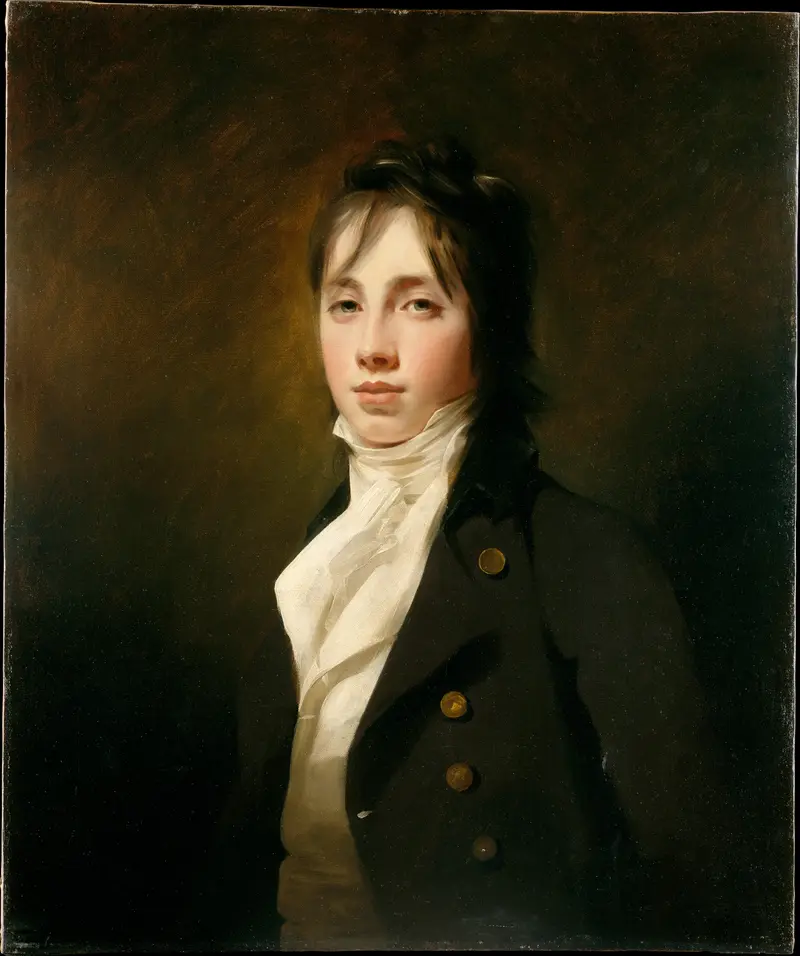
William Fraser of Reelig (1784–1835)
Sir Henry Raeburn
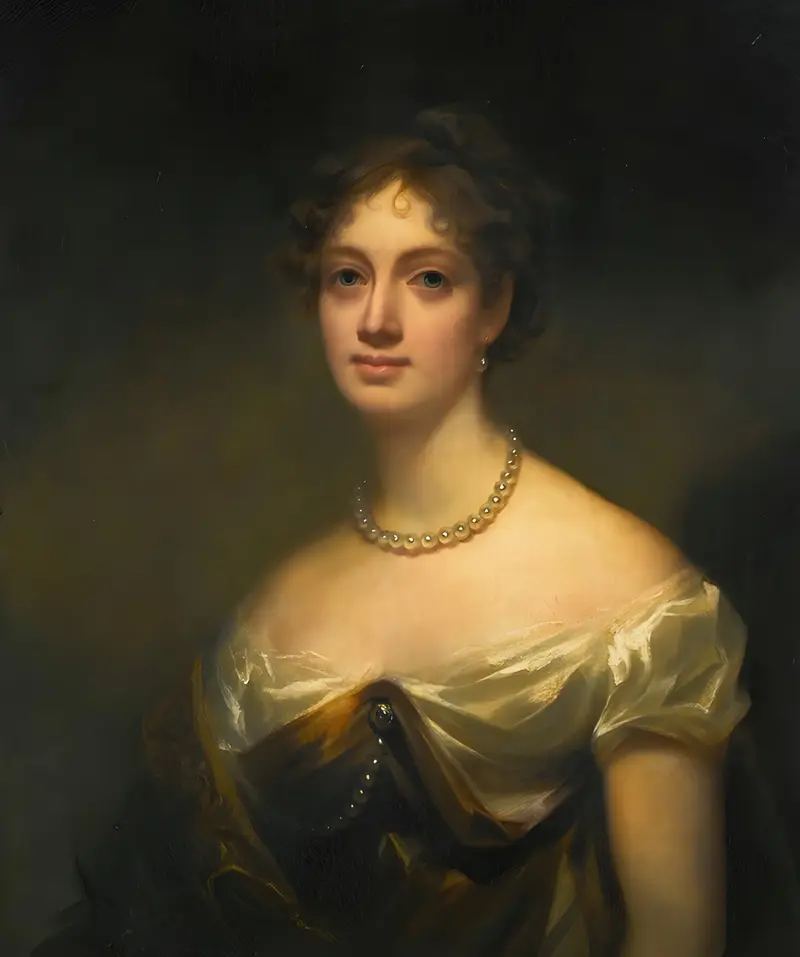
Portrait Of Anne Blair Maconochie Welwood Of Garvock, Lady Meadowbank (1784–1866)
Sir Henry Raeburn
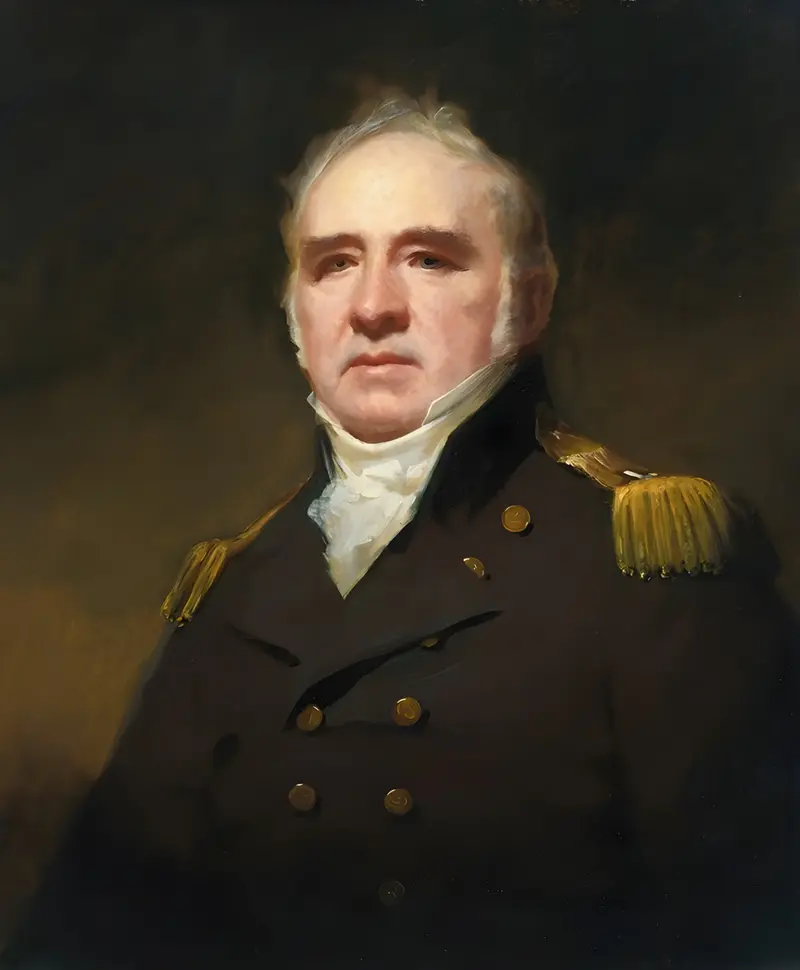
Portrait Of Captain James Forbes-Drummond, R.N., Of Hawthornden
Sir Henry Raeburn
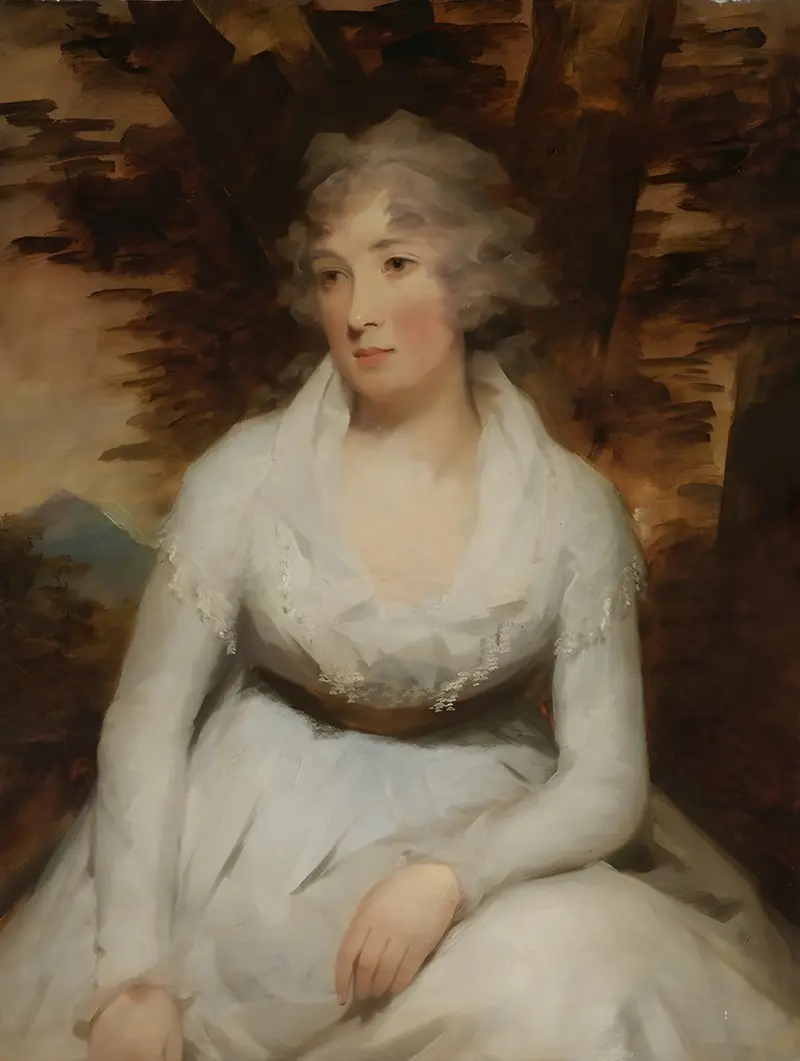
Miss Elizabeth Dalrymple (afterwards Mrs. George Leith)
Sir Henry Raeburn
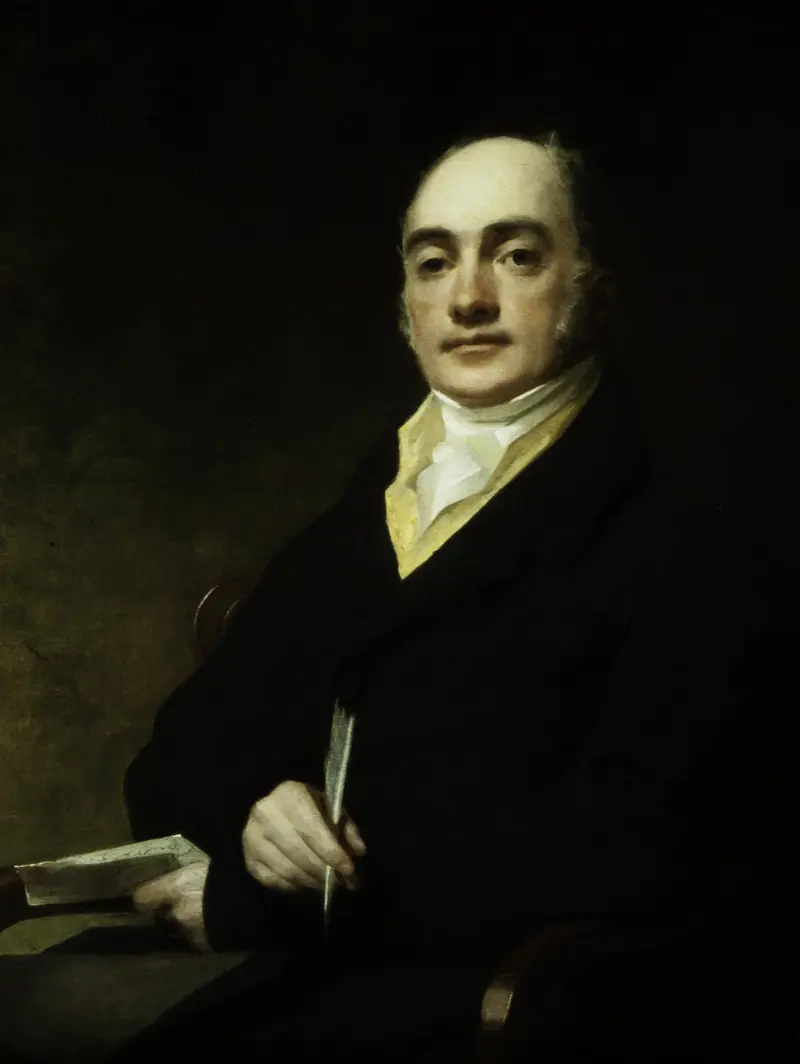
Portrait of John Baillie (1772-1833)
Sir Henry Raeburn
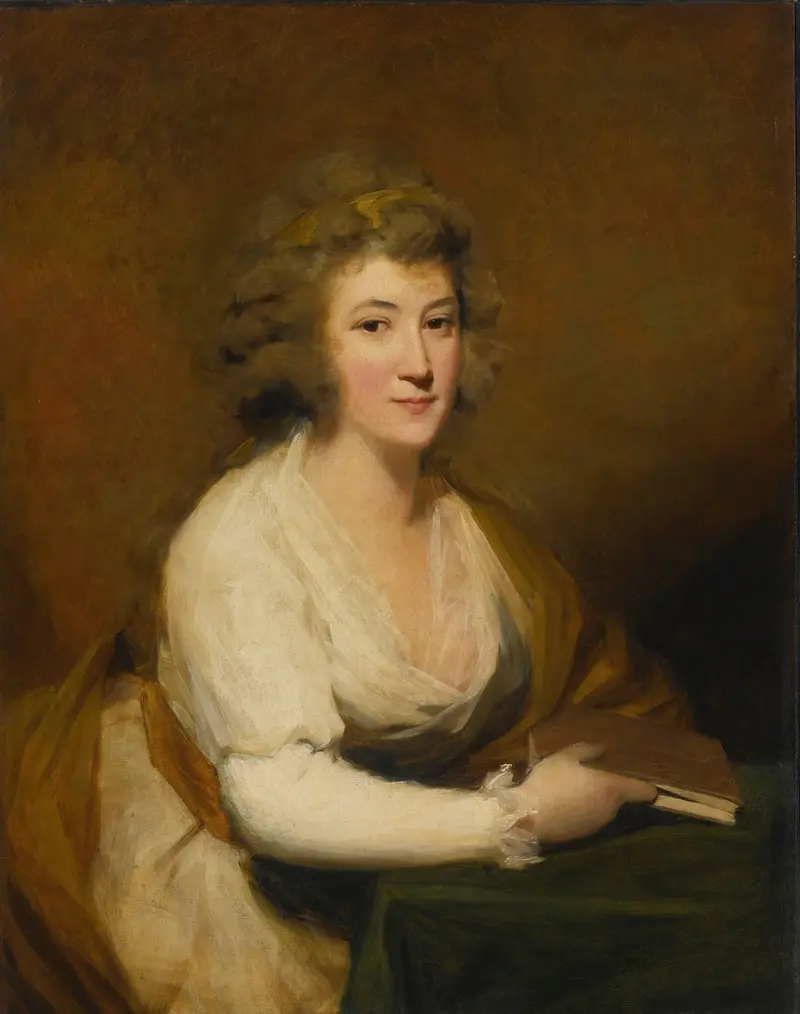
Portrait Of Lady Nasmyth, In A White Dress And Brown Shawl, Seated At A Table, Holding A Book
Sir Henry Raeburn
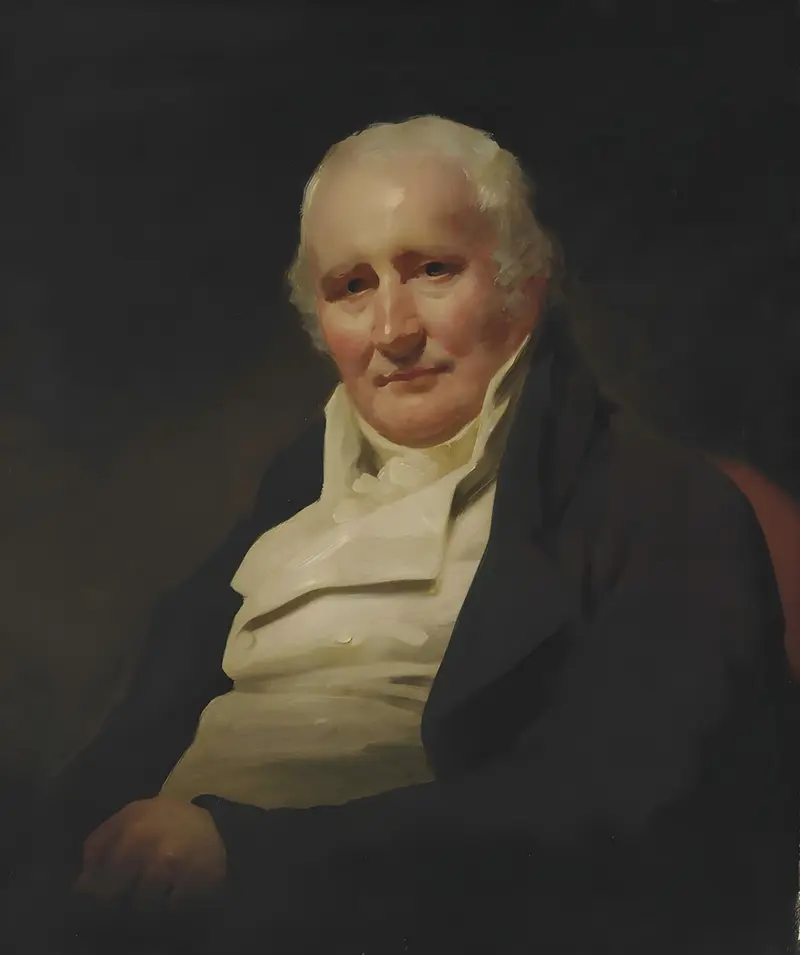
Portrait Of Mr. Spottiswood
Sir Henry Raeburn
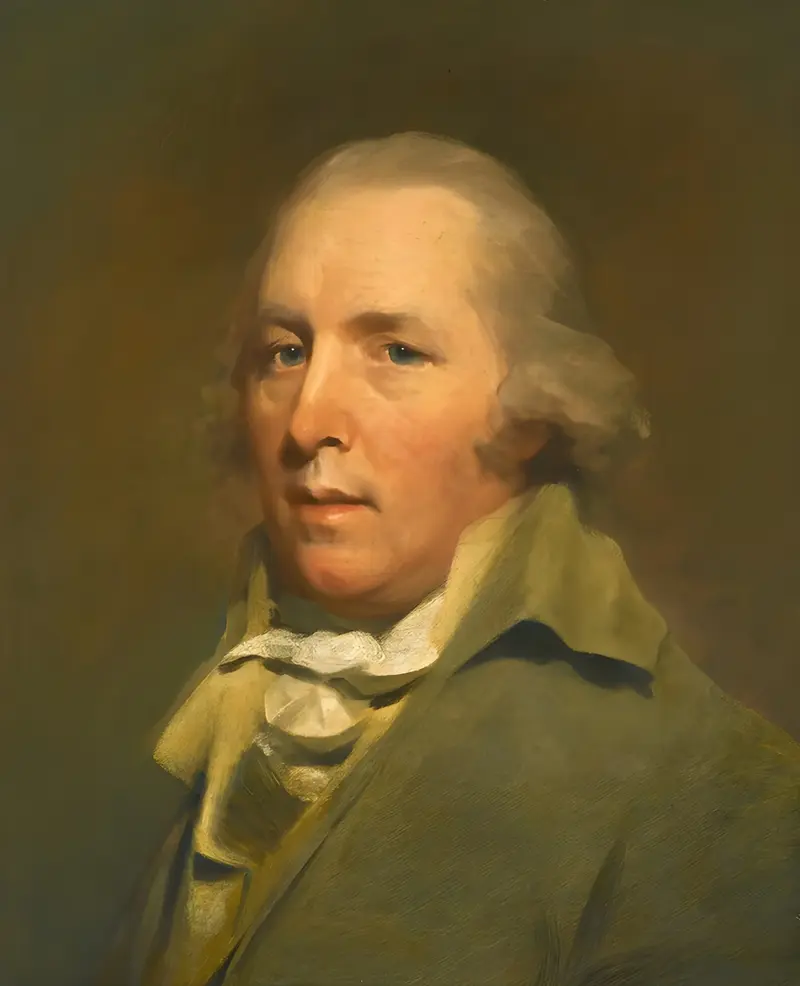
Portrait Of The Reverend John Home (1722-1808)
Sir Henry Raeburn
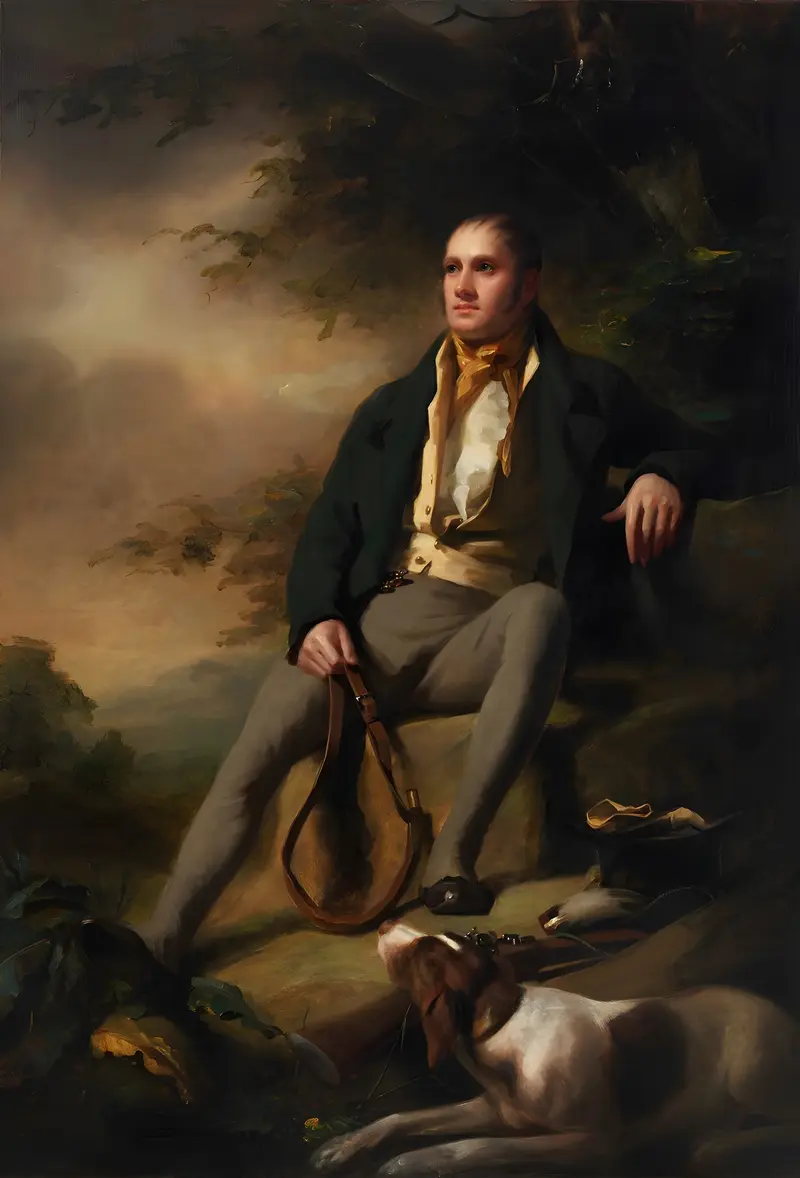
Portrait of William Hunt (c.1796-1854), Pittencrief House, Dunfermline
Sir Henry Raeburn





