
Jester with lute — History & Facts
No one who stood before Jester with lute in the 1620s could mistake its subject: in Haarlem, Frans Hals was famed for his vivid portraits of local characters, and this painting is one of the few from the Dutch Golden Age to immortalize a professional fool. While most sitters paid handsomely for their likenesses, jesters were rarely painted at all, let alone with such energy. The identity of the sitter remains uncertain, but some believe he was a well-known performer in Haarlem’s taverns, captured by Hals at the height of his popularity. The jester, caught mid-song, grins broadly as he strums his lute, his gaze meeting ours with a conspiratorial spark.
The bright, mismatched costume—striped sleeves, a feathered cap—signals his role as entertainer and outsider, while the lute in his hands hints at both merriment and the fleeting nature of pleasure. Hals’s loose, rapid brushwork animates the scene, making the figure seem to move and laugh before us. Unlike the more moralizing fools of Hieronymus Bosch or the melancholy jesters of Diego Velázquez, this jester is neither warning nor victim: he is alive in the moment, inviting us to join his song. As with many of Hals’s genre scenes, the early history of Jester with lute is obscure; no patron is recorded, and it likely passed through private hands for centuries before entering a museum collection.
The painting’s attribution has never been seriously challenged—its lively brushwork and psychological immediacy are hallmarks of Hals’s mature style, dating to the early 1620s. Today, it stands as a testament to the artist’s fascination with the people of his city, both high and low, and to his ability to capture the fleeting spark of character in oil.
More Artworks by Frans Hals

Banquet of the Officers of the St George Civic Guard
Frans Hals

Portrait of Jacob Pietersz Olycan (1596-1638)
Frans Hals
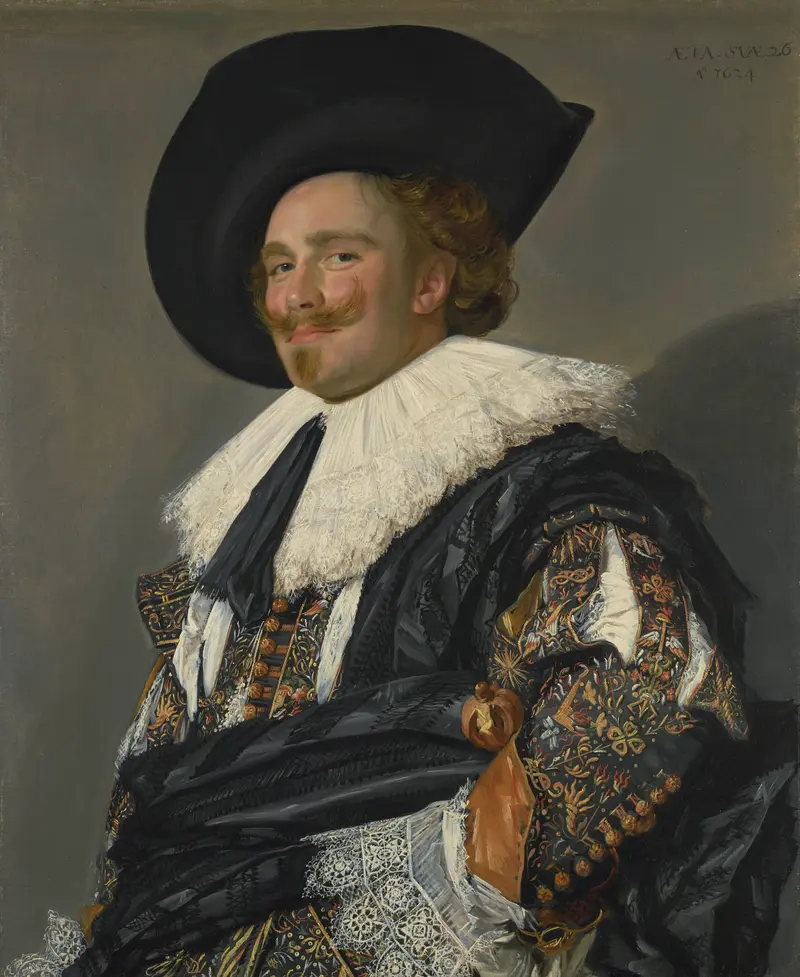
Laughing Cavalier
Frans Hals

Militia Company of District XI under the Command of Captain Reynier Reael, Known as ‘The Meagre Company’
Frans Hals
Regentesses of the Old Men's Alms House
Frans Hals
Portrait of Aletta Hanemans (1606–1653)
Frans Hals
Portrait of a Married Couple, Likely Isaac Abrahamsz Massa and Beatrix van der Laen
Frans Hals
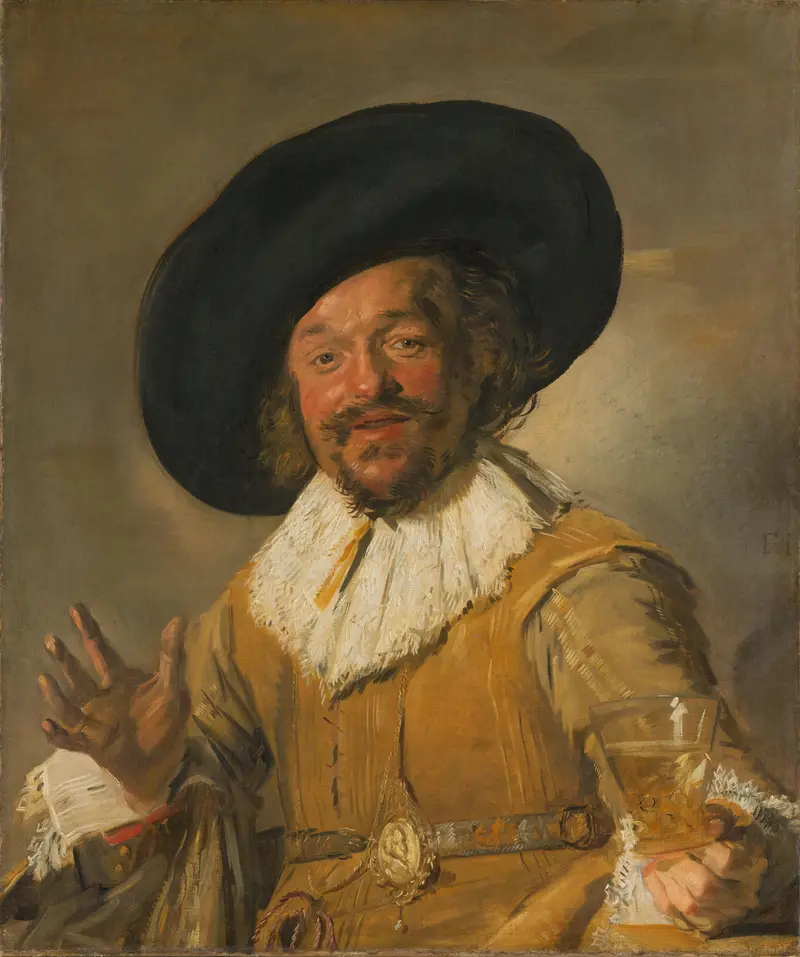
The Merry Drinker
Frans Hals
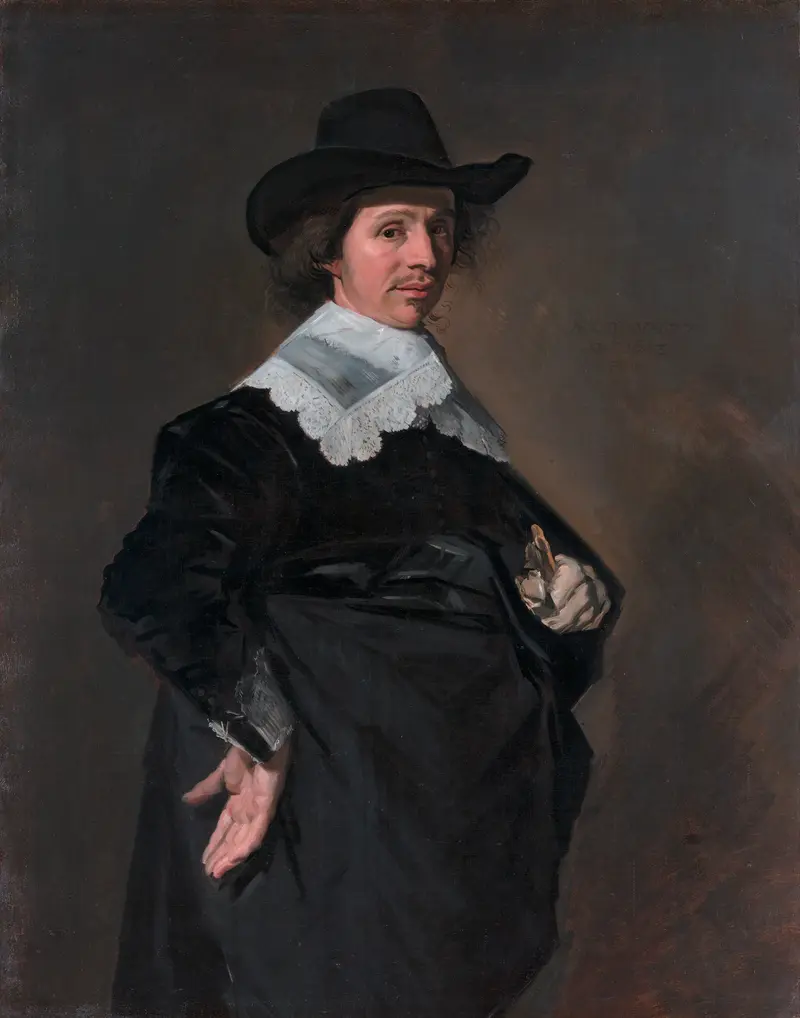
Portrait of Paulus Verschuur
Frans Hals
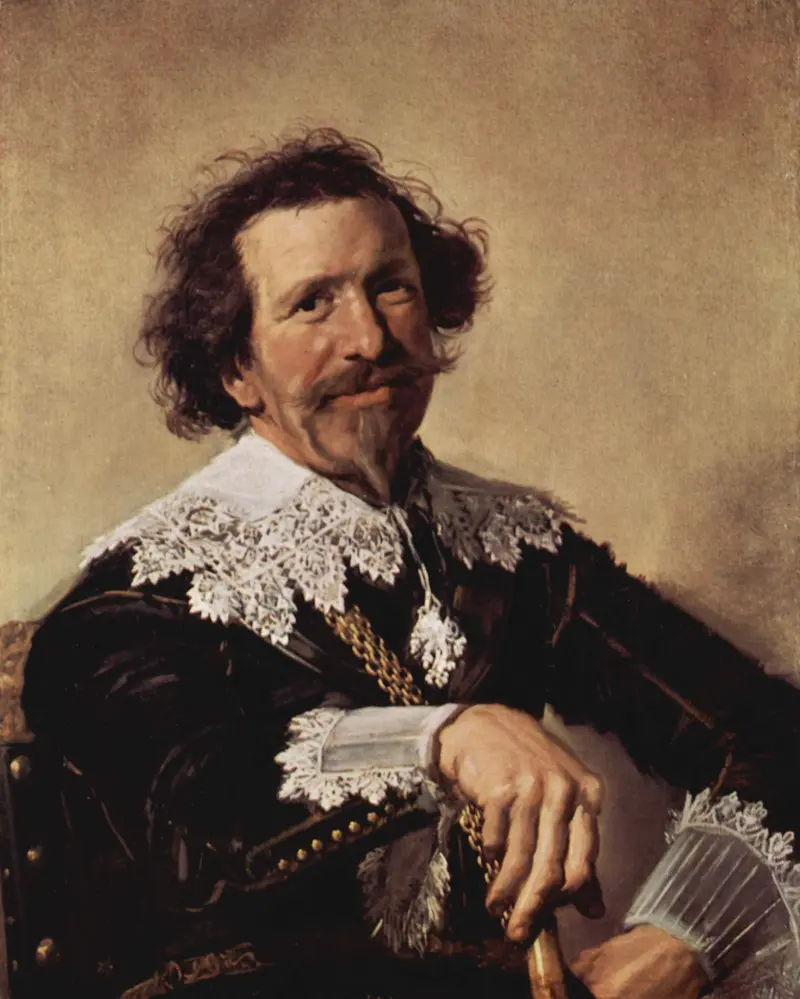
Portrait of Pieter van den Broecke
Frans Hals
More Genre Scene Art
Banquet of the Officers of the St George Civic Guard
Frans Hals

Rembrandt and Saskia in the Scene of the Prodigal Son
Rembrandt van Rijn

Bal du moulin de la Galette
Pierre-Auguste Renoir

Quadrille at the Moulin Rouge
Henri de Toulouse-Lautrec

A Burial at Ornans
Gustave Courbet

When Will You Marry?
Paul Gauguin