
John Gray (1731–1811) of Newholm — History & Facts
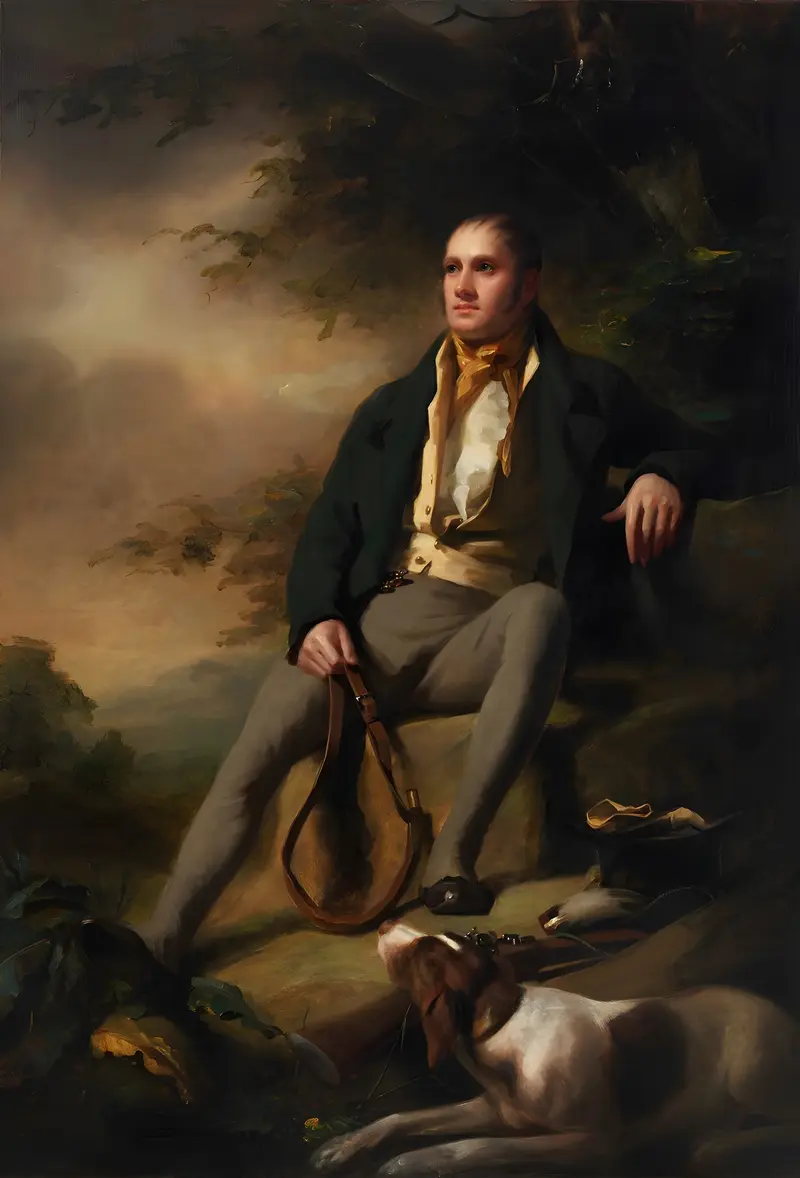
When Sir Henry Raeburn painted John Gray (1731–1811) of Newholm, he captured not just a likeness but the living presence of a man whose family would become central to the Scottish Enlightenment's rural transformation. The Gray family’s Newholm estate, near Peebles, was a model of agricultural progress in the late 18th century, and John Gray himself was known for introducing modern farming methods to the region. The portrait stands as a testament to the rise of Scotland’s landed gentry, whose innovations shaped the landscape and economy for generations. Raeburn chose to depict John Gray at the height of his influence, likely in his later years, with the sitter’s calm gaze meeting the viewer directly.
The painting’s restrained palette and natural light focus attention on Gray’s thoughtful expression and sturdy posture, suggesting both intellect and resolve. The plain background and unadorned attire speak to Gray’s practical nature, while the subtle play of shadow across his face hints at the seriousness of his pursuits. Unlike the grand, theatrical portraits of Thomas Gainsborough, Raeburn’s approach here is intimate and direct, drawing us into the sitter’s world rather than placing him on a distant pedestal. The precise date and circumstances of this portrait’s commission remain uncertain, as does its early provenance, reflecting the often private nature of Scottish portraiture in this era.
What is clear is that John Gray (1731–1811) of Newholm belongs to the period when Raeburn was at the height of his powers, painting the leading figures of Edinburgh society. The work has passed through several private collections and now resides in a public institution, where it continues to offer viewers a glimpse into the life and character of one of Scotland’s quiet innovators. Its survival and prominence today underscore both the enduring appeal of Raeburn’s honest style and the historical importance of his sitters.
More Artworks by Sir Henry Raeburn

Portrait of Hugh Hope
Sir Henry Raeburn
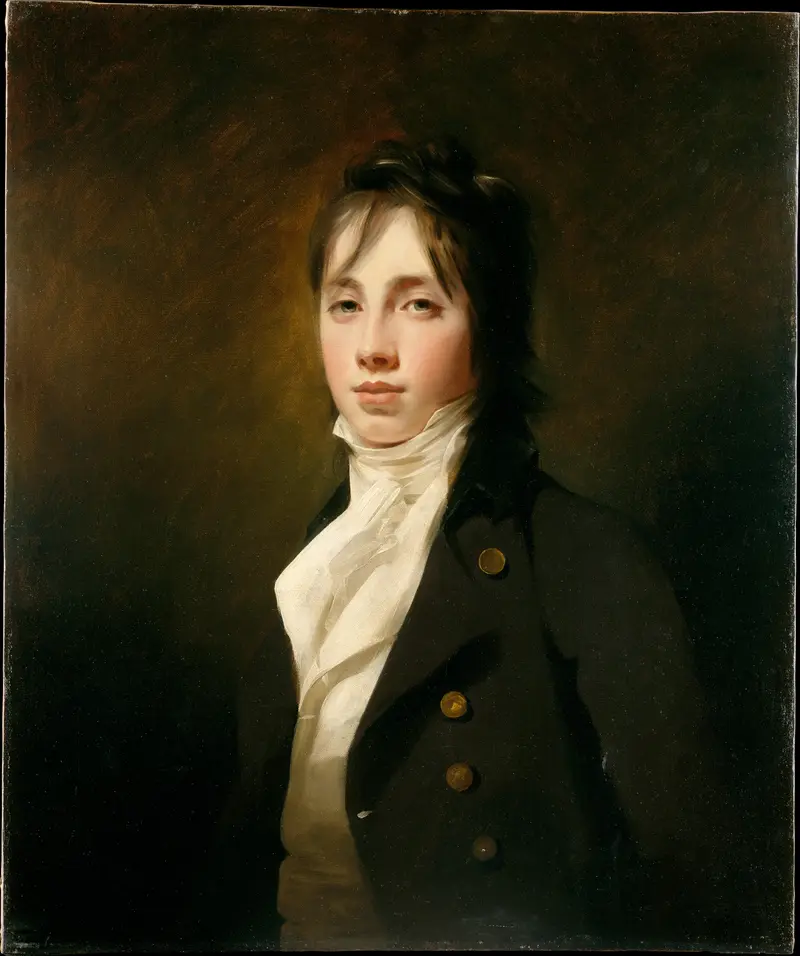
William Fraser of Reelig (1784–1835)
Sir Henry Raeburn
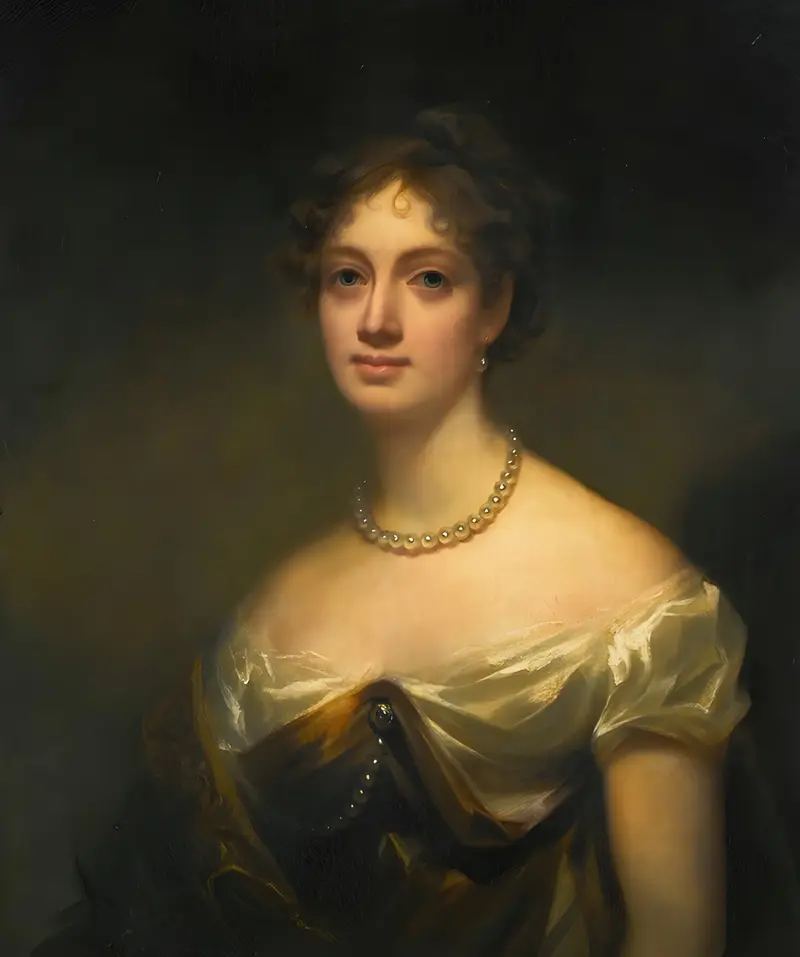
Portrait Of Anne Blair Maconochie Welwood Of Garvock, Lady Meadowbank (1784–1866)
Sir Henry Raeburn
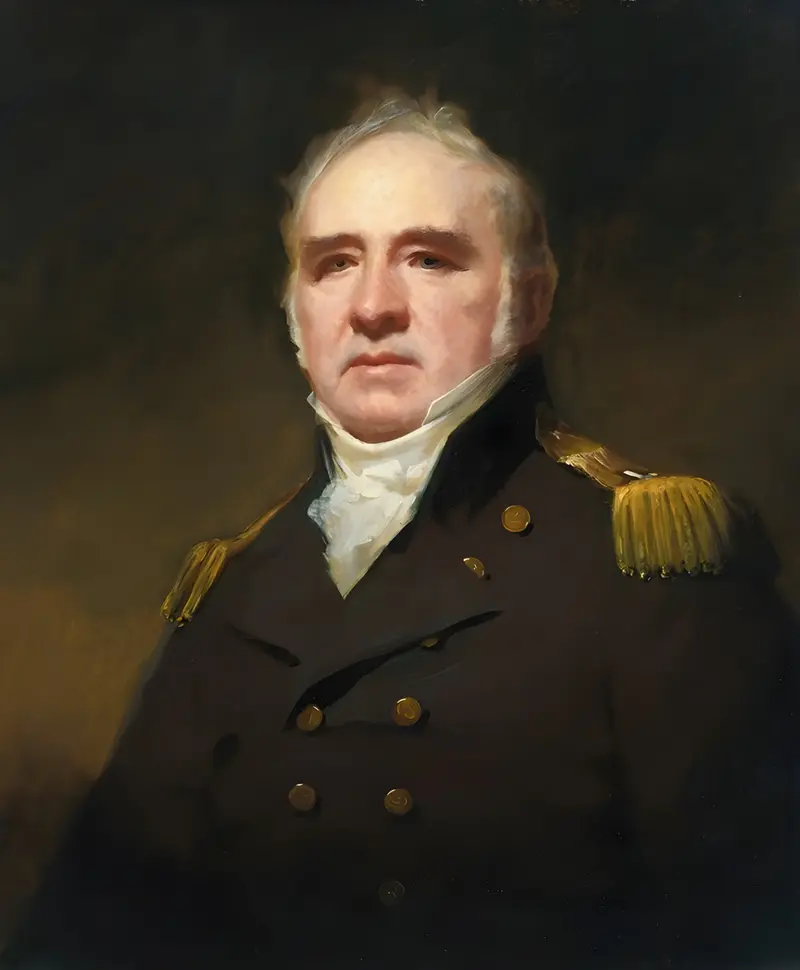
Portrait Of Captain James Forbes-Drummond, R.N., Of Hawthornden
Sir Henry Raeburn
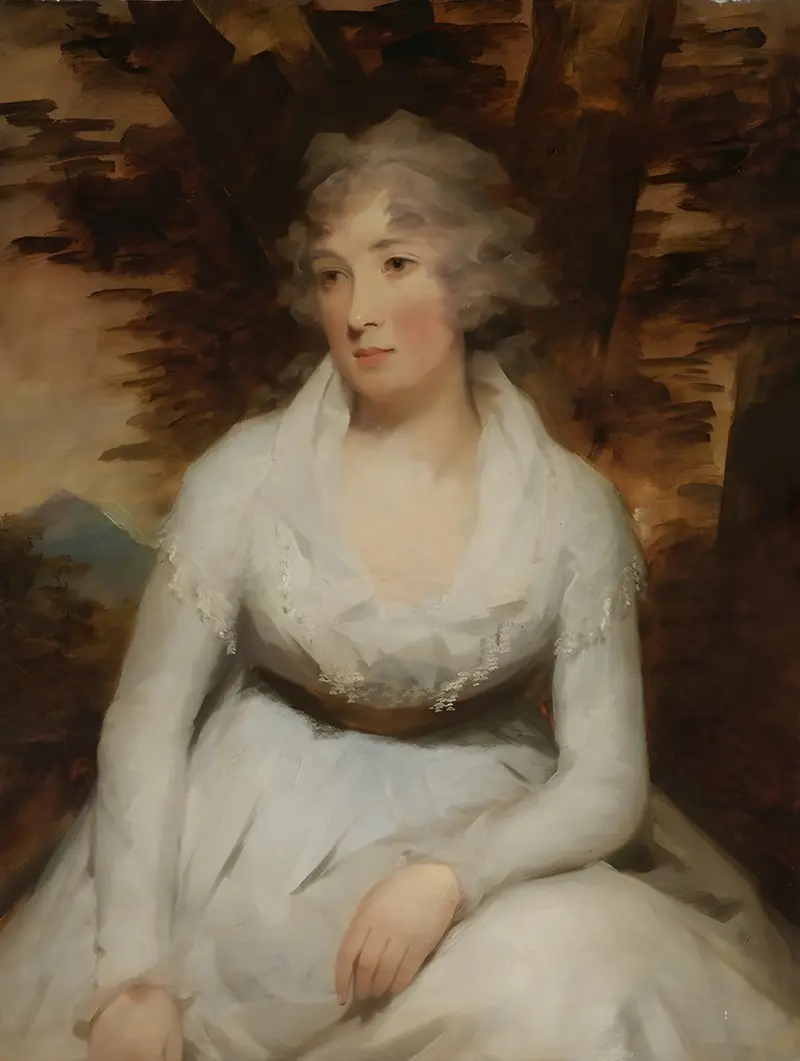
Miss Elizabeth Dalrymple (afterwards Mrs. George Leith)
Sir Henry Raeburn
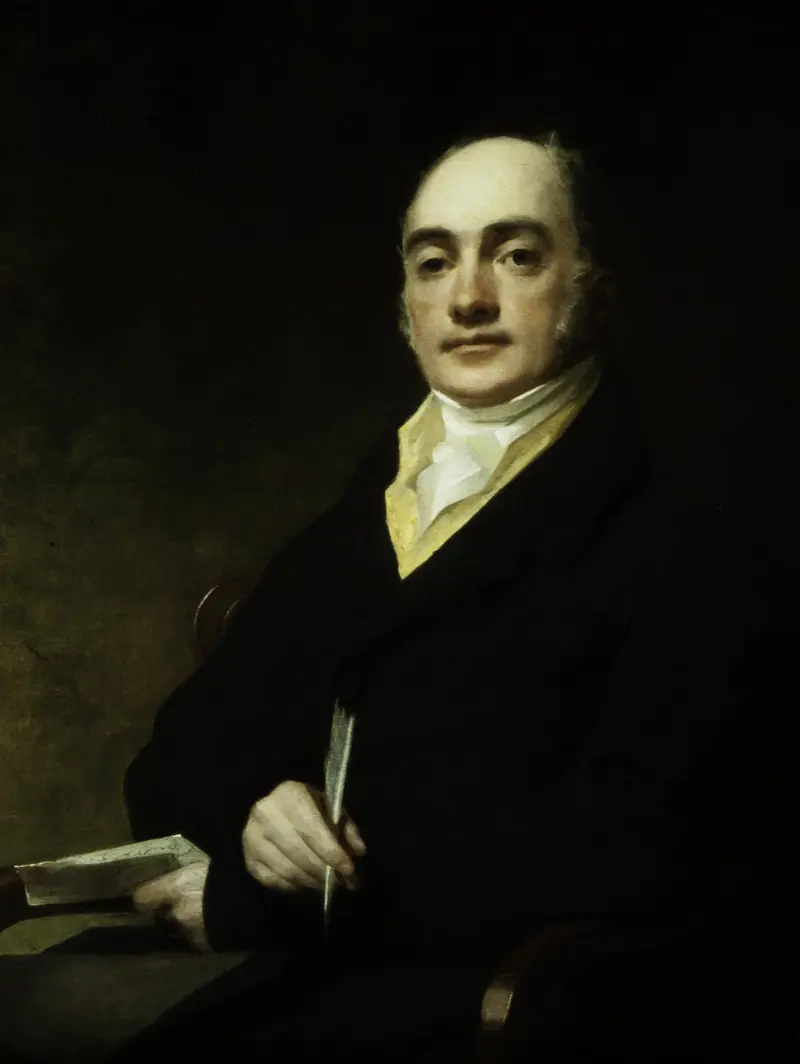
Portrait of John Baillie (1772-1833)
Sir Henry Raeburn
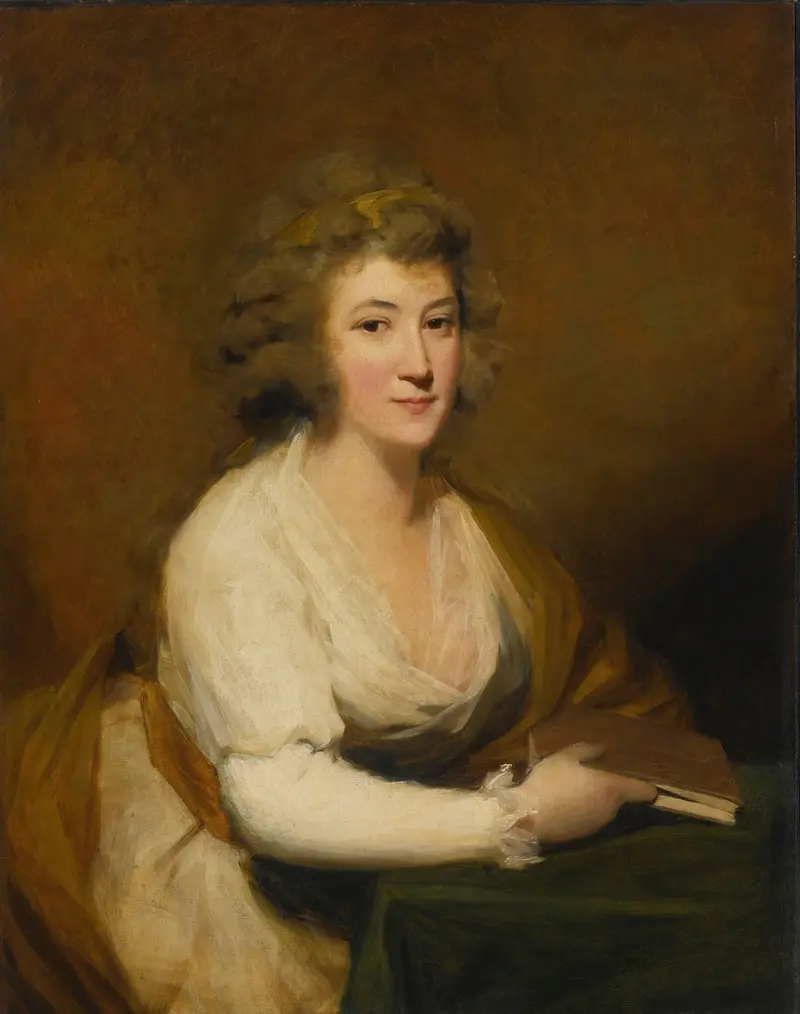
Portrait Of Lady Nasmyth, In A White Dress And Brown Shawl, Seated At A Table, Holding A Book
Sir Henry Raeburn
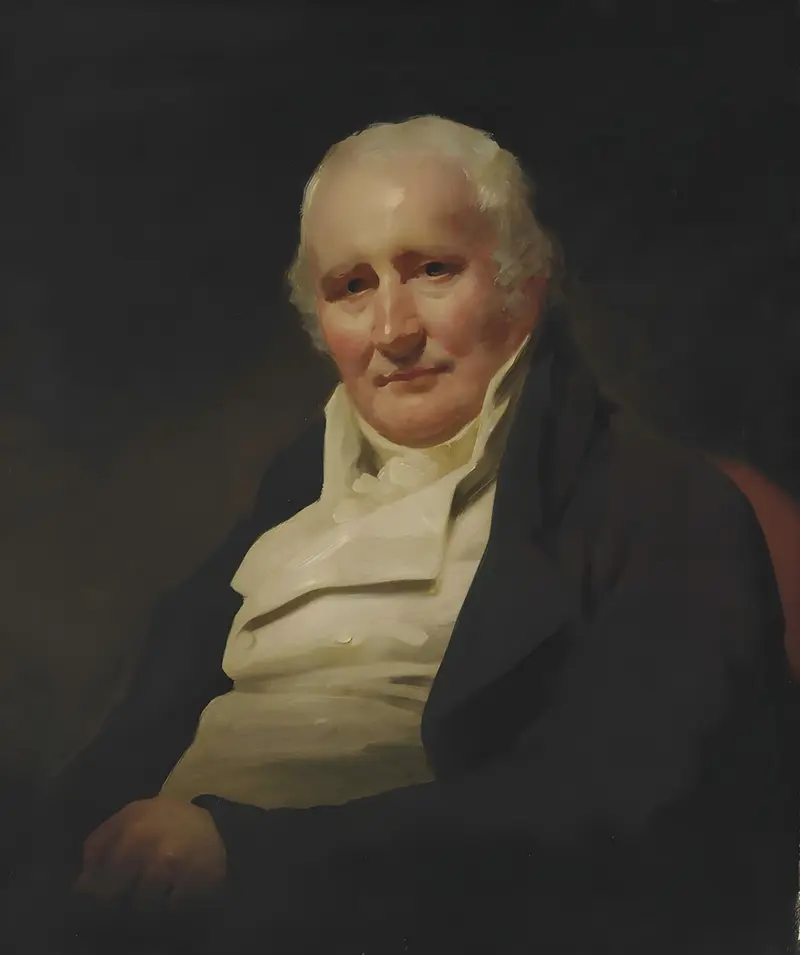
Portrait Of Mr. Spottiswood
Sir Henry Raeburn
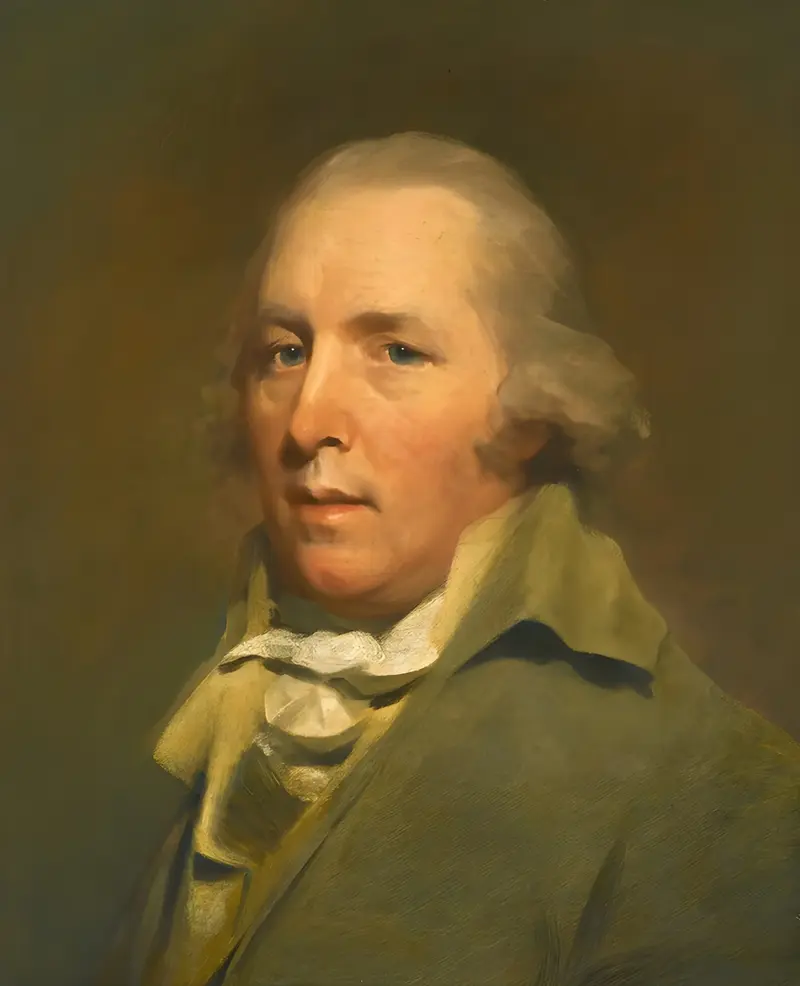
Portrait Of The Reverend John Home (1722-1808)
Sir Henry Raeburn
Portrait of William Hunt (c.1796-1854), Pittencrief House, Dunfermline
Sir Henry Raeburn





