
Julie Bonaparte as Queen of Spain with her Daughters, Zénaïde and Charlotte — History & Facts
Few royal portraits are as entangled with the turbulence of Napoleonic Europe as Julie Bonaparte as Queen of Spain with her Daughters, Zénaïde and Charlotte by François Gérard. Painted during or soon after the brief reign of Joseph Bonaparte—Napoleon’s elder brother—as King of Spain (1808–1813), this work captures a family thrust onto a foreign throne by the will of an emperor. Julie Clary, Joseph’s wife, was crowned Queen of Spain in 1808, yet she never set foot in Madrid, remaining in France with her daughters while her husband struggled to hold his uneasy kingdom.
The portrait is thus not only an image of royalty, but also a record of exile, uncertainty, and the strange fates of Napoleon’s extended family. In the painting, Julie Bonaparte sits with her daughters Zénaïde and Charlotte, their hands gently interlinked, gazes meeting the viewer with a composed dignity. The artist chooses a moment of intimate calm, far from the battlefields and political intrigues that defined their lives. Julie’s attire, rich but restrained, signals both her royal status and her French origins, while the girls’ white dresses and delicate sashes suggest innocence and hope for the future.
The background, softly lit and neutral, isolates the trio from any specific location—a telling omission, given Julie’s absence from Spain. Compared to Jacques-Louis David’s more theatrical royal portraits, Gérard opts for a quieter, psychological approach, emphasizing the bonds of family over the trappings of power. The precise circumstances of the painting’s commission remain uncertain, but it was likely intended to assert Julie’s legitimacy as queen and to celebrate the Bonaparte dynasty. François Gérard, a favorite portraitist of the Napoleonic court, specialized in images that balanced grandeur with humanity.
Over the years, this portrait has passed through several private collections, reflecting shifting attitudes toward the Bonapartes after Napoleon’s fall. Today, it stands as a testament to a fleeting moment when the fate of Europe seemed to rest on the shoulders of a single family, and to Gérard’s skill in capturing both the public and private faces of power.
More Artworks by François Gérard

Portrait of Emperor Napoleon I
François Gérard
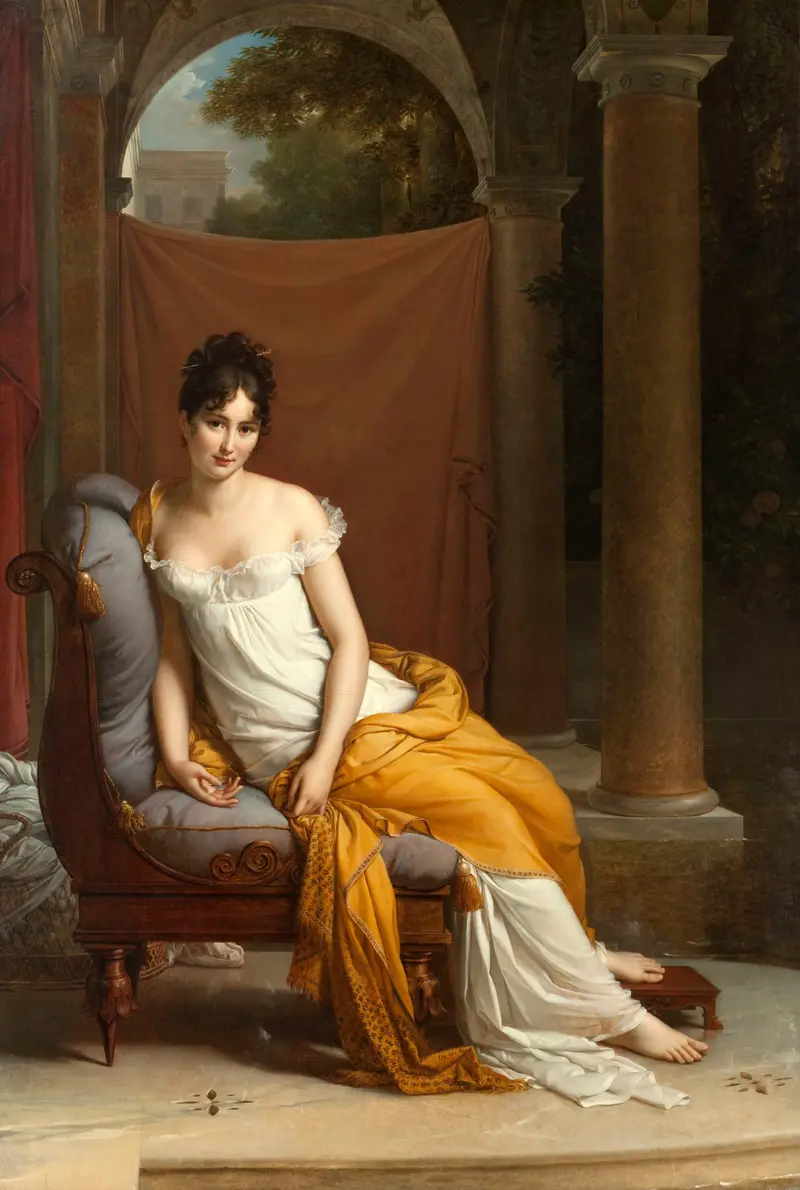
Portrait of Juliette Récamier, née Bernard
François Gérard
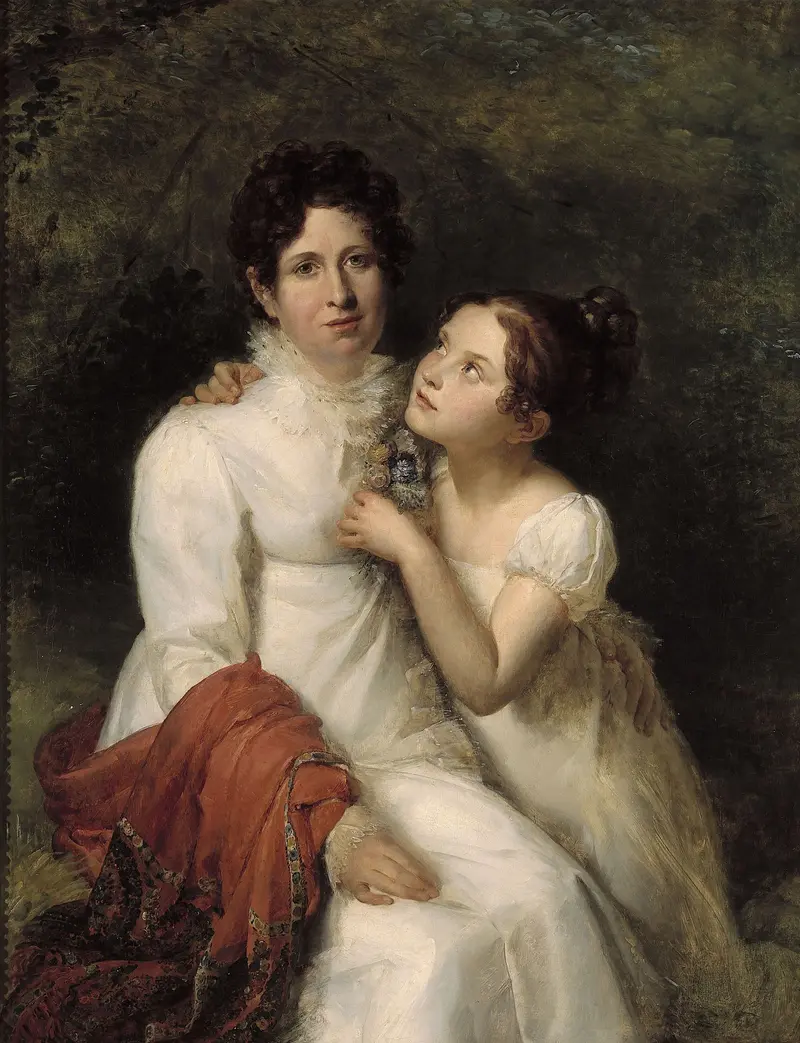
Portrait de Madame Bauquin Du Boulay et de sa nièce Mademoiselle Bauquin de La Souche
François Gérard
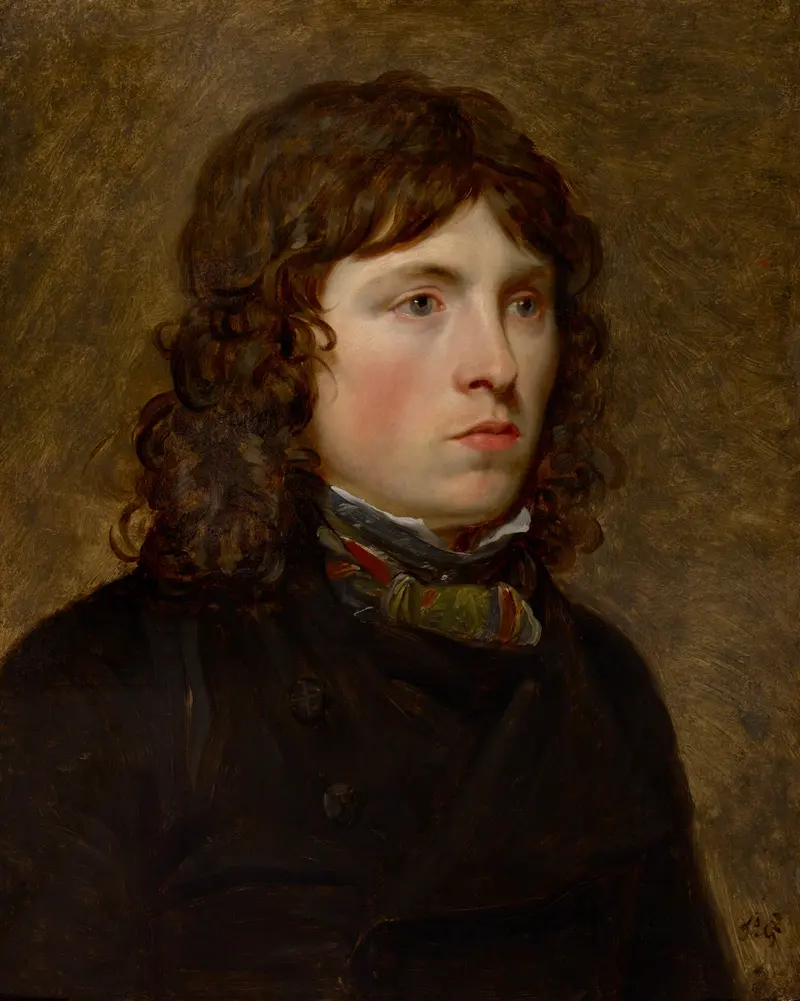
Portrait of G. F. Reverdin
François Gérard
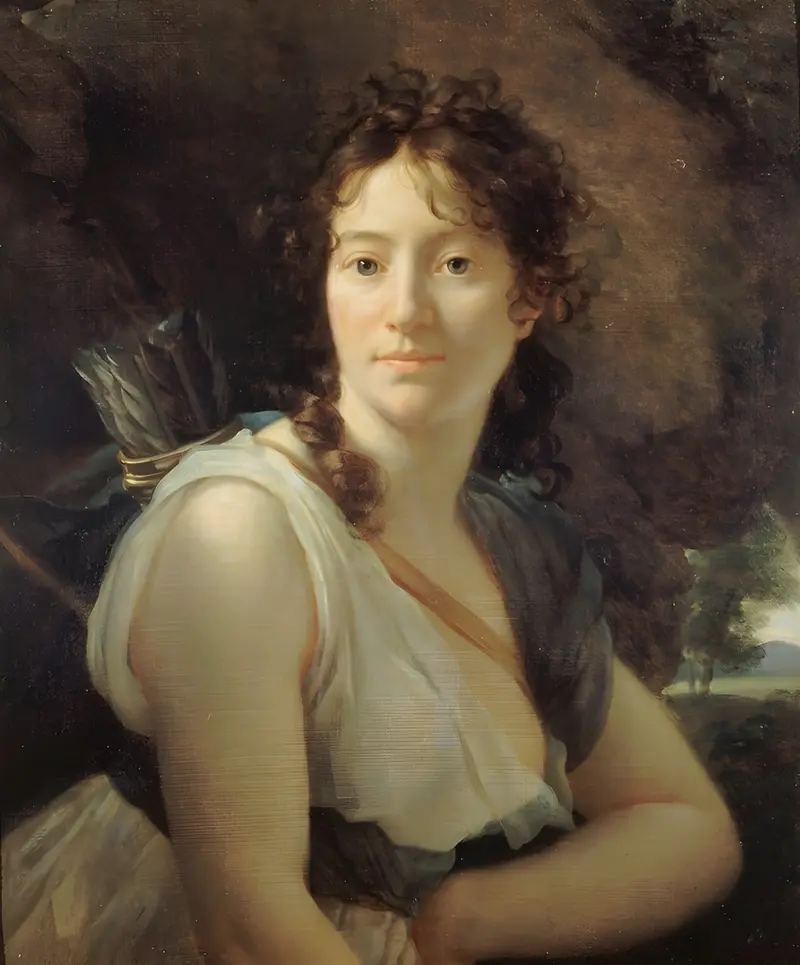
Portrait Of Mademoiselle Duchesnois (1777-1835), Member Of The Comédie-Française, In The Role Of Dido.
François Gérard
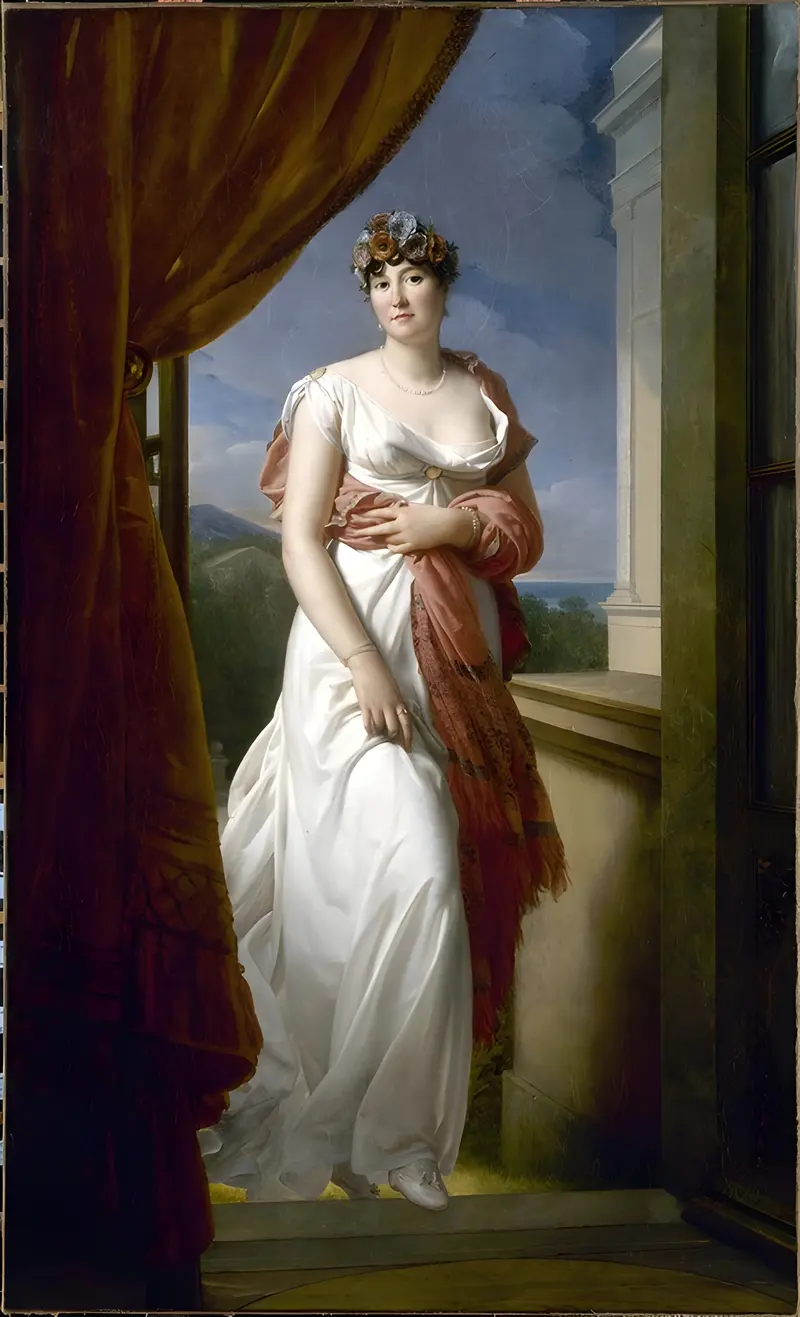
Portrait Of Theresia Cabarrus (1773-1835), Wife Tallien, Then Princess Of Caraman-Chimay
François Gérard
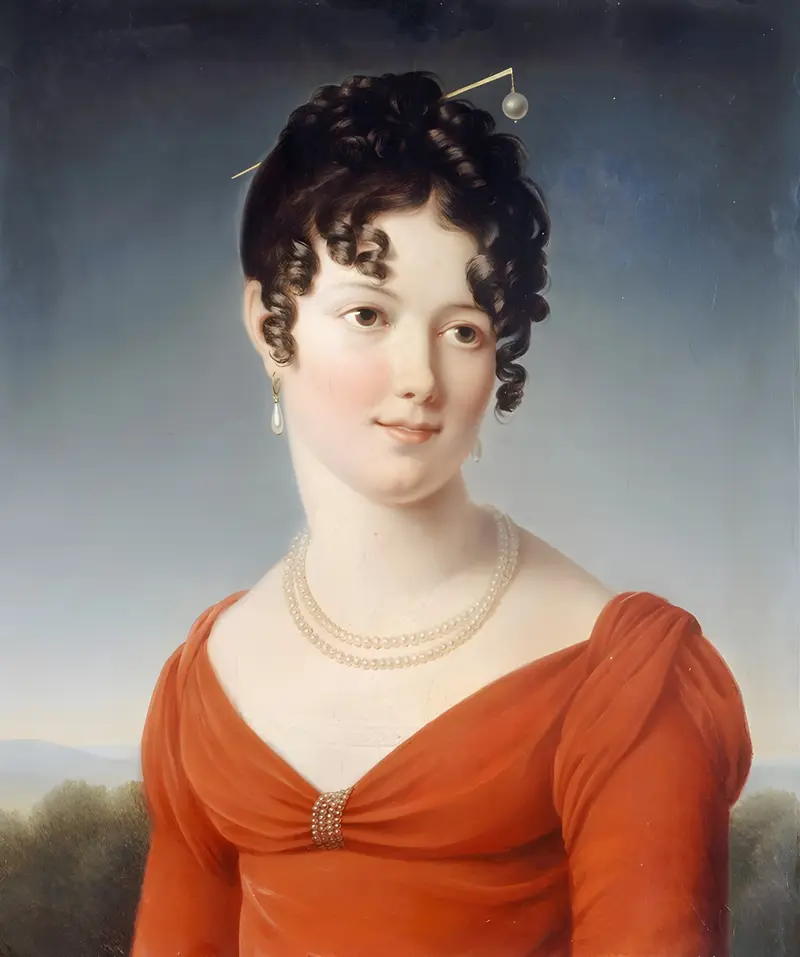
Bust Portrait Of Alexandrine-Anne De La Pallu, Marquise De Flers (1786-1832)
François Gérard
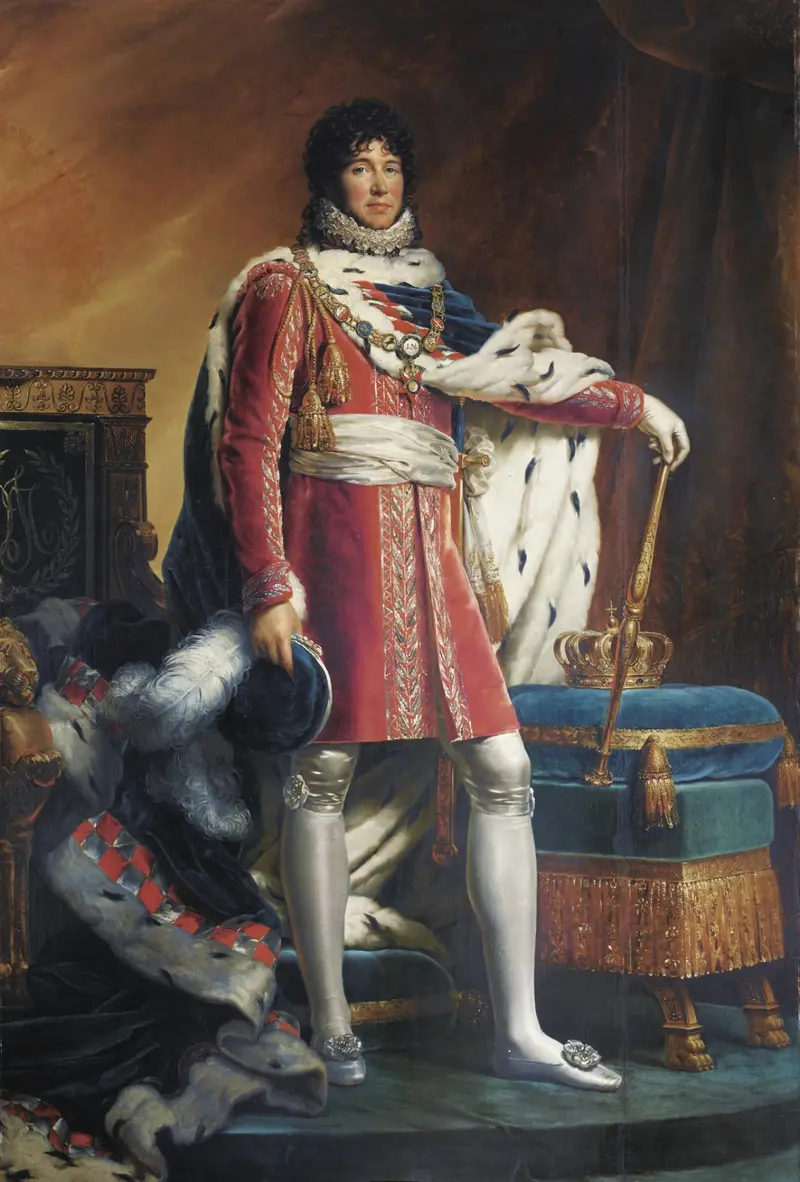
Portrait of Joachim Napoléon Murat, King of Naples and of the two Sicilies
François Gérard
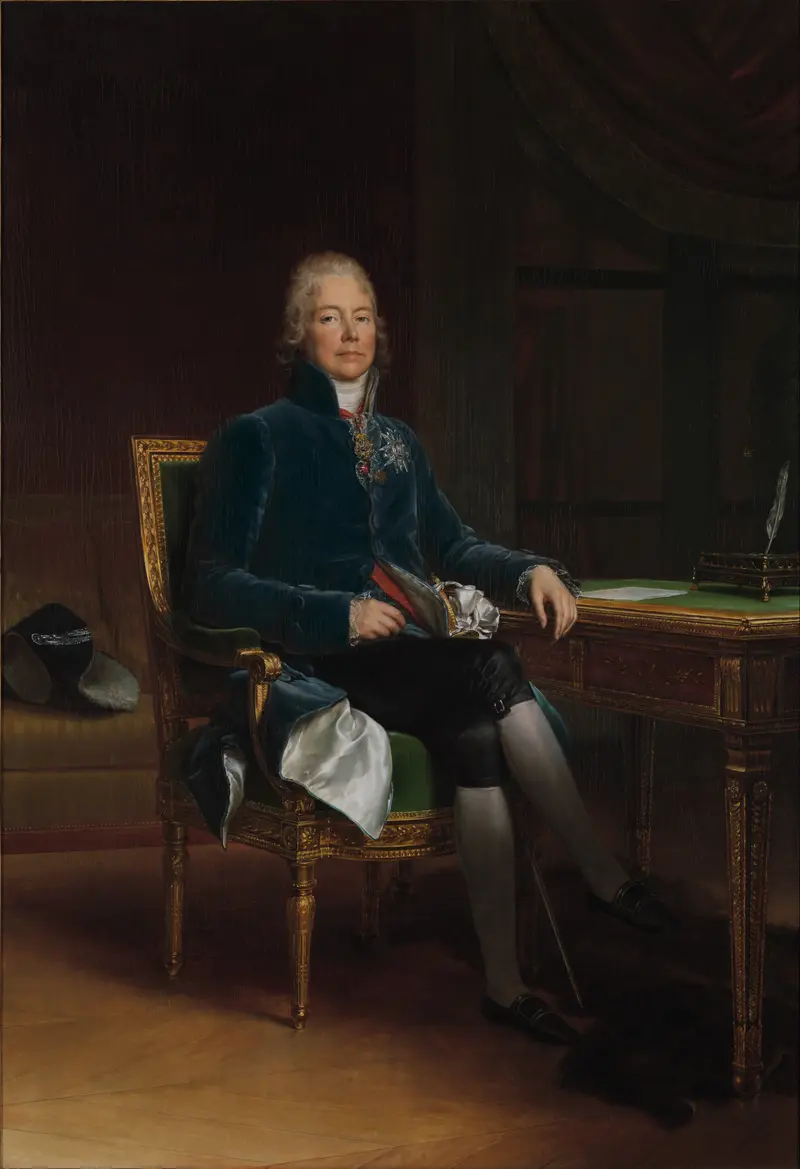
Charles Maurice de Talleyrand Périgord (1754–1838), Prince de Bénévent
François Gérard
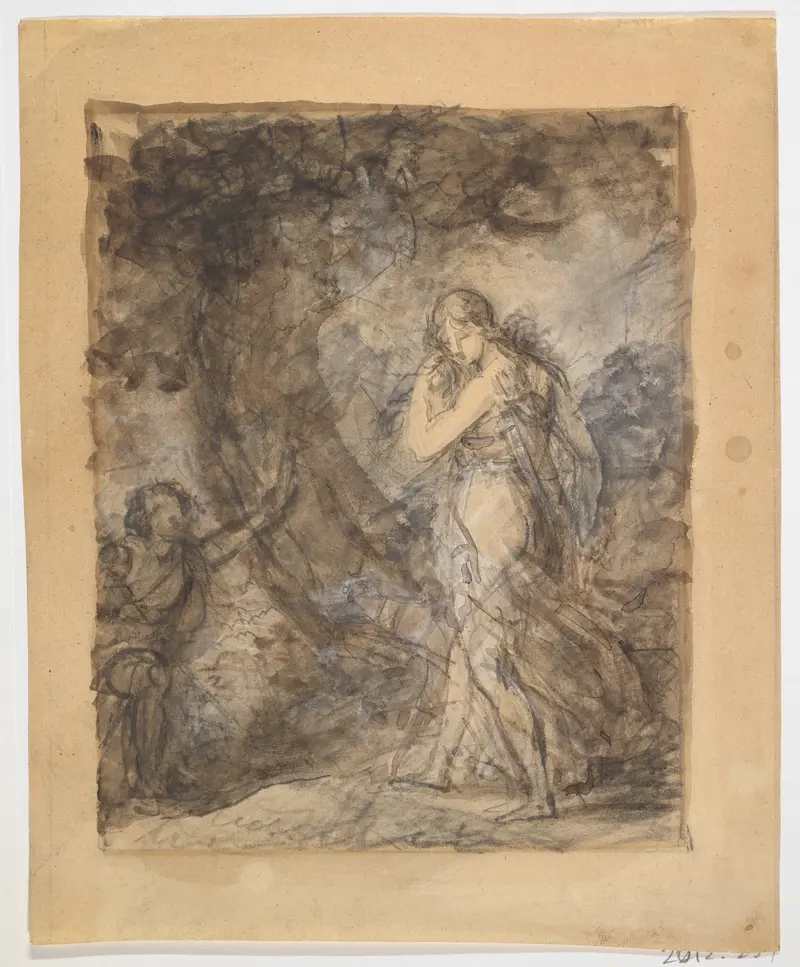
Daphnis Running toward Chloe
François Gérard





