
Jupiter and Io — History & Facts
What first catches the eye in Jupiter and Io is the way flesh and vapor seem to merge, as if the boundary between the mortal and the divine could be painted with the same brush. The figure of Io, twisting in a posture both yielding and startled, is enveloped by a dense, swirling cloud. Her body glows against the dark, mossy earth, and the white drapery slipping from her hip only heightens the sense of exposure and vulnerability.
The cloud, rendered almost tangible, presses against her, its smoky tendrils curling toward her lips, suggesting an embrace that is both intimate and otherworldly. The artist leads the viewer’s gaze upward, following Io’s arched neck and parted lips, until it dissolves into the mysterious blue and gold sky, where the story’s true protagonist—Jupiter in disguise—remains unseen but unmistakably present. This painting belongs to the world of early sixteenth-century Italy, when mythological subjects were a favored playground for artists seeking to blend sensuality and allegory. Around 1520–1540, painters like Correggio found eager patrons among the courts and intellectual circles of northern Italy, who prized such works for private enjoyment and display.
These images were not mere decoration; they invited viewers to contemplate the power of gods, the vulnerability of mortals, and the pleasures and dangers of desire. While little is recorded about the specific journey of this work, its survival in a digital collection today testifies to the enduring fascination with both the myth and the painter’s daring imagination. Let your eye linger on the cloud—how much can be told by what is barely shown.
More Artworks by Antonio da Correggio

Virgin and Child with the Young Saint John the Baptist
Antonio da Correggio
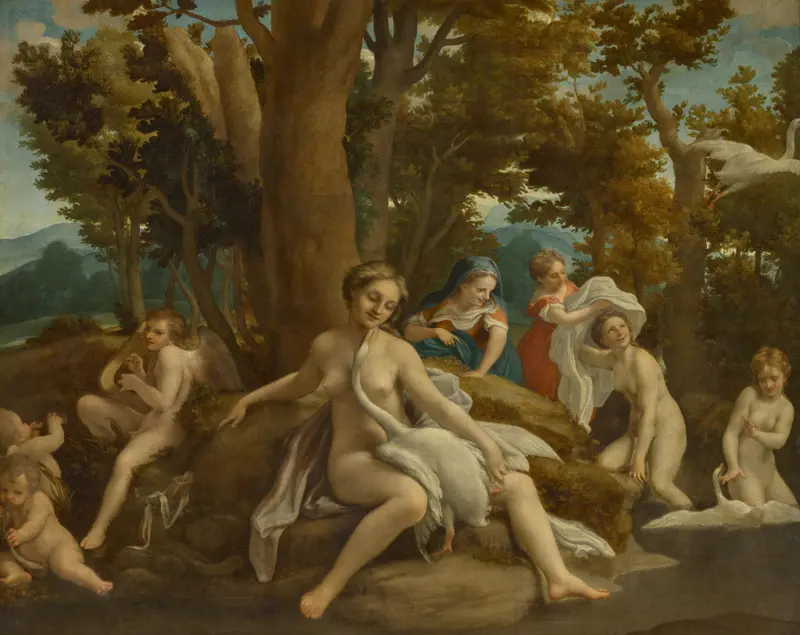
Leda and the Swan
Antonio da Correggio
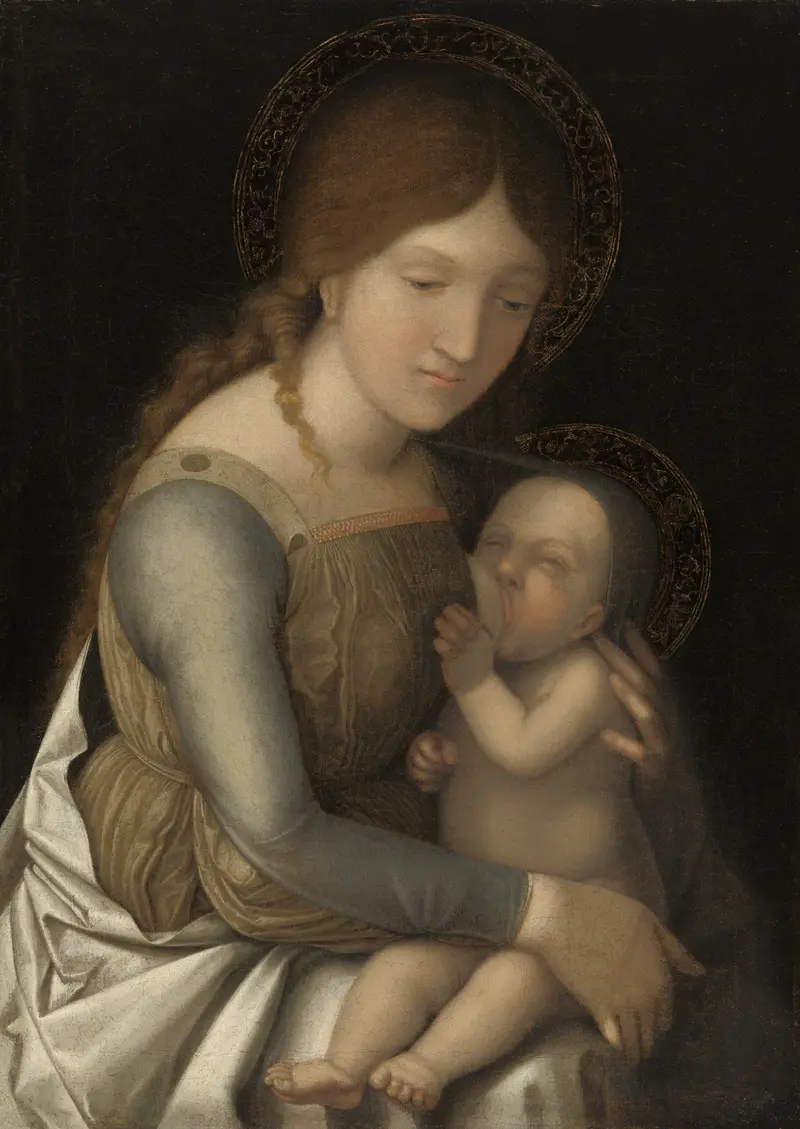
Madonna and Child
Antonio da Correggio
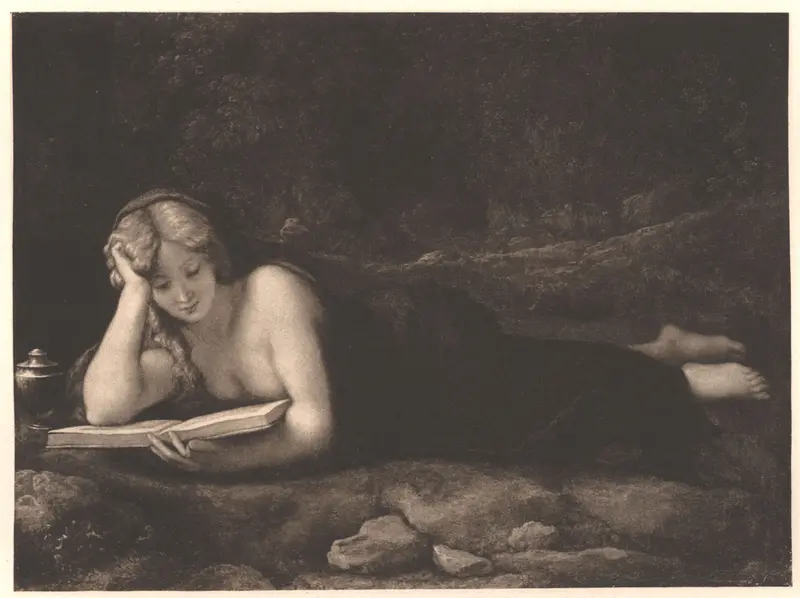
Penitent Magdalene
Antonio da Correggio
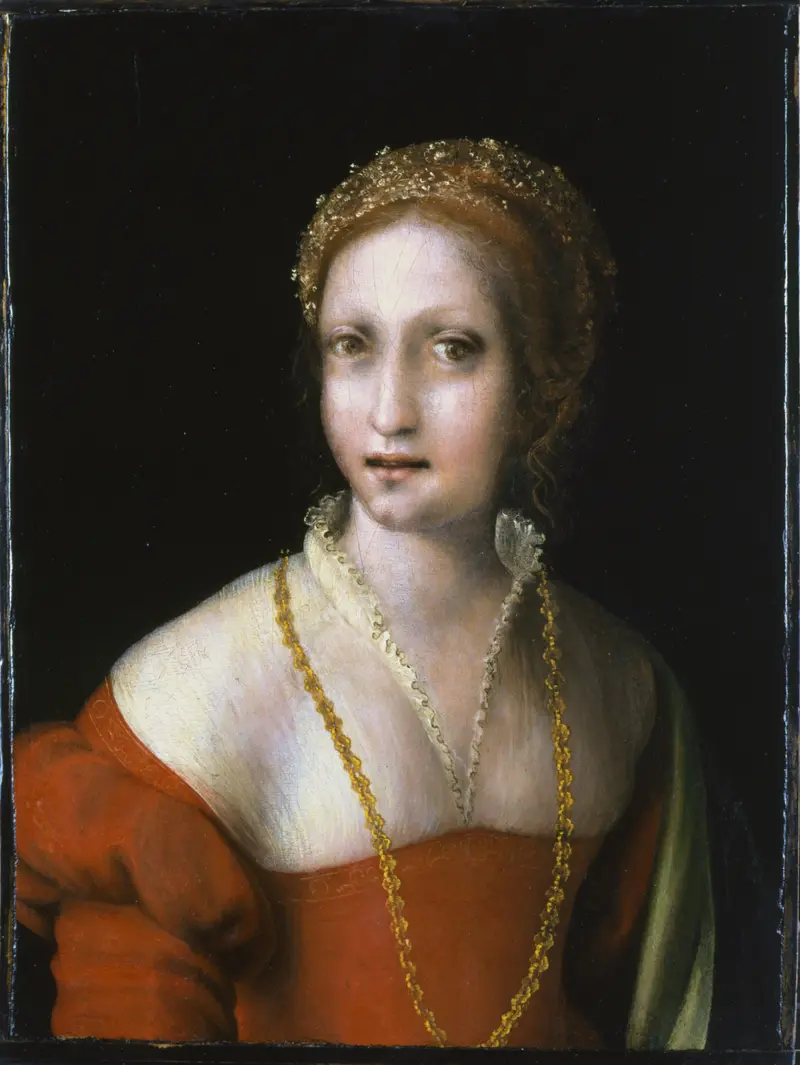
Portrait of a Young Girl
Antonio da Correggio
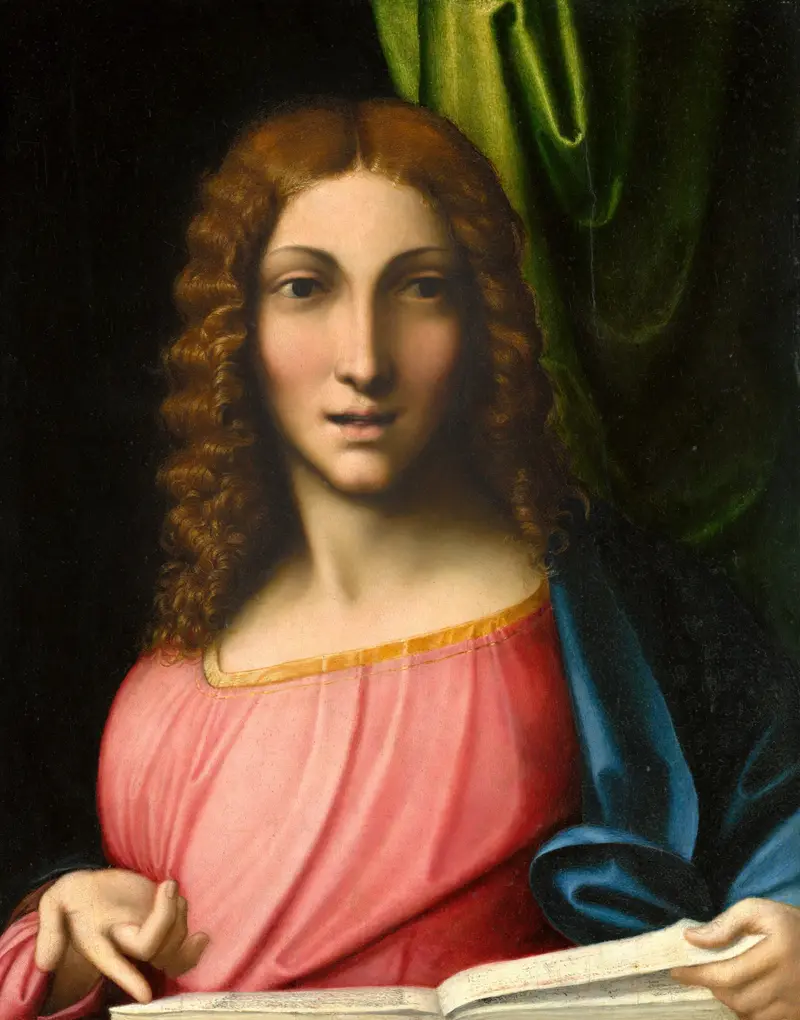
Christ in the Temple
Antonio da Correggio

Nativity
Antonio da Correggio
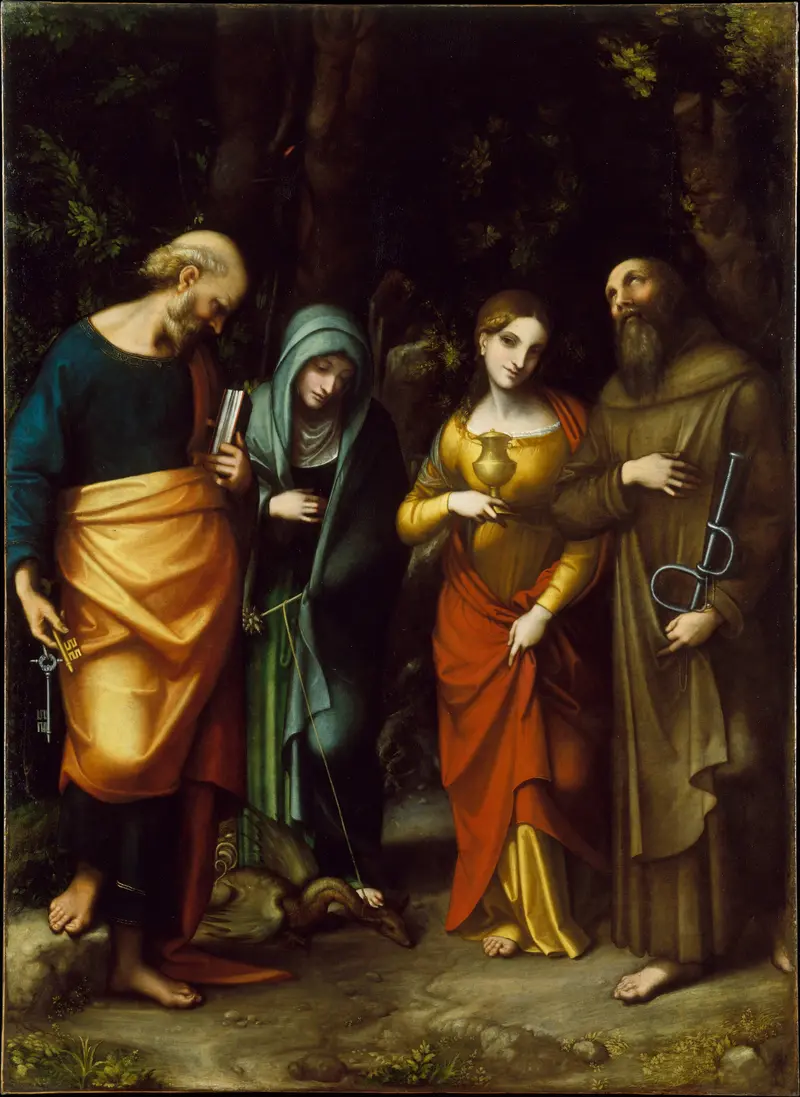
Saints Peter, Martha, Mary Magdalen, and Leonard
Antonio da Correggio
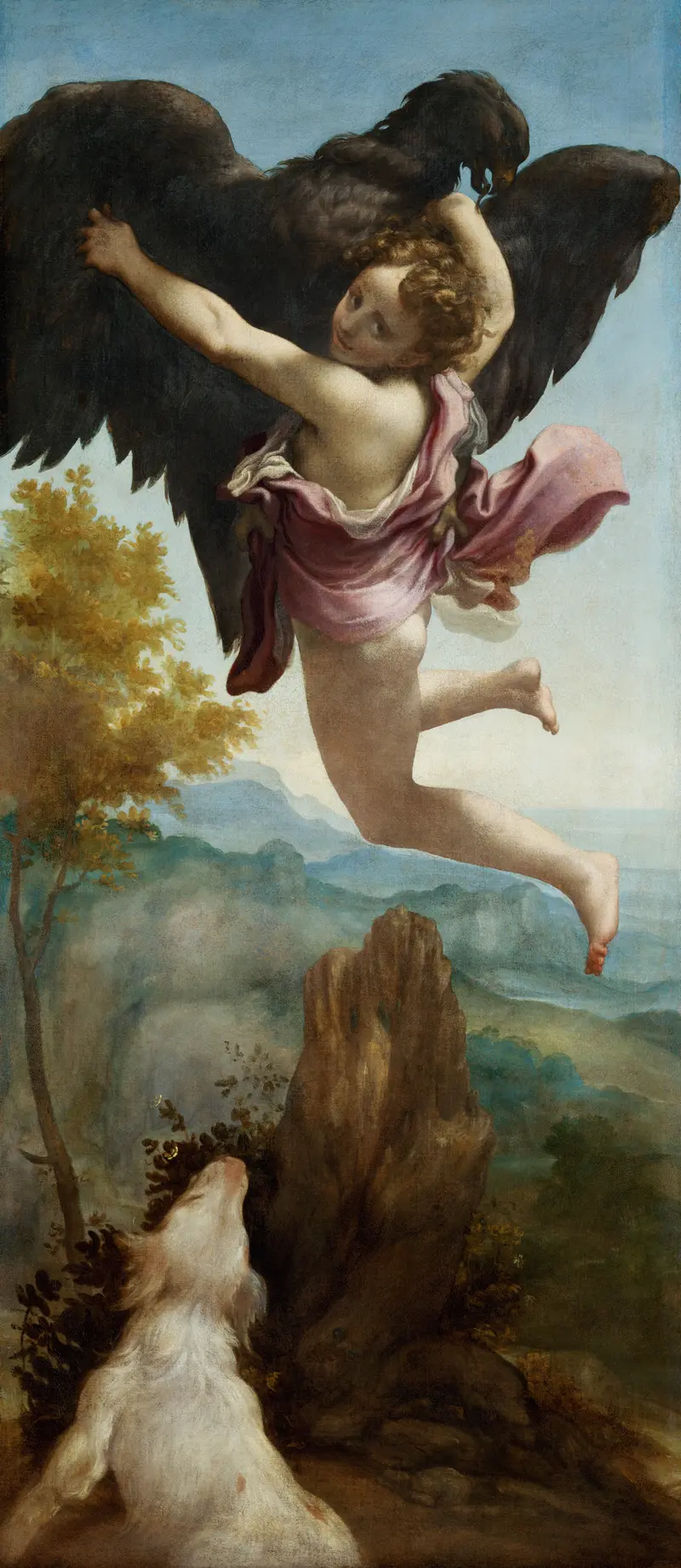
The Loves of Jupiter
Antonio da Correggio

Study for the "Madonna della Scodella" [recto]
Antonio da Correggio





