Küche im Thomahaus zu Bernau — History & Facts
Where does light end, and longing begin? This question resonates within the intimate confines of a domestic space, evoking echoes of past revolutions in both the artist's life and the world beyond. Look toward the heart of the composition, where the golden light spills into a quaint kitchen. Notice how the radiant beams dance upon the rustic wooden table, highlighting the simple yet profound details—a worn breadboard, a well-used pot—each item whispering stories of daily life. The cool hues of the walls contrast with the warmth of the light, creating a serene yet dynamic atmosphere that invites the viewer to linger. Within this stillness lies a tension between the familiar and the revolutionary.
The kitchen, a symbol of domesticity, stands as a battleground for the aspirations of the era, where the seeds of change are quietly sown. The interplay of shadow and light suggests a flicker of hope amidst the mundane, hinting at the larger shifts occurring in society. Every brushstroke conveys both comfort and yearning, as if the viewer is caught in a moment of reflection—pondering what lies beyond the threshold. In 1860, Bracht created this work during a pivotal time for Germany, marked by the stirrings of nationalistic fervor and social upheaval.
Living in an era of artistic transformation, he sought to capture the essence of everyday life while also reflecting the broader currents of change. This painting emerged from a period rich with promise and uncertainty, as the nations of Europe began to confront their identities and aspirations anew.
More Artworks by Eugen Bracht
Browse all →
Blick auf den Monte Rosa, Westseite
Eugen Bracht
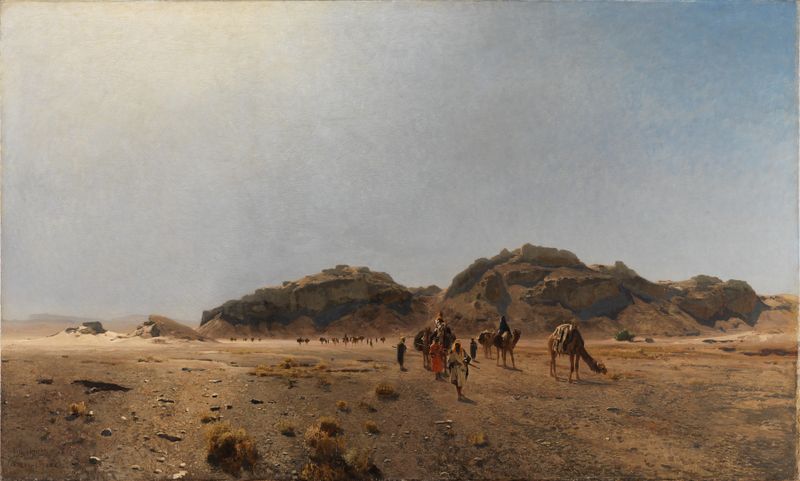
In der Wüste Araba
Eugen Bracht

‘Der alte Hof (n. d. N. Windisch-Eschenbach)’
Eugen Bracht
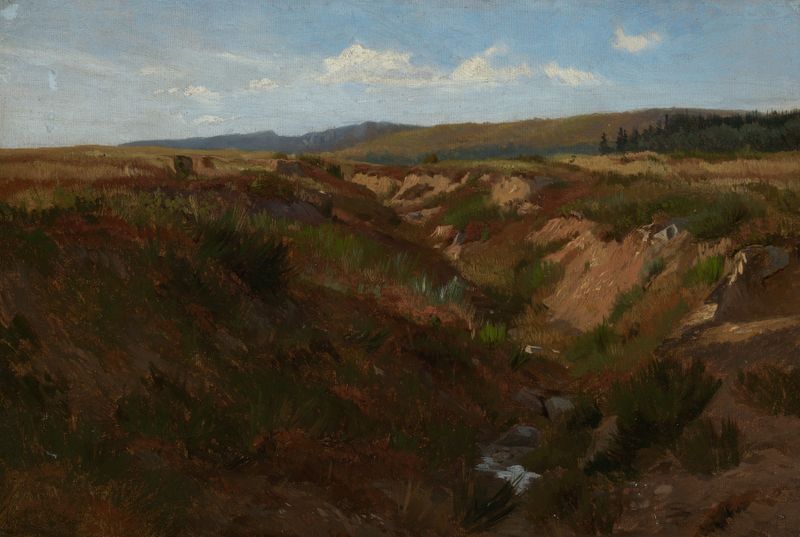
Heide im Soonwald
Eugen Bracht

Bemooste Felsen im Waldtal
Eugen Bracht
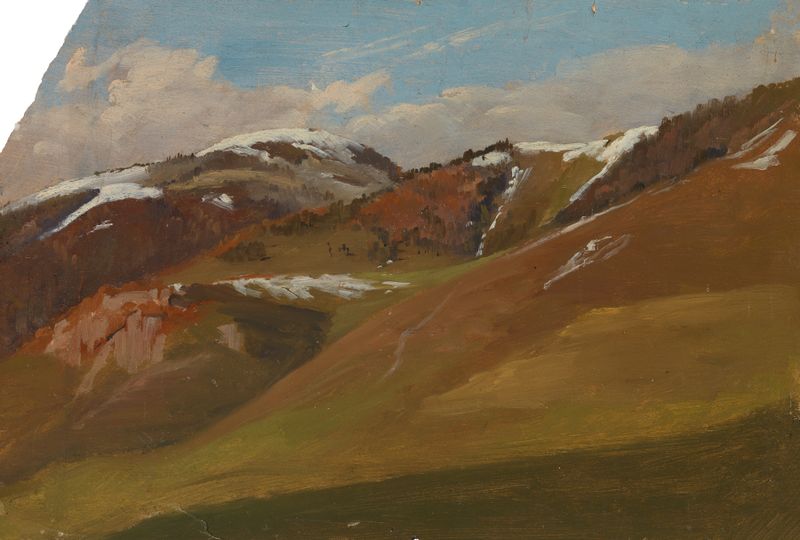
Blick auf Herzogenhorn und Kaiserberg
Eugen Bracht

Das Herzogenhorn im Neuschnee
Eugen Bracht

Abendlandschaft
Eugen Bracht

Nach dem Regenschauer
Eugen Bracht
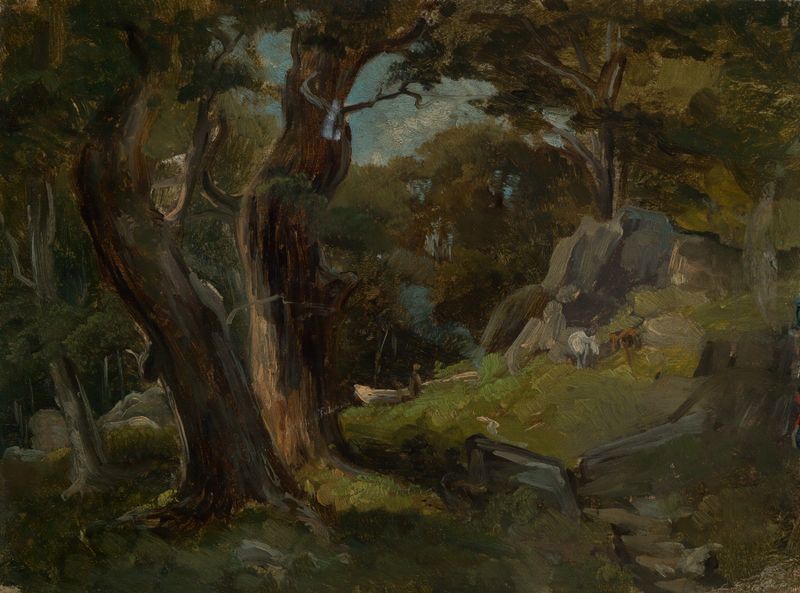
Waldlichtung mit Pferden
Eugen Bracht