
Kids on the Beach — History & Facts
The first thing that catches the eye in Kids on the Beach is the sheer sense of freedom—sun-warmed bodies scattered across sand, some already plunging into the cool, dappled water, others lingering at the edge or sprawled in lazy conversation. The brushwork is loose, almost mosaic-like, with patches of ochre, turquoise, and blue that shimmer and shift as you look. Léger’s figures are not detailed portraits but vivid silhouettes, their gestures full of summer’s easy confidence: a boy points out to sea, another lies with his head on his arms, lost in thought.
The horizon is high, giving the sea and sky a commanding presence, while the children’s relaxed postures anchor the scene in the everyday. The light seems to pulse across the canvas, drawing the viewer into the warmth and noise of the group. Painted in May 1907, this early work by Fernand Léger stands at a crossroads in French art, when painters were breaking away from academic tradition and searching for new ways to capture modern life. Scenes of children at leisure, especially at the seaside, became a favorite motif for artists of the Belle Époque—celebrating both the innocence of youth and the new possibilities of leisure time for ordinary people.
While history has kept few traces of this particular canvas’s journey, its presence in a modern collection and its double-sided nature—Gamins au soleil on one side, Maisons sur la côte corse on the other—hint at an artist still exploring, experimenting, and absorbing the world around him. Léger’s sunlit beach, painted before his signature Cubist style emerged, invites us to linger in a moment of pure, collective joy.
More Artworks by Fernand Léger

The Tugboat Bridge
Fernand Léger
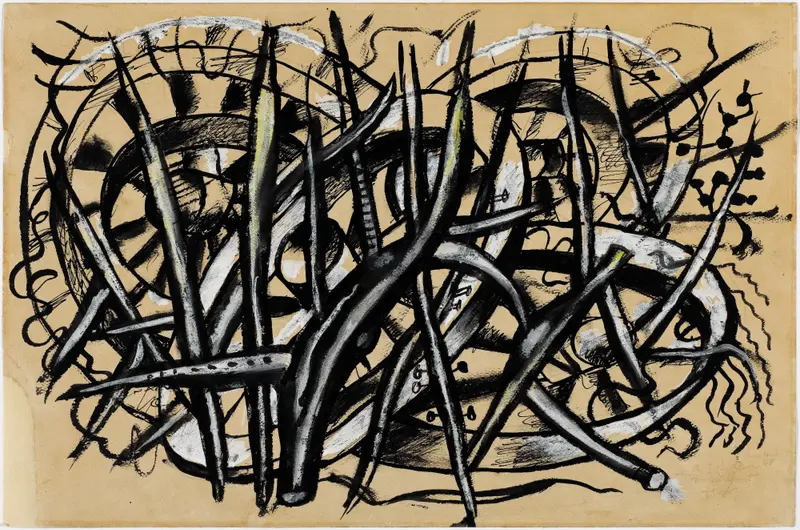
The Wheels
Fernand Léger

Le Cirque Médrano
Fernand Léger
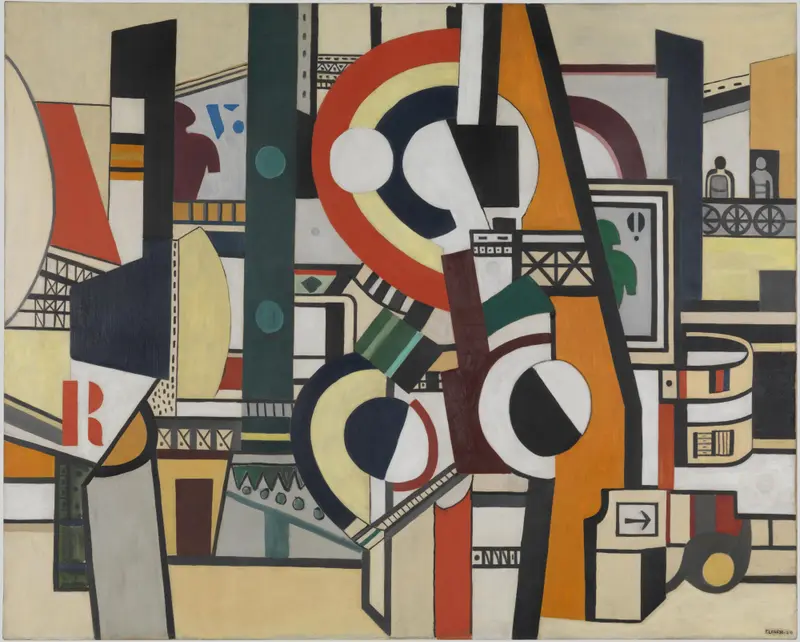
The Disks in the City
Fernand Léger
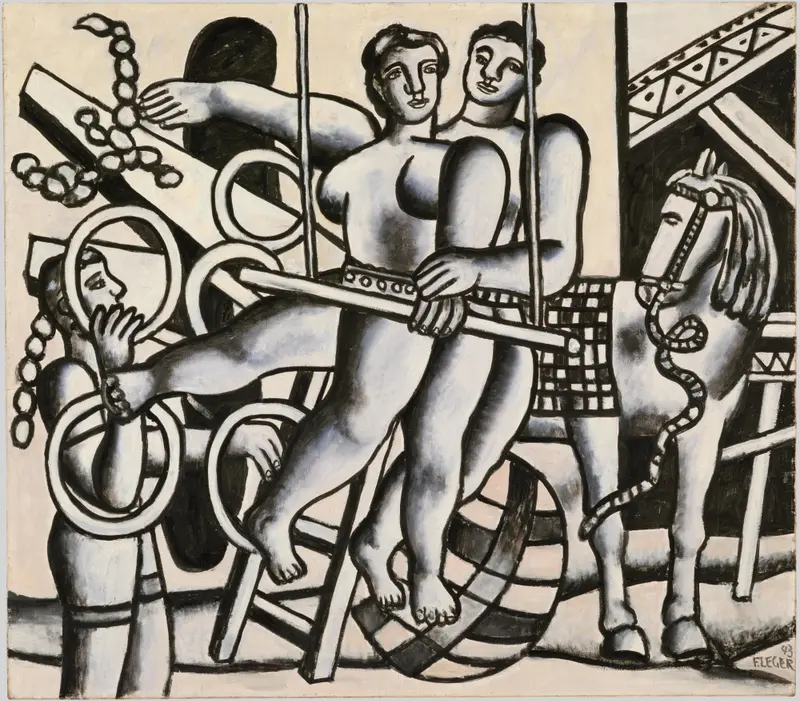
Le Jongleur et les acrobates
Fernand Léger
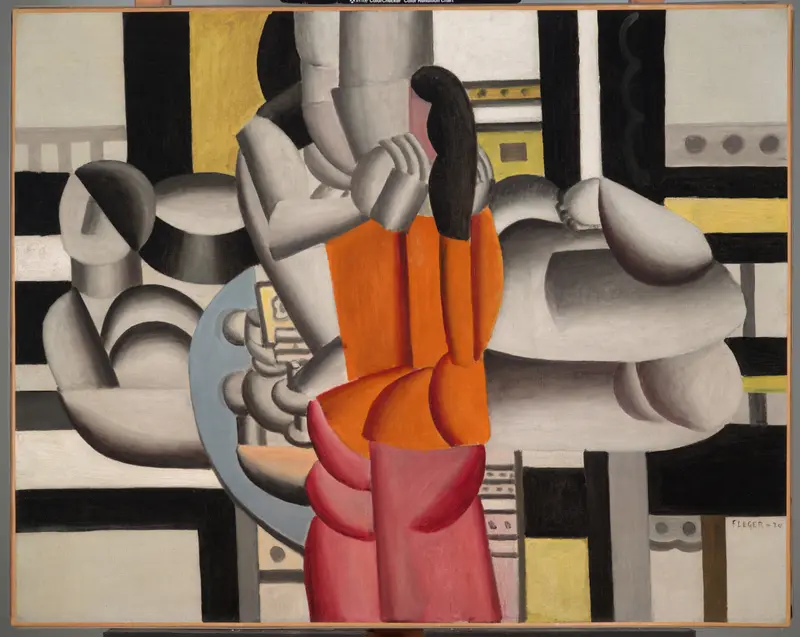
Three Women and Still Life (Déjeuner)
Fernand Léger
Reading
Fernand Léger
Femme couchée
Fernand Léger
Woman holding flowers
Fernand Léger
The Tug
Fernand Léger
More Genre Scene Art

Banquet of the Officers of the St George Civic Guard
Frans Hals

Rembrandt and Saskia in the Scene of the Prodigal Son
Rembrandt van Rijn

Bal du moulin de la Galette
Pierre-Auguste Renoir

Quadrille at the Moulin Rouge
Henri de Toulouse-Lautrec

A Burial at Ornans
Gustave Courbet

When Will You Marry?
Paul Gauguin