
Kitchen Scene with the Supper in Emmaus — History & Facts
A young Diego Velázquez, barely nineteen, startled Seville’s art world with Kitchen Scene with the Supper in Emmaus, a painting that fuses the everyday with the miraculous. Its most remarkable feature is the way it hides a sacred story within a humble kitchen, a bold move in 1618 Spain, where religious art was expected to be grand and direct. For centuries, viewers debated whether this was a genre scene or a biblical narrative—until the faint reflection of Christ and his disciples, glimpsed in the background, revealed its secret.
This subtlety has made the painting a touchstone for discussions of faith and realism in early Baroque art. The moment captured is the biblical supper at Emmaus, when the resurrected Christ is recognized by two disciples as he breaks bread (Luke 24:30-31). Yet Velázquez places the main action in the background, glimpsed through a small window or hatch, while the foreground is dominated by a Moorish servant woman pausing in her work. Her downcast eyes and thoughtful expression suggest she senses something extraordinary, linking the sacred event to the ordinary world.
The meticulously painted still life—garlic, fish, earthenware—anchors the scene in the material reality of Seville’s kitchens, while the play of light draws the viewer’s attention to the servant’s face and hands. Unlike Caravaggio’s dramatic Supper at Emmaus, which thrusts the miracle to center stage, Velázquez invites us to discover the divine hidden in daily life. The early provenance of Kitchen Scene with the Supper in Emmaus is uncertain, but it is thought to have been painted for a Sevillian patron appreciative of both religious themes and the new fashion for bodegones, or kitchen scenes. The painting’s innovative blend of sacred history and still life marked a turning point in Velázquez’s career, foreshadowing his later genius for psychological depth and realism.
After changing hands several times, it eventually entered the collection of the National Gallery of Ireland, where it remains today. Scholars continue to debate the exact identity of the servant woman and the intended audience for such a quietly radical work, but its influence on Spanish painting is undisputed.
More Artworks by Diego Velázquez

Las Meninas
Diego Velázquez

The Triumph of Bacchus
Diego Velázquez

Rokeby Venus
Diego Velázquez

Equestrian Portrait of Prince Balthasar Charles
Diego Velázquez

Bacchus
Diego Velázquez

Don Gaspar de Guzmán (1587–1645), Count-Duke of Olivares
Diego Velázquez
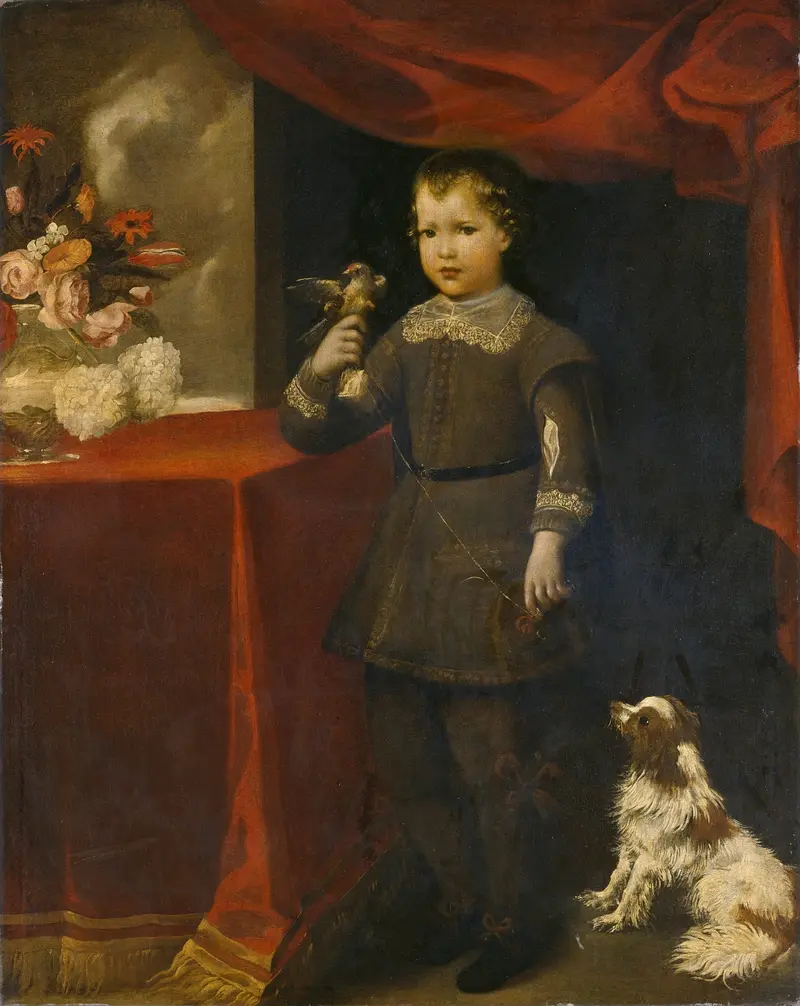
El príncipe Baltasar Carlos de Austria
Diego Velázquez

Equestrian Portrait of Philip III
Diego Velázquez

Equestrian Portrait of Margarita of Austria
Diego Velázquez
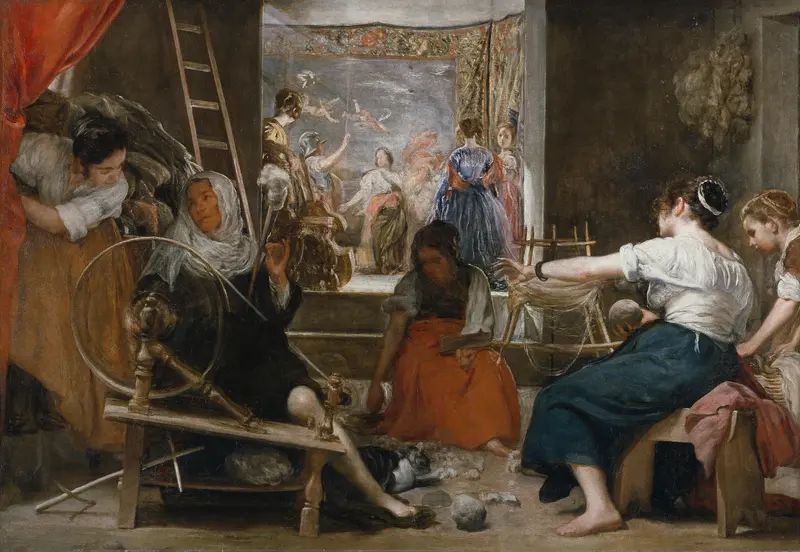
Las Hilanderas
Diego Velázquez
More Genre Scene Art

Banquet of the Officers of the St George Civic Guard
Frans Hals

Rembrandt and Saskia in the Scene of the Prodigal Son
Rembrandt van Rijn

Bal du moulin de la Galette
Pierre-Auguste Renoir

Quadrille at the Moulin Rouge
Henri de Toulouse-Lautrec

A Burial at Ornans
Gustave Courbet

When Will You Marry?
Paul Gauguin