
L’estropié a la béquille et a la jambe de bois — History & Facts
In L’estropié a la béquille et a la jambe de bois, we see a disabled man leaning on a crutch, with a wooden leg visible. The colors are muted, dominated by browns and grays, which reflect the somber mood of the scene. The figure is central, surrounded by a simple, undefined background that emphasizes his condition.
This focus draws the viewer's attention to the man's struggle and resilience. This artwork is an etching, a technique that allows for fine detail and texture. The lines are delicate, capturing the contours of the man's face and the roughness of his wooden leg. Viewers can appreciate the skill involved in rendering such a poignant subject matter.
The dimensions are approximately 30 x 40 cm, making it a relatively small piece that invites close inspection. Jacques Callot was a French Baroque artist known for his depictions of everyday life and social commentary. This particular work reflects his interest in the human condition, especially those marginalized by society. An interesting fact about this piece is that it highlights the challenges faced by disabled individuals in the 17th century.
Callot's ability to portray empathy through his art remains significant in discussions about representation in art history.
More Artworks by Jacques Callot

De verloren zoon als zwijnenhoeder
Jacques Callot
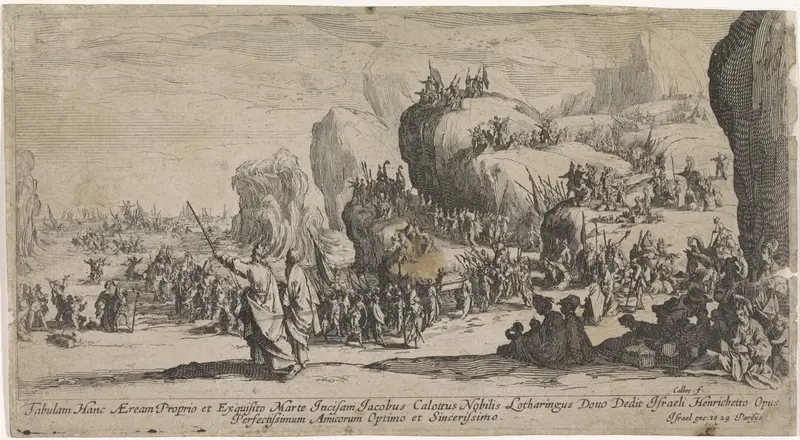
De doortocht door de Rode Zee
Jacques Callot

Kruisiging
Jacques Callot
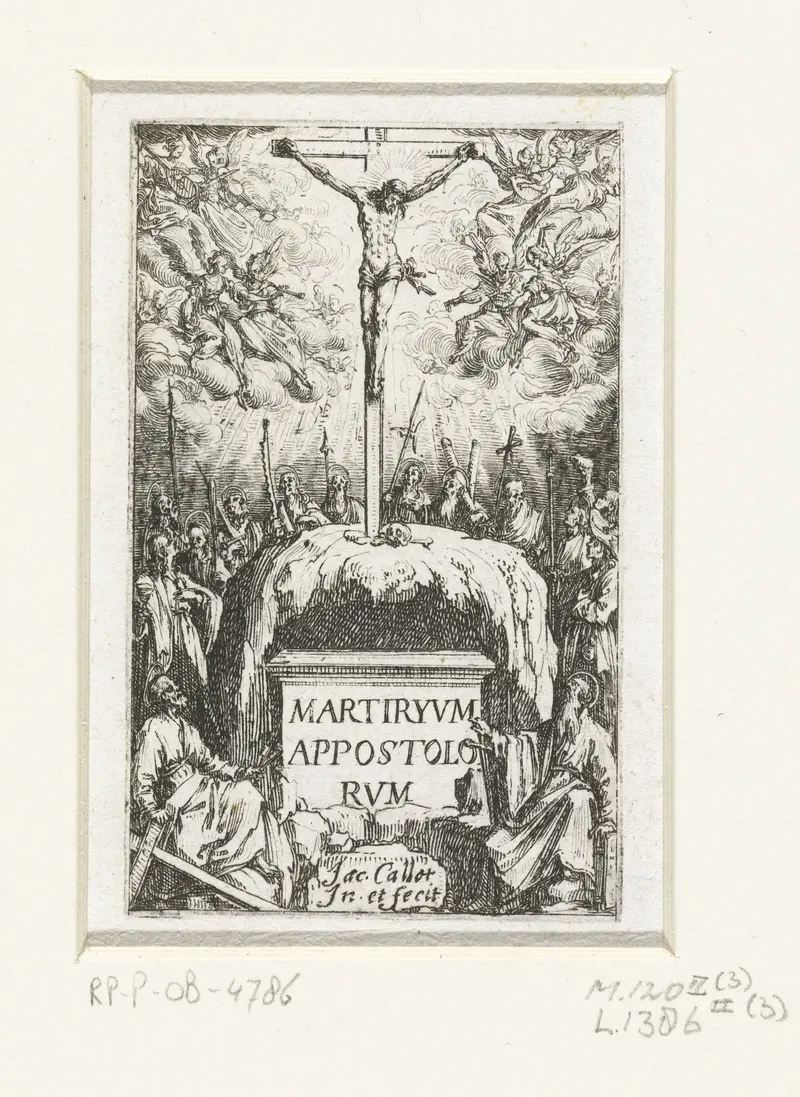
Titelprent voor de prentreeks 'De kleine apostelen' (Het martelaarschap van de apostelen)
Jacques Callot
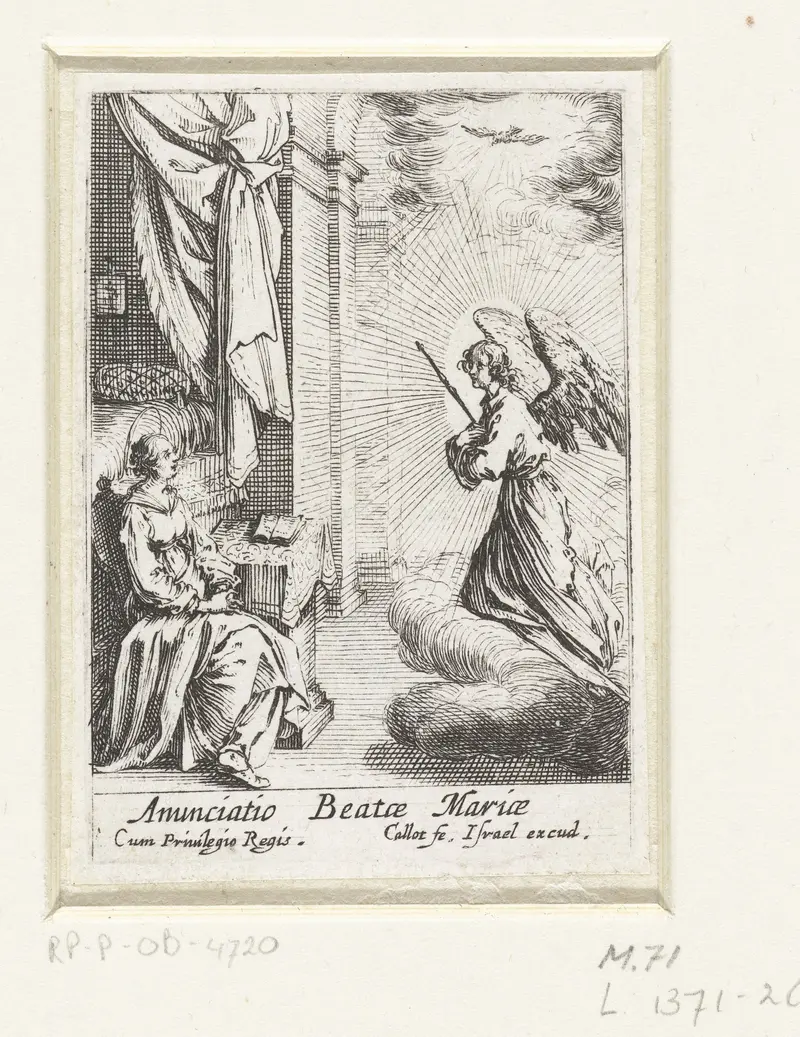
Annunciatie
Jacques Callot
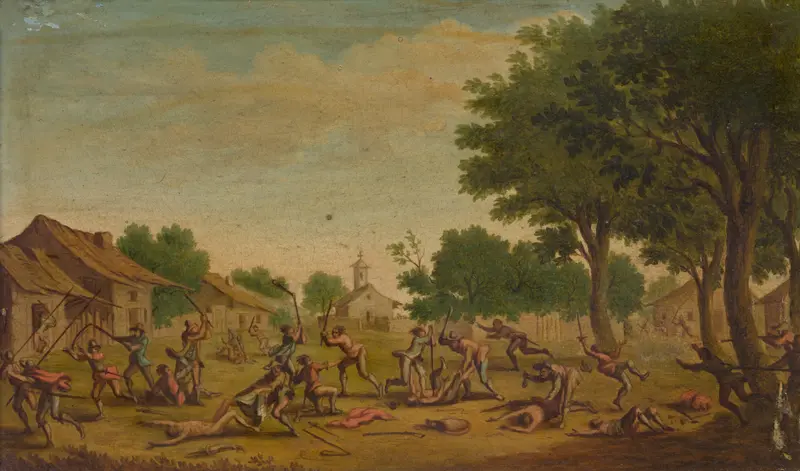
Village Fight
Jacques Callot
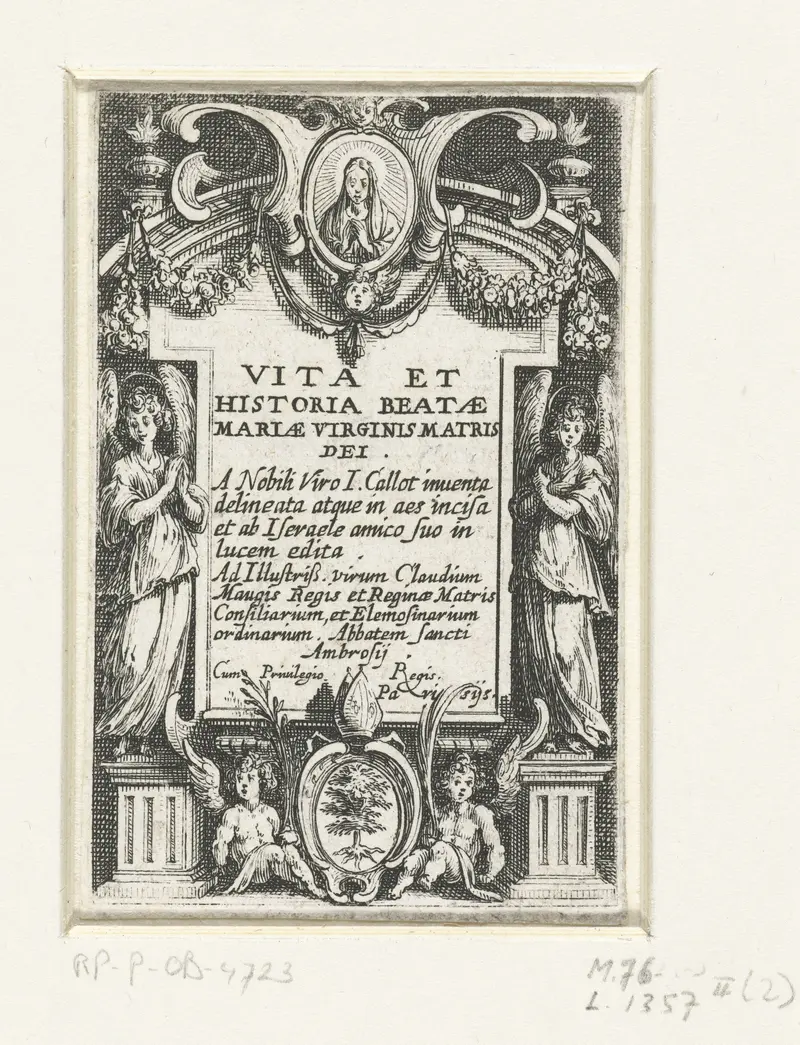
Titelprent voor prentreeks 'Het leven van Maria'
Jacques Callot
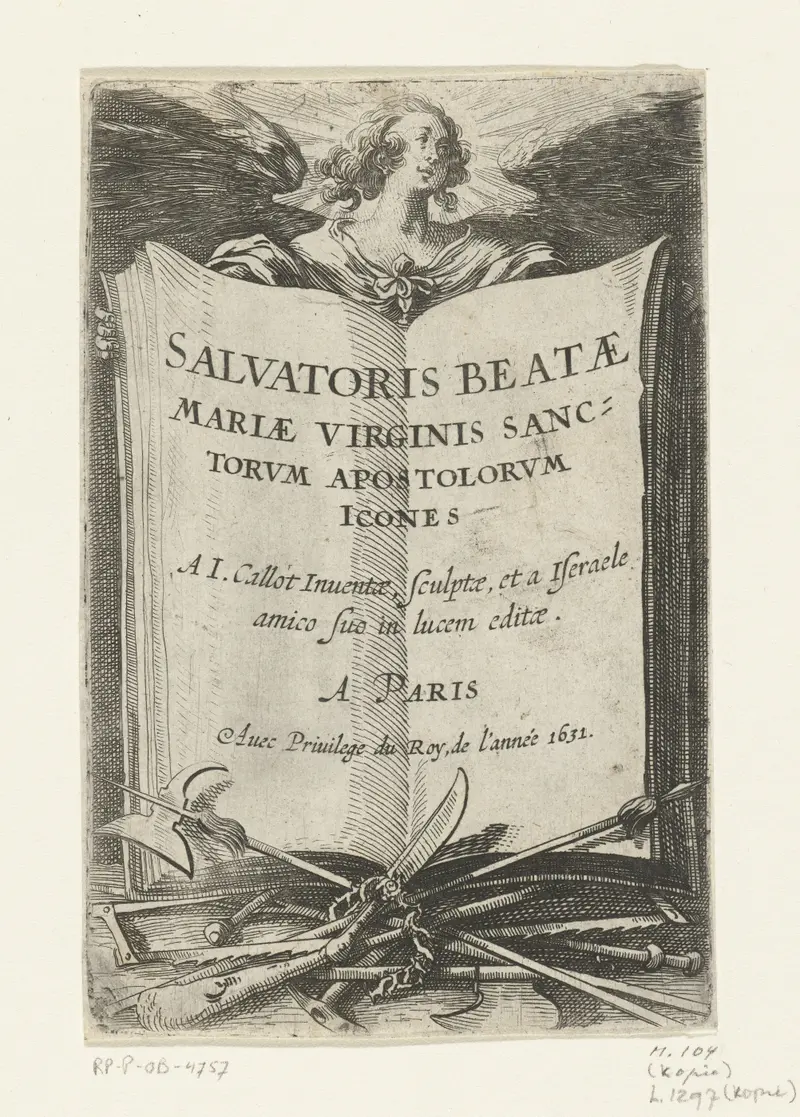
Titelprent voor de prentreeks 'De grote apostelen' (Christus, Maria en de apostelen)
Jacques Callot

Kruisoprichting
Jacques Callot
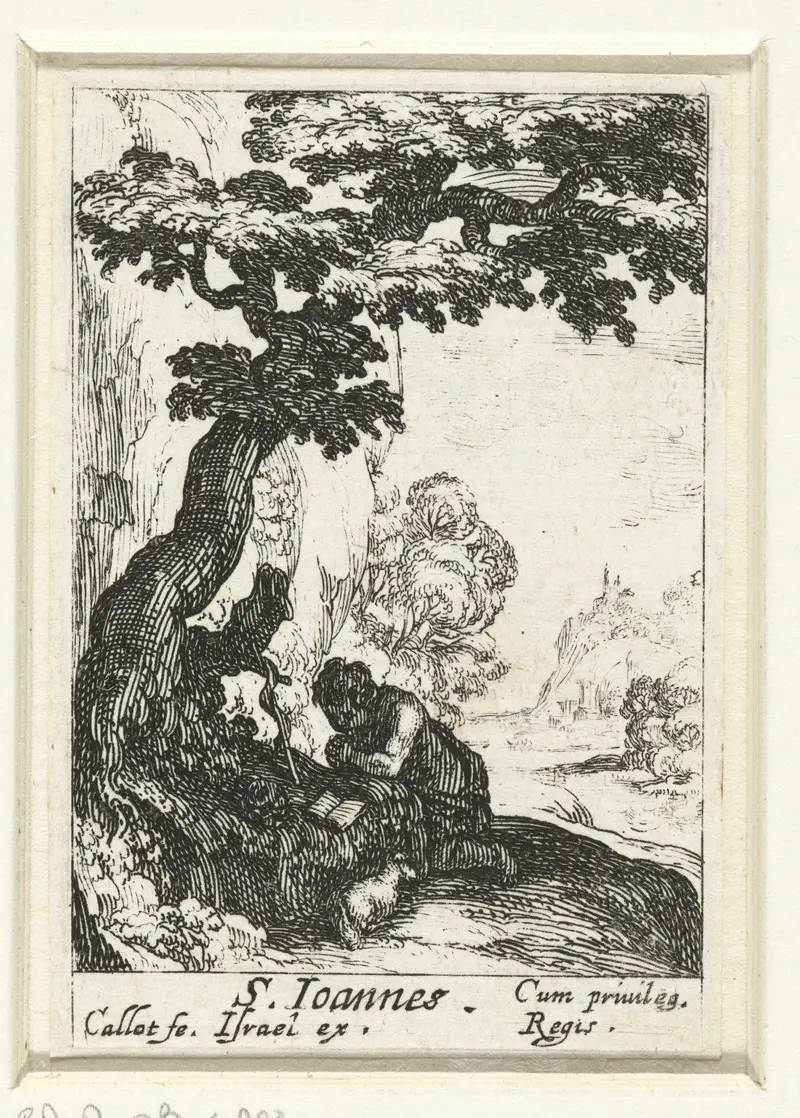
De boetvaardige Johannes de Doper
Jacques Callot
More Genre Scene Art

Banquet of the Officers of the St George Civic Guard
Frans Hals

Rembrandt and Saskia in the Scene of the Prodigal Son
Rembrandt van Rijn

Bal du moulin de la Galette
Pierre-Auguste Renoir

Quadrille at the Moulin Rouge
Henri de Toulouse-Lautrec

A Burial at Ornans
Gustave Courbet

When Will You Marry?
Paul Gauguin