
L Manipori [sic] upper end with rocky islets Evening — History & Facts
In this moment of stillness, tranquility bathes the landscape, inviting introspection and contemplation. The delicate balance between nature and the observer evokes an unspoken dialogue—one that invites us to immerse ourselves in the serene beauty of the world. Look to the left at the soft hues of twilight reflecting on the water’s surface, where the warm oranges and cool blues blend seamlessly, creating an ethereal glow. The rocky islets, with their rugged textures, anchor the composition, drawing your gaze across the water’s calm expanse.
Notice how Gully masters the interplay of light and shadow; the clouds above seem to cradle the landscape, echoing the serenity it offers. The painting embodies a delicate equilibrium between tension and peace. The jagged rocks symbolize the relentless forces of nature, while the still water represents calmness, a sanctuary amidst them. This duality prompts a reflection on life’s inherent contrasts—the turmoil we endure juxtaposed with the moments of quiet reflection that restore our spirits. In 1887, Gully found himself in the heart of an evolving art scene in England, caught between the traditional landscape painting of the past and the emerging Impressionist influences.
He was exploring the natural environments of his native Yorkshire, seeking to capture the essence of light and atmosphere, which would come to define his work. This painting reflects not only his technical prowess but also a deep understanding of the emotional resonance of balance in the natural world.
More Artworks by John Gully
Browse all →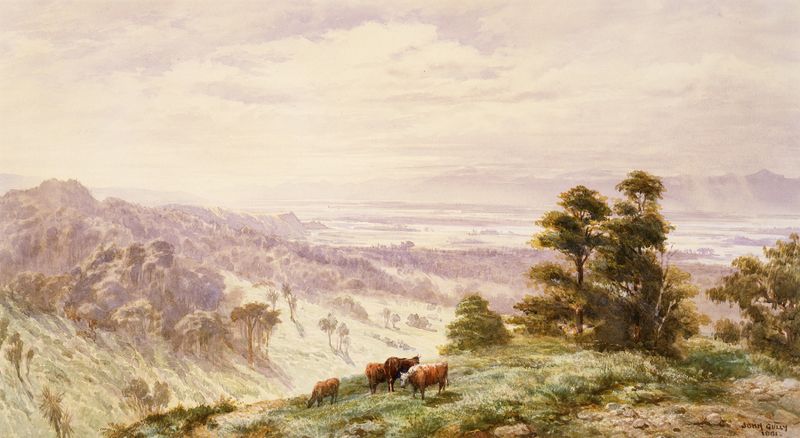
Landscape [Waimea Plains, Nelson]
John Gully
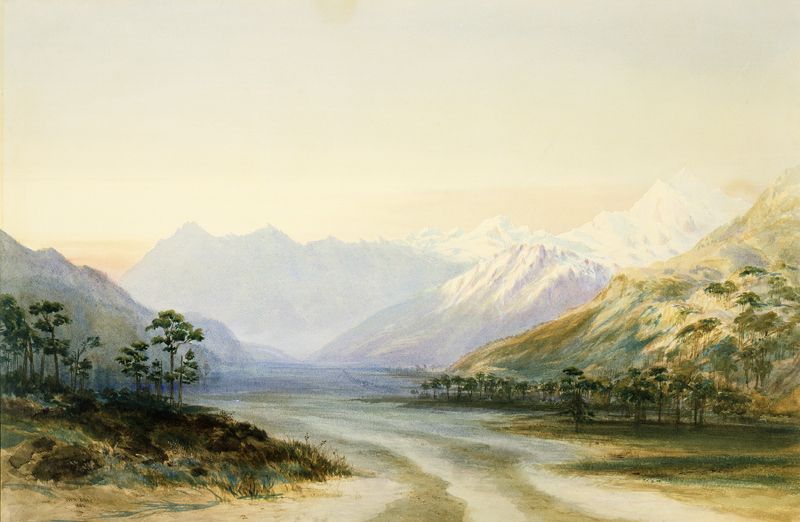
Mount Cook
John Gully
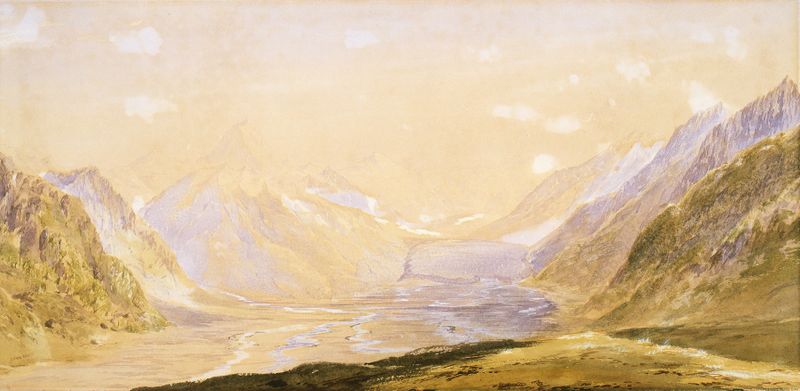
Mount Cook and the Tasman Glacier
John Gully
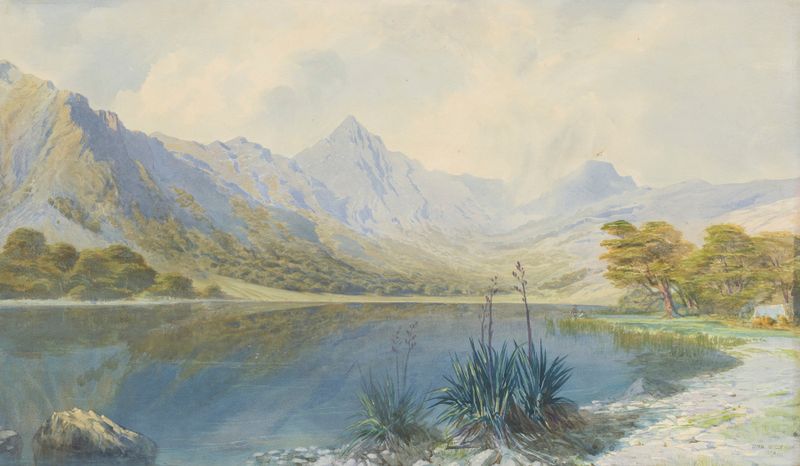
Lake scene (Lake Te Wharau)
John Gully
Mount Cook
John Gully

Tongariro, Ngauruhoe and Ruapehu, Central North Island
John Gully

Lake Wakatipu
John Gully

New Zealand bush scene
John Gully
Upriver scene, Wanganui
John Gully

Paekakariki
John Gully





