
La Grande Jatte (Study II) — History & Facts
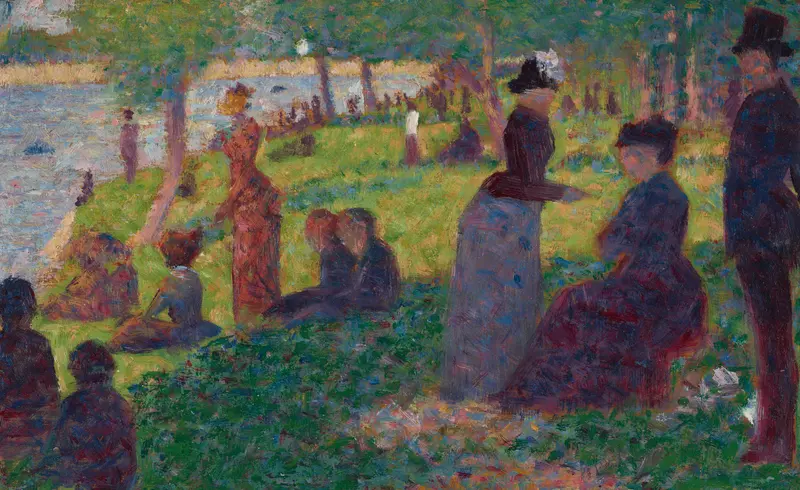
When Georges Seurat began his studies for what would become A Sunday Afternoon on the Island of La Grande Jatte, he embarked on a methodical journey that would change the course of modern painting. La Grande Jatte (Study II) is one of these crucial preparatory works, capturing Seurat’s evolving vision in the summer of 1884. What makes this study especially fascinating is that it records Seurat’s early experiments with the technique that would become known as Pointillism—a painstaking method of applying tiny dots of pure color, which he was still perfecting at the time.
This study stands as a rare glimpse into the artist’s process, showing the moment before theory crystallized into the iconic final canvas. On the banks of the Seine, Parisians gather in leisure, their forms rendered with delicate, almost mathematical precision. A woman in a bustle dress stands rigidly at the water’s edge, a parasol casting a sharp shadow, while a child crouches nearby, absorbed in play. Each figure is isolated in their own world, yet together they form a harmonious tableau, their outlines softened by the dappled light filtering through the trees.
Seurat’s careful placement of color—still looser and more experimental than in the finished painting—invites the eye to dance across the surface, reconstructing the scene from myriad points. Unlike the lively brushwork of Impressionist contemporaries like Claude Monet, Seurat’s approach is deliberate, almost scientific, seeking order in the fleeting bustle of modern life. The precise history of La Grande Jatte (Study II) is not fully documented, but it is known that Seurat produced numerous studies in oil and conté crayon as he developed his magnum opus between 1884 and 1886. These studies were not made for a specific patron but as part of Seurat’s own rigorous process, and many remained in his studio until his death in 1891.
Over the years, they have been dispersed among museums and private collections, prized for their insight into the artist’s technique and vision. Today, this study is recognized as a key step in the evolution of Neo-Impressionism, marking the moment when Seurat’s scientific curiosity began to reshape the possibilities of painting.
More Artworks by Georges Seurat
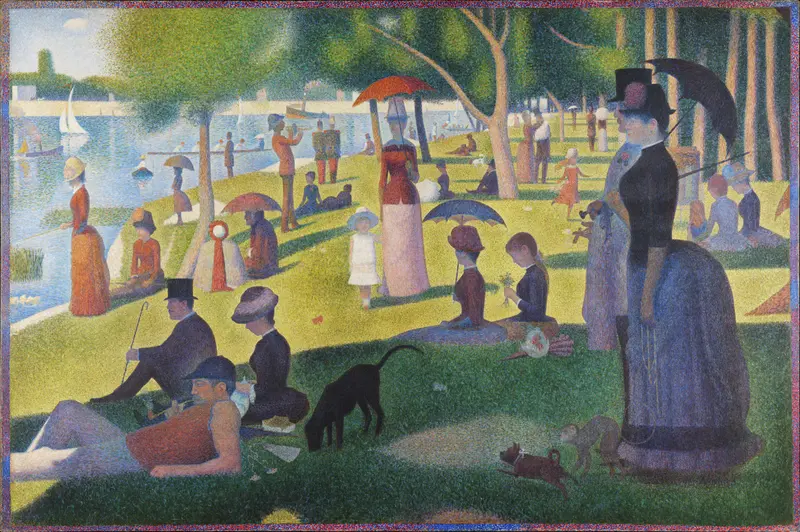
A Sunday Afternoon on the Island of La Grande Jatte
Georges Seurat
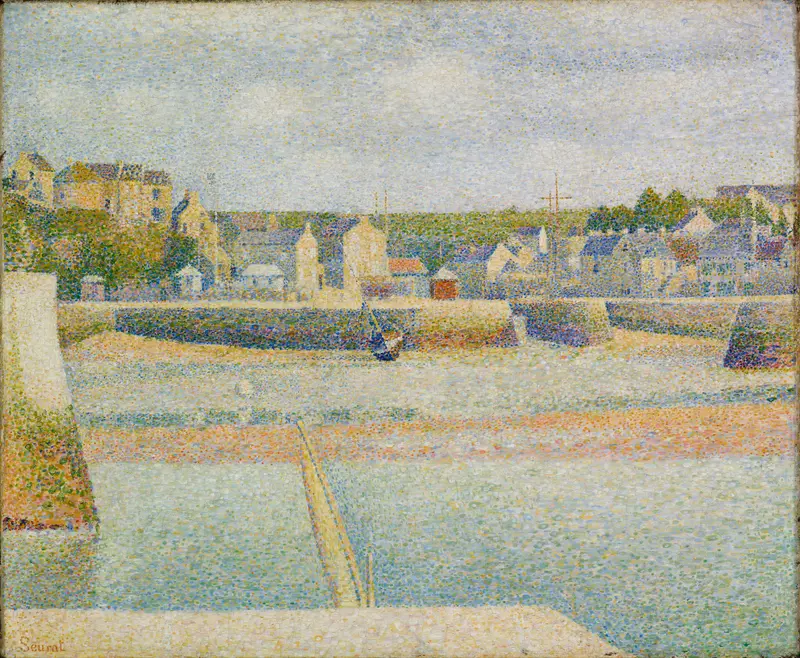
Port-en-Bessin, The Outer Harbor (Low Tide)
Georges Seurat
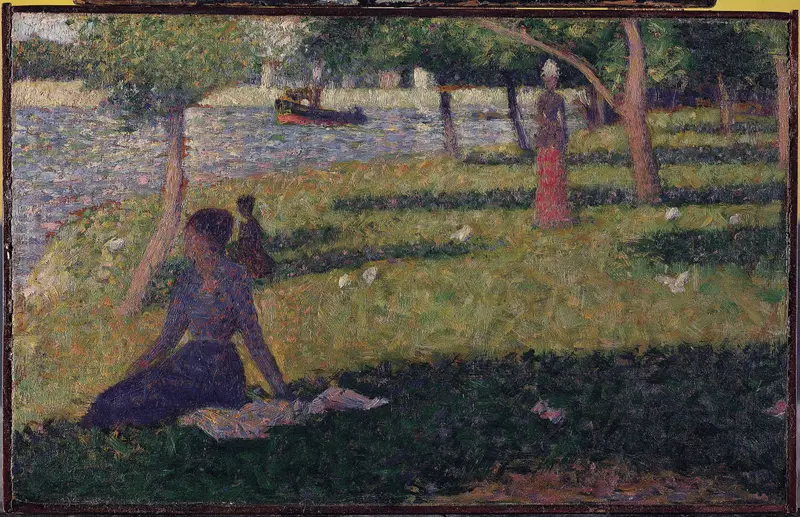
Étude pour ‘La Grande Jatte’ (Study for ‘La Grande Jatte’)
Georges Seurat
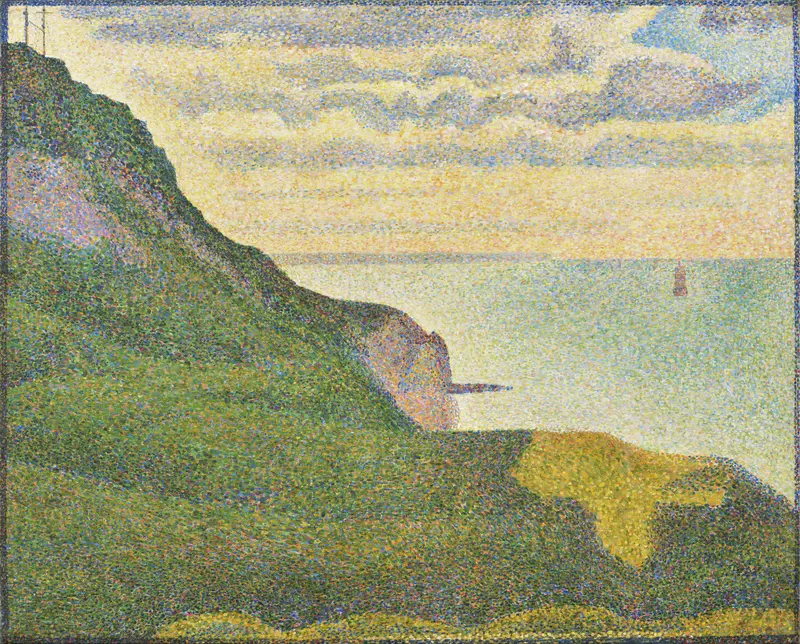
Seascape at Port-en-Bessin,Normandy
Georges Seurat
Oil Sketch for "A Sunday on La Grande Jatte — 1884"
Georges Seurat
View of the Seine
Georges Seurat
The Channel at Gravelines, Evening
Georges Seurat
Study for ‘A Sunday on La Grande Jatte’
Georges Seurat
Study for A Sunday on La Grande Jatte
Georges Seurat
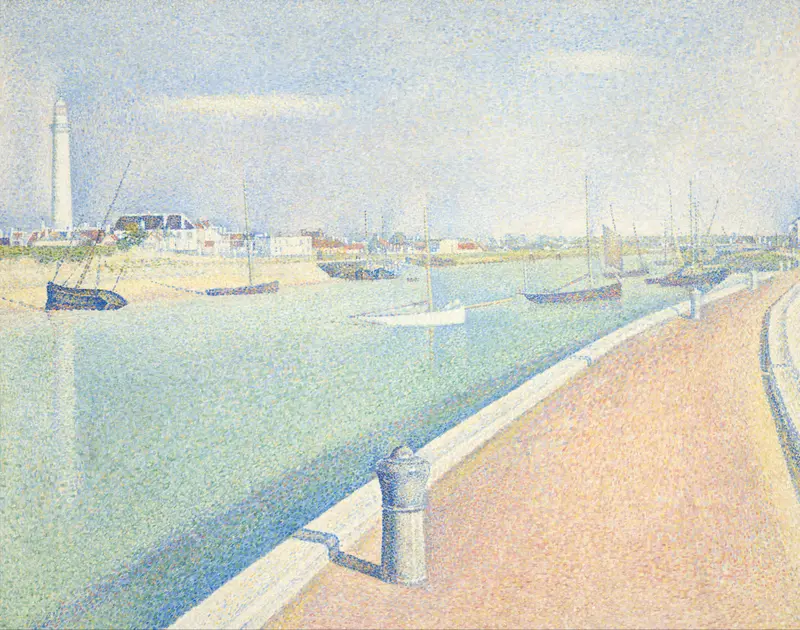
The Channel of Gravelines, Petit Fort Philippe
Georges Seurat
More Genre Scene Art

Banquet of the Officers of the St George Civic Guard
Frans Hals

Rembrandt and Saskia in the Scene of the Prodigal Son
Rembrandt van Rijn

Bal du moulin de la Galette
Pierre-Auguste Renoir

Quadrille at the Moulin Rouge
Henri de Toulouse-Lautrec

A Burial at Ornans
Gustave Courbet

When Will You Marry?
Paul Gauguin