
La porte Saint-Martin — History & Facts
When did color learn to lie? In a world where movement dances through silence, La porte Saint-Martin captures a moment suspended in time, revealing the essence of urban life. Look to the foreground, where the archway of the St. Martin gate frames a bustling crowd. The palette of muted earth tones contrasts sharply with the bright accents of pedestrians’ garments, drawing your eye towards their lively gestures.
Notice how the brushstrokes convey motion; figures are alive with an unspoken energy, creating a rhythm that pulses through the canvas. The play of light, golden and soft, bathes the scene, highlighting the textured stone of the gate while casting long shadows that stretch into the past. Behind the bustling figures lies a world of contrasts. The sturdy, stoic architecture embodies permanence, standing resolute against the ebbs and flows of society, while the animated crowd hints at the transient nature of human experience.
The interplay between the rigid structure and the fluidity of the people evokes a deeper reflection on life in an ever-urbanizing world. Each figure tells a story, and their movements breathe life into the historical backdrop, resonating with echoes of ambition and nostalgia. Frédéric Houbron painted La porte Saint-Martin in 1898 during a time of rapid change in Paris, where the vibrancy of the Belle Époque was unfolding. His work emerged against a backdrop of modernity, as artists increasingly sought to capture the dynamism of contemporary life.
This period marked a shift toward impressionistic techniques, as Houbron embraced innovative styles that conveyed the energy of city life, solidifying his place in the narrative of urban artistry.
More Artworks by Frédéric Houbron
Browse all →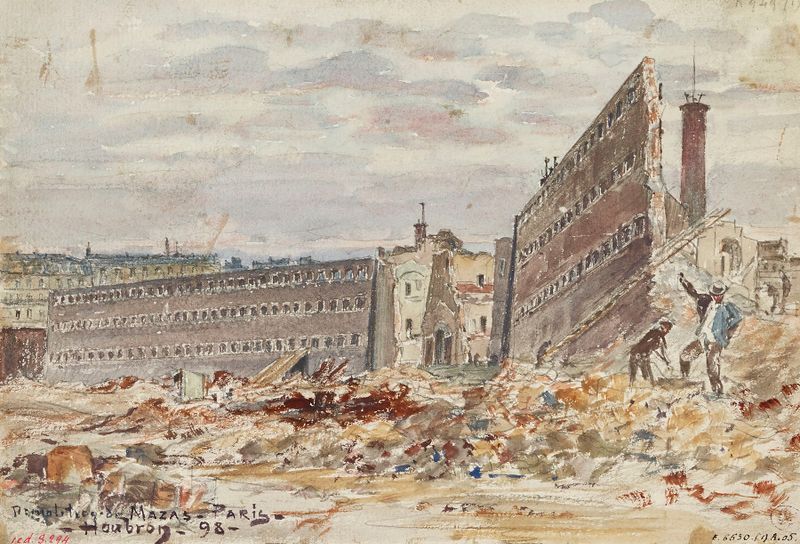
Démolition de la prison Mazas, 23, 25 boulevard Diderot (ancien boulevard Mazas)
Frédéric Houbron
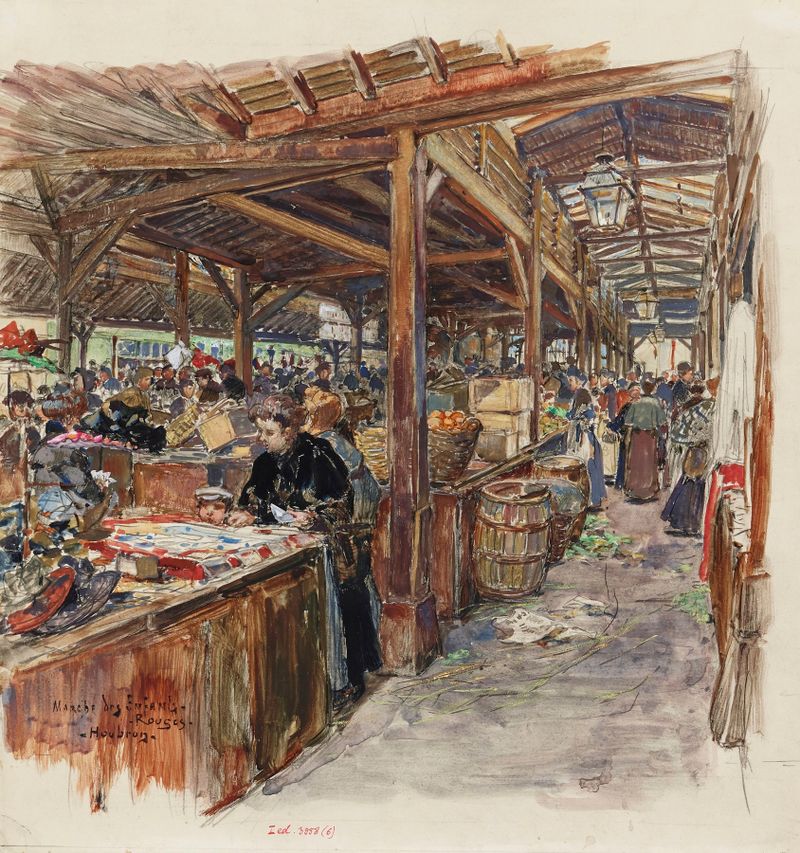
Intérieur du Marché des Enfants Rouges. 3ème arrondissement
Frédéric Houbron
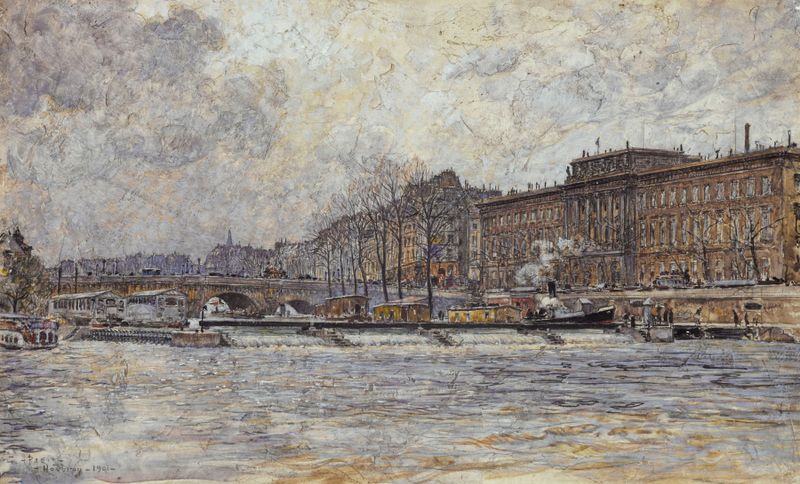
L’Hôtel de la Monnaie et le Pont-Neuf
Frédéric Houbron

Quai des Orfèvres. Paris. 1906
Frédéric Houbron
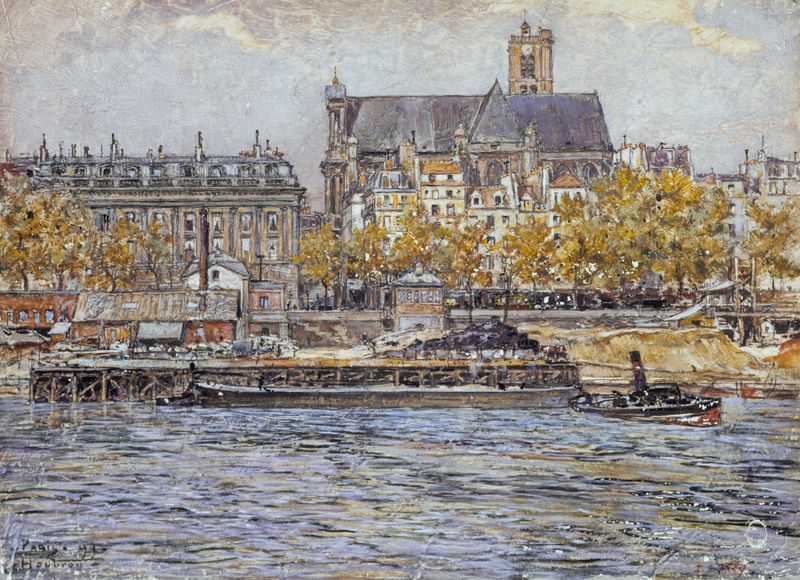
Le quai de l’Hôtel-de-Ville et l’église Saint-Gervais-Saint-Protais
Frédéric Houbron
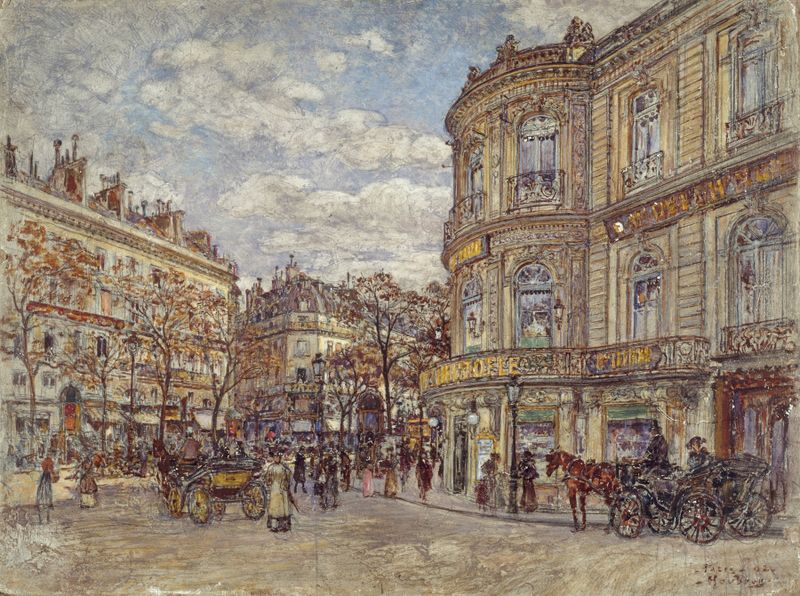
Le Pavillon de Hanovre, rue Louis-le-Grand
Frédéric Houbron

La rue du Chevalier-de-la-Barre, avec le Sacré-Cœur en construction
Frédéric Houbron
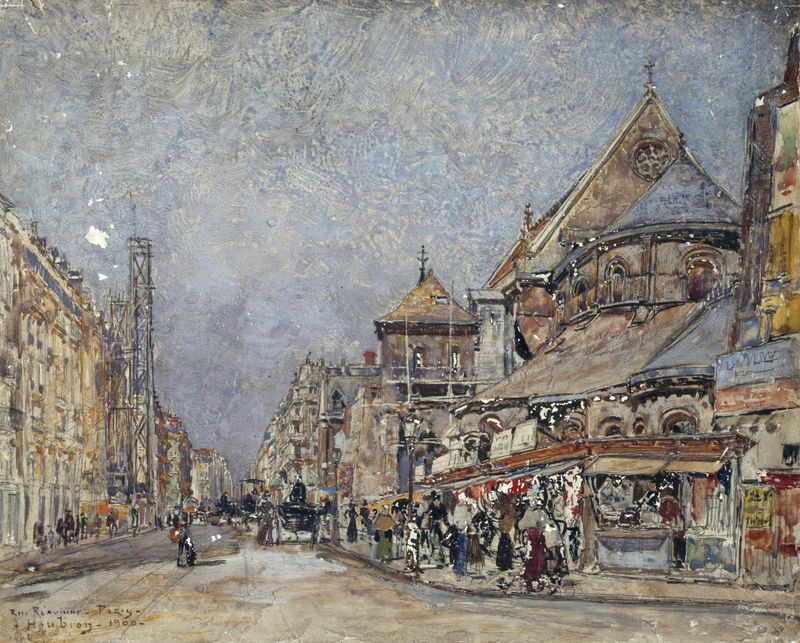
La rue Réaumur et le chevet de l’église Saint-Martin-des-Champs
Frédéric Houbron
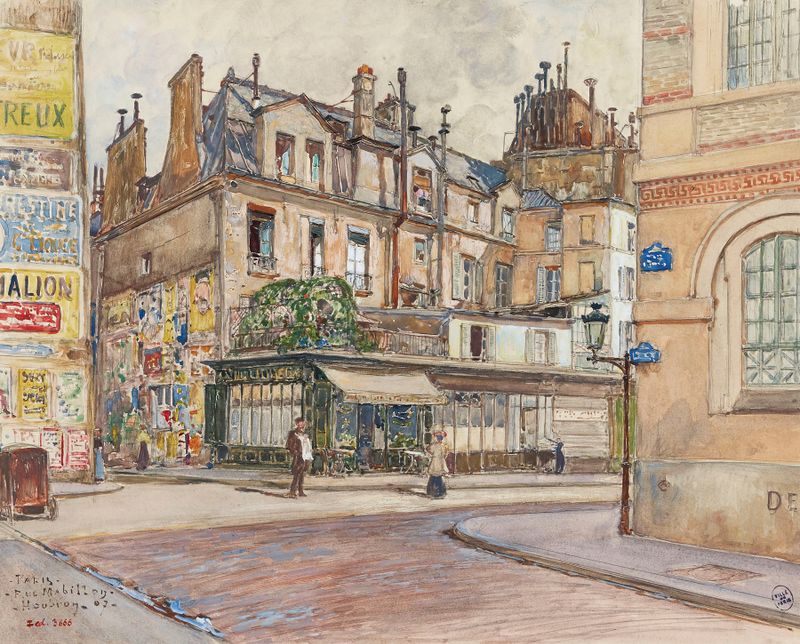
Angle rue Mabillon et rue Clément, en 1907. 5ème et 6ème arrondissements
Frédéric Houbron
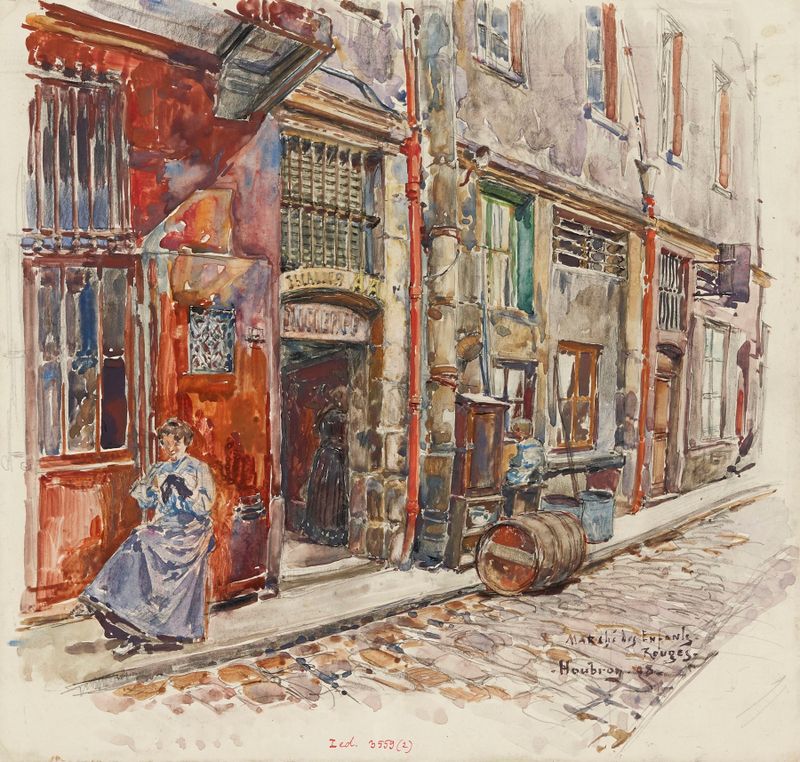
Entrée escalier A du Marché des Enfants-Rouges, en 1908. 3ème arrondissement
Frédéric Houbron





