
La Seine à Coulon — History & Facts
What draws the eye first in La Seine à Coulon is the quiet geometry of the riverside buildings, their straight lines softened by the gentle, almost hesitant touch of the artist’s hand. The reflection of these structures in the calm water below creates a subtle doubling, as if the village and its world are suspended between earth and river. Boats rest along the bank, their dark hulls anchoring the composition, while a thicket of leafless trees forms a delicate screen against the sky.
The artist’s use of fine, nervous lines gives the scene a sense of stillness tinged with anticipation, as if something is about to stir just beyond the frame. Every detail—the haystack, the open doors, the faint suggestion of figures—invites the viewer to linger and imagine the daily rhythms of this quiet place. Works like this, by Armand Apol, belong to a tradition of late nineteenth and early twentieth-century landscape art that found poetry in the ordinary. Artists of this period often turned to the rivers and villages of France and Belgium, seeking to capture the changing face of rural life as industry and modernity crept ever closer.
The etching’s modest scale and intimate mood suggest it was made for collectors who valued scenes of everyday beauty, perhaps as a reminder of a slower, more rooted existence. Now held in the Royal Library of Belgium, La Seine à Coulon stands as a quiet testament to the enduring appeal of the riverbank and the artist’s attentive gaze—an invitation to return, again and again, to the water’s edge.
More Artworks by Armand Apol
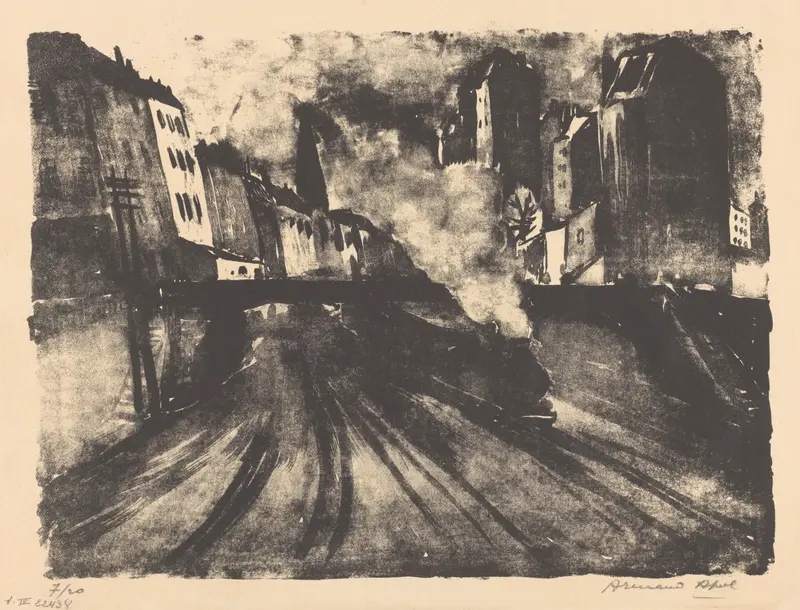
Chemin de fer de ceinture à Paris
Armand Apol
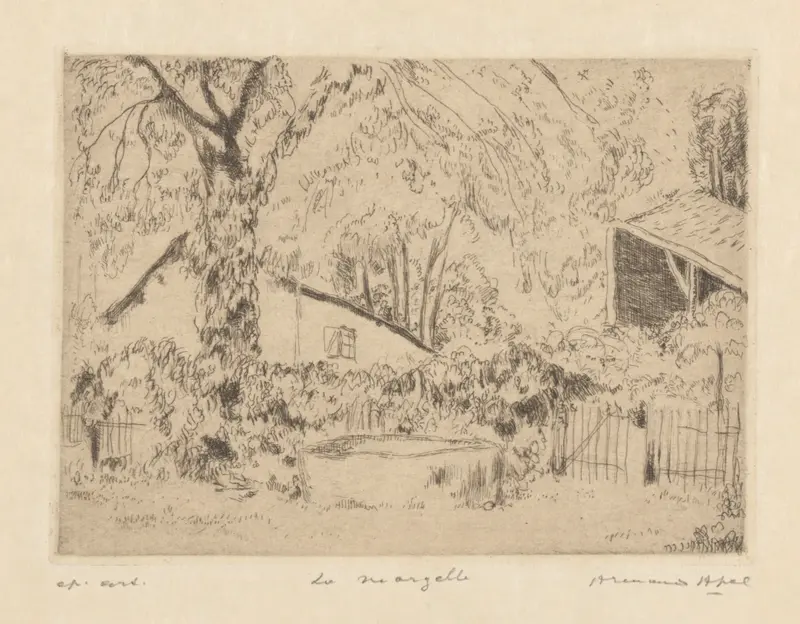
La margelle
Armand Apol
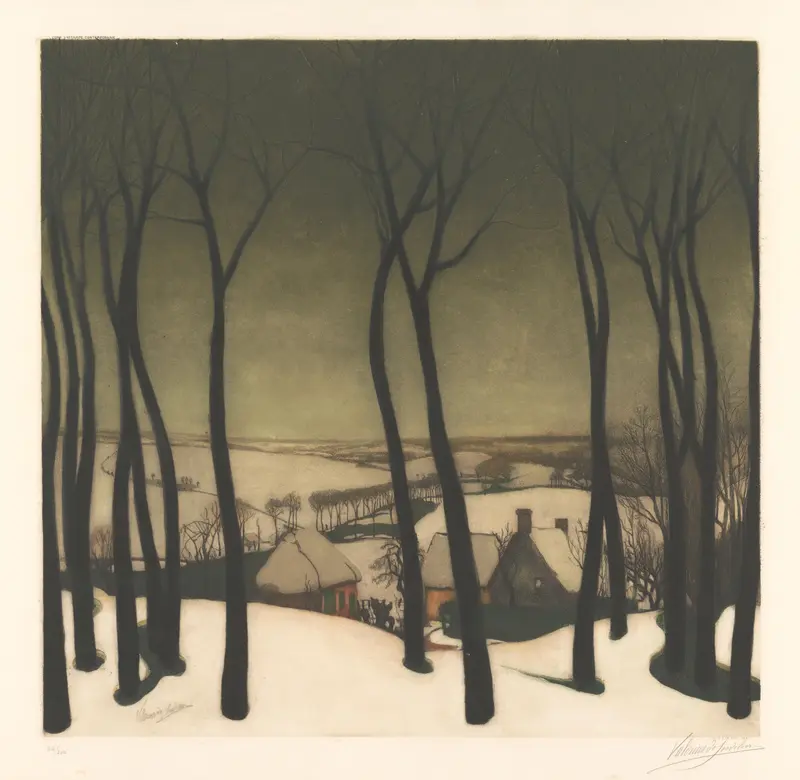
Album 8 estampes (en couleurs) (05) : Paysage
Armand Apol
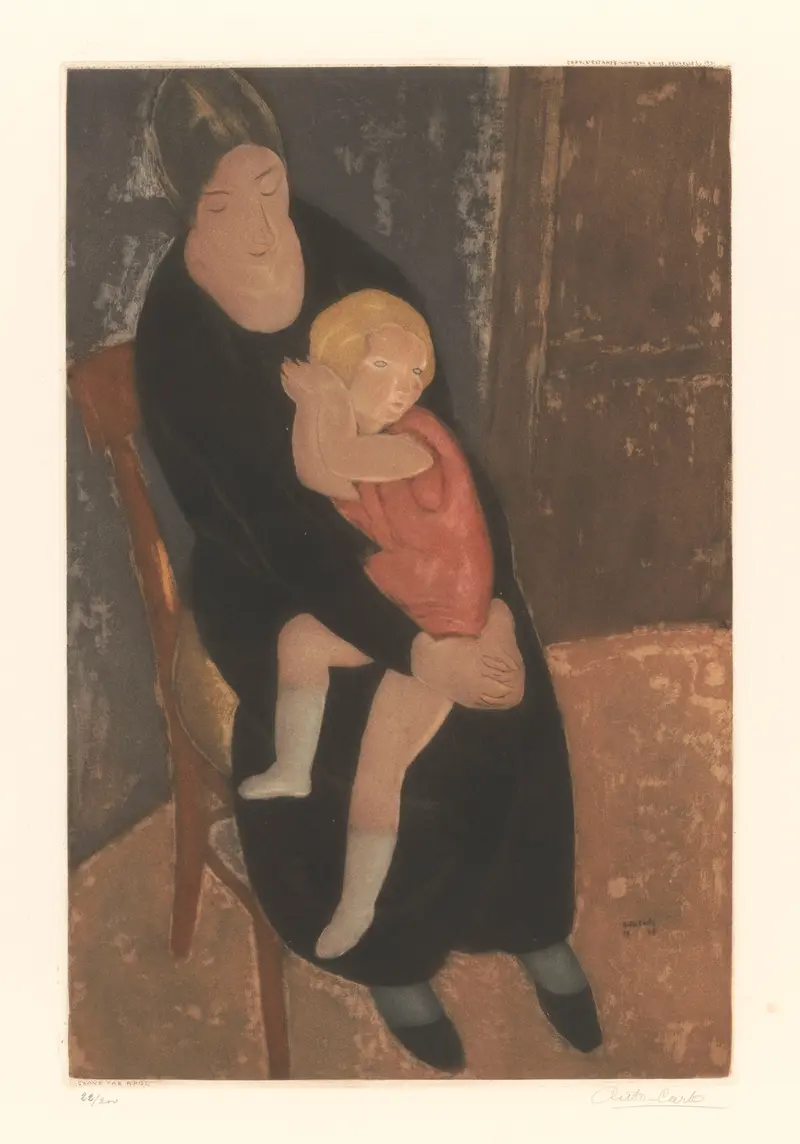
Album 8 estampes (en couleurs) (08) : Mère et enfant
Armand Apol
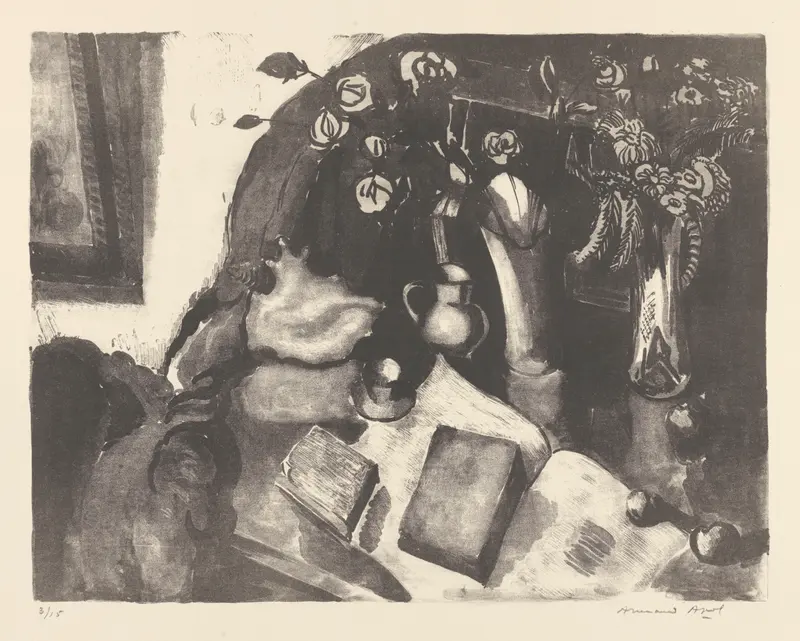
Dix lithographies au lavis (02) : Nature morte
Armand Apol

Dix planches (06) : La loge
Armand Apol
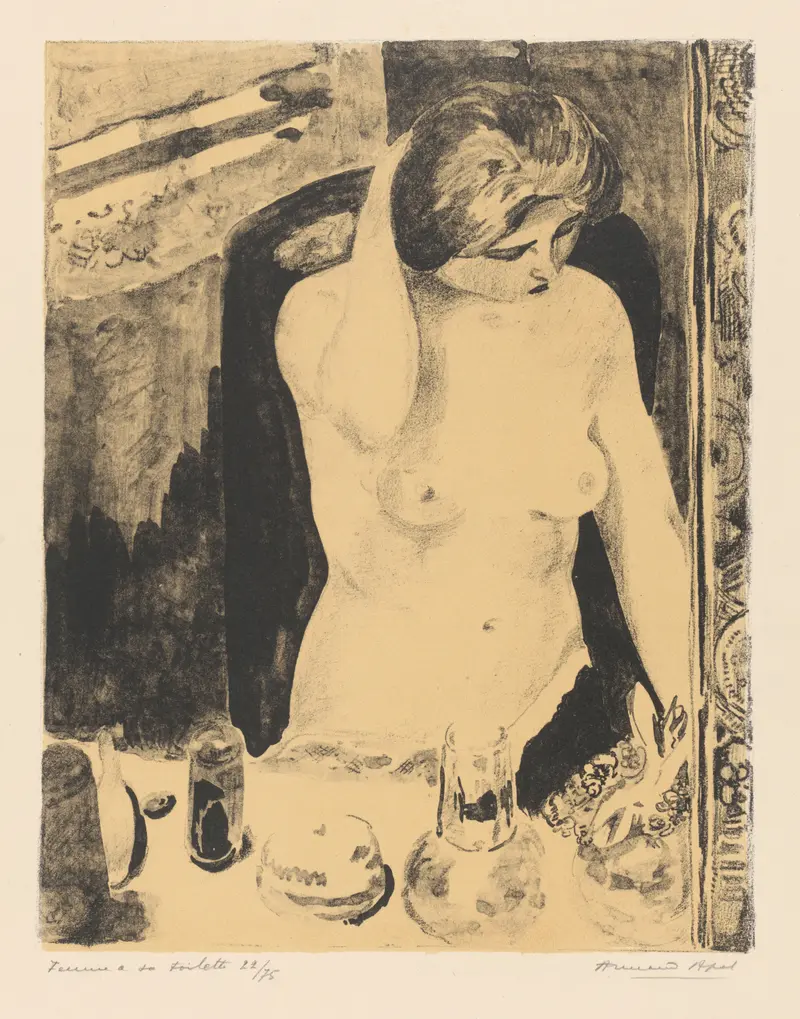
Dix planches (10) : Femme à sa toilette
Armand Apol
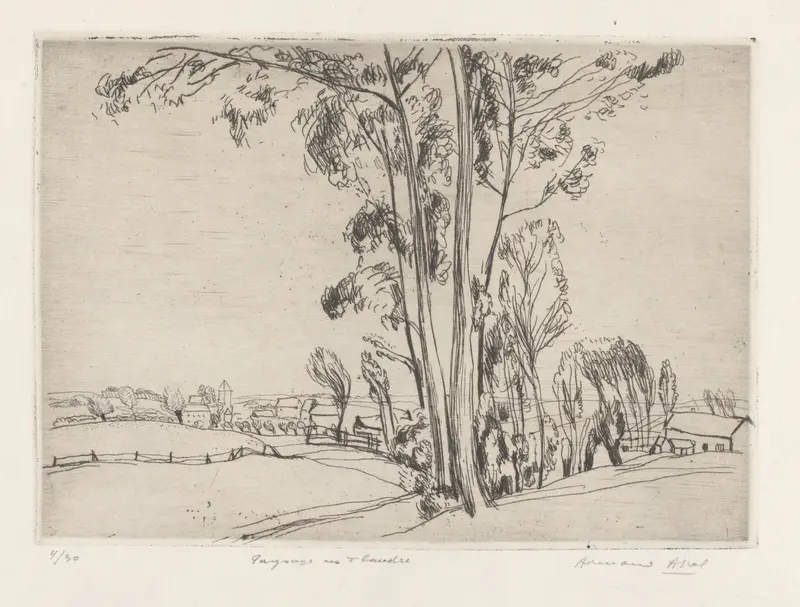
Paysage en Flandre (Etichove)
Armand Apol
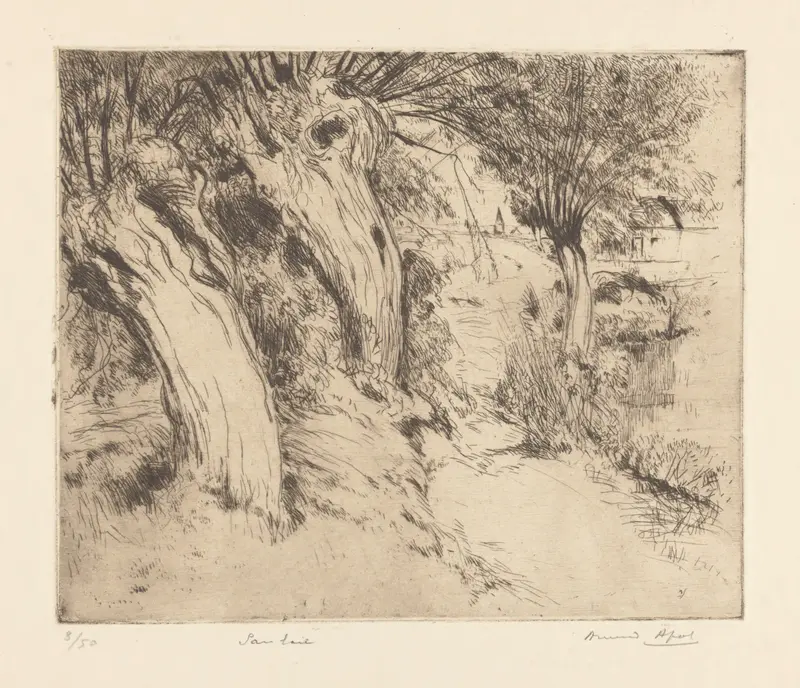
Saulaie
Armand Apol
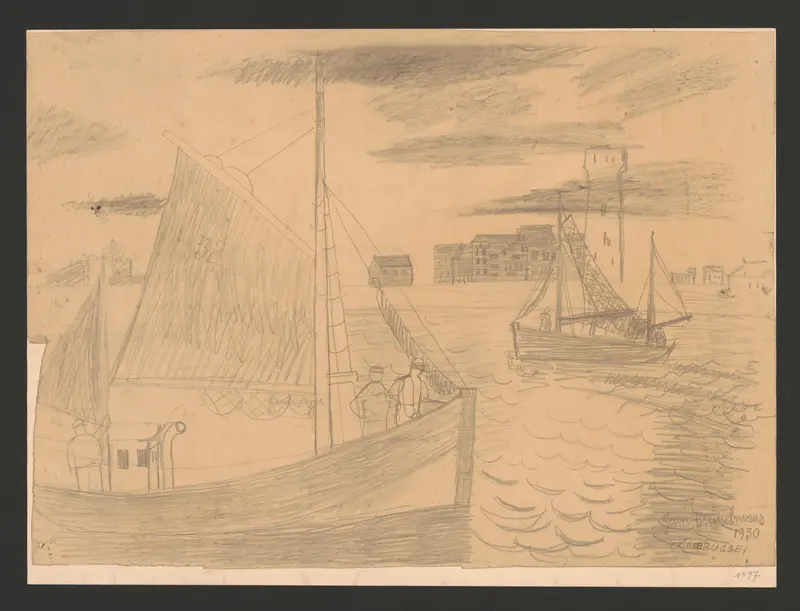
Zeebrugge
Armand Apol
More Landscape Art

The Starry Night
Vincent van Gogh

View of Delft
Johannes Vermeer

Water Lilies
Claude Monet

The Grand Canal, Venice, looking north-west from the Ca' Corner to the Ca' Contarini degli Scrigni, with the campanile of Santa Maria della Carità
Canaletto

Windsor Castle
Canaletto

The Grand Canal looking North-East from the Palazzo Dolfin-Manin to the Rialto Bridge
Canaletto