
Lady Anne Torphichen — History & Facts
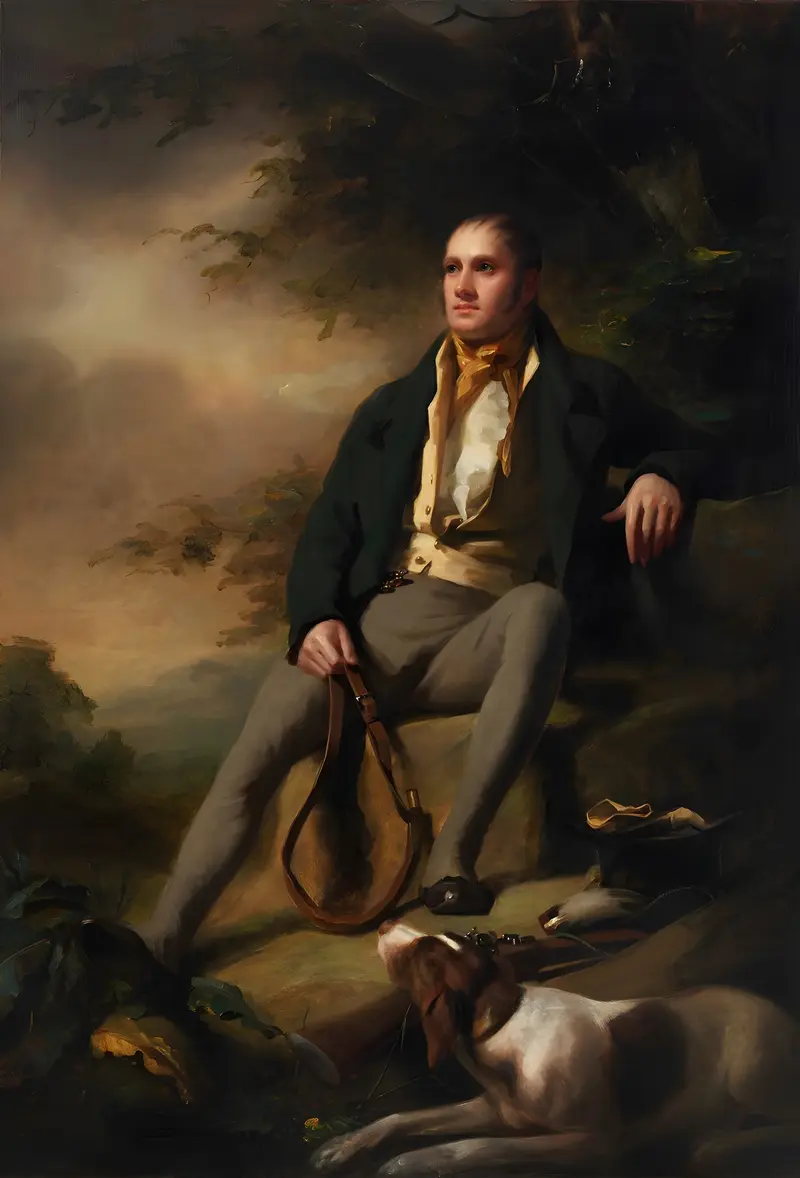
When Sir Henry Raeburn painted Lady Anne Torphichen, he captured not only a likeness but also a powerful symbol of Scottish aristocratic identity at the turn of the nineteenth century. The Torphichen family, prominent in Edinburgh society, were known for their patronage of the arts and their close ties to the intellectual elite of the Scottish Enlightenment. This portrait, though undated, is believed to have been commissioned during Raeburn’s most productive years, when his sitters included some of the most influential figures in Scotland.
The painting stands out for the sitter’s direct gaze and the quiet confidence with which she meets the viewer—qualities that contemporary commentators admired in Raeburn’s portraits. Lady Anne is depicted seated, her posture erect yet relaxed, dressed in the understated elegance typical of her class and era. The light falls softly across her face, illuminating the delicate textures of her attire and the subtle flush of her cheeks. Her hands, lightly clasped in her lap, suggest composure and self-possession, while the absence of ostentatious jewelry or elaborate background directs all attention to her character.
Raeburn’s approach here recalls the psychological insight of Thomas Gainsborough’s later portraits, but with a distinctly Scottish restraint and intimacy. Every detail—the gentle turn of her head, the calm assurance in her eyes—invites the viewer to contemplate not just her appearance, but her presence. The precise circumstances of the painting’s commission remain unclear, as do its early movements, but it is typical of Raeburn’s work for the Scottish nobility during the late eighteenth and early nineteenth centuries. Many of his portraits, including this one, remained in family collections for generations before entering public view.
Today, Lady Anne Torphichen is recognized as a fine example of Raeburn’s mature style, marked by its naturalism and psychological depth. Its journey from private estate to gallery wall reflects the enduring appeal of Raeburn’s vision of Scottish society, and its place in his oeuvre is secure as a testament to his ability to capture both likeness and spirit.
More Artworks by Sir Henry Raeburn

Portrait of Hugh Hope
Sir Henry Raeburn
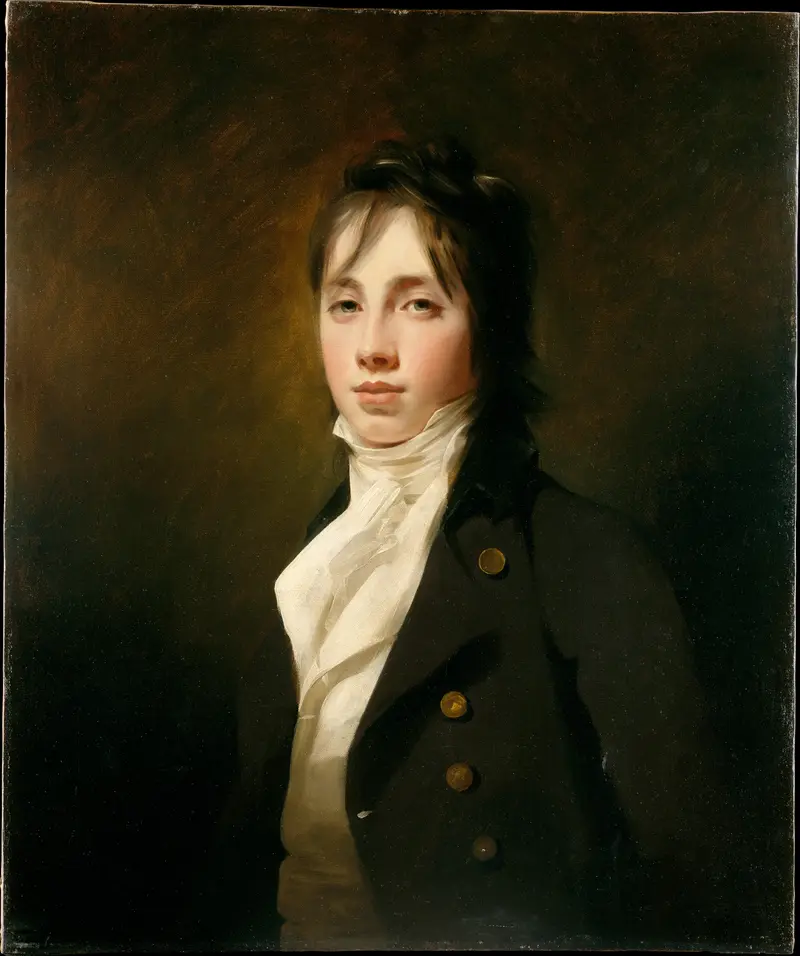
William Fraser of Reelig (1784–1835)
Sir Henry Raeburn
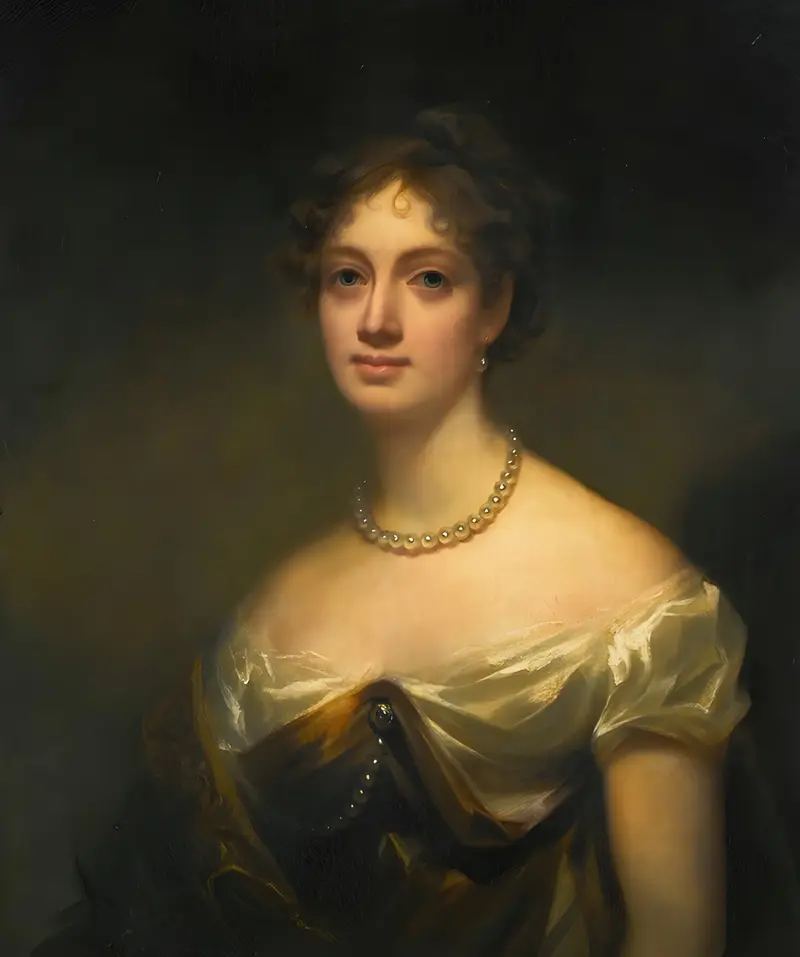
Portrait Of Anne Blair Maconochie Welwood Of Garvock, Lady Meadowbank (1784–1866)
Sir Henry Raeburn
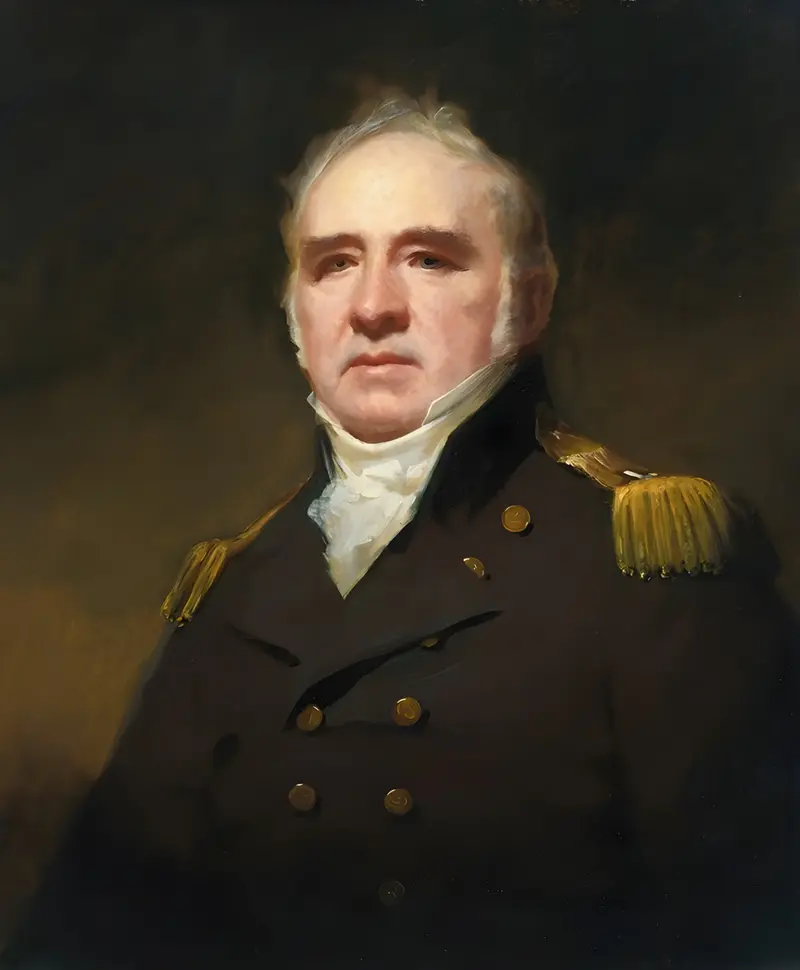
Portrait Of Captain James Forbes-Drummond, R.N., Of Hawthornden
Sir Henry Raeburn
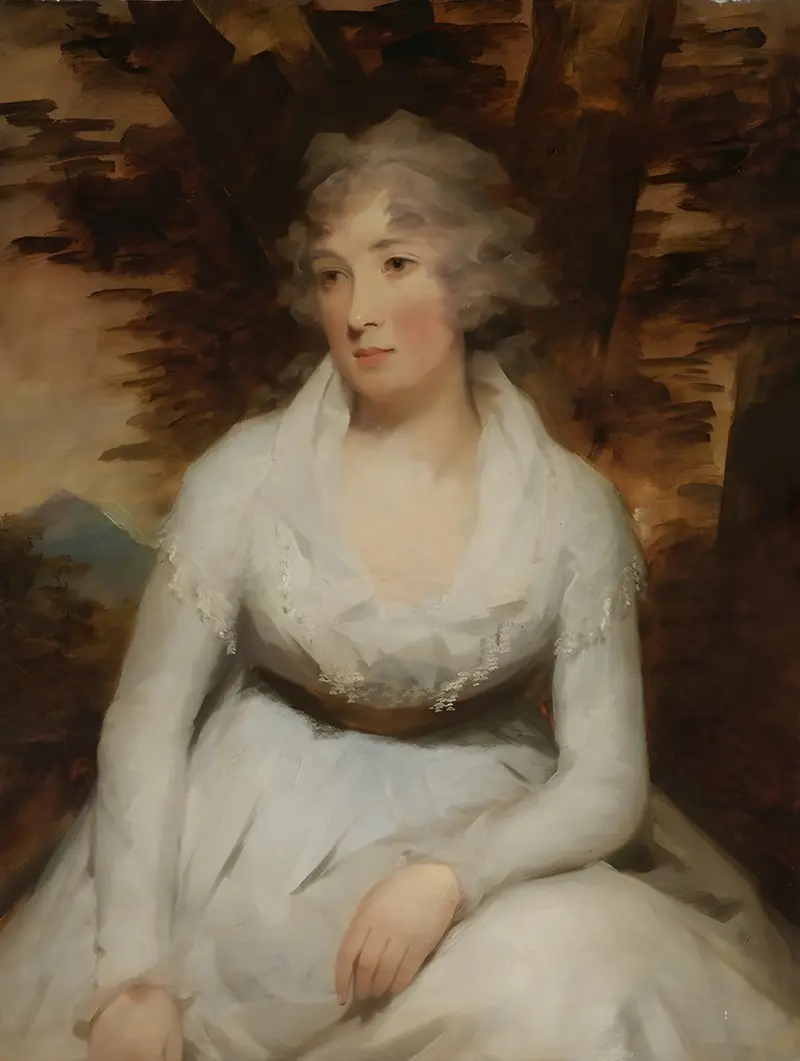
Miss Elizabeth Dalrymple (afterwards Mrs. George Leith)
Sir Henry Raeburn
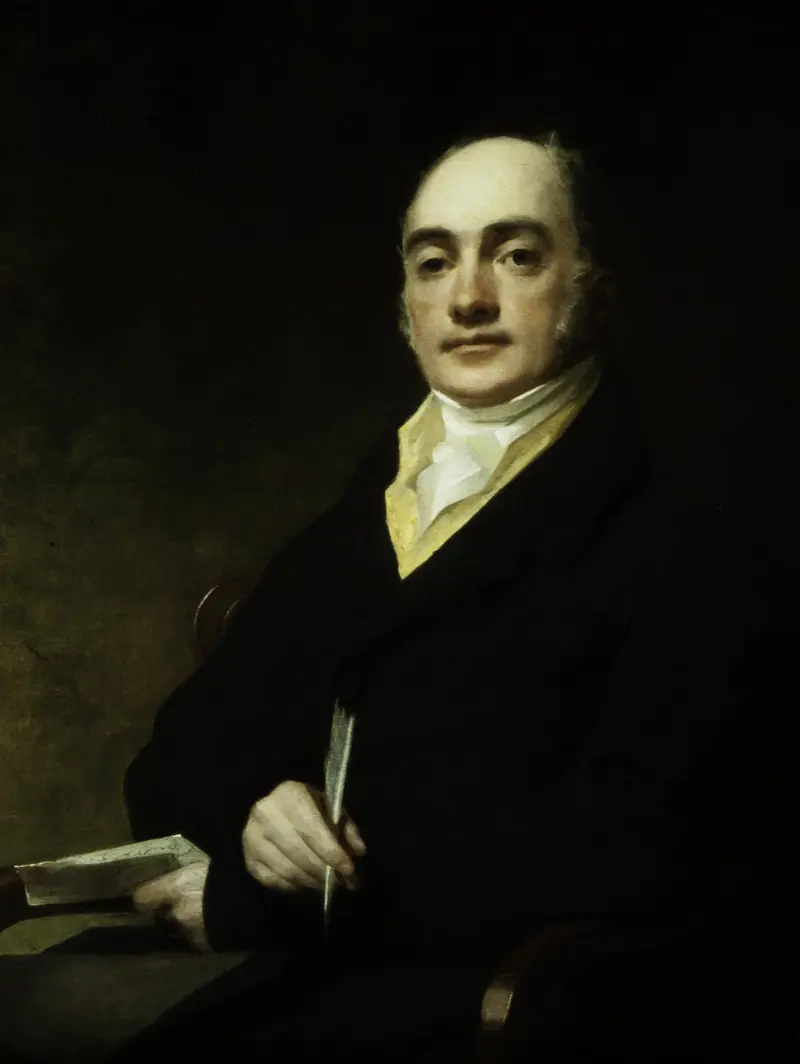
Portrait of John Baillie (1772-1833)
Sir Henry Raeburn
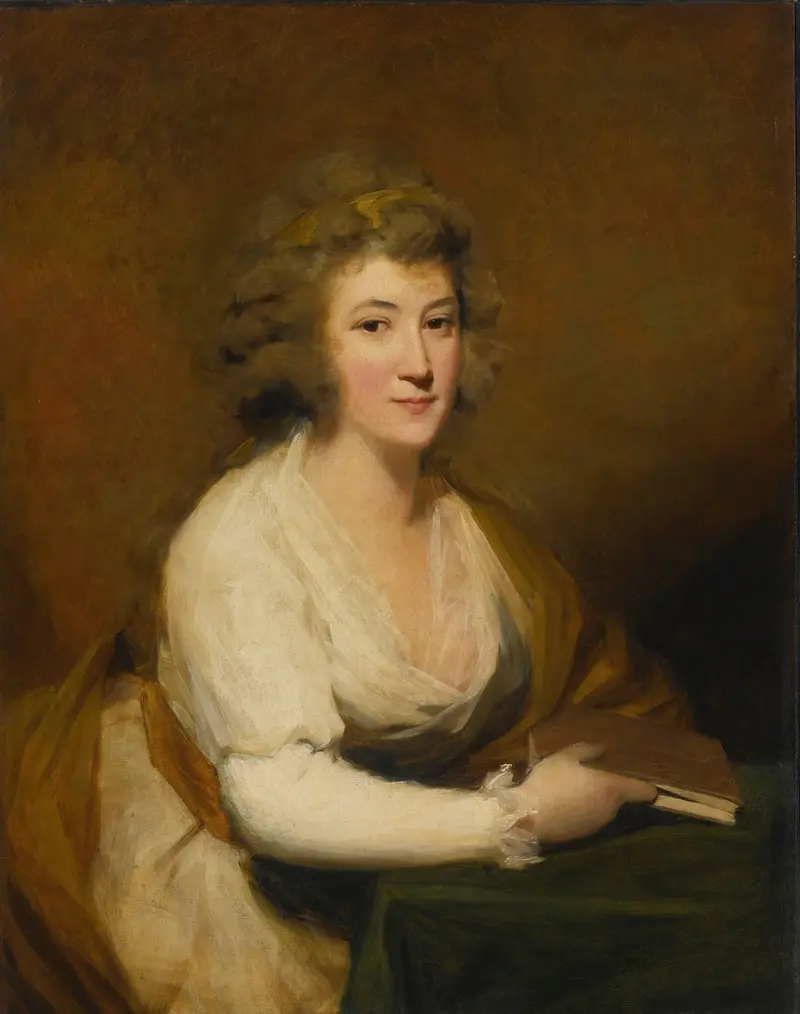
Portrait Of Lady Nasmyth, In A White Dress And Brown Shawl, Seated At A Table, Holding A Book
Sir Henry Raeburn
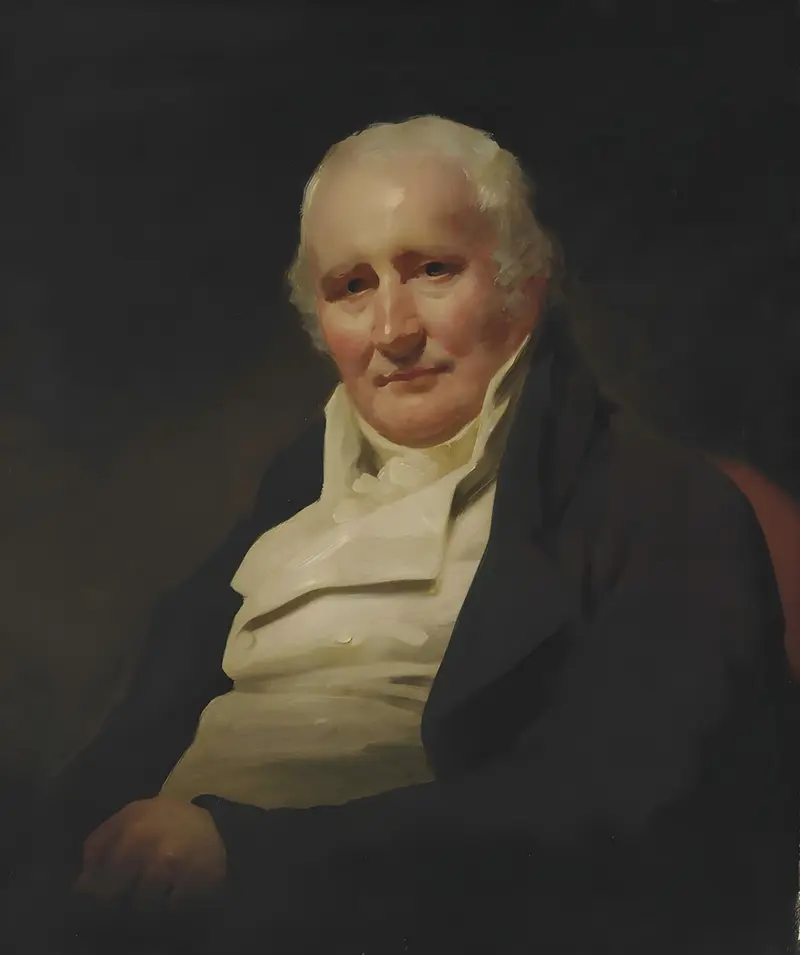
Portrait Of Mr. Spottiswood
Sir Henry Raeburn
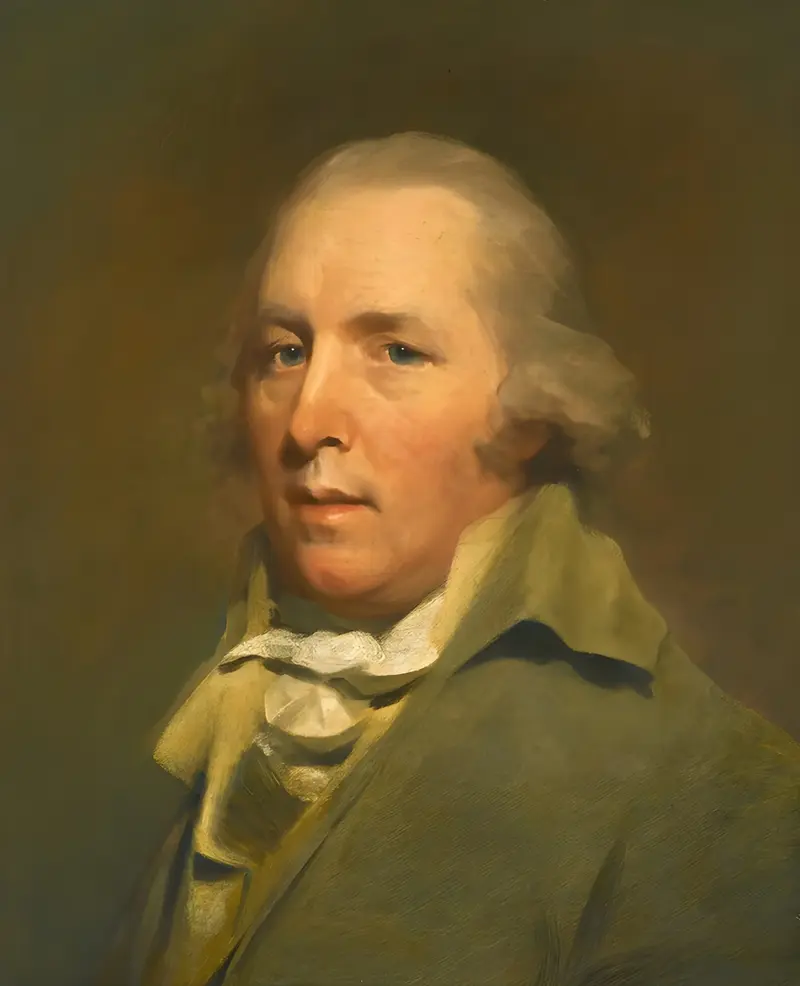
Portrait Of The Reverend John Home (1722-1808)
Sir Henry Raeburn
Portrait of William Hunt (c.1796-1854), Pittencrief House, Dunfermline
Sir Henry Raeburn





