
Lady Delves Broughton — History & Facts
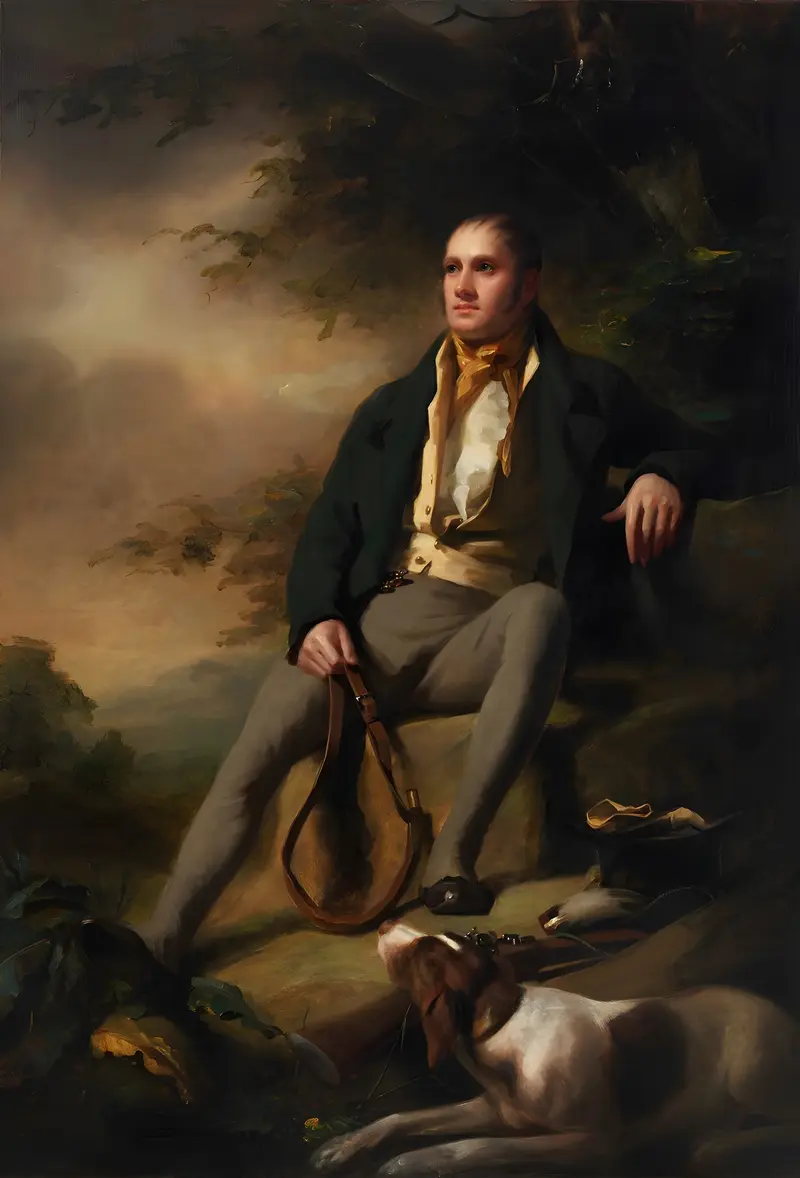
When Lady Delves Broughton was first exhibited, viewers were struck by the sitter’s direct gaze—a rarity in late eighteenth-century British portraiture, where women were more often cast as demure or withdrawn. The subject, Lady Delves Broughton, belonged to the English landed gentry, and her portrait by Sir Henry Raeburn signaled both her social standing and her individuality. The painting’s provenance is shrouded in some uncertainty, with no surviving commission records, but its confident style and psychological presence have long attracted attention from scholars and collectors alike. Raeburn captures Lady Delves Broughton at a moment of poised stillness, her eyes meeting the viewer’s as if in conversation.
Her attire—simple yet elegant—eschews the elaborate trappings of earlier Georgian portraiture, instead focusing attention on her face and hands. The artist’s signature use of light, illuminating her features against a muted background, heightens the sense of immediacy and character. This approach stands in contrast to the more theatrical settings favored by Thomas Gainsborough; where Gainsborough’s sitters often dissolve into landscape, Raeburn’s subject asserts her presence with quiet strength.
The painting’s restrained palette and unadorned composition suggest both intimacy and respect. The precise date and circumstances of the portrait remain unknown, reflecting the broader challenges of tracing Raeburn’s commissions outside his native Scotland. While many of his works were created for prominent Edinburgh families, Lady Delves Broughton points to the artist’s growing reputation among the English elite. Over the years, the painting has passed through private hands, its attribution to Raeburn occasionally questioned but now widely accepted.
Today, it stands as a testament to Raeburn’s ability to convey character with economy and grace, occupying a respected place in the canon of British portraiture.
More Artworks by Sir Henry Raeburn

Portrait of Hugh Hope
Sir Henry Raeburn
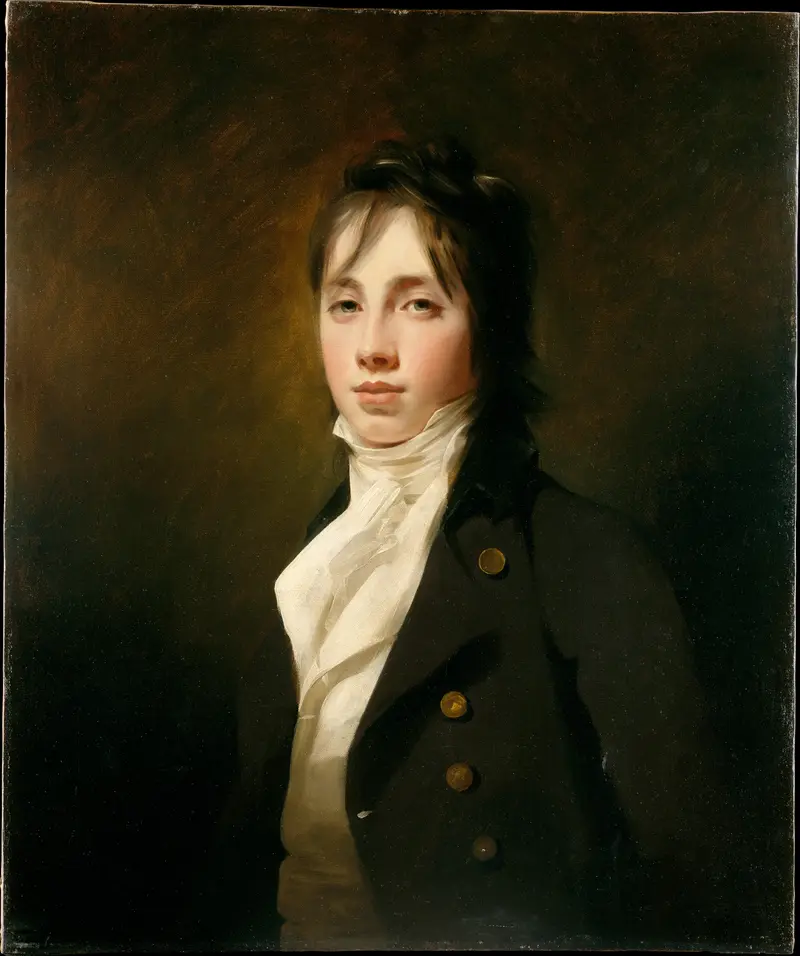
William Fraser of Reelig (1784–1835)
Sir Henry Raeburn
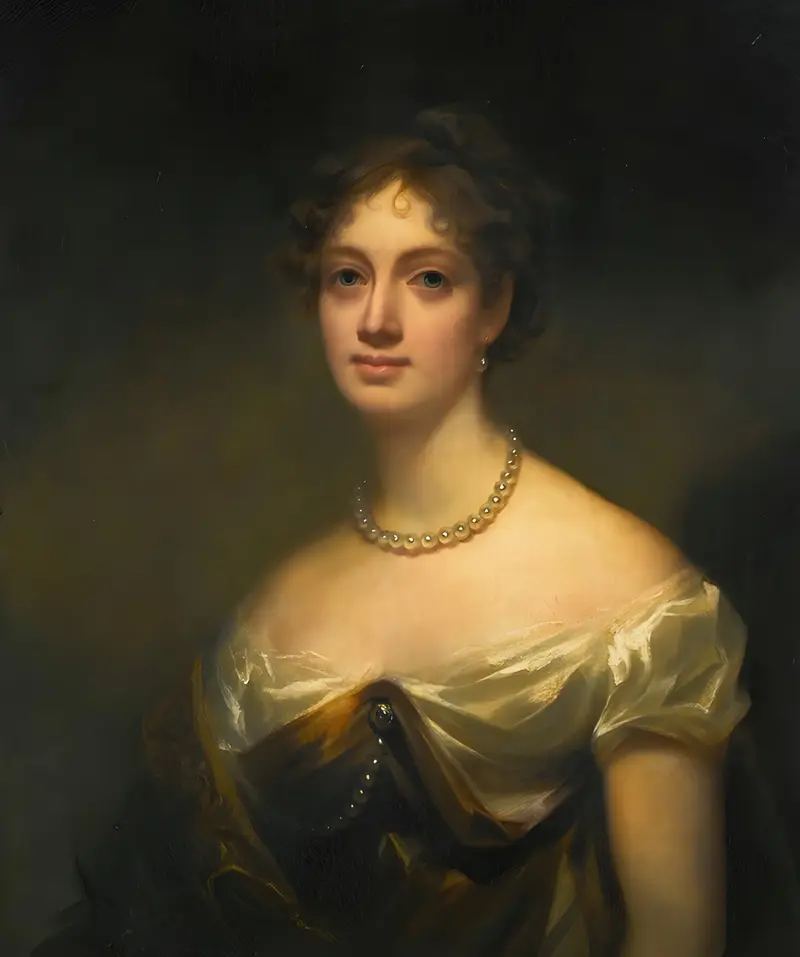
Portrait Of Anne Blair Maconochie Welwood Of Garvock, Lady Meadowbank (1784–1866)
Sir Henry Raeburn
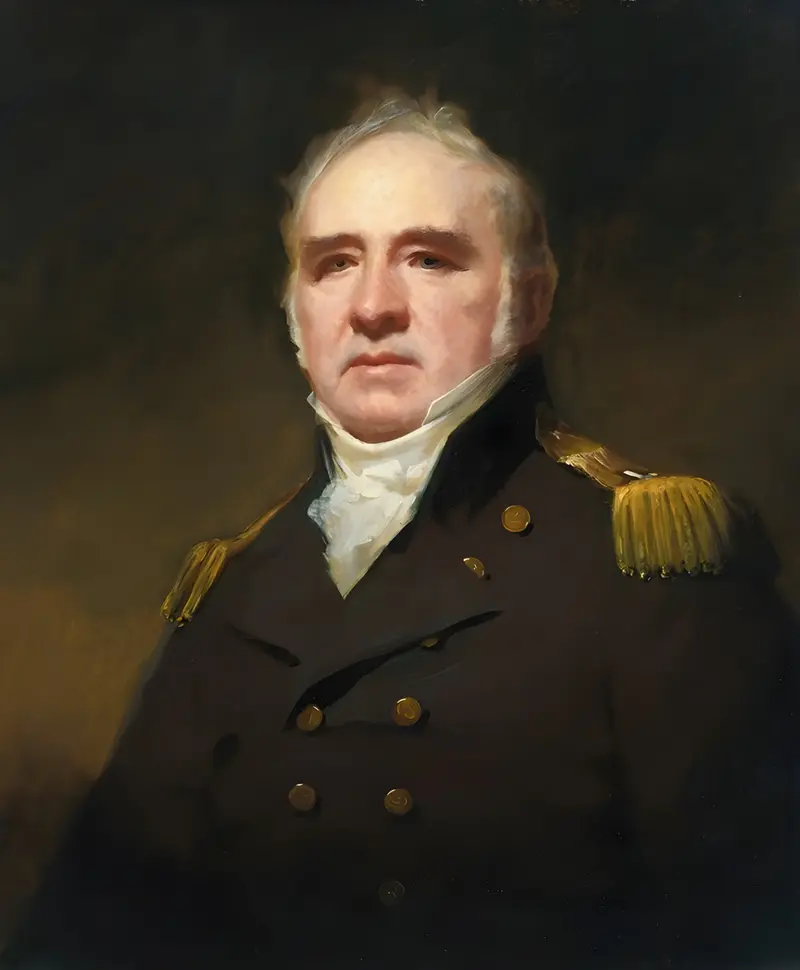
Portrait Of Captain James Forbes-Drummond, R.N., Of Hawthornden
Sir Henry Raeburn
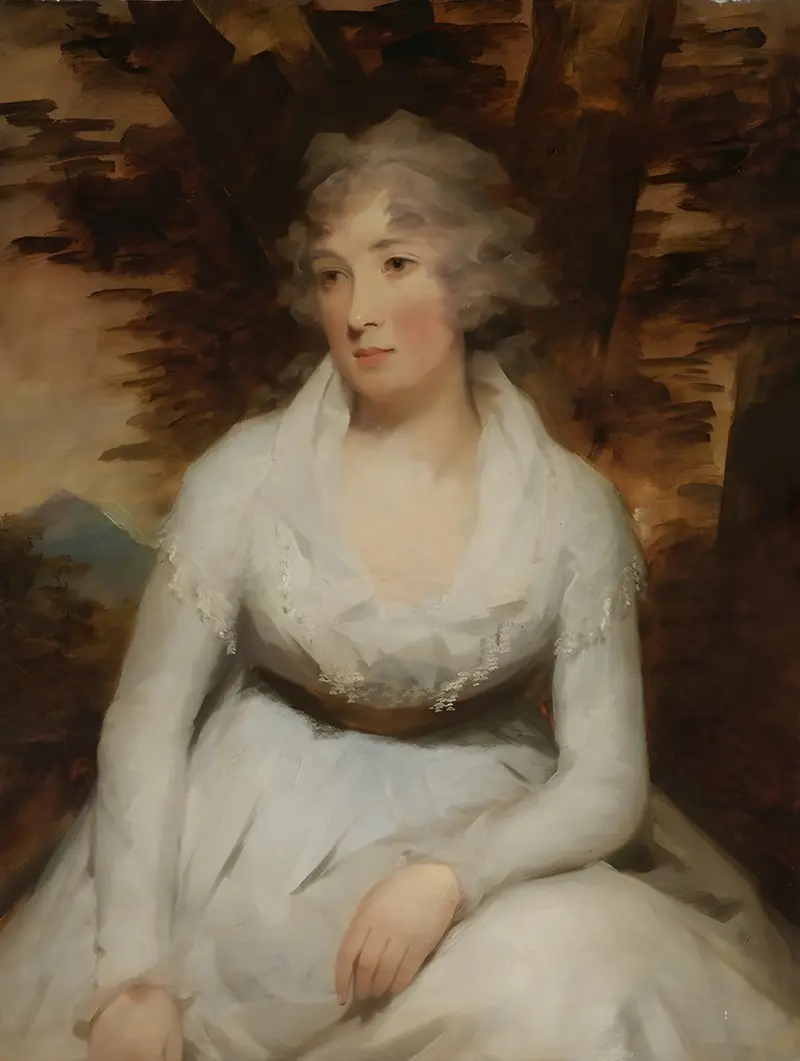
Miss Elizabeth Dalrymple (afterwards Mrs. George Leith)
Sir Henry Raeburn
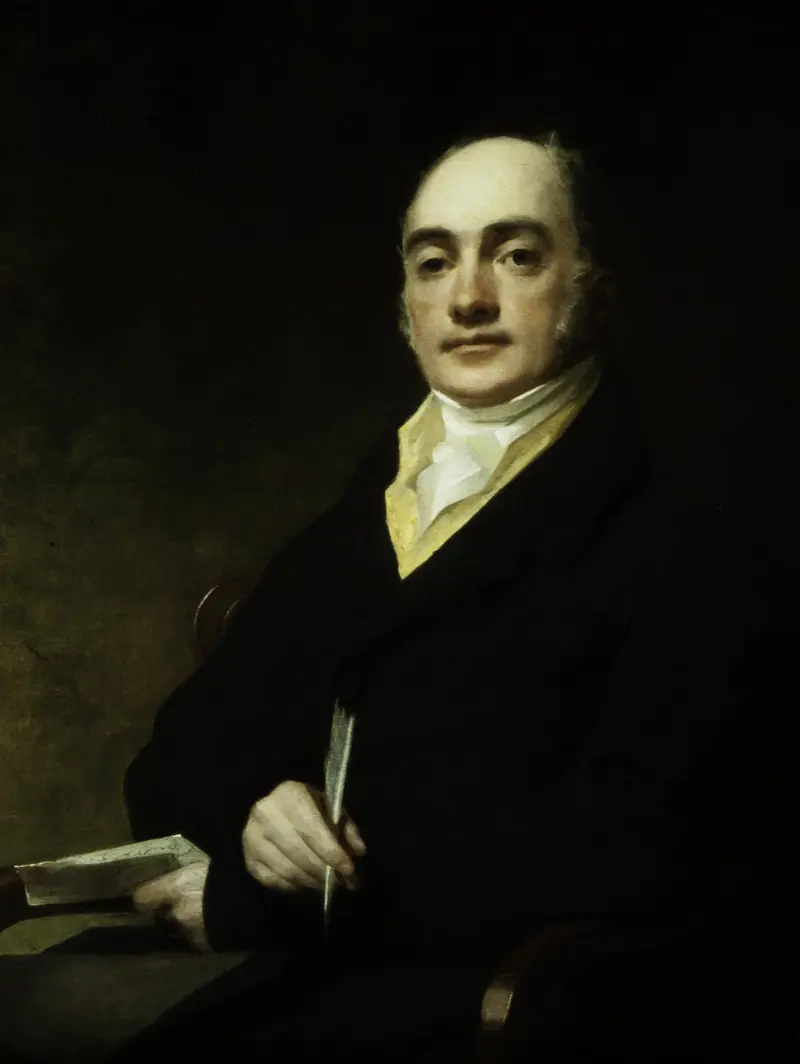
Portrait of John Baillie (1772-1833)
Sir Henry Raeburn
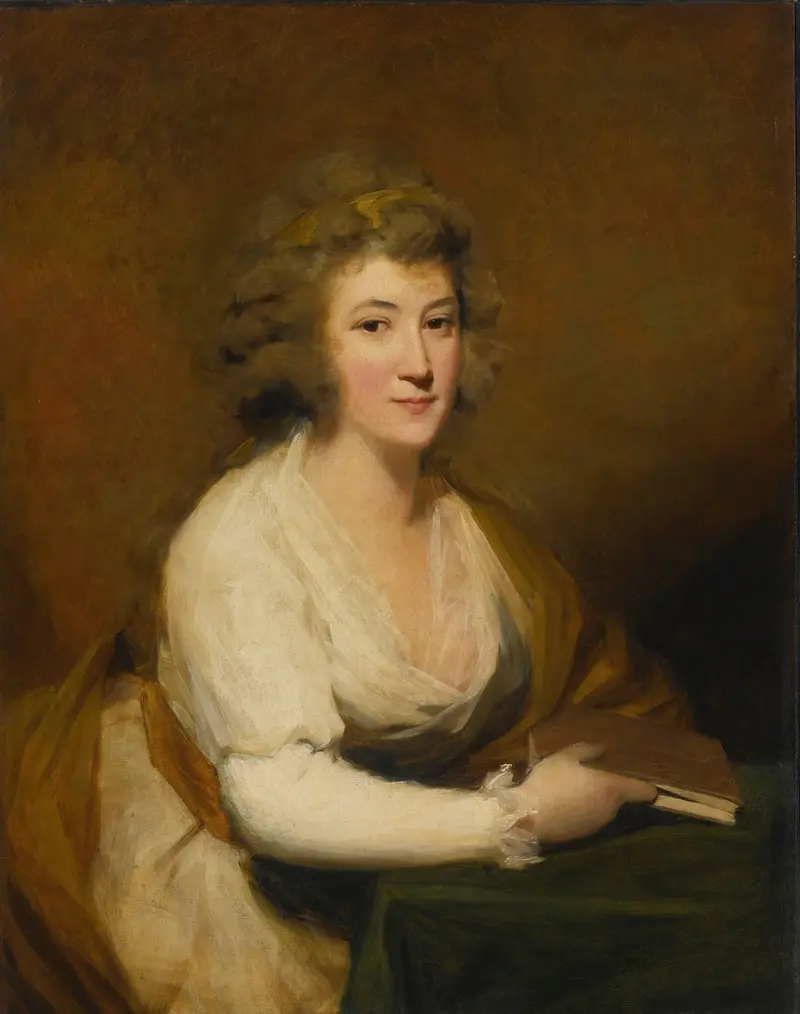
Portrait Of Lady Nasmyth, In A White Dress And Brown Shawl, Seated At A Table, Holding A Book
Sir Henry Raeburn
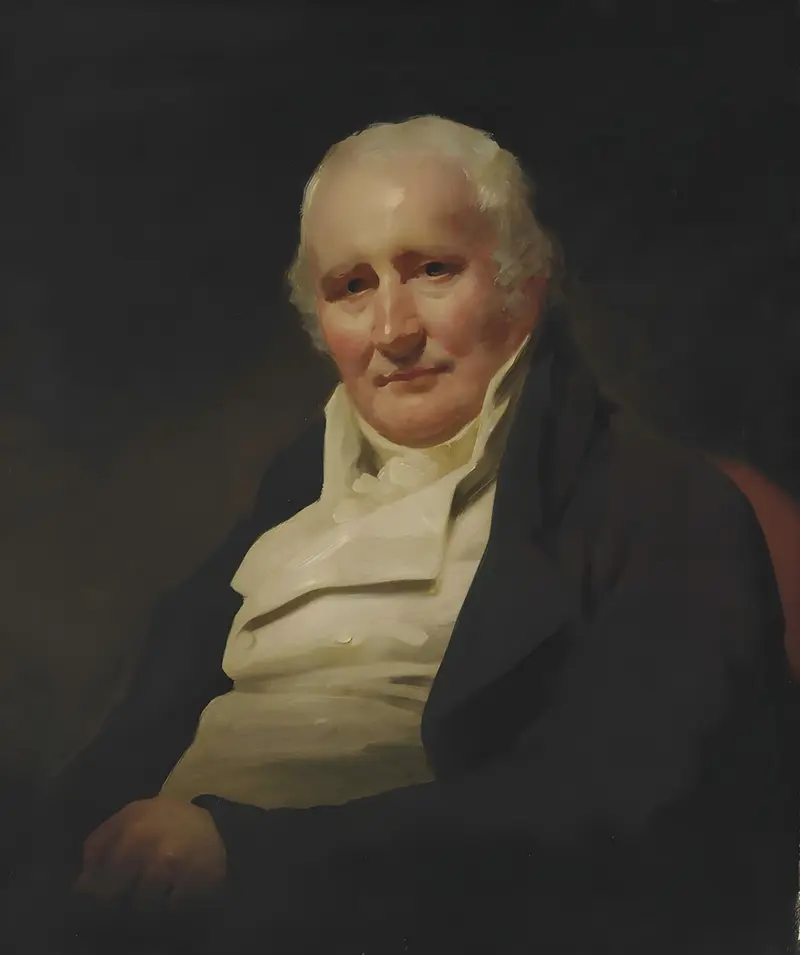
Portrait Of Mr. Spottiswood
Sir Henry Raeburn
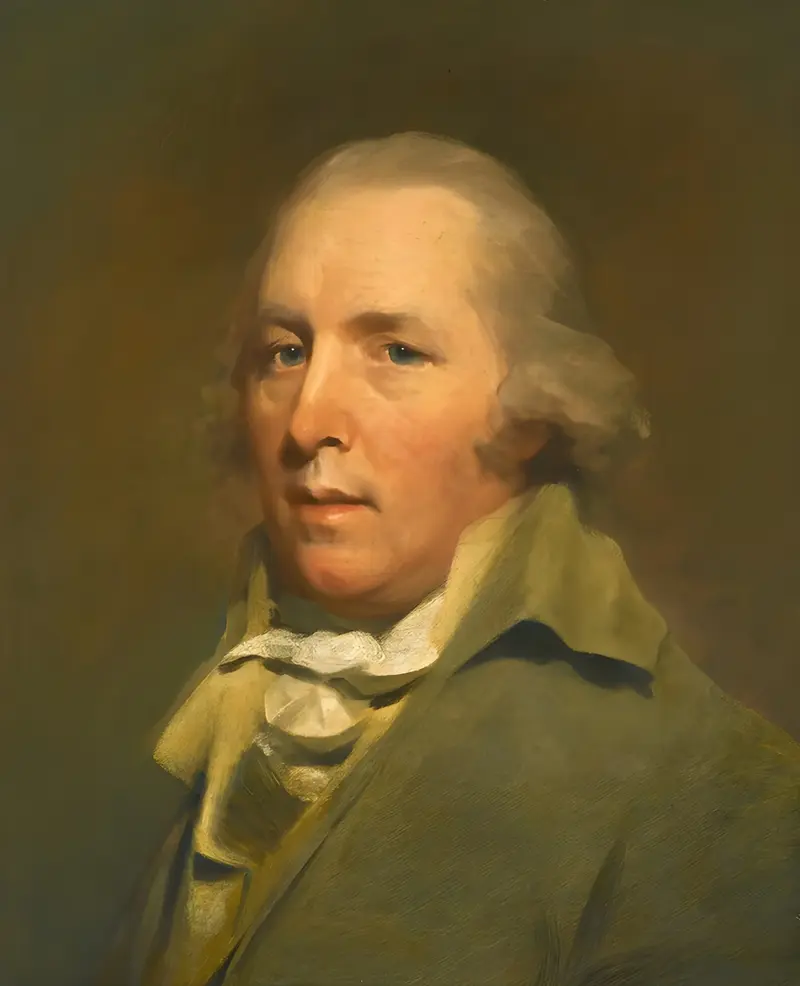
Portrait Of The Reverend John Home (1722-1808)
Sir Henry Raeburn
Portrait of William Hunt (c.1796-1854), Pittencrief House, Dunfermline
Sir Henry Raeburn





