Landscape — History & Facts
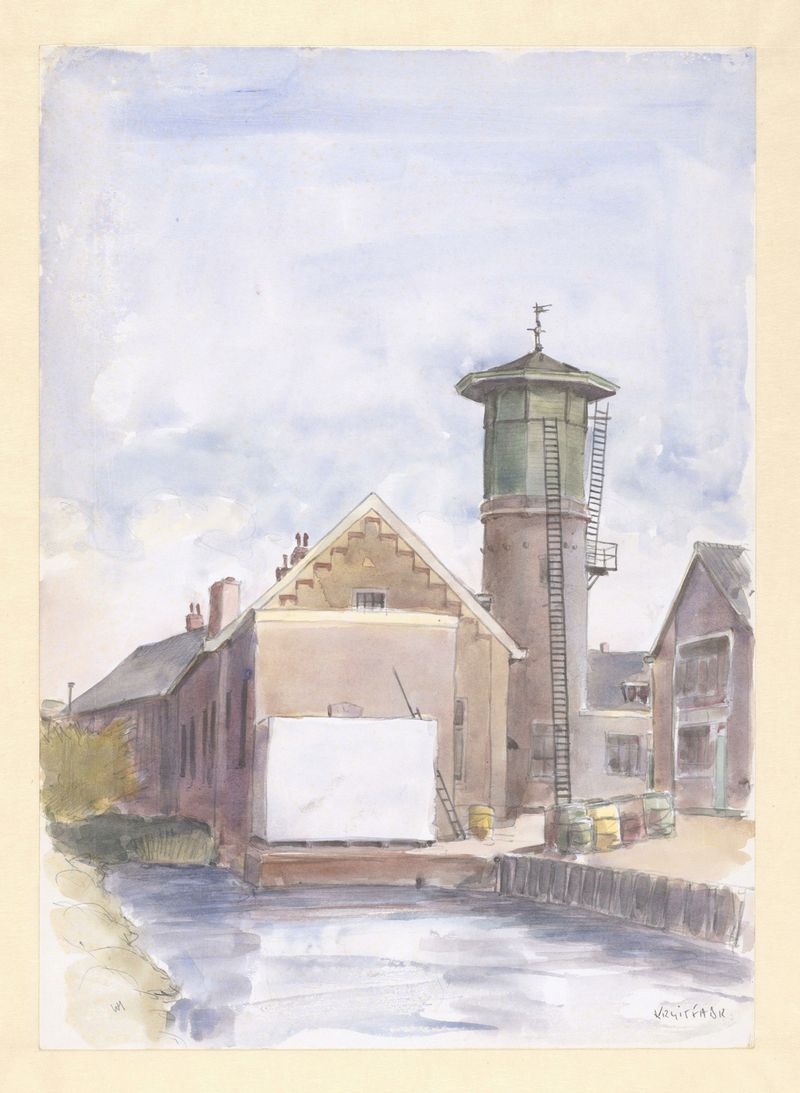
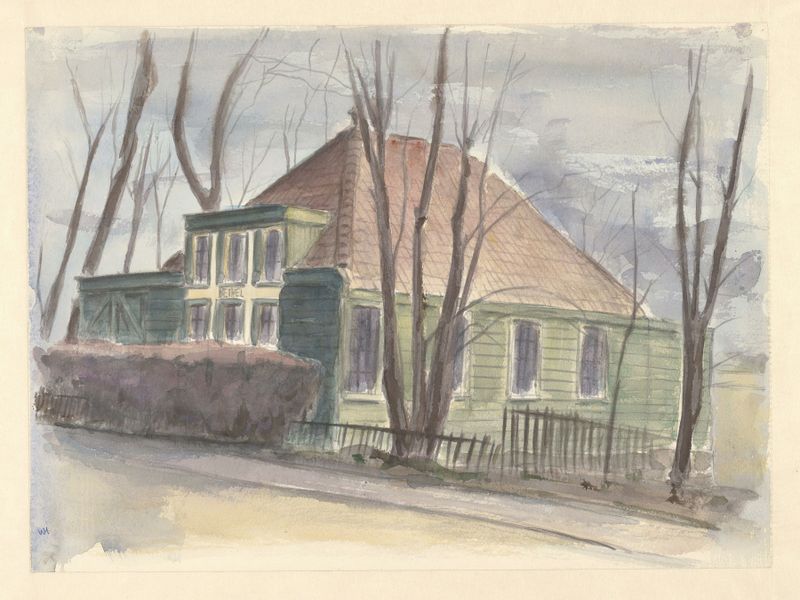
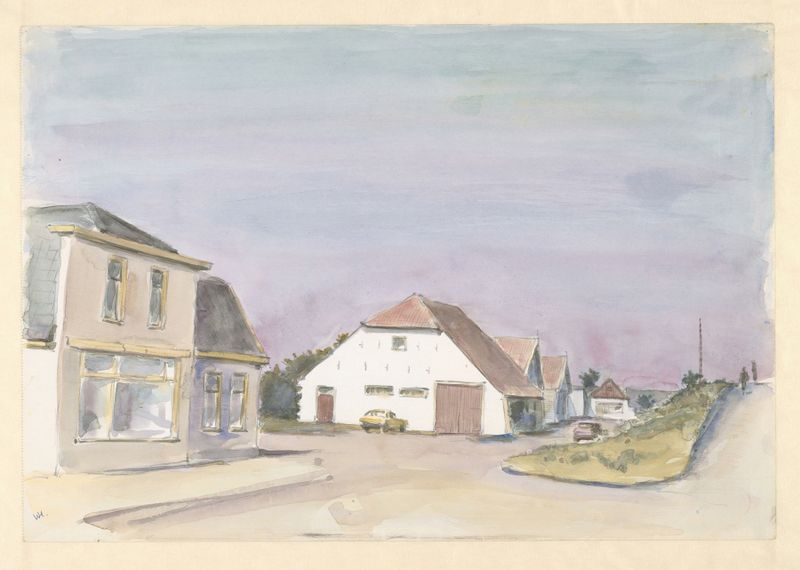
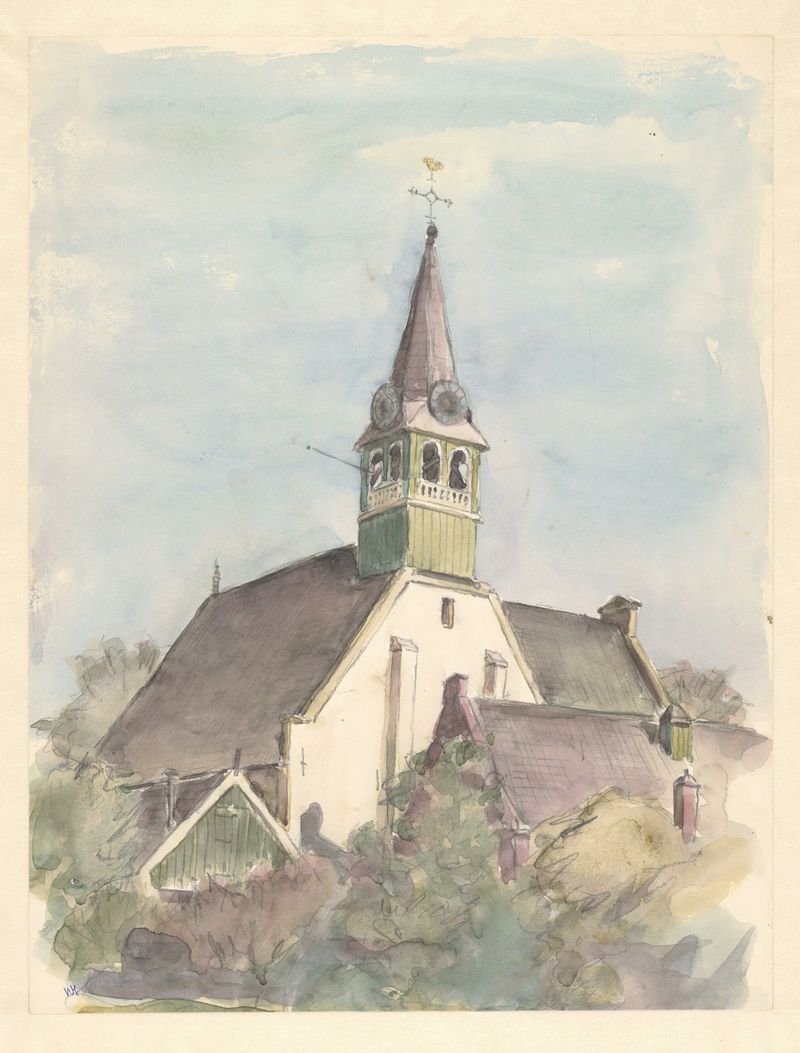
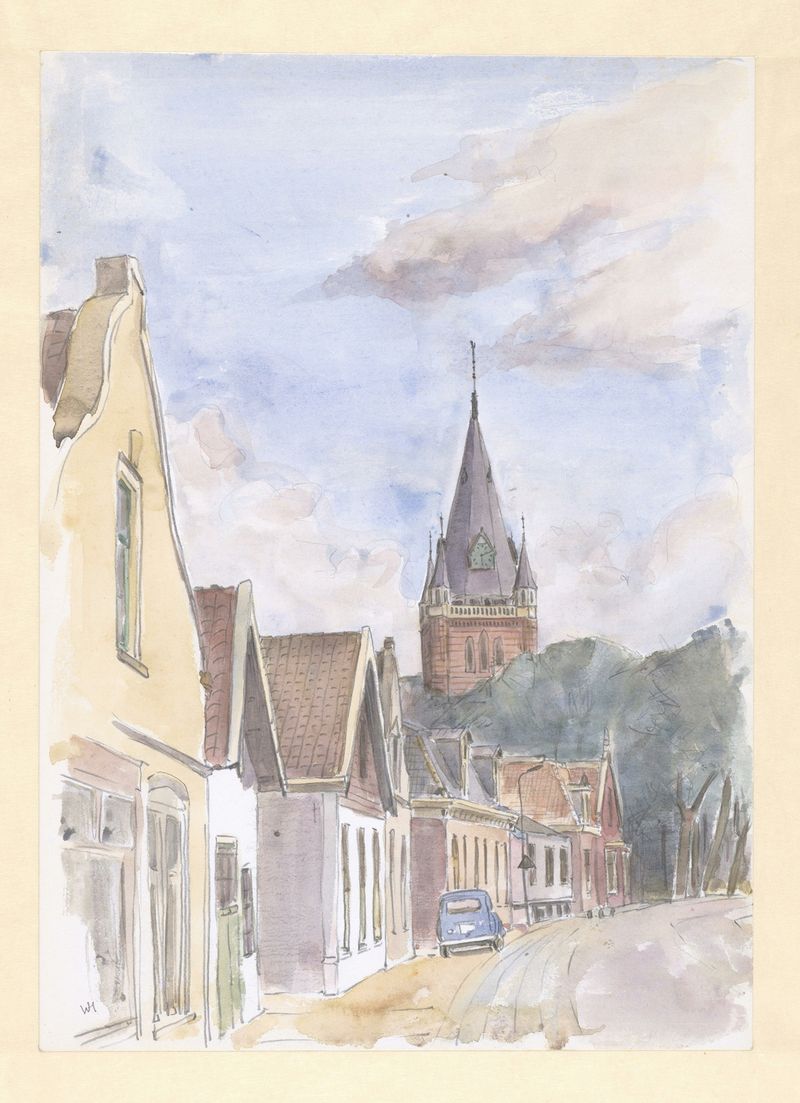
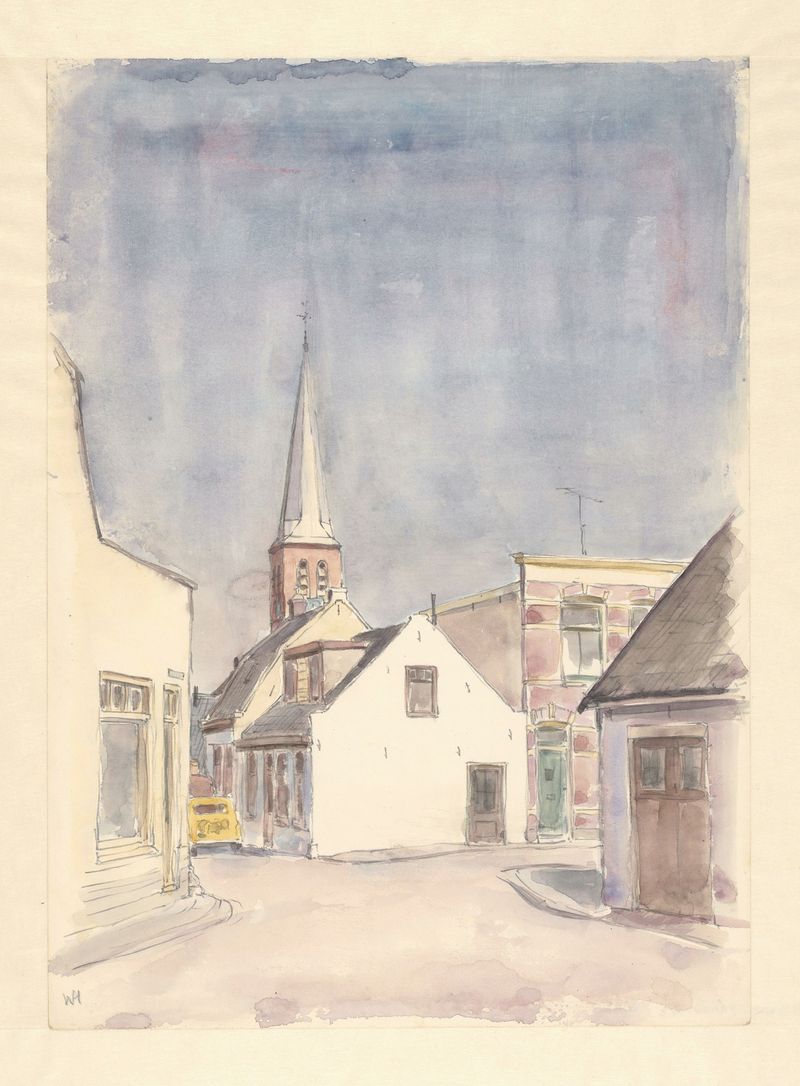
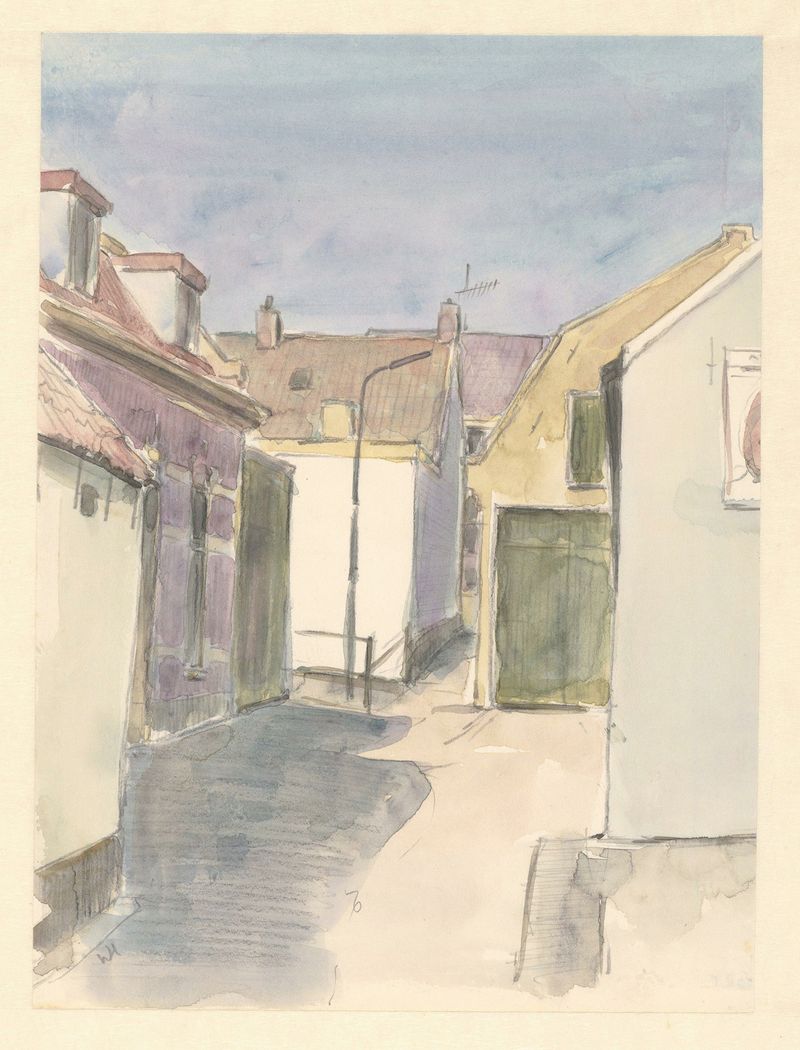
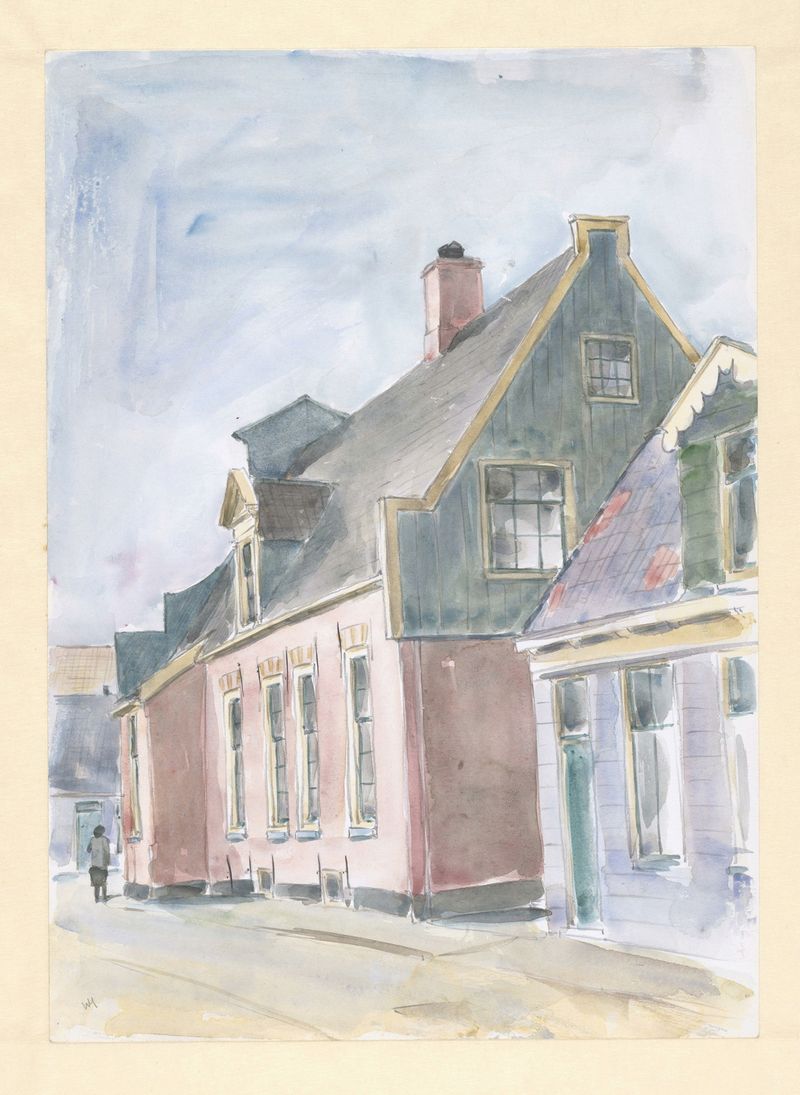
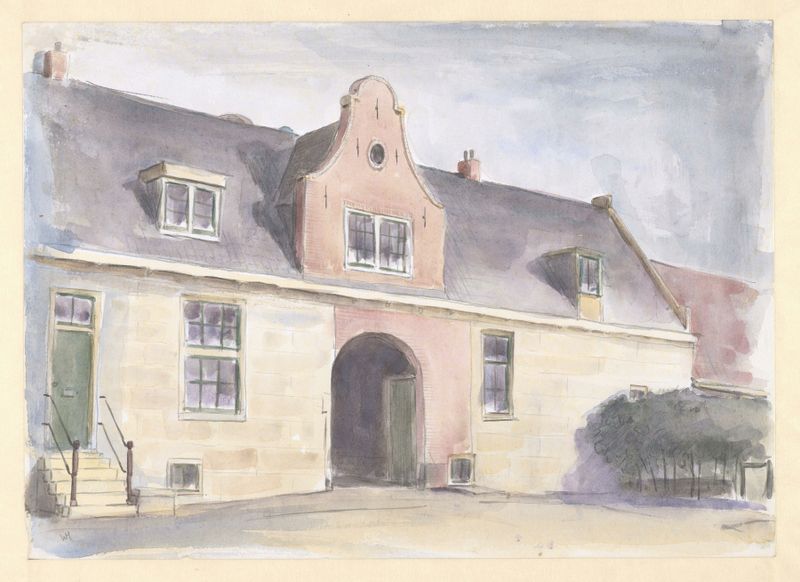
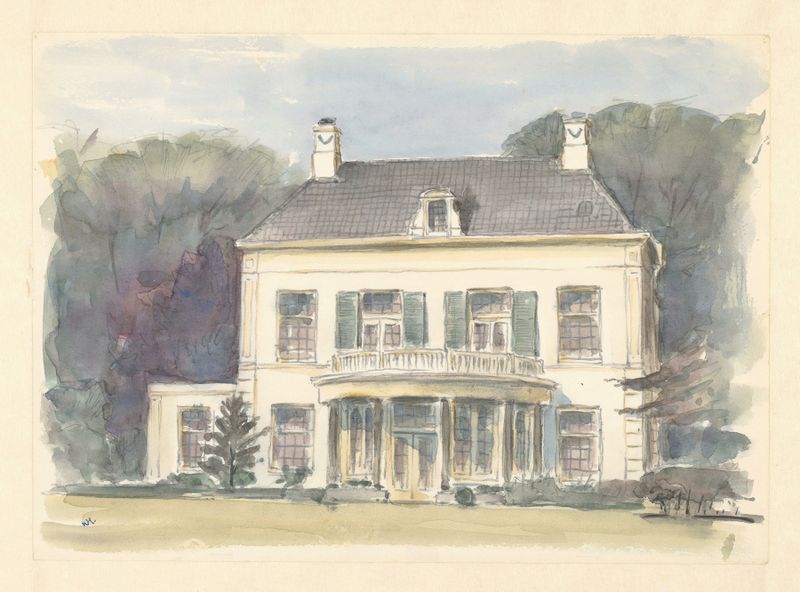
This sentiment evokes the duality that often resides in the heart of art, where layers of meaning intertwine seamlessly. To engage with the artwork, look carefully at the horizon line that divides the canvas. The soft gradients of color blend from a deep, melancholic blue at the top to a warm, golden hue near the ground, suggesting a fleeting moment of twilight. The brush strokes, both bold and delicate, create a texture that invites the viewer to wander through the landscape, capturing the essence of a serene yet turbulent environment.
Notice how the light seems to dance across the surface, illuminating hidden contours and inviting contemplation. A closer inspection reveals contrasts that breathe life into the composition. The juxtaposition of vibrant warmth against the cool, shadowy areas suggests a quiet struggle between hope and desolation. Small details, like the swaying grass caught in a gentle breeze or the distant silhouettes of trees, evoke the passage of time, reminding us that even in beauty, there exists an undercurrent of sadness.
This interplay elicits an emotional resonance, highlighting the fragile nature of existence. In the 20th century, Wim Hagemans created this work during a period marked by both personal and artistic introspection. He was exploring new methodologies, navigating the rise of abstraction, and reflecting on the shifting dynamics of the post-war landscape. His environment, filled with both inspiration and turmoil, profoundly influenced his artistic development, allowing him to articulate complex emotions through the medium of painting.