Landscape — History & Facts
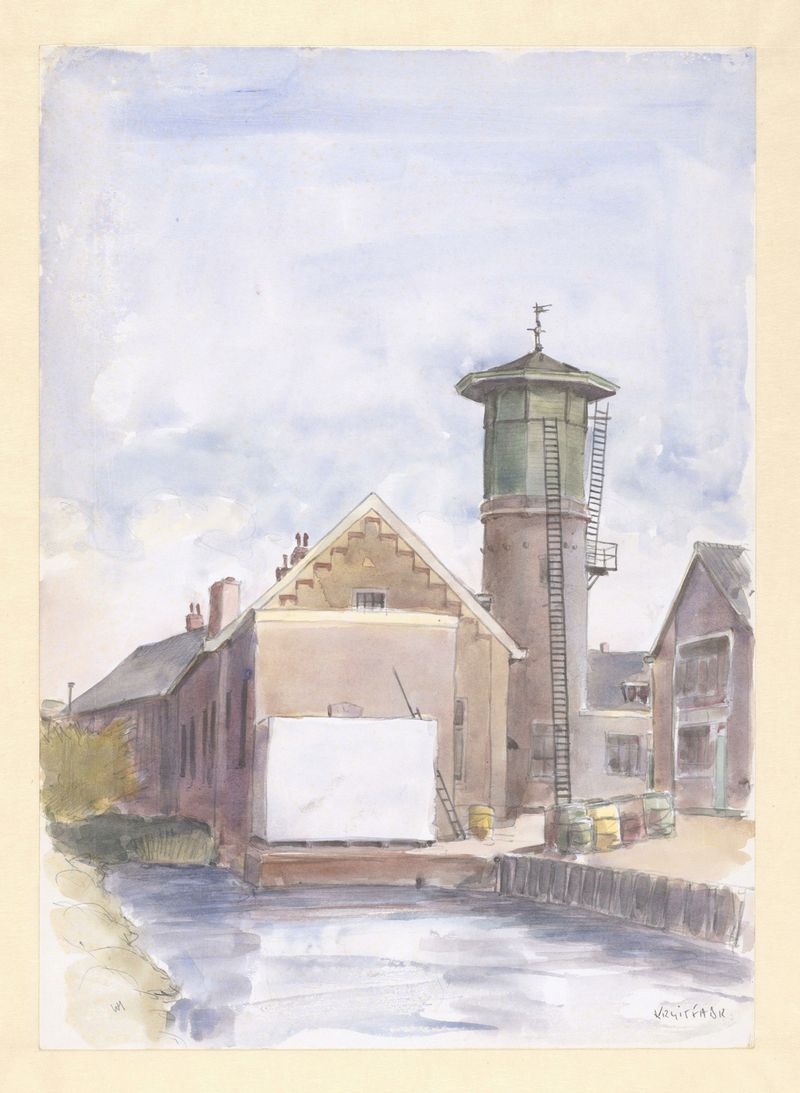
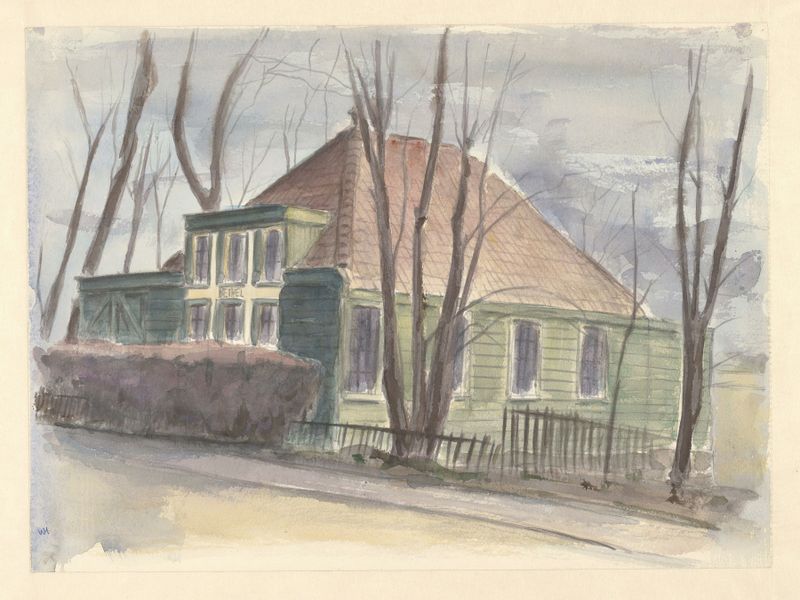
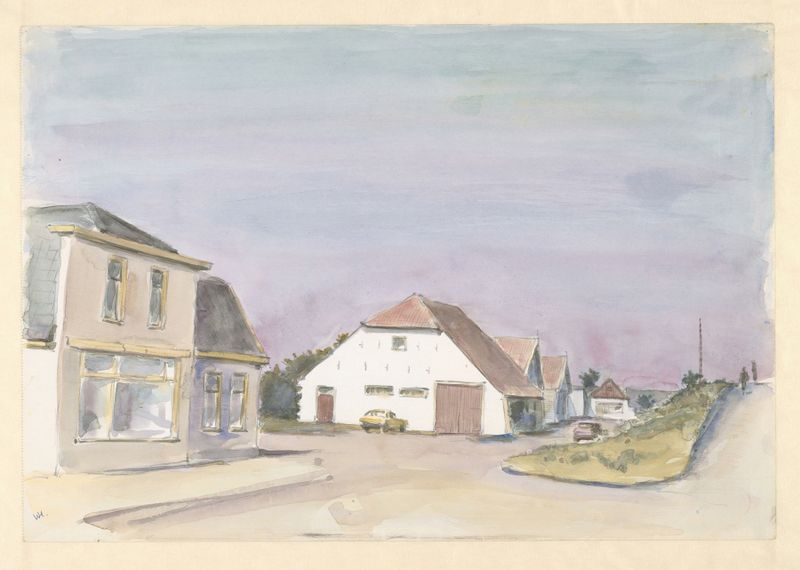
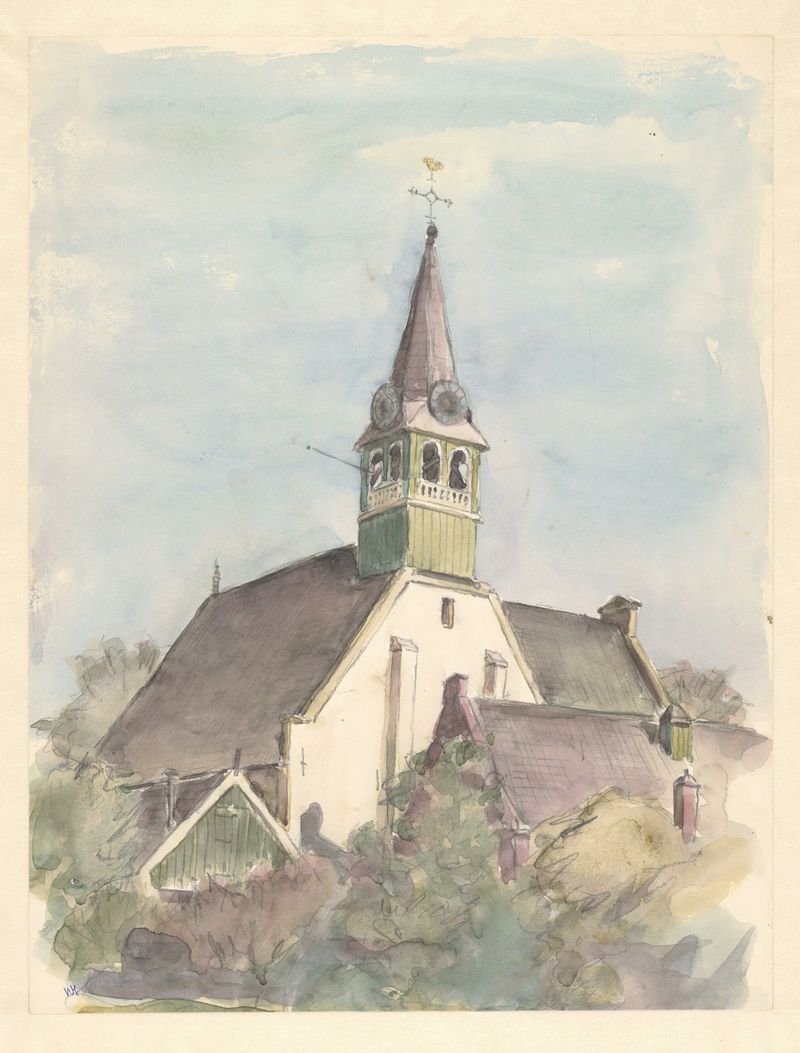
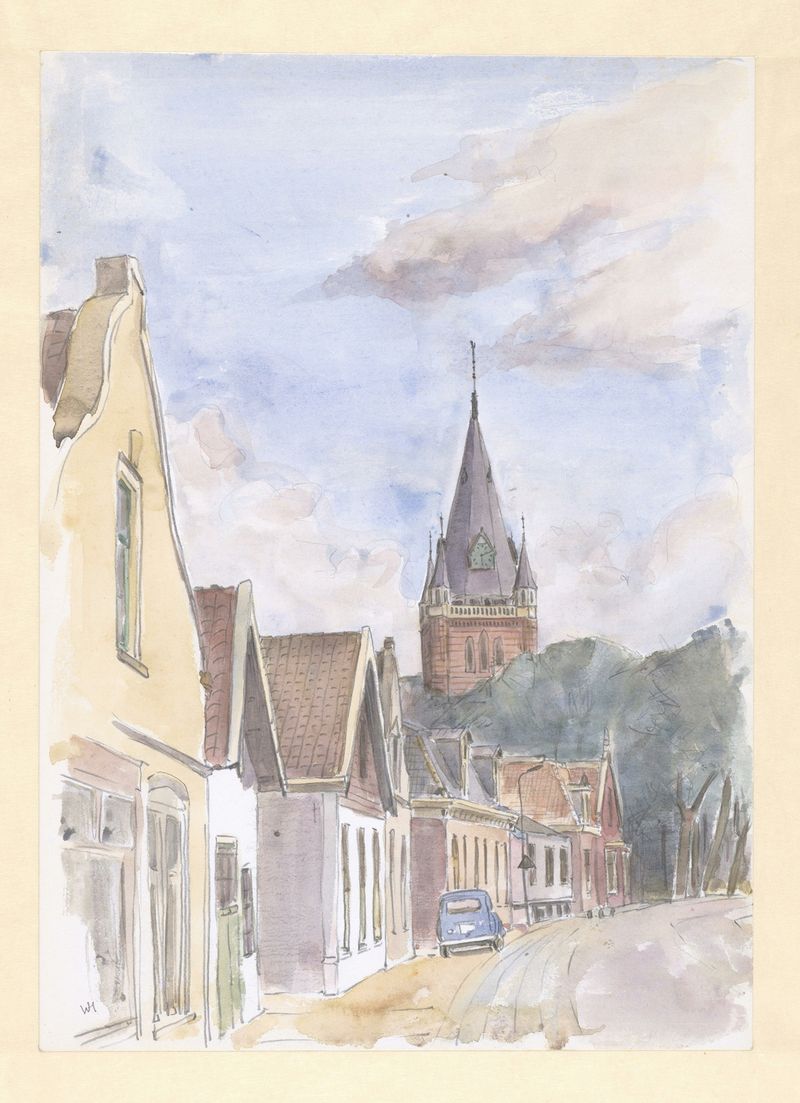
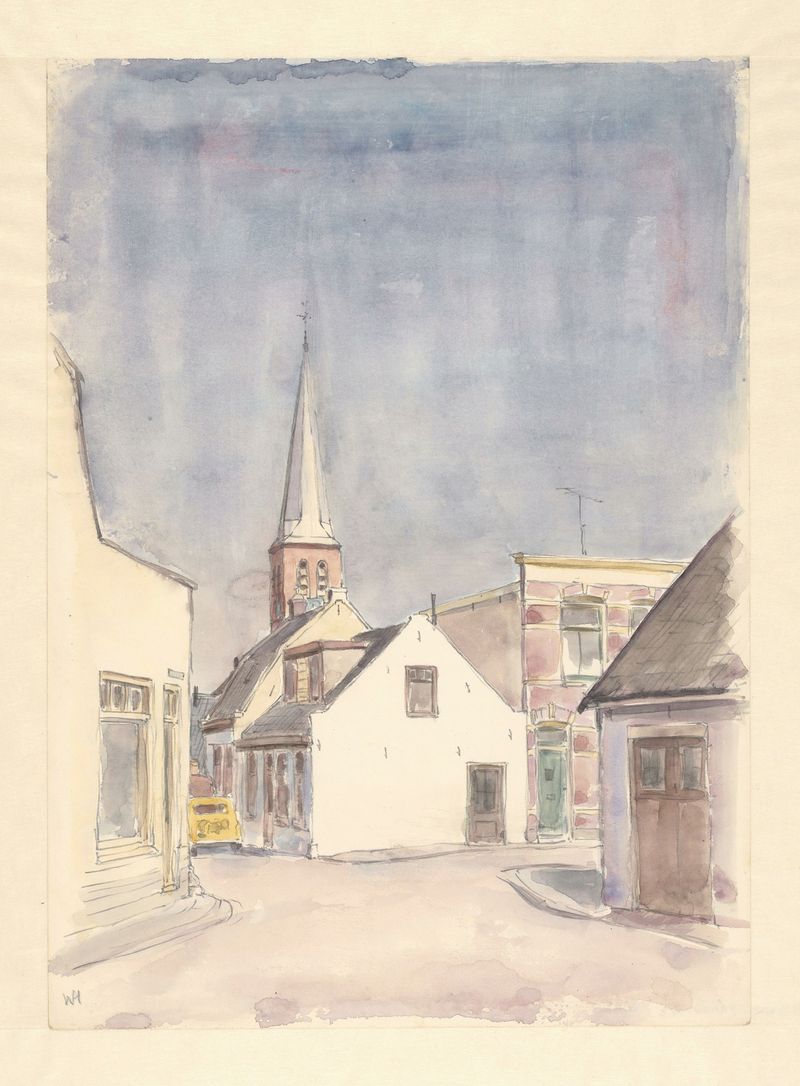
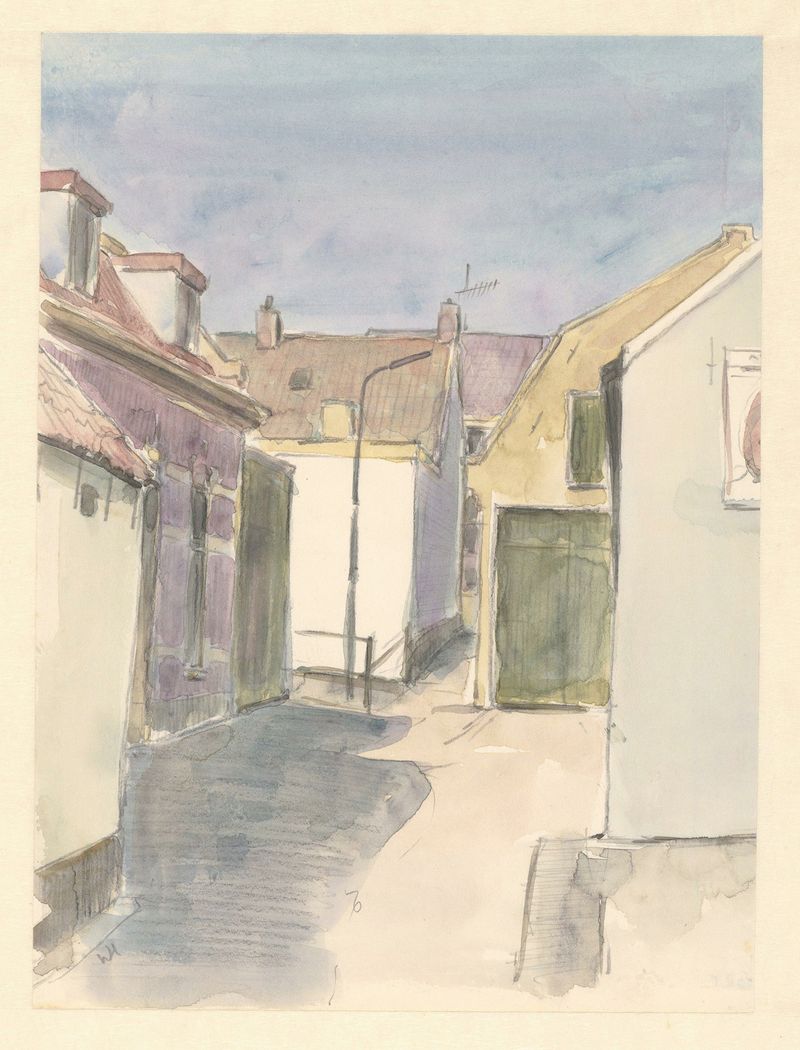
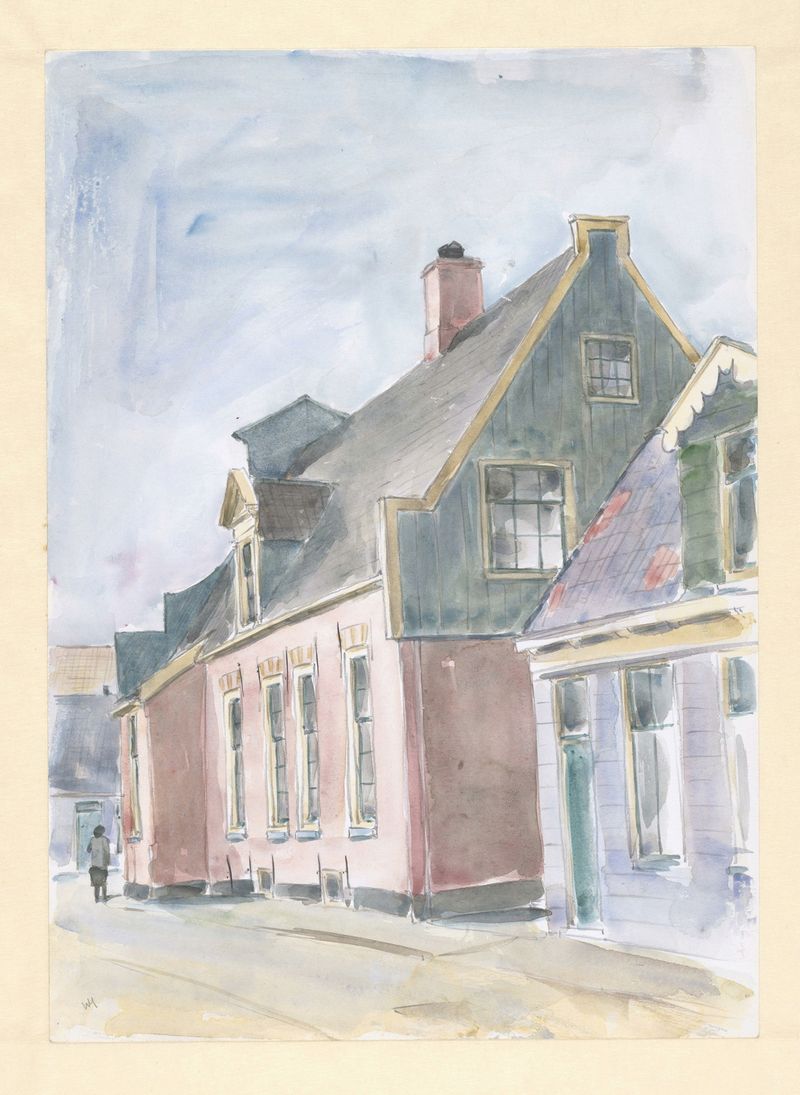
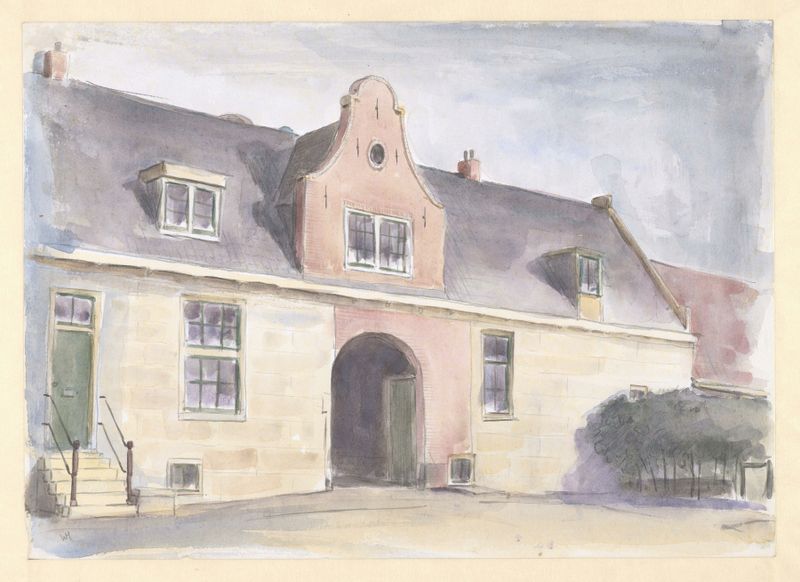
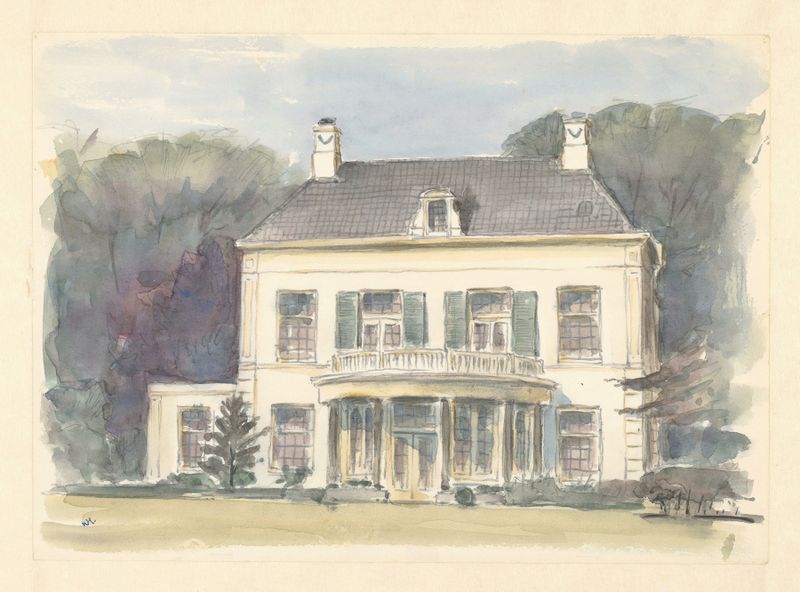
In the quiet embrace of nature, serenity lingers like a gentle sigh, inviting us to pause and reflect. Look to the upper left at the horizon, where shades of blue blend effortlessly with soft pastels, creating a soothing sky that stretches infinitely. The subtle brushstrokes capture a tranquil landscape, drawing the eye down to rolling hills washed in greens and earthy browns. Notice how the light dances across the canvas, casting delicate shadows that deepen the sense of space and openness, evoking a feeling of calm and contemplation. Amidst the peacefulness lies an undercurrent of contrast; while the landscape invites serenity, the interplay of light and shadow suggests a world alive with change.
The layers of color hint at seasons shifting, encapsulating both the permanence of nature and its fleeting moments. Each stroke conveys a sense of stillness, yet the rich palette evokes emotional depth, inviting viewers to explore their own internal landscapes. Wim Hagemans created this work in the 20th century, a time when the post-war art world grappled with new forms of expression and abstraction. Living in a period marked by transition, he sought solace in the beauty of nature, reflecting a personal journey towards tranquility amidst a chaotic world.
The painting stands as a testament to his exploration of simplicity, celebrating the profound serenity that can be found in the natural world.