Landscape — History & Facts
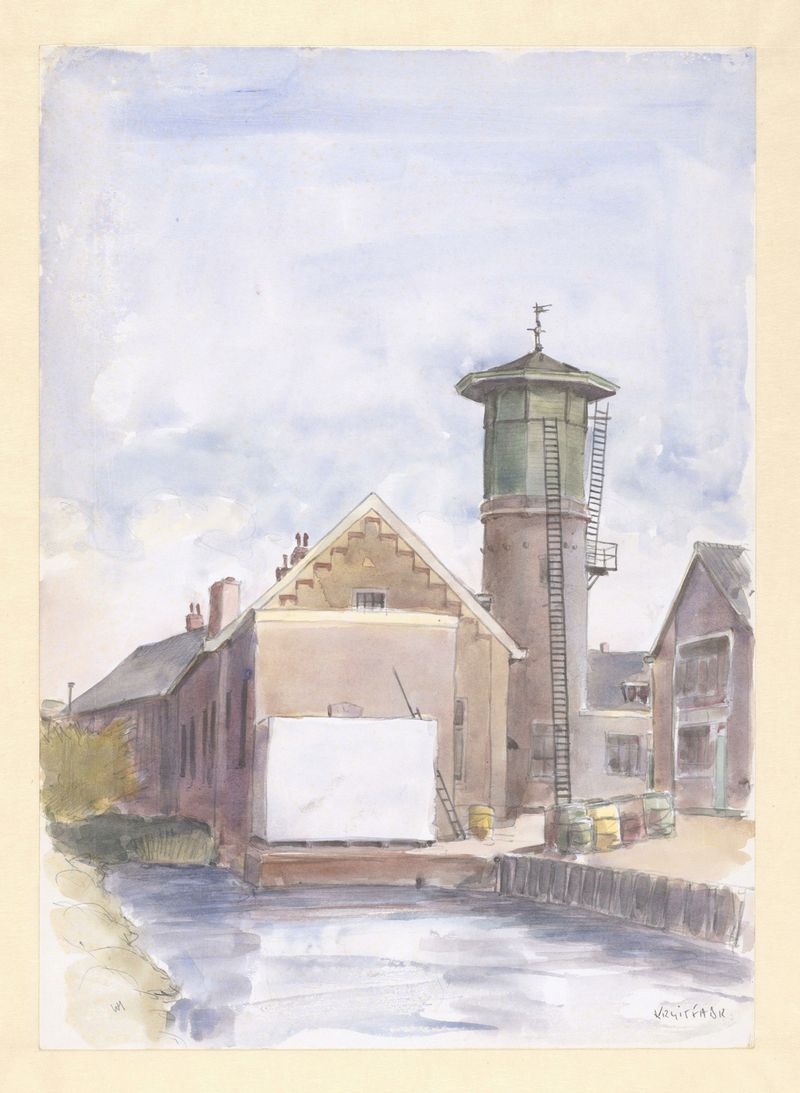
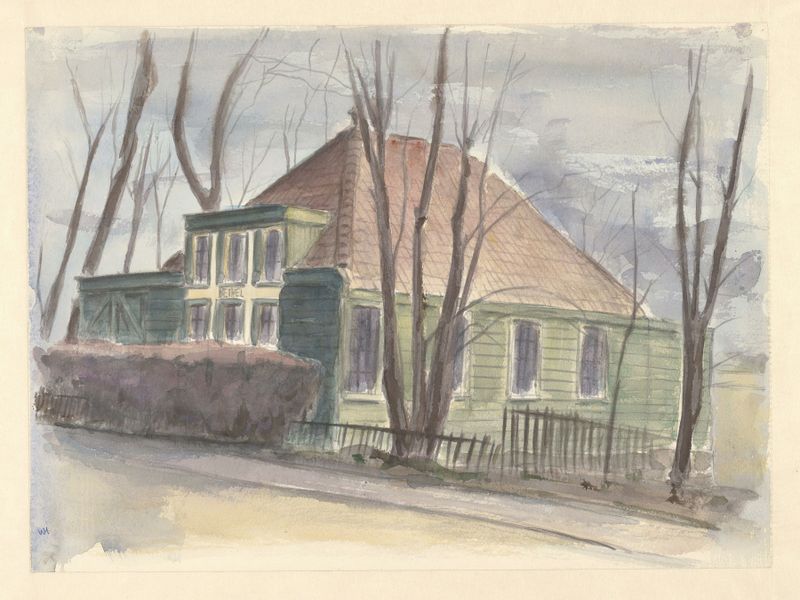
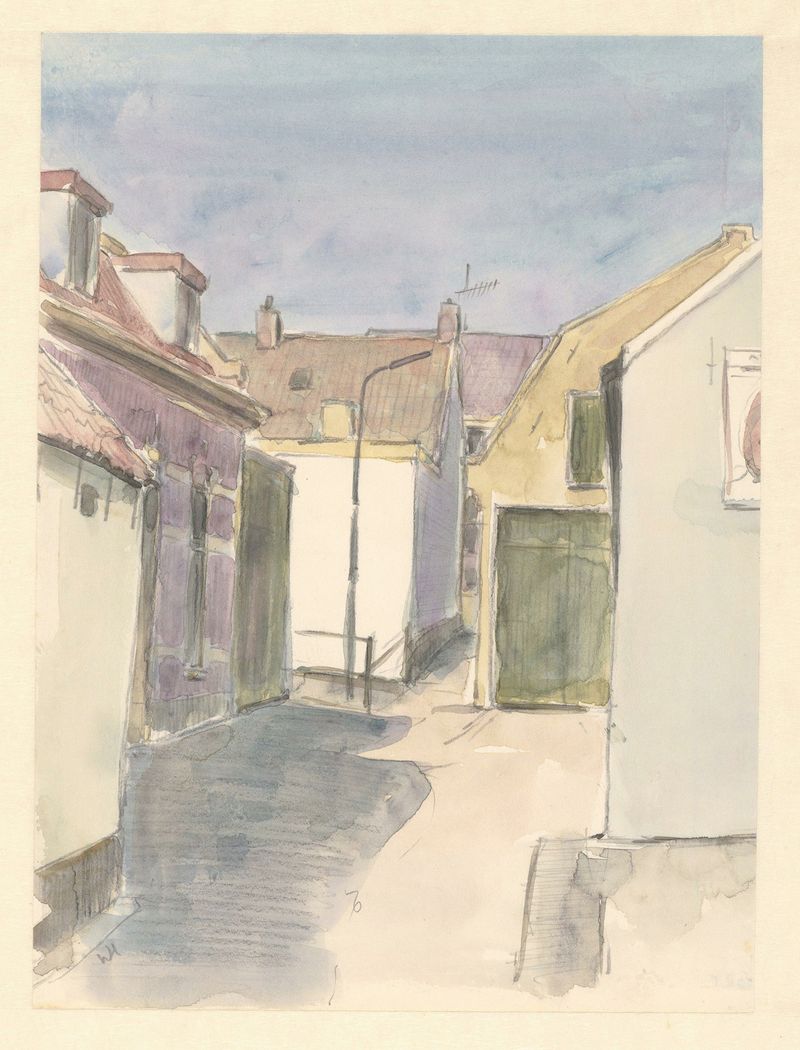
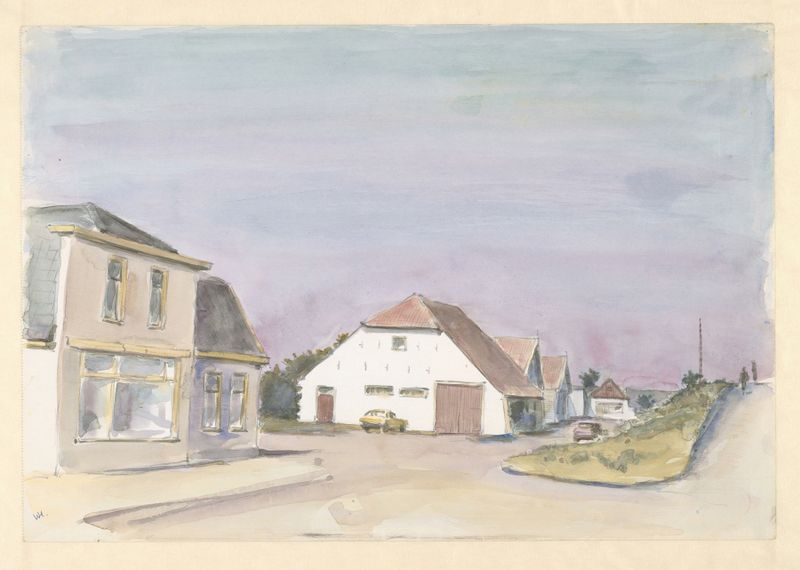
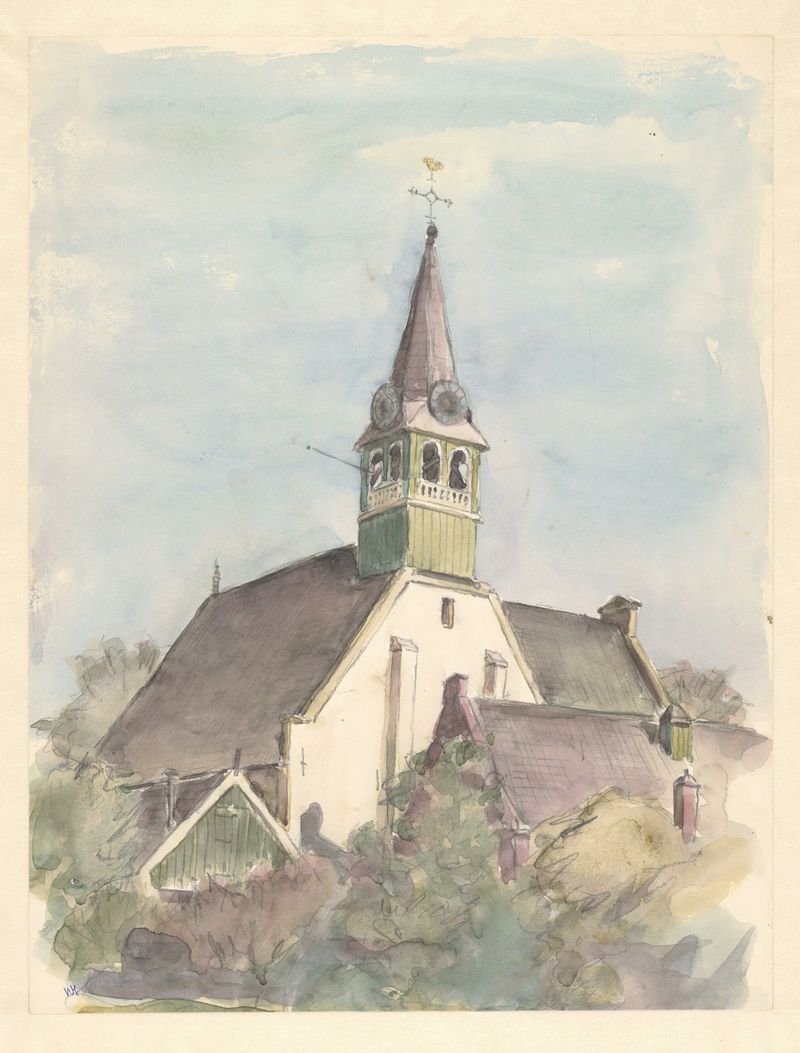
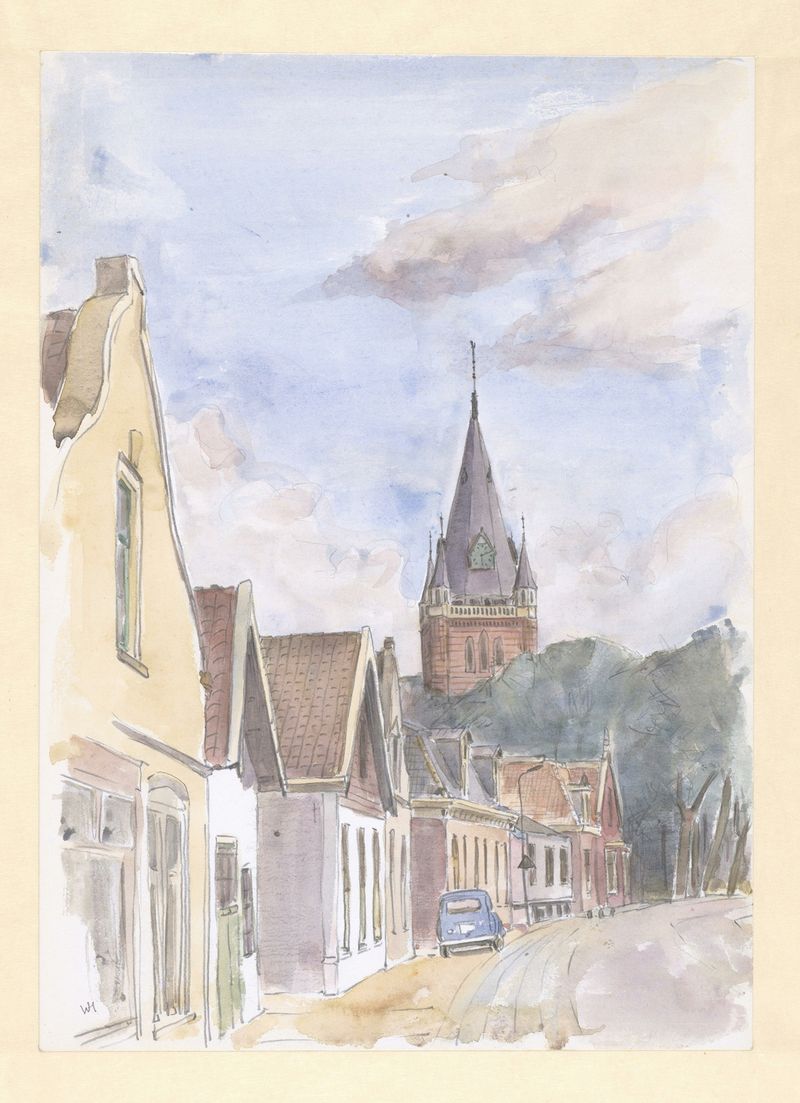
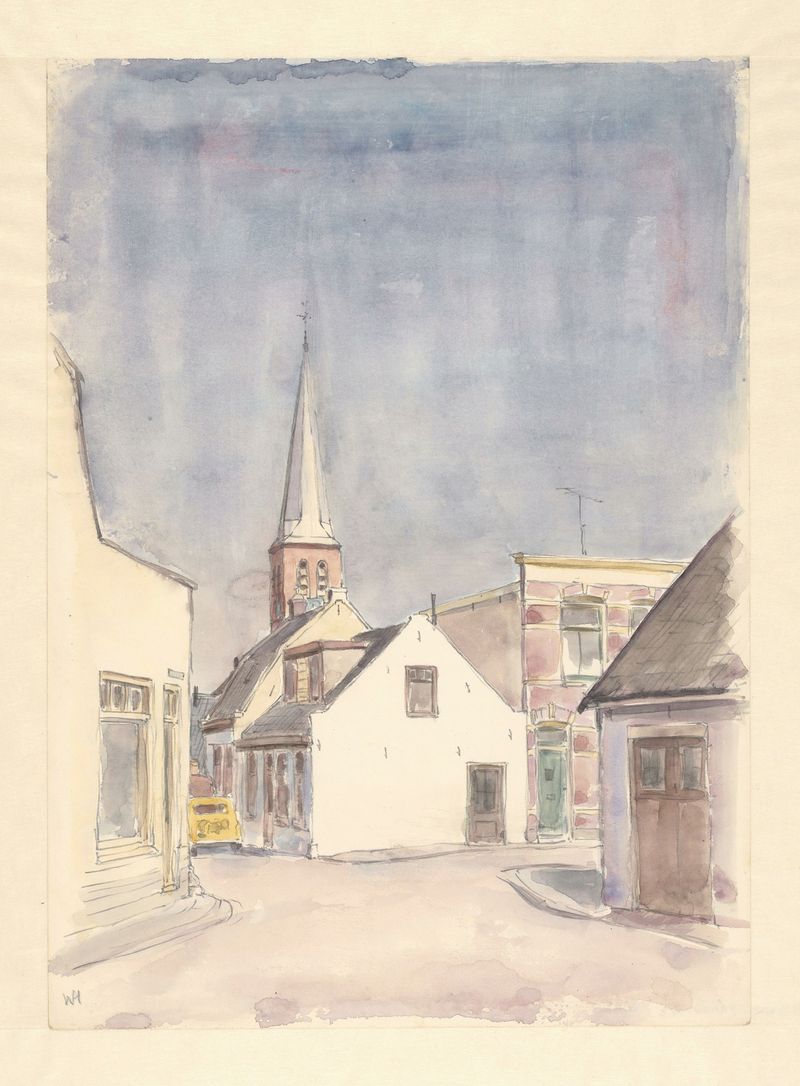
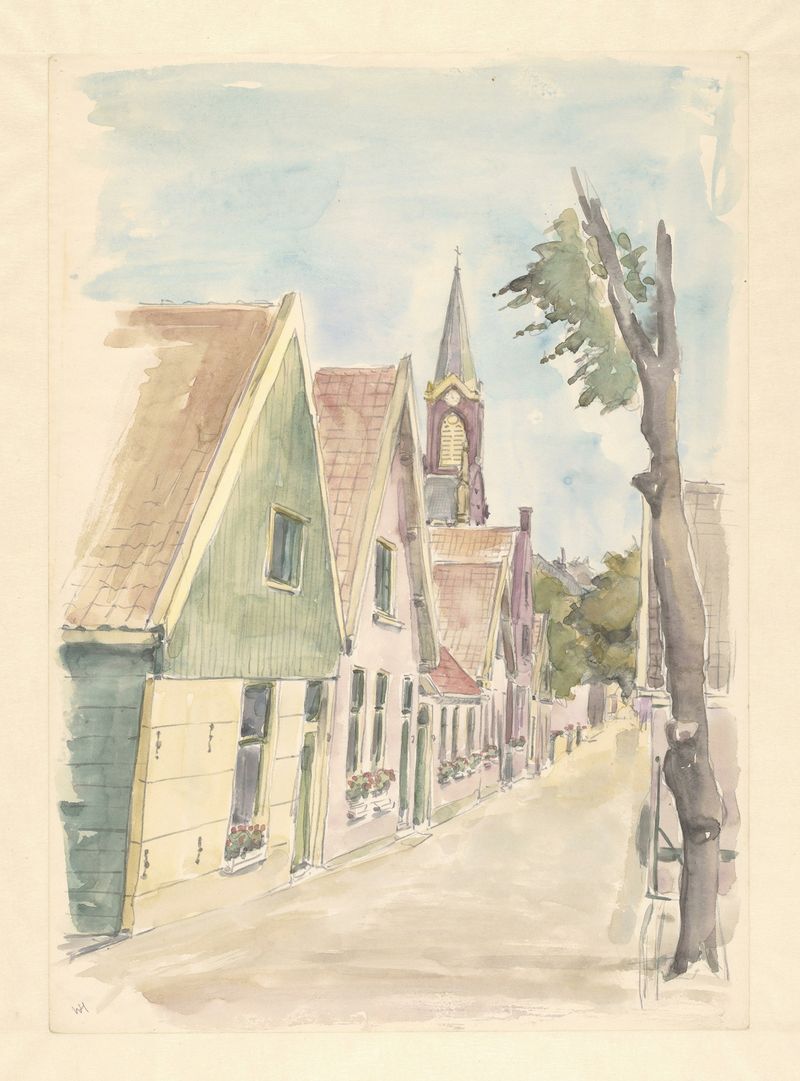
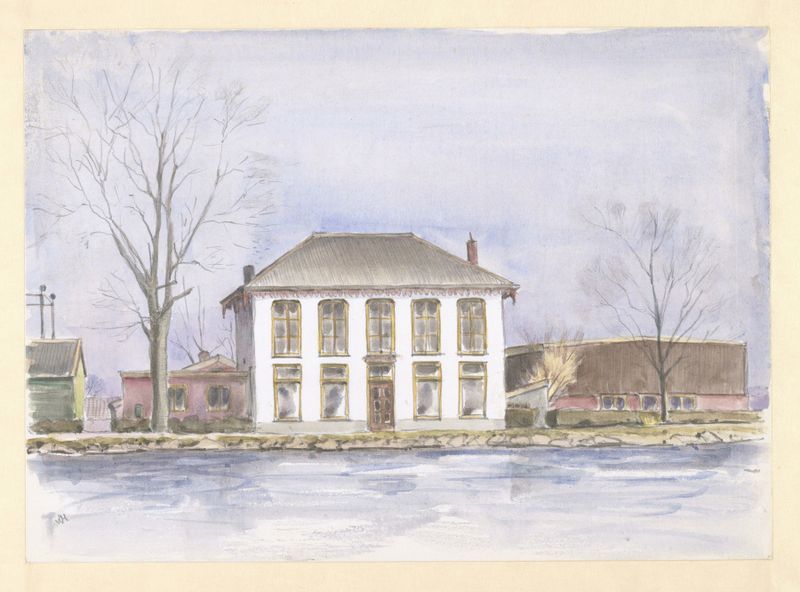
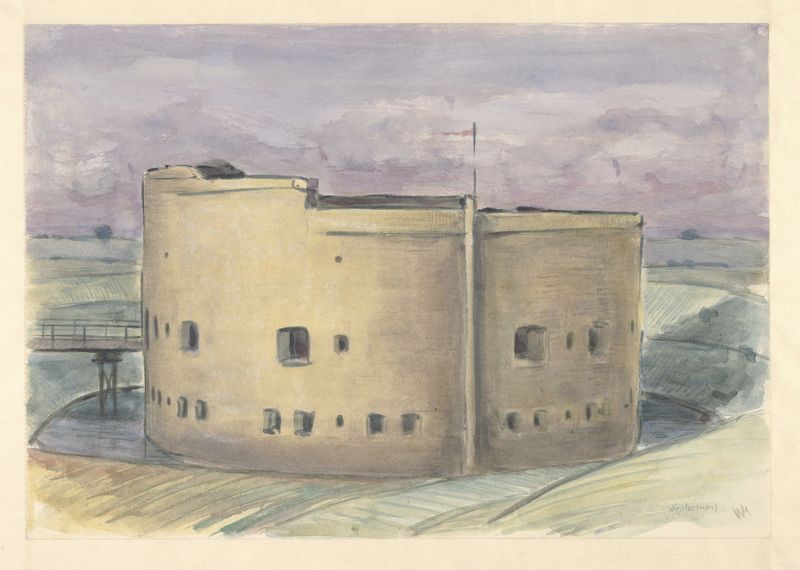
This encapsulates the bittersweet essence of existence, where splendor often masks deeper sorrows lurking beneath the surface. Look closely at the horizon in Landscape; the muted earth tones blend seamlessly with flashes of vibrant gold that seem to shimmer like memories. The composition invites your gaze to wander, drawing you from the foreground’s delicate brushwork to the expansive sky — an open canvas that whispers of longing. The artist's choice of color creates an ethereal quality, infusing the scene with a melancholic vibrancy that captivates while evoking an undercurrent of sadness. As you explore further, consider the tension between the idyllic portrayal of nature and the unsettling feeling it invokes.
Hidden within the serene landscape are jagged lines and subdued shades that hint at turmoil lurking just out of sight. The contrast of light and shadow plays upon the surface, creating a paradox where beauty clashes with unease, inviting contemplation on the permanence of joy versus pain. Wim Hagemans created Landscape during the latter half of the 20th century, a time marked by significant shifts in artistic styles and societal upheaval. He was based in Europe, navigating the post-war era, which deeply influenced his work.
The exploration of emotion and the fragility of beauty in the landscape reflects both personal experiences and broader existential themes prevalent in the art world, as artists sought to convey the complexities of human emotion through a seemingly simple subject.