
Landscape — History & Facts
When did color learn to lie? In a world where the hues of nature intermingle with the heart's deepest yearnings, a landscape invites us to reconsider our perception of reality and faith. Look to the center of the canvas, where vibrant greens and earthy browns converge. The brushstrokes dance in a rhythm of spontaneity, moving from the lush foreground to the horizon, where hazy blues hint at a sky painted in anticipation. Notice how the interplay of light and shadow creates a depth that draws you in, as if each layer of color is a whisper from the earth itself, urging you to explore further. As you delve deeper, explore the contrasting elements within the painting.
The serene, almost idyllic representation of nature stands in stark opposition to the chaotic brushwork that surrounds it, suggesting an internal struggle between calmness and turmoil. Hidden within the folds of the landscape lies a questioning of faith—can we trust the colors that adorn our world, or do they mask a deeper, unsettling truth? Each brushstroke seems to pulse with the tension of a question unanswered, revealing the artist's contemplation of existence. Created between 1925 and 1930, this piece reflects Ľudovít Čordák's exploration of modernism and his search for artistic identity amidst a rapidly changing world. It was a pivotal time in his life, marked by newfound artistic freedom and experimentation, as he sought to capture the essence of nature and humanity through a personal lens.
The backdrop of a post-war Europe added layers of complexity to his work, as he navigated the interplay between tradition and innovation in his artistic journey.
More Artworks by Ľudovít Čordák
Browse all →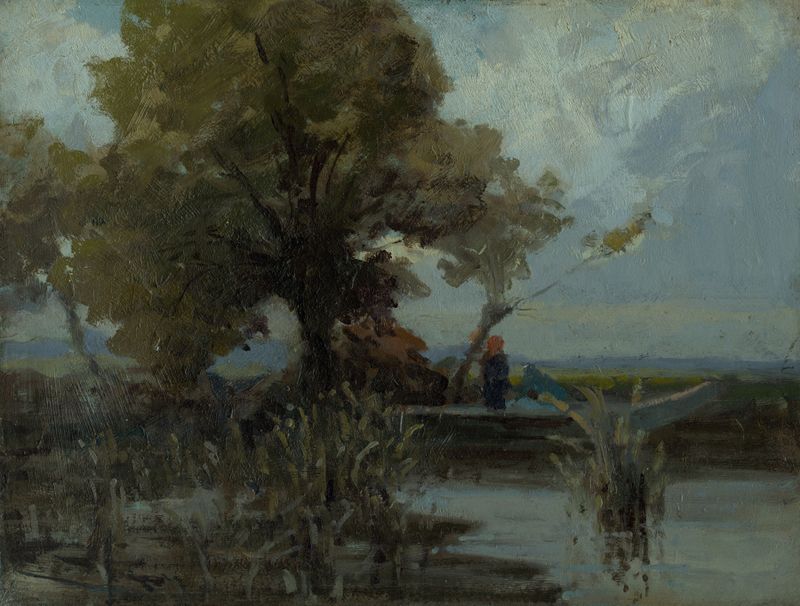
Košatý strom pri jazere
Ľudovít Čordák
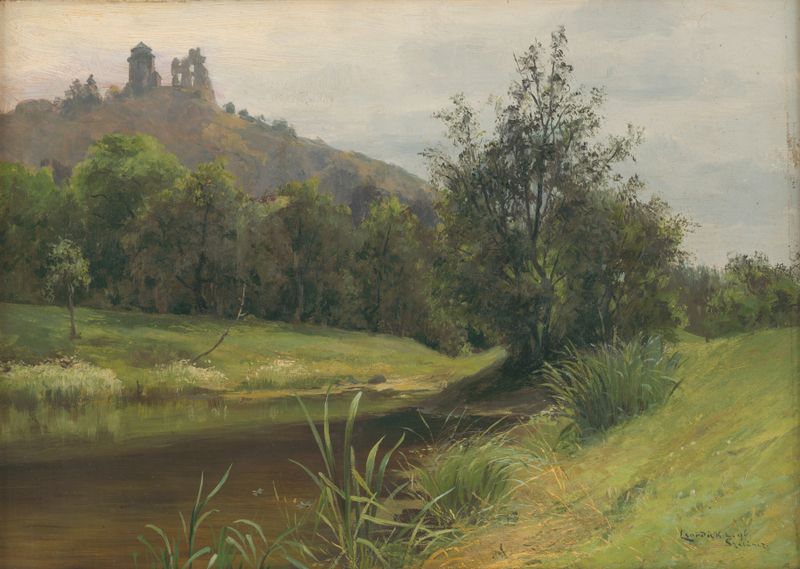
Močarina pod Slaneckým hradom
Ľudovít Čordák
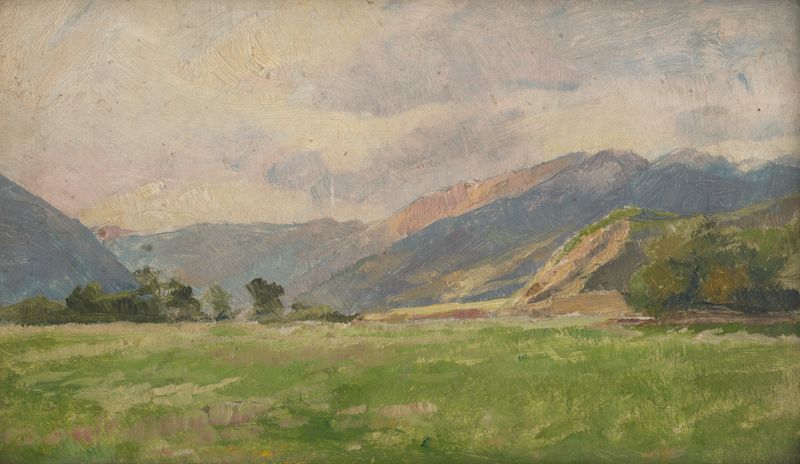
Mountain Meadow
Ľudovít Čordák
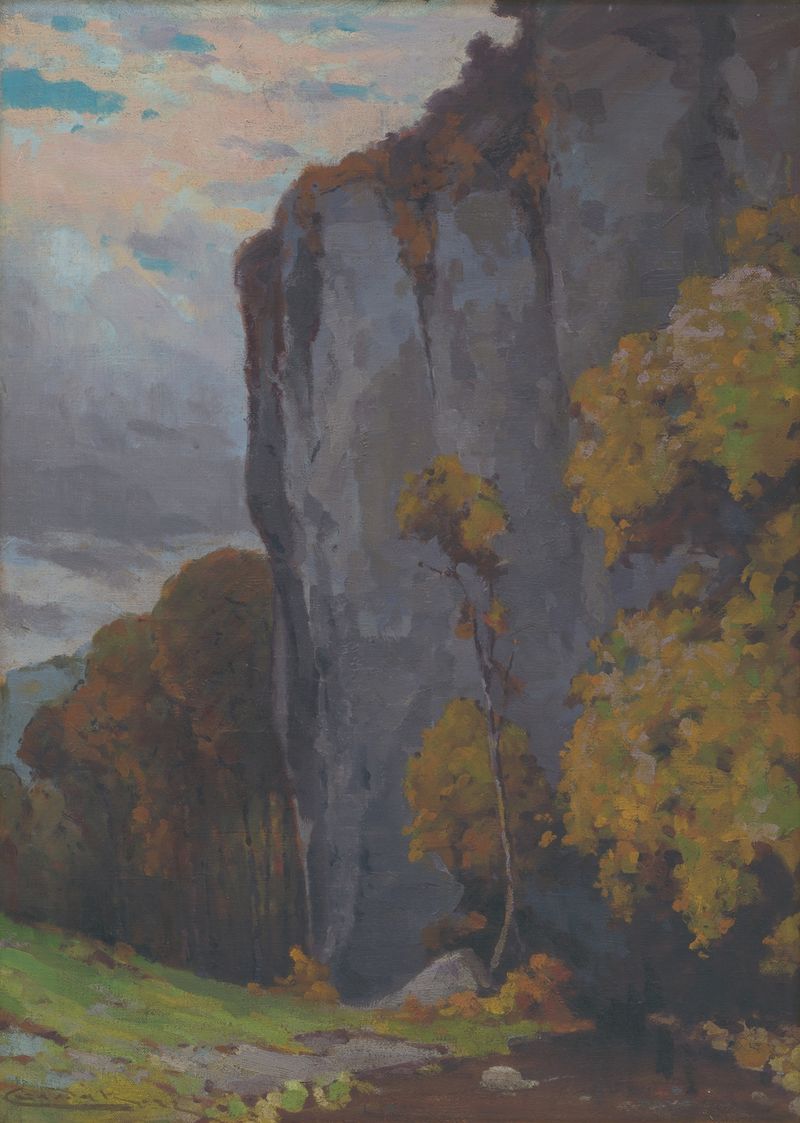
Zádiel
Ľudovít Čordák
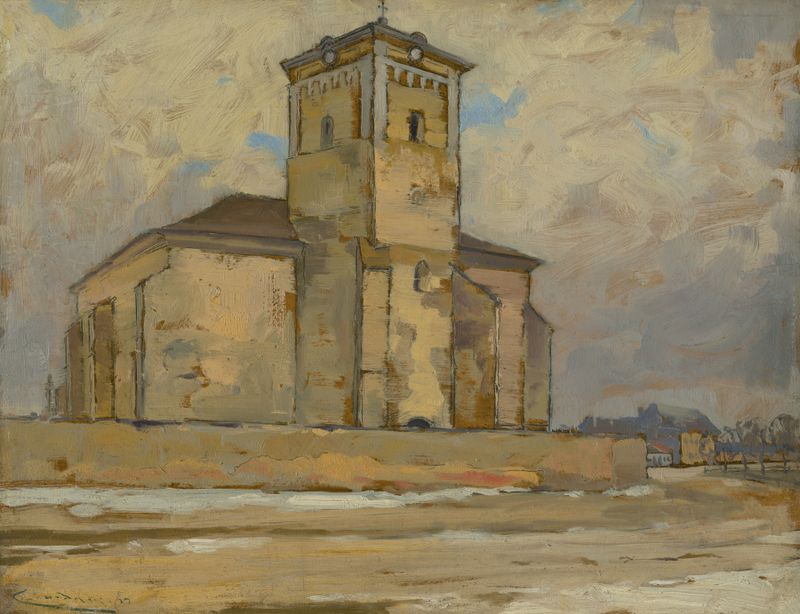
Church in Moldova
Ľudovít Čordák
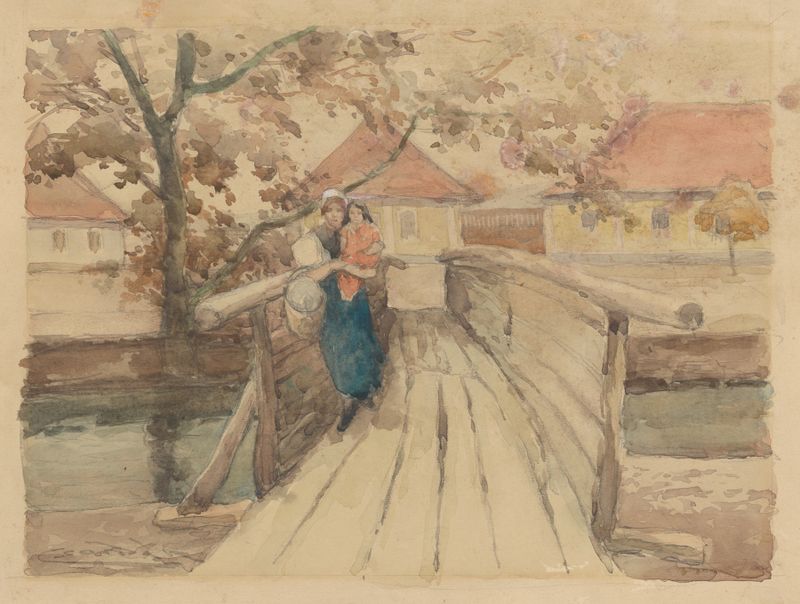
Wooden bridge
Ľudovít Čordák
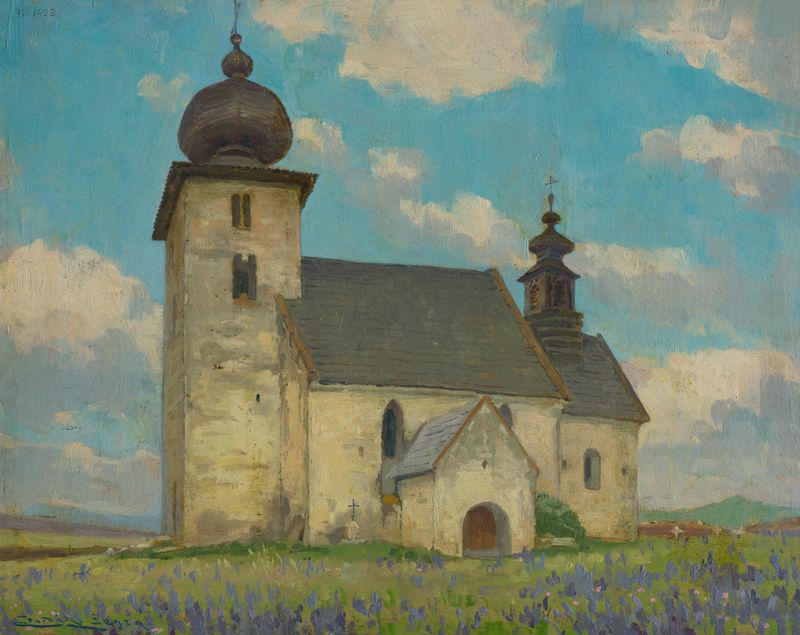
Gothic church in Žehra
Ľudovít Čordák
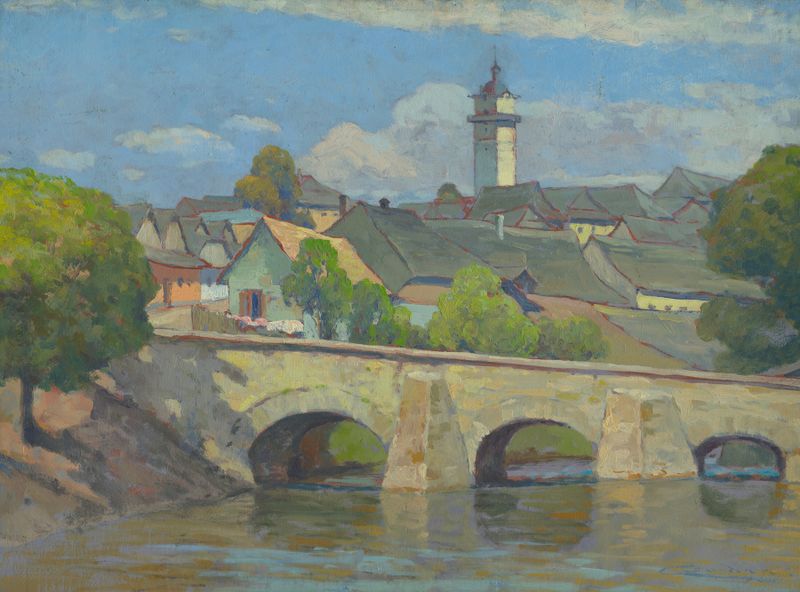
A small town in Spiš
Ľudovít Čordák
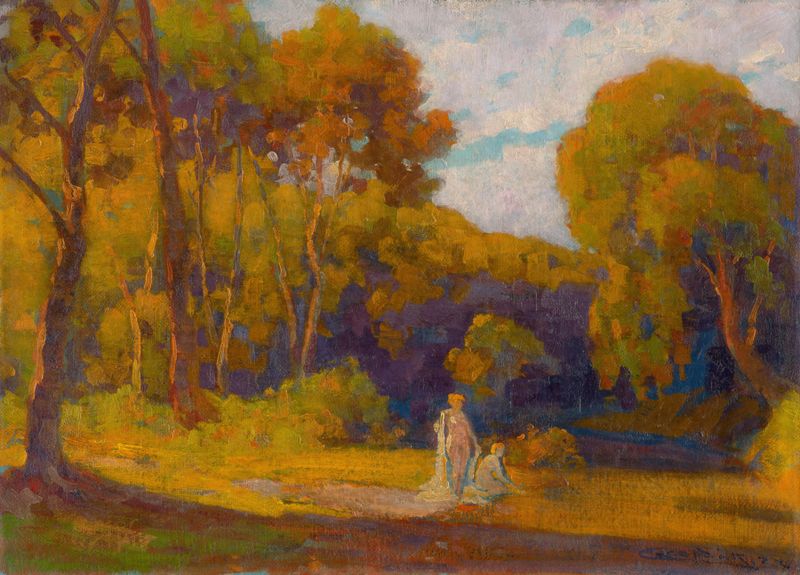
At Sunset
Ľudovít Čordák
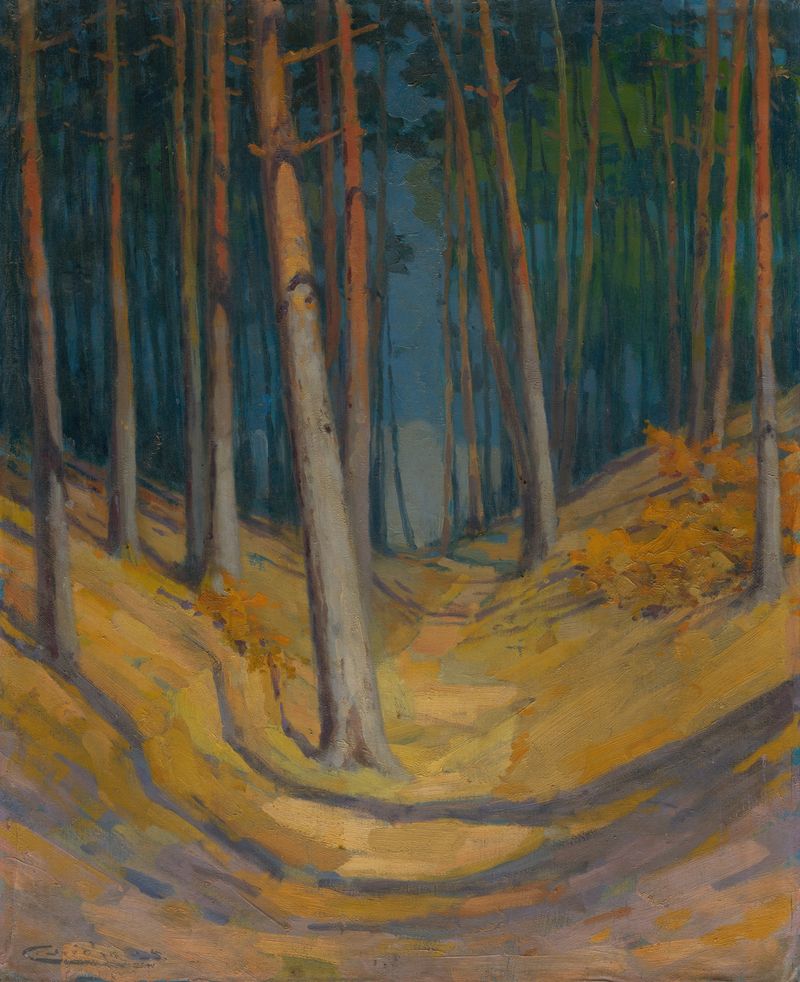
Forest
Ľudovít Čordák





