Landscape capriccio with classical and medieval motifs and some buildings from Dresden — History & Analysis
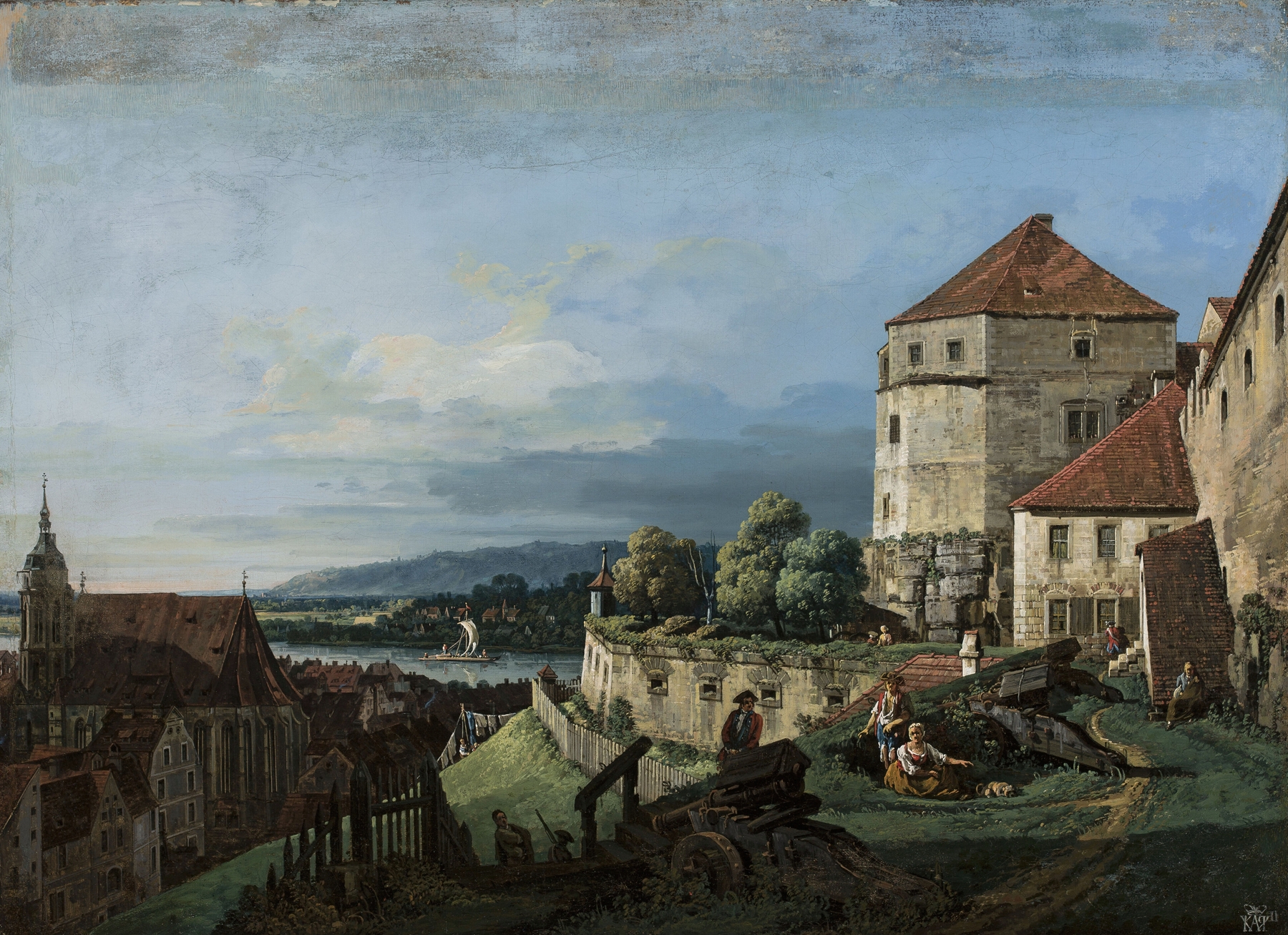
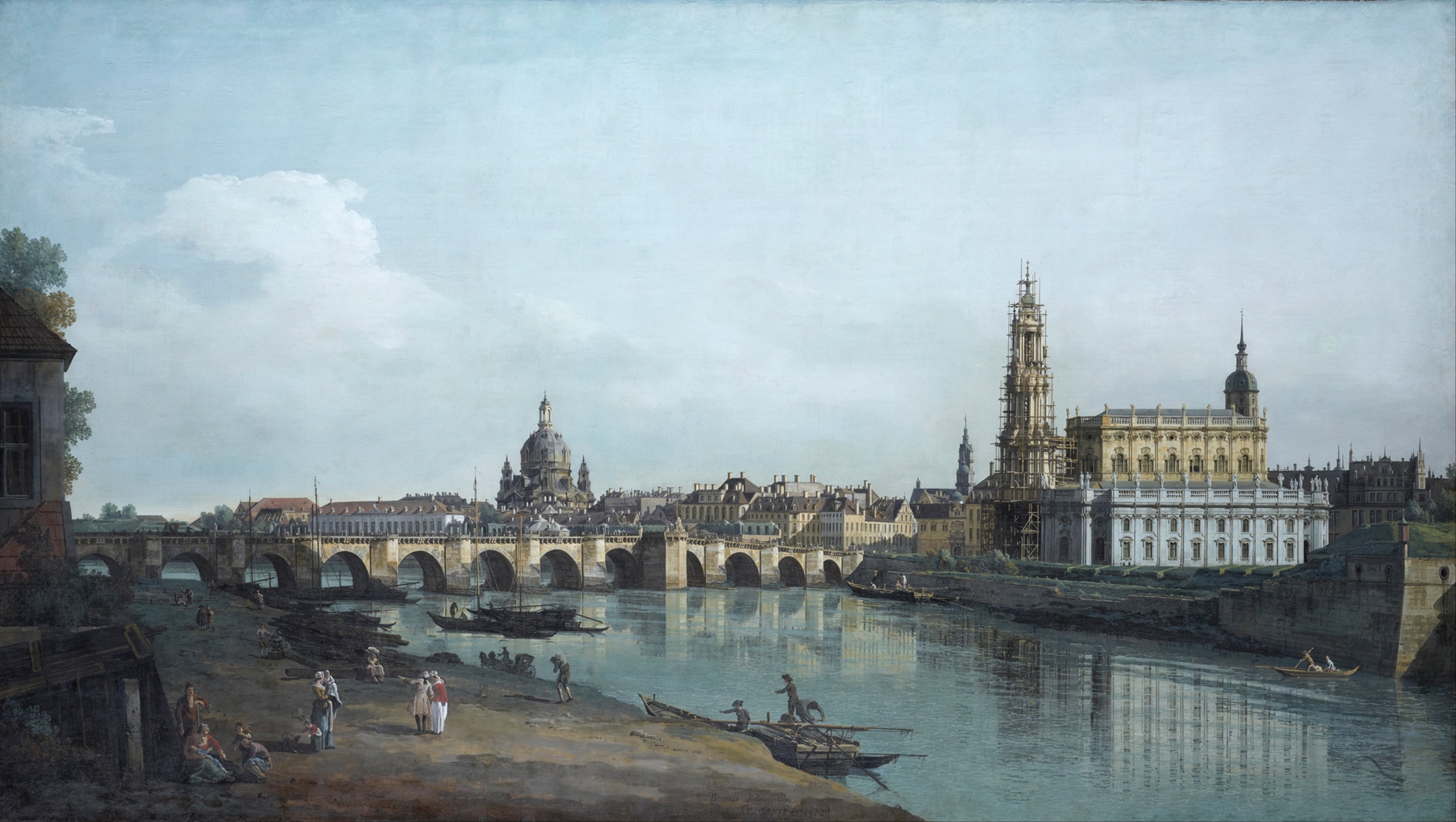
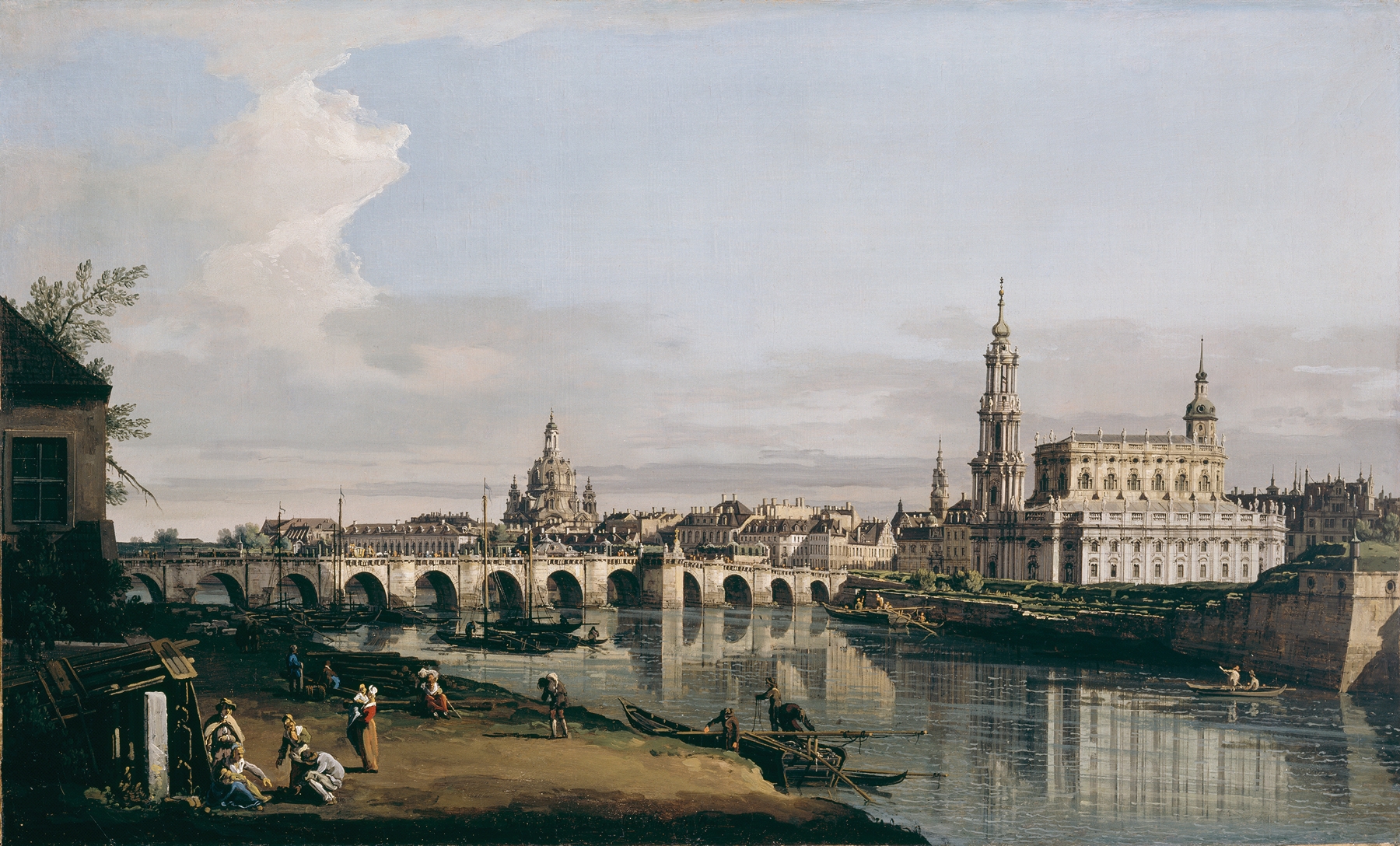
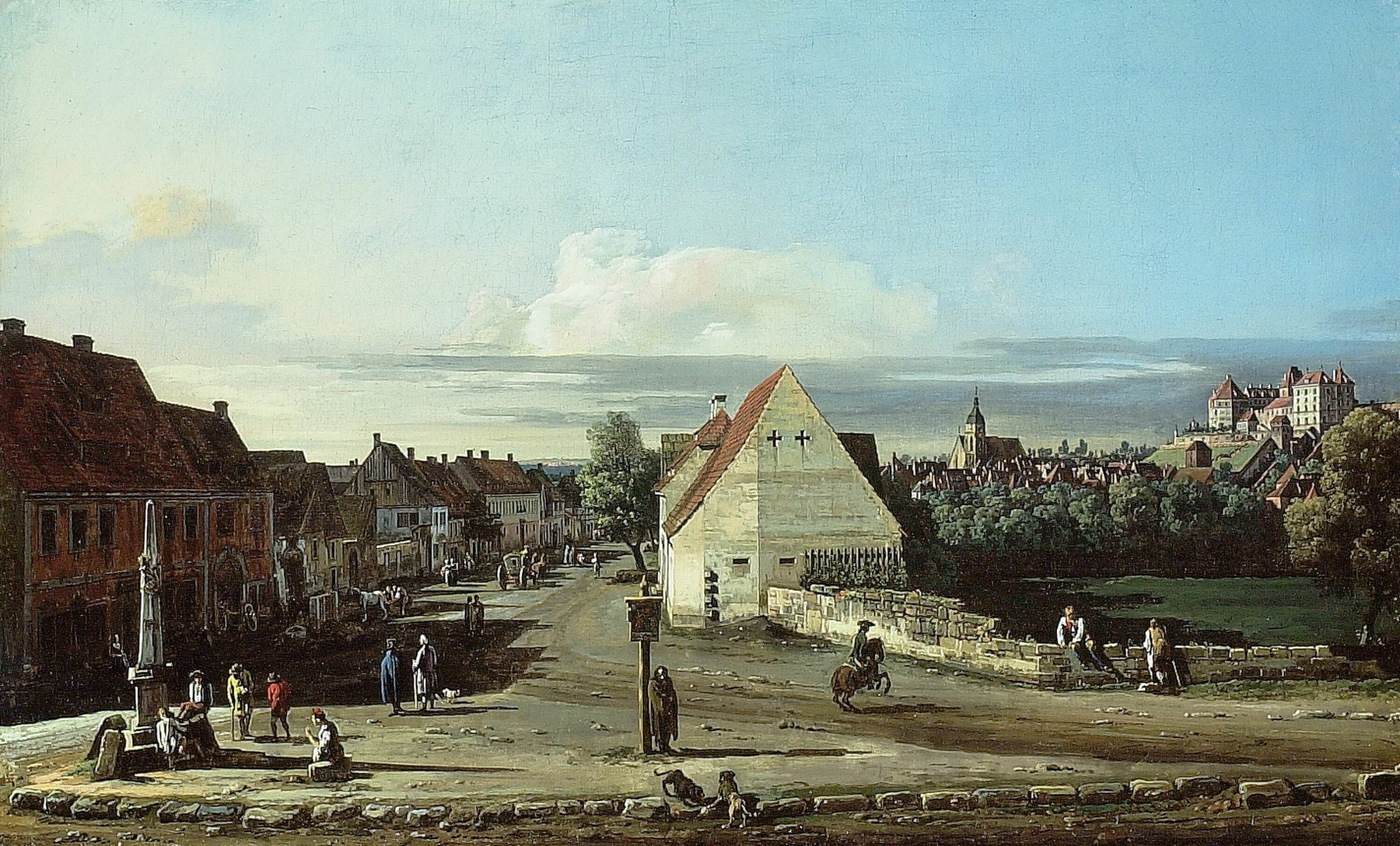
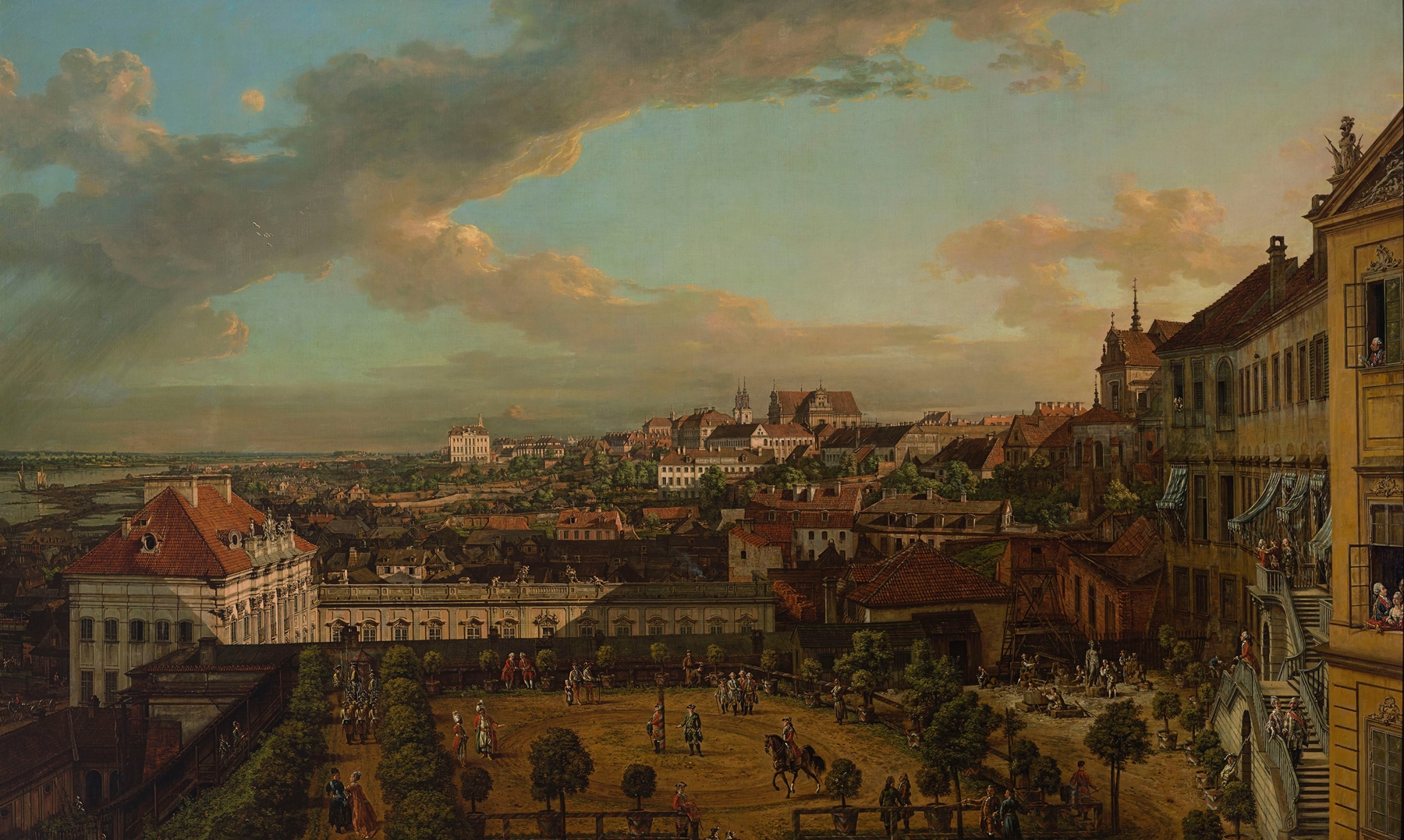
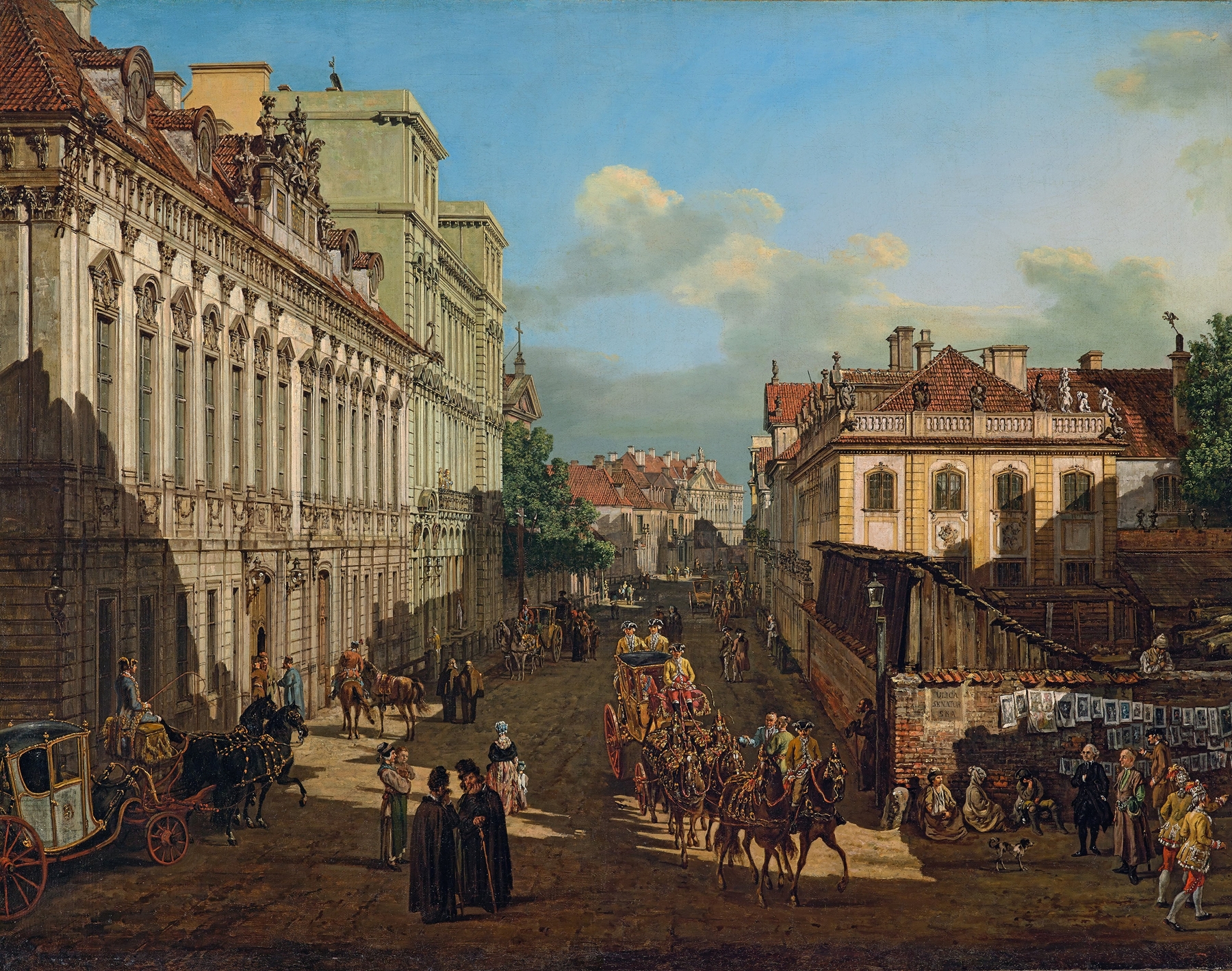
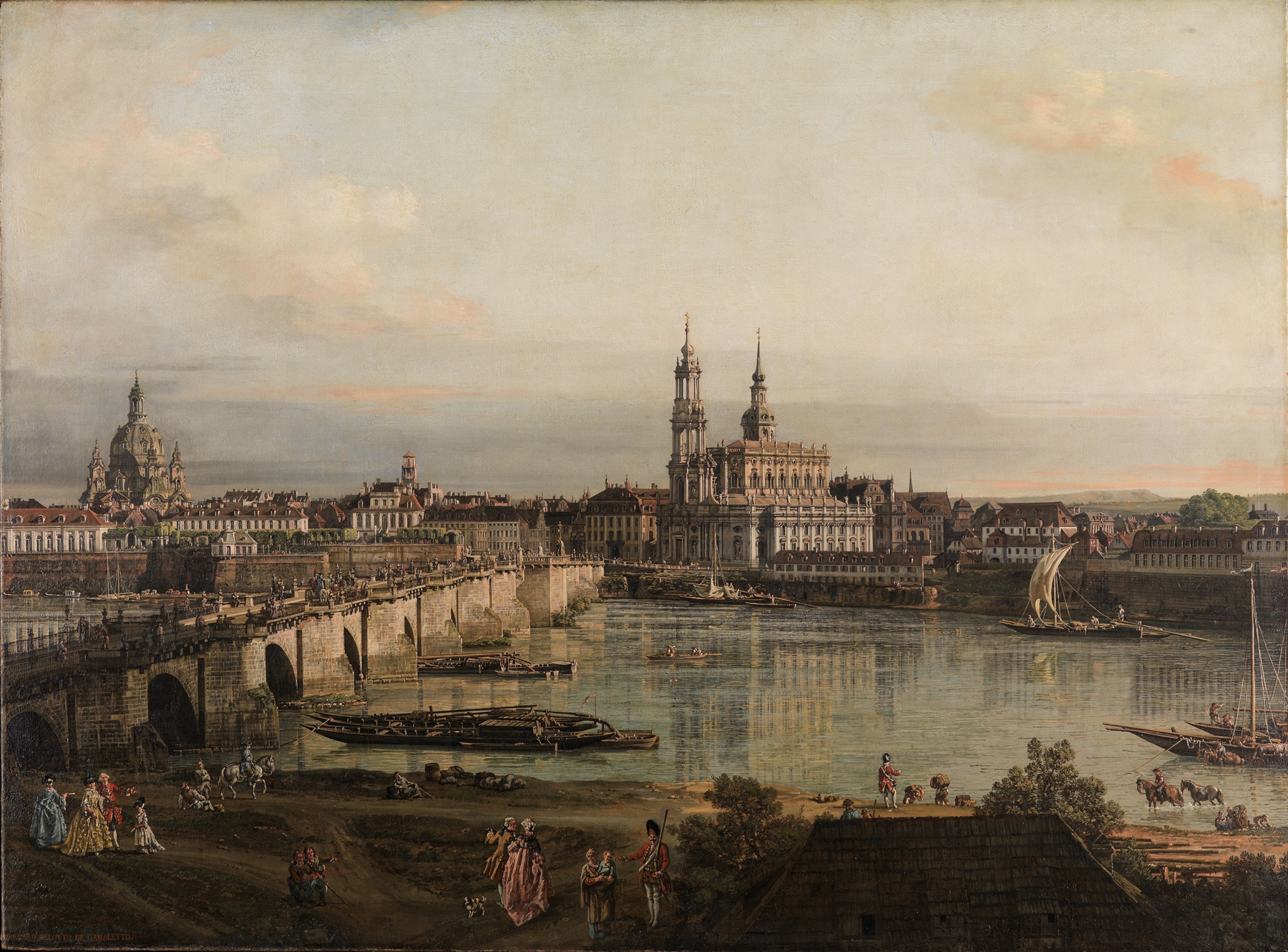
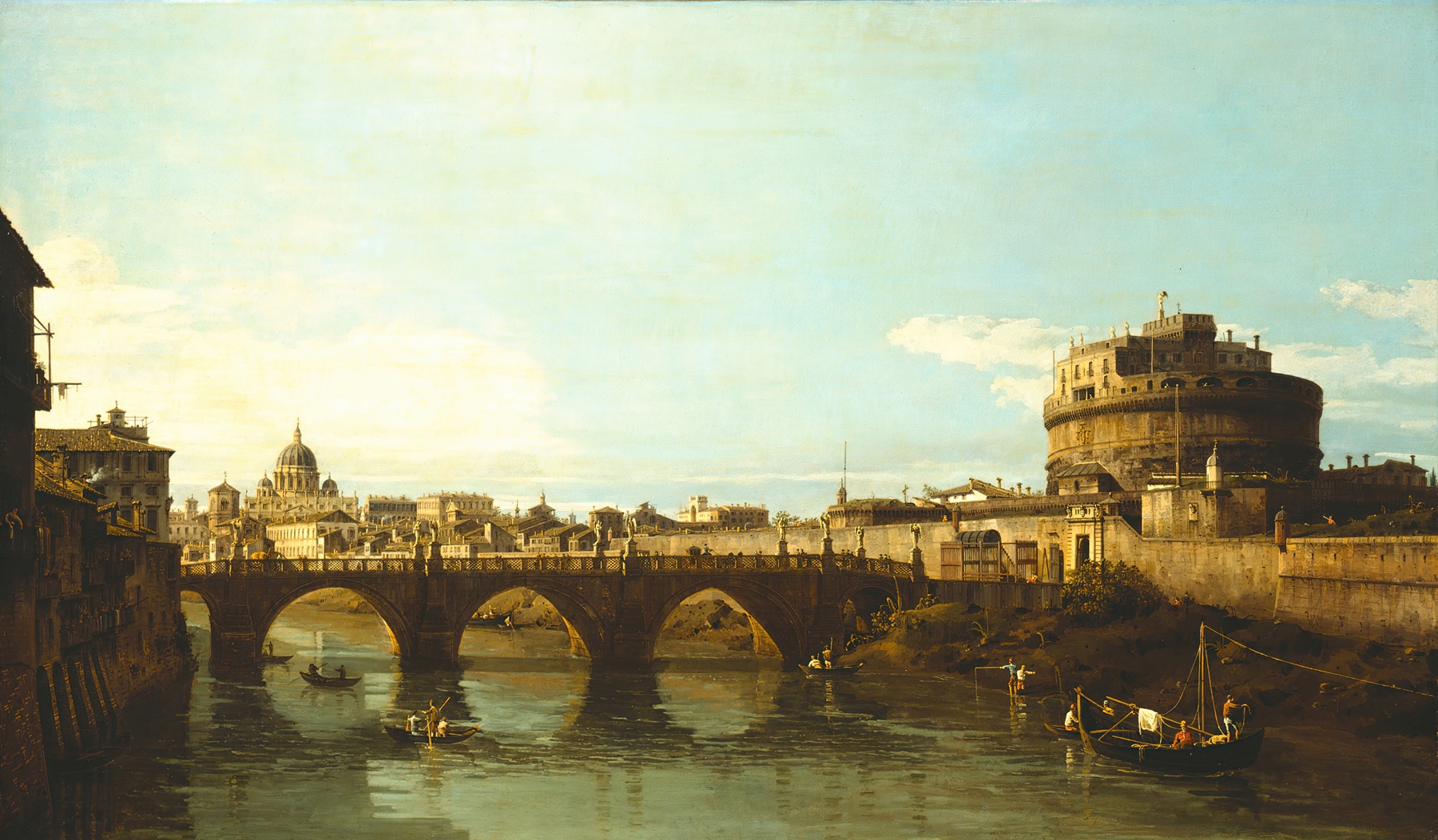
“Under the brush, chaos becomes grace.” In a world where time weaves through the fabric of existence, a landscape emerges, a testament to the beauty of juxtaposition. Look to the left at the towering architectural marvels that blend classical and medieval motifs, standing sentinel against a sky awash in warm hues. Notice how the delicate brushwork captures the subtle interplay of light and shadow, revealing intricate details in the buildings and foliage.
Vistas stretch far into the distance, drawing the viewer’s eye towards a horizon that seems to whisper the stories of ages long past, inviting contemplation of the passage of time itself. In this piece, the harmonizing of eras creates an emotional tension; the elegance of classical lines contrasts against the ruggedness of medieval structures, suggesting a dialogue between history and the present. Elements such as the winding path forge a connection between the viewer and the landscape, symbolizing life's journey through time.
Each brushstroke becomes a time capsule, preserving moments that speak to the viewer’s own experiences, evoking nostalgia and reflection. Bernardo Bellotto painted this work during a period when he was deeply influenced by the picturesque landscapes of Dresden, where he honed his skills in capturing architecture against natural backdrops. Active in the mid-18th century, Bellotto was part of a movement that sought to blend the beauty of manmade structures with the grandeur of nature, reflecting the artistic zeitgeist of his time, which celebrated both the classical past and the burgeoning awareness of landscape as a vital genre.