
Landscape with Rolling Hills — History & Facts
A single white house with a red roof perches on the edge of a field, almost daring the viewer to find shelter in its simplicity. Yet the real drama of Landscape with Rolling Hills by Wassily Kandinsky unfolds in the land itself: color is set free, with hills and trees rendered in bold, almost musical bands of green, blue, and violet. The brushwork is vigorous, the forms just on the verge of dissolving into abstraction, as if the landscape is being remembered rather than observed.
The line of trees—each trunk a vertical note—marches across the center, their shadows anchoring the wildness of the hills behind. Light seems to pulse from within the colors, guiding the eye upward and outward, away from the house and into the restless sky. Painted in 1910, this work belongs to a moment of rapid change, when artists like Kandinsky were questioning not only how to paint, but why. Landscape, once a genre for patrons seeking reminders of home or property, became a laboratory for new ideas about form and emotion.
In these years, Kandinsky was moving toward the radical abstraction that would define his legacy, yet here the world is still recognizable—if only just. Little is recorded about the journey of this particular painting, now found in an online collection, but its date places it at the threshold of modern art’s great leap. The hills invite you to look again, and to imagine what lies just beyond the visible.
More Artworks by Wassily Kandinsky

Improvisation 35
Wassily Kandinsky
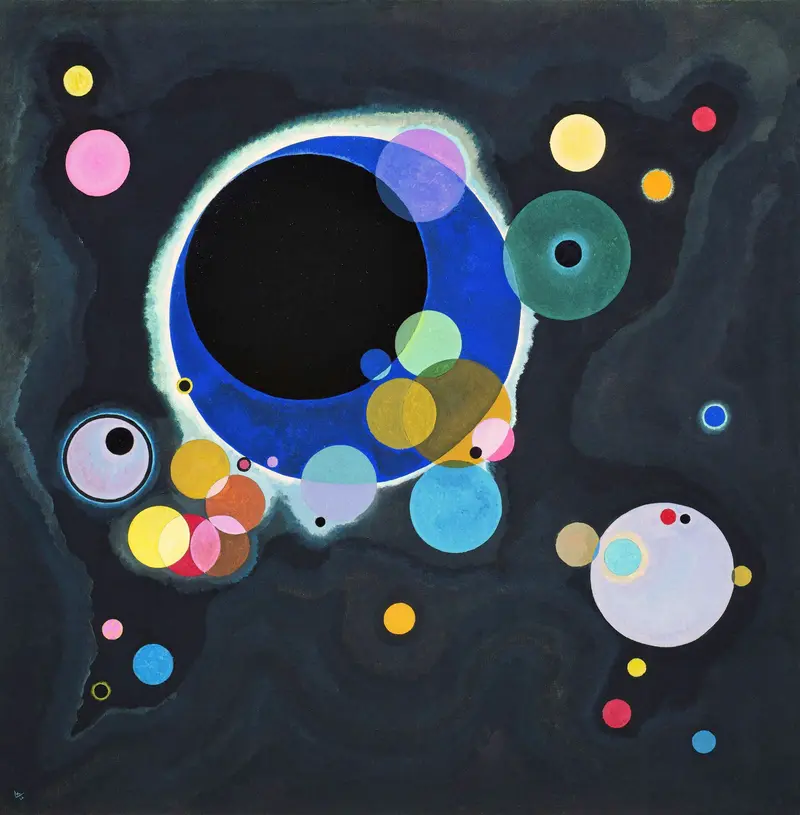
Several Circles
Wassily Kandinsky
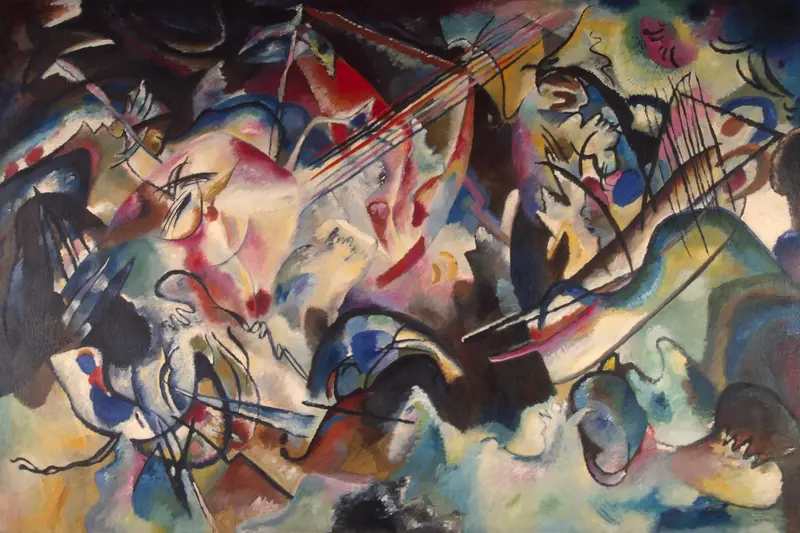
Composition VI
Wassily Kandinsky
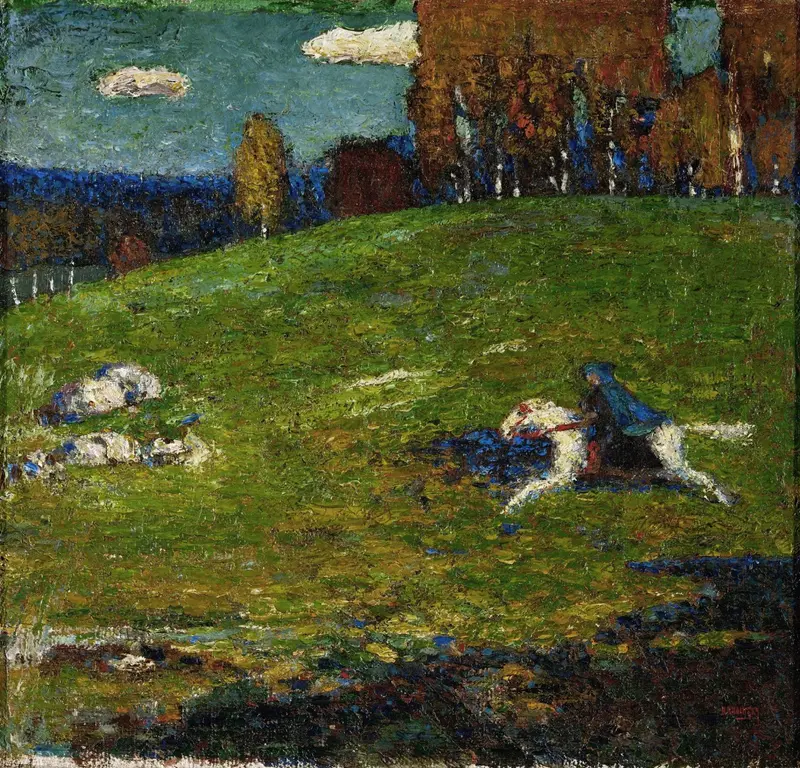
The Blue Rider
Wassily Kandinsky

Murnau
Wassily Kandinsky
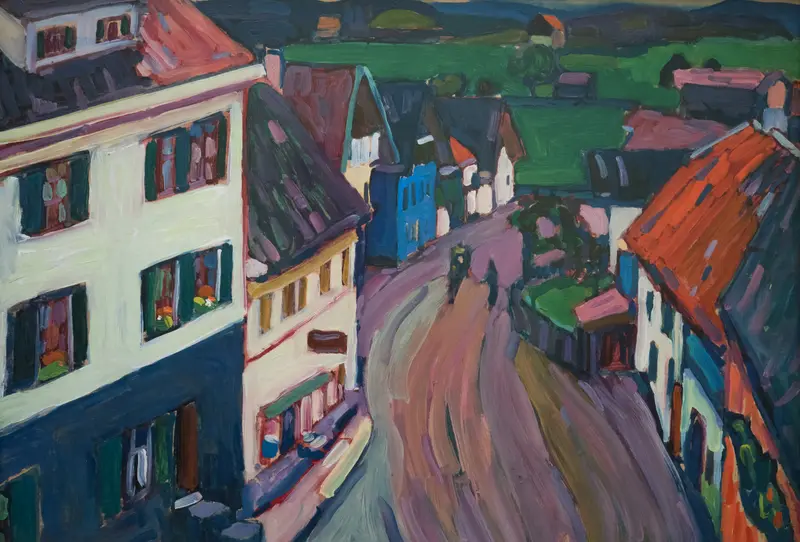
Murnau – View from the window of the Griesbräu
Wassily Kandinsky
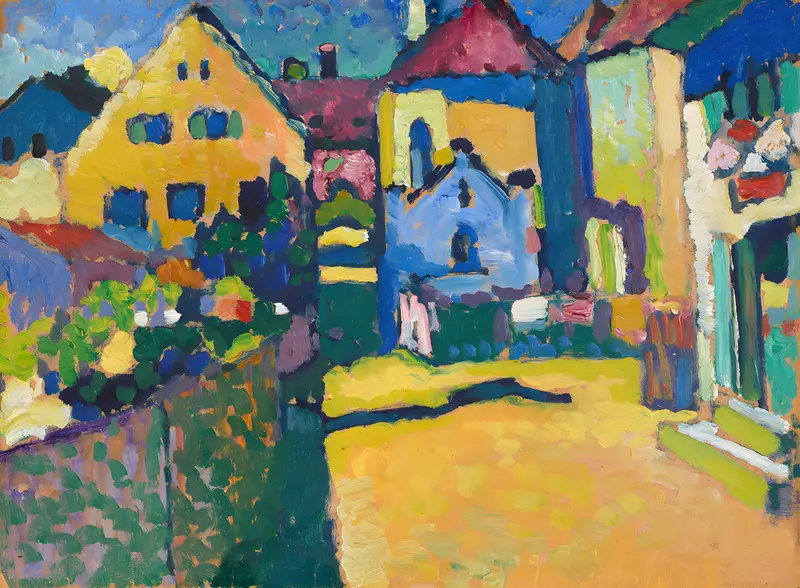
Green Lane in Murnau
Wassily Kandinsky
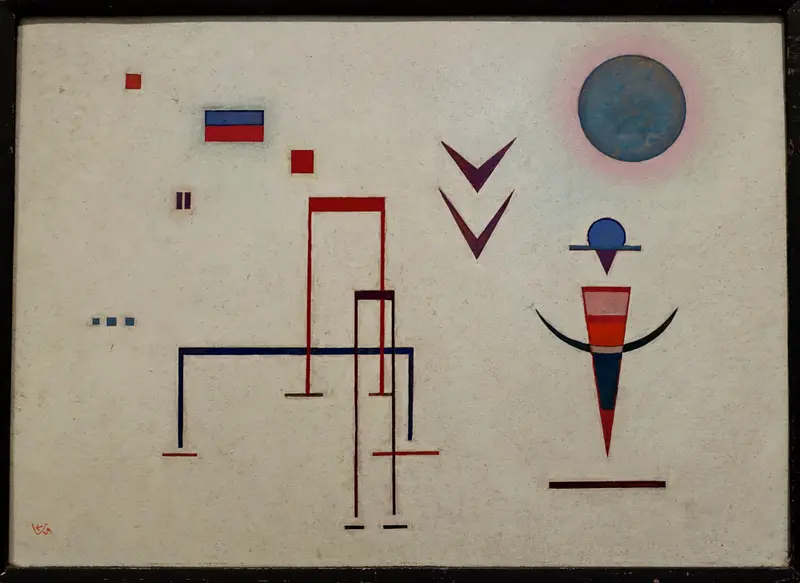
Jocular Sounds
Wassily Kandinsky

Zubovsky Platz
Wassily Kandinsky

Landscape with a yellow field
Wassily Kandinsky
More Landscape Art

The Starry Night
Vincent van Gogh

View of Delft
Johannes Vermeer

Water Lilies
Claude Monet

The Grand Canal, Venice, looking north-west from the Ca' Corner to the Ca' Contarini degli Scrigni, with the campanile of Santa Maria della Carità
Canaletto

Windsor Castle
Canaletto

The Grand Canal looking North-East from the Palazzo Dolfin-Manin to the Rialto Bridge
Canaletto