
Landscape with Sheep — History & Facts
A path cuts through the fields like a seam, drawing the eye from the foreground’s grazing sheep to the distant cluster of houses. The sheep, rendered in quick, confident strokes, are more than mere livestock—they anchor the scene, their soft forms contrasting with the sharp, upright rhythm of the wooden fences. Sunlight washes the landscape in bands of yellow and green, while the sky, brushed with cool blue, hovers lightly above.
The painter’s gaze lingers on the ordinary, transforming a rural moment into something quietly attentive: the sheep’s heads bowed, the shadows falling, the way the path promises a journey toward the horizon. Painted in 1884, this work belongs to a period when artists across Europe were turning to the countryside, seeking new ways to capture the changing light and rhythms of rural life. In Finland, where Akseli Gallen-Kallela would become a central figure, such scenes spoke to a growing sense of national identity and the value of everyday labor. Works like this were rarely grand commissions; instead, they were often painted for study, for pleasure, or for the emerging middle class eager to see their own world reflected on canvas.
Today, housed in the Finnish National Gallery, Landscape with Sheep stands as a record of both a place and a painter’s early search for truth in the landscape—inviting us to follow the path into the painted distance.
More Artworks by Akseli Gallen-Kallela
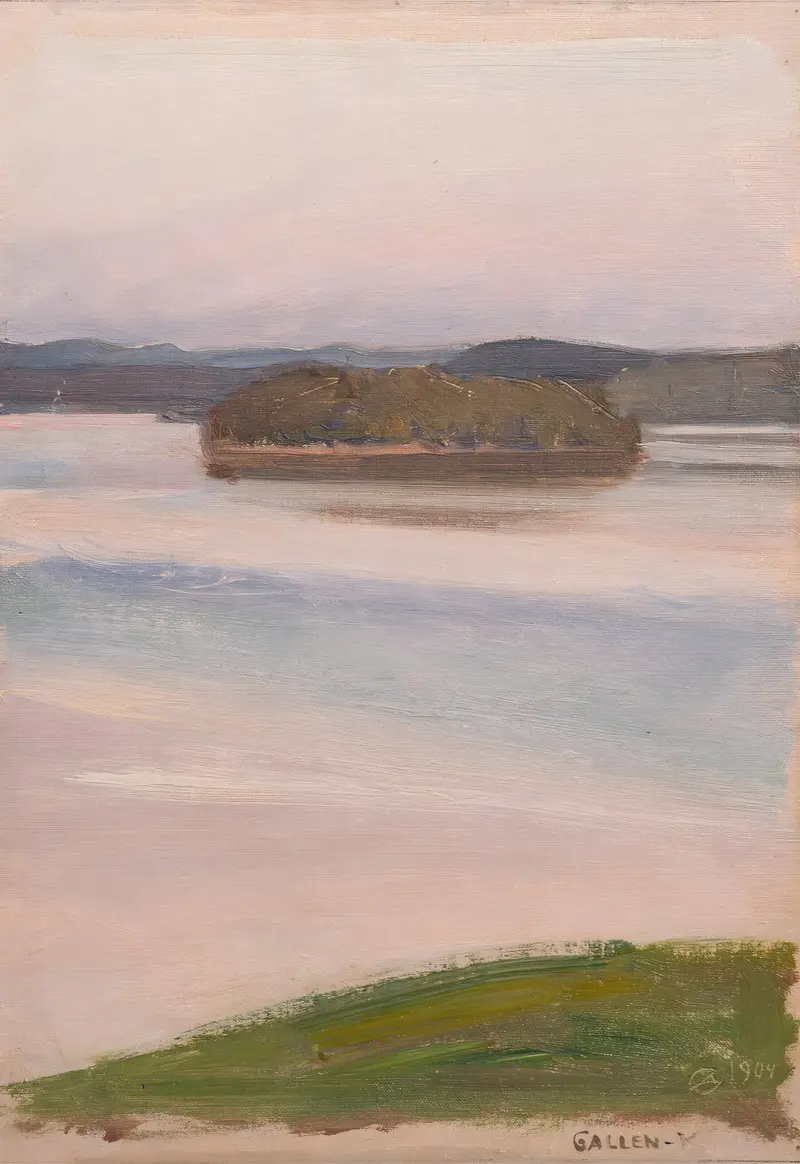
Lake Keitele
Akseli Gallen-Kallela
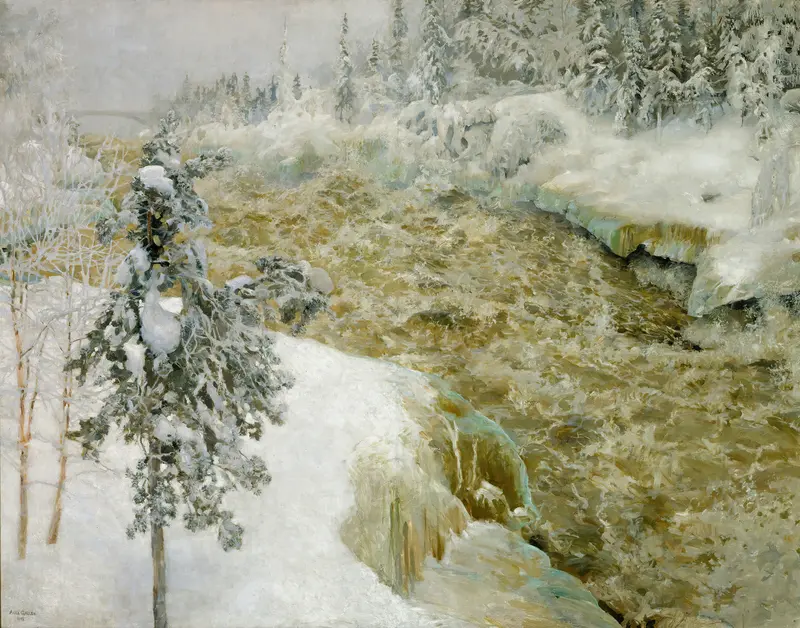
Imatra Falls in Snow ; Imatra in Winter
Akseli Gallen-Kallela
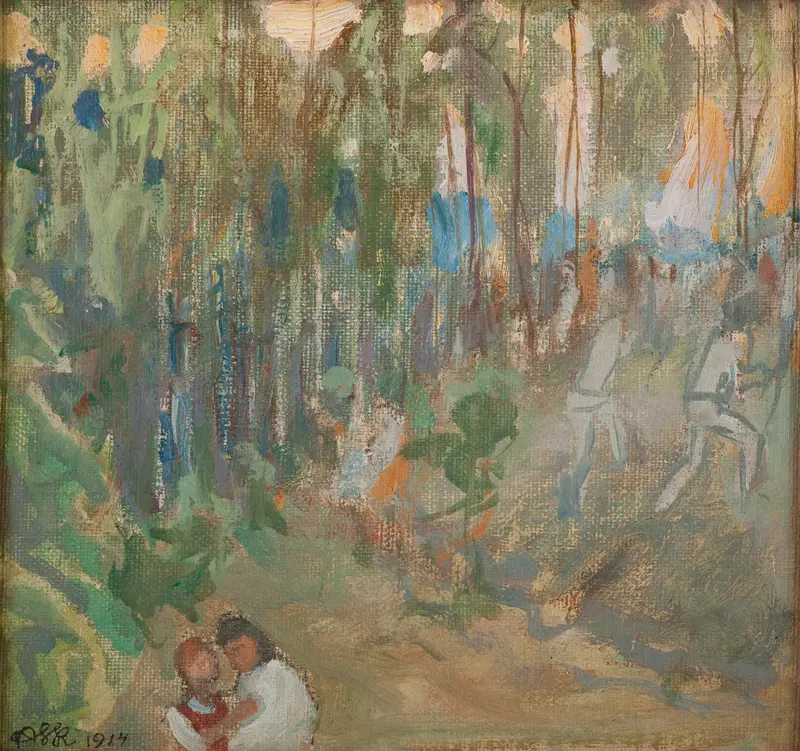
Vainovalkeat
Akseli Gallen-Kallela
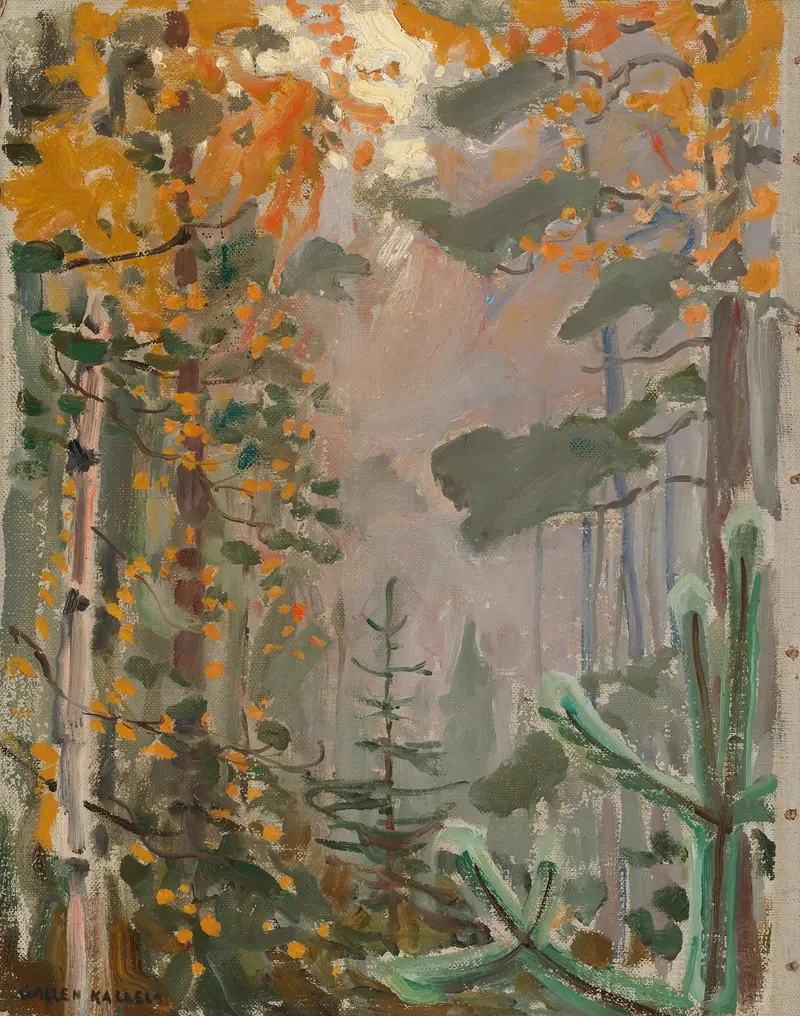
Autumn Landscape
Akseli Gallen-Kallela
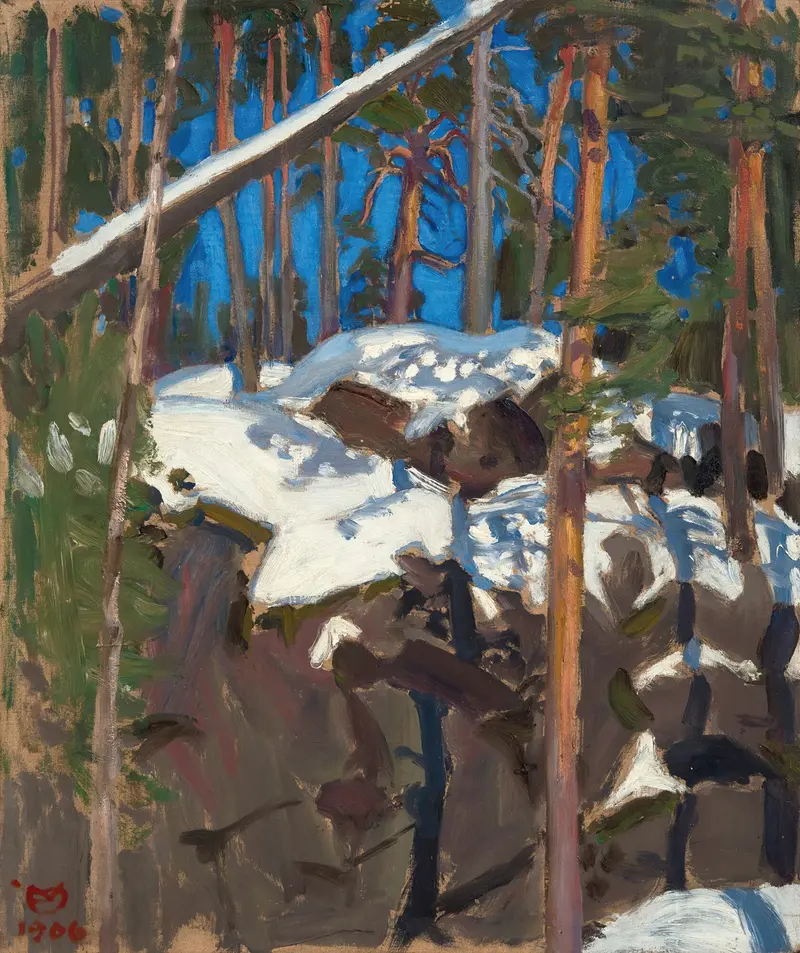
Spring Sun At Konginkangas
Akseli Gallen-Kallela
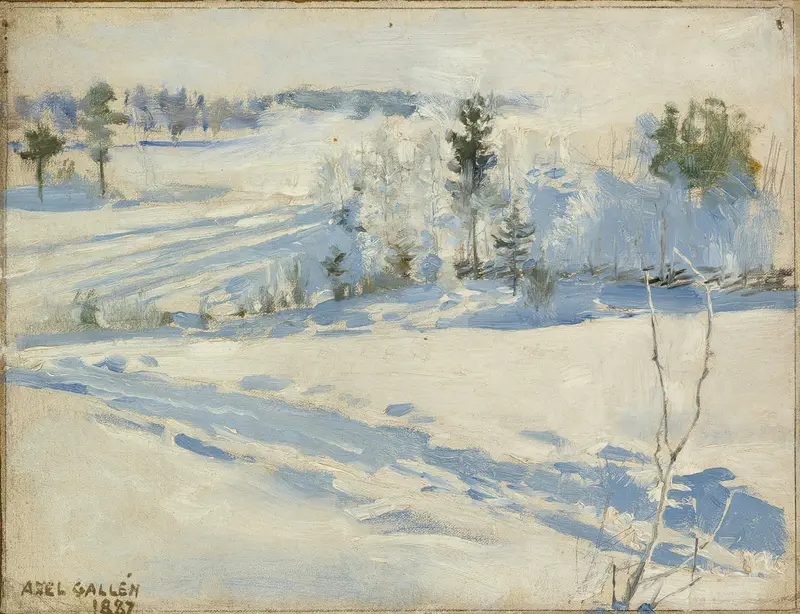
Winter Landscape
Akseli Gallen-Kallela

First Snow
Akseli Gallen-Kallela
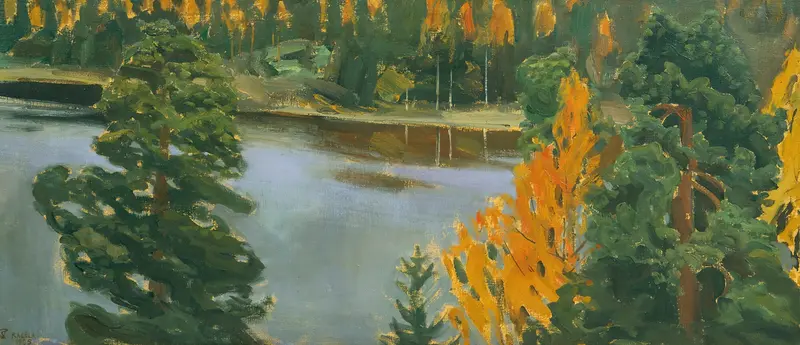
Lake View In Autumn
Akseli Gallen-Kallela
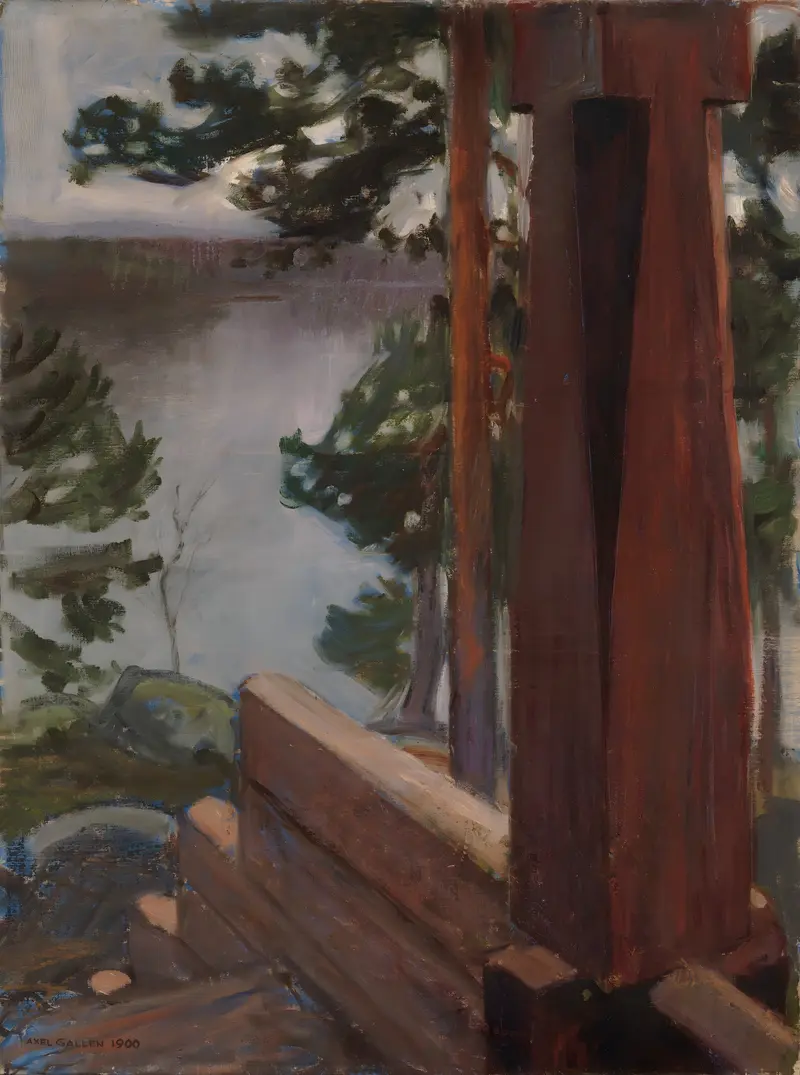
The Kalela Porch
Akseli Gallen-Kallela

Light Behind The Clouds
Akseli Gallen-Kallela
More Landscape Art

The Starry Night
Vincent van Gogh

View of Delft
Johannes Vermeer

Water Lilies
Claude Monet

The Grand Canal, Venice, looking north-west from the Ca' Corner to the Ca' Contarini degli Scrigni, with the campanile of Santa Maria della Carità
Canaletto

Windsor Castle
Canaletto

The Grand Canal looking North-East from the Palazzo Dolfin-Manin to the Rialto Bridge
Canaletto