
Landscape with Shepherds and Flock of Sheep — History & Facts
When Jean-Honoré Fragonard first exhibited Landscape with Shepherds and Flock of Sheep in 1763, it marked a turning point in his career, as he had just returned to Paris from a transformative stay at the French Academy in Rome. This painting is one of the earliest testaments to how deeply Italian landscapes and the pastoral tradition had impressed him, prompting critics to note the "freshness and freedom" in his brushwork. Unlike his later, more famous rococo fantasies, here Fragonard channels the spirit of the Roman Campagna, reimagined through a distinctly French lens.
The work stands as an early signal of his lifelong fascination with the countryside, a motif he would revisit in many variations. The scene unfolds in a gentle, sun-dappled clearing where shepherds tend their flock, the sheep clustered in soft, irregular groups across the rolling terrain. Fragonard captures the moment of quiet vigilance: one shepherd leans on his staff, eyes scanning the horizon, while another gestures toward a distant patch of light, perhaps alerting his companion to a stray animal or a change in the weather. The sheep, rendered with loose, energetic strokes, seem to merge with the landscape itself, blurring the line between nature and nurture.
The golden light, filtering through feathery trees, bathes the figures in warmth and hints at the Arcadian ideal so prized by 18th-century artists. Compared to the more formal, classical landscapes of Claude Lorrain, Fragonard's approach feels intimate and spontaneous, prioritizing mood and immediacy over strict order. The precise history of this painting after its creation remains somewhat obscure, as is often the case with Fragonard's landscapes, which were frequently sold to private collectors and sometimes misattributed over the centuries. What is certain is that works like Landscape with Shepherds and Flock of Sheep played a crucial role in establishing Fragonard's reputation as a painter of both figures and nature, paving the way for his later commissions from the French aristocracy.
Today, the painting is recognized as a key example of his early landscape style, bridging the gap between the academic rigor of his Roman period and the playful exuberance of his later rococo scenes. Its survival allows us to trace the evolution of an artist who, even in tranquil moments, imbued his canvases with a sense of vitality and movement.
More Artworks by Jean-Honoré Fragonard
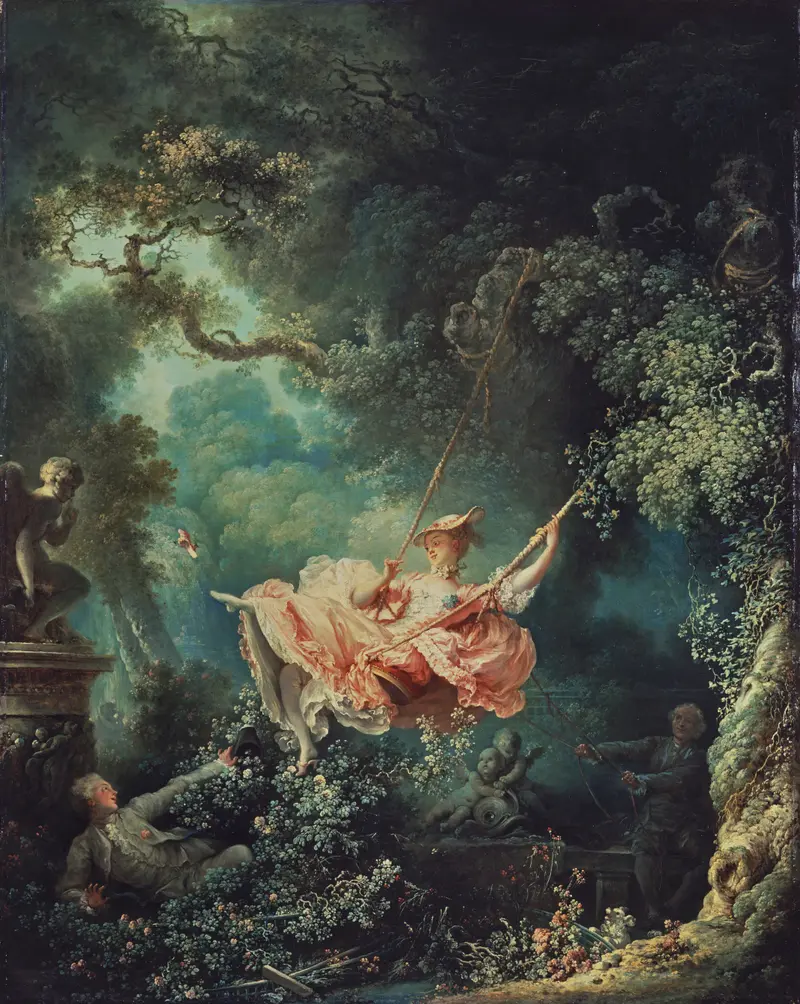
The Swing
Jean-Honoré Fragonard

The Swing
Jean-Honoré Fragonard
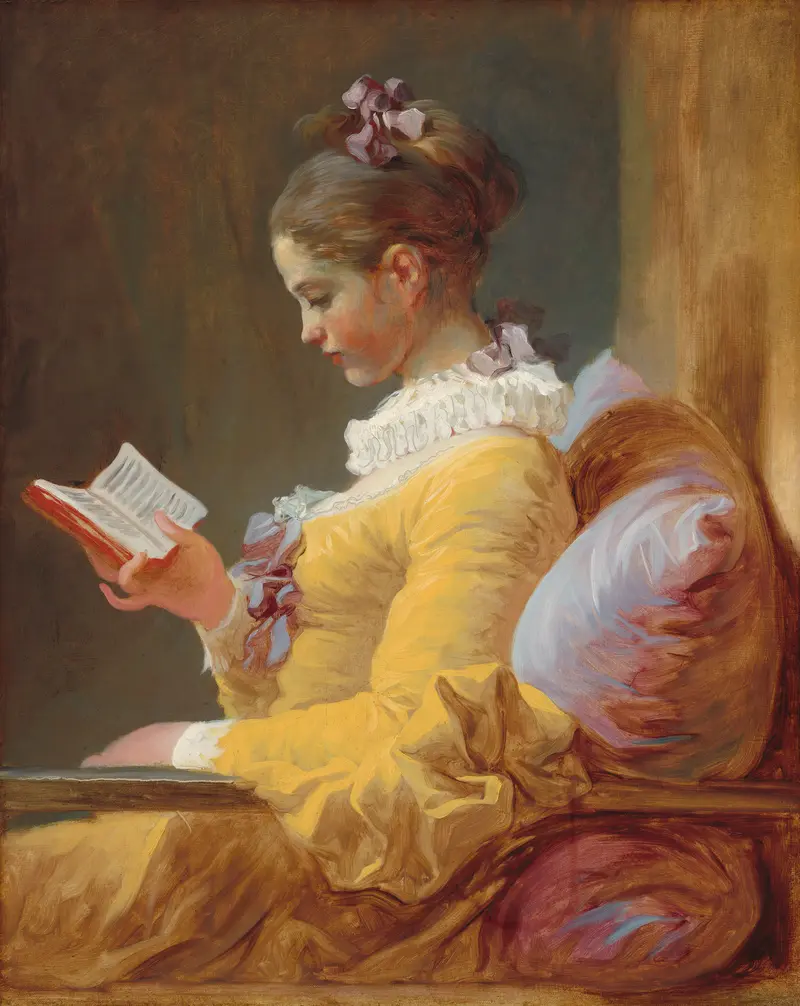
A Young Girl Reading
Jean-Honoré Fragonard
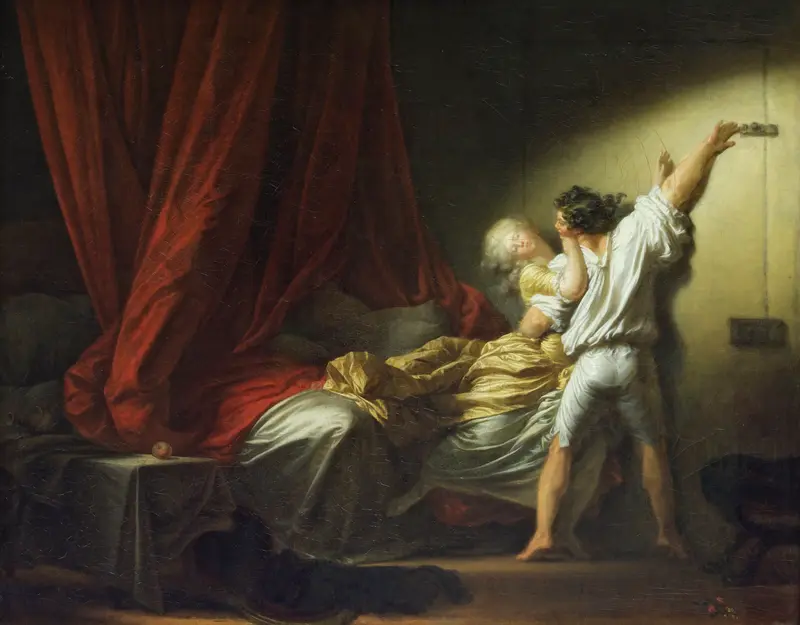
The Lock
Jean-Honoré Fragonard
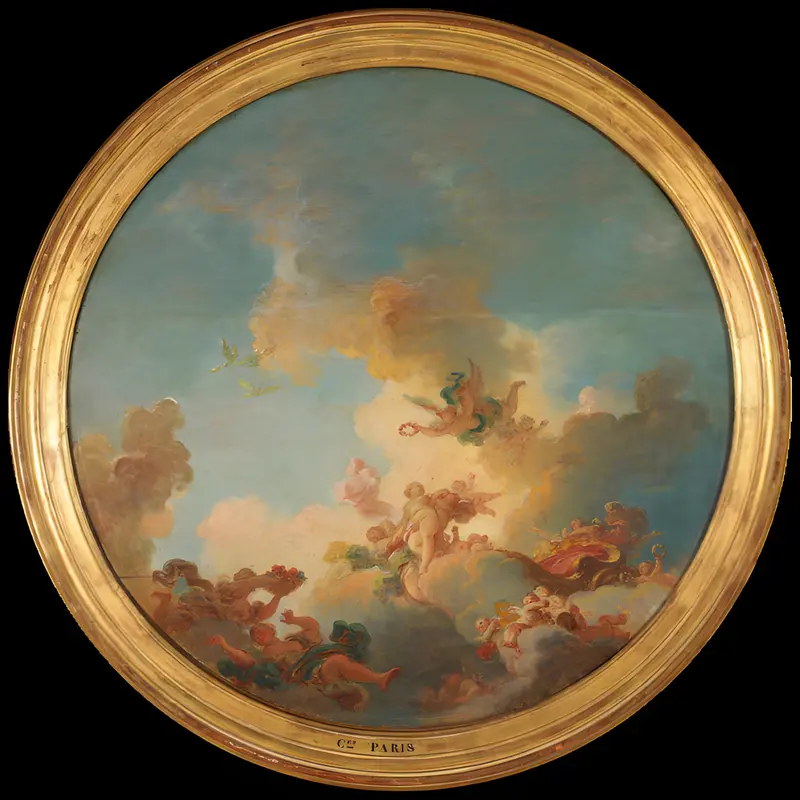
The Triumph of Venus
Jean-Honoré Fragonard
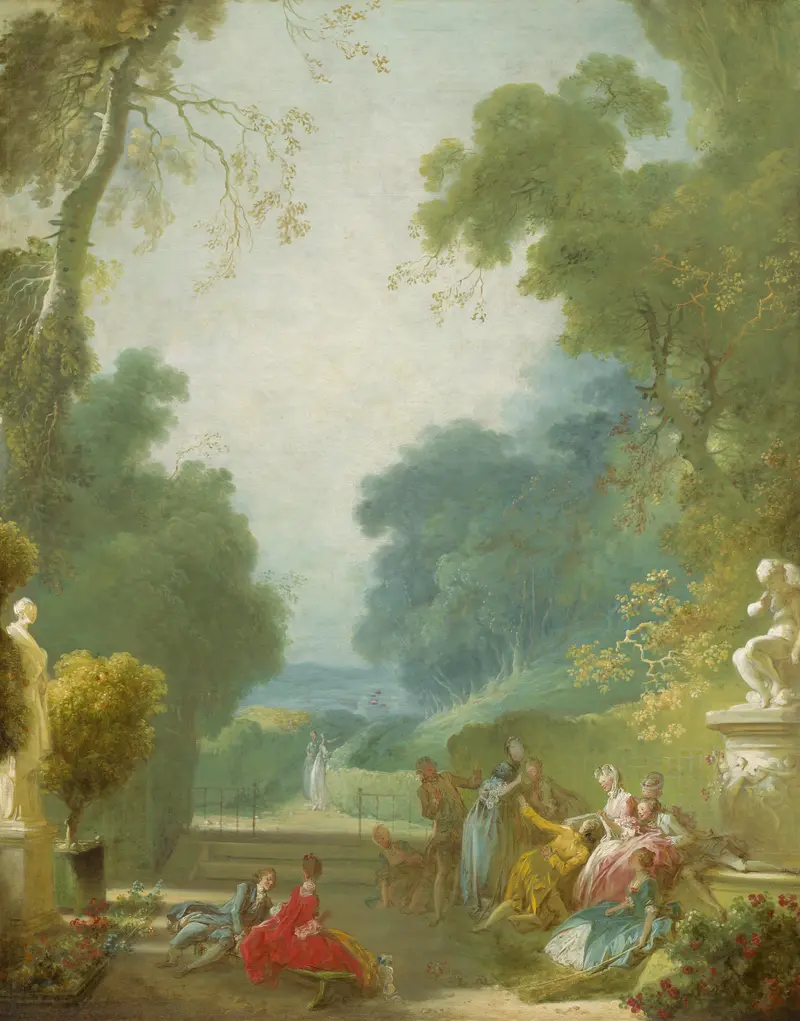
A Game of Hot Cockles
Jean-Honoré Fragonard
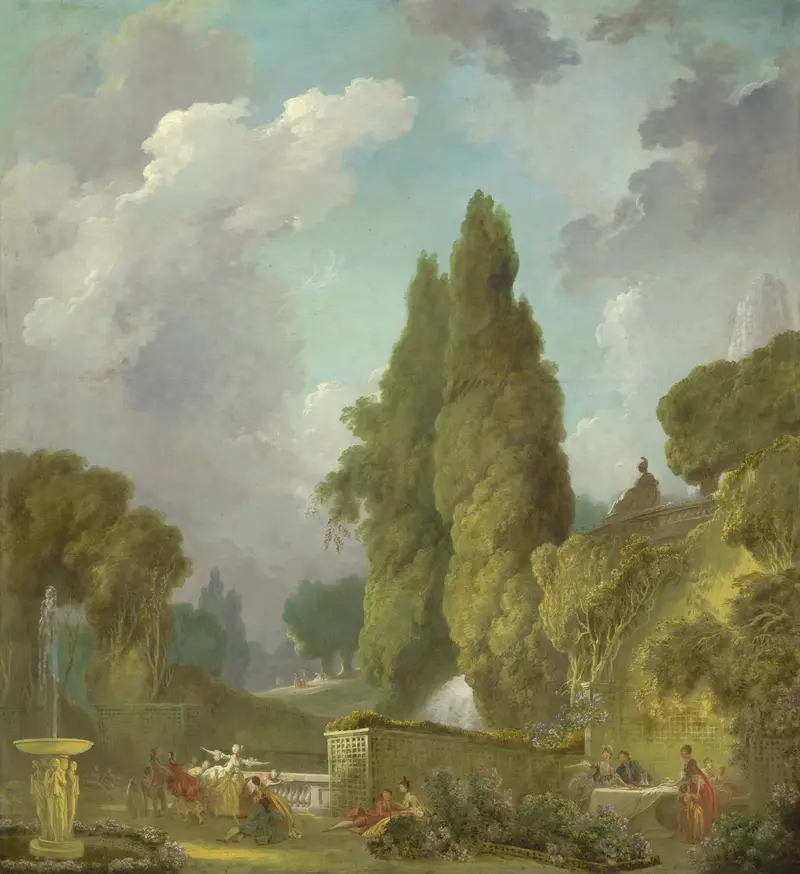
Blindman’s Buff
Jean-Honoré Fragonard
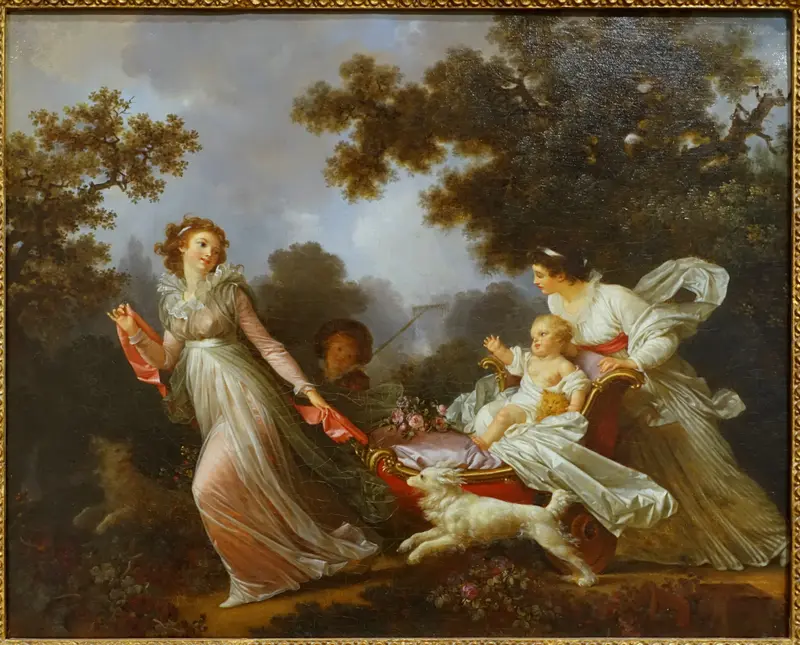
The Beloved Child
Jean-Honoré Fragonard
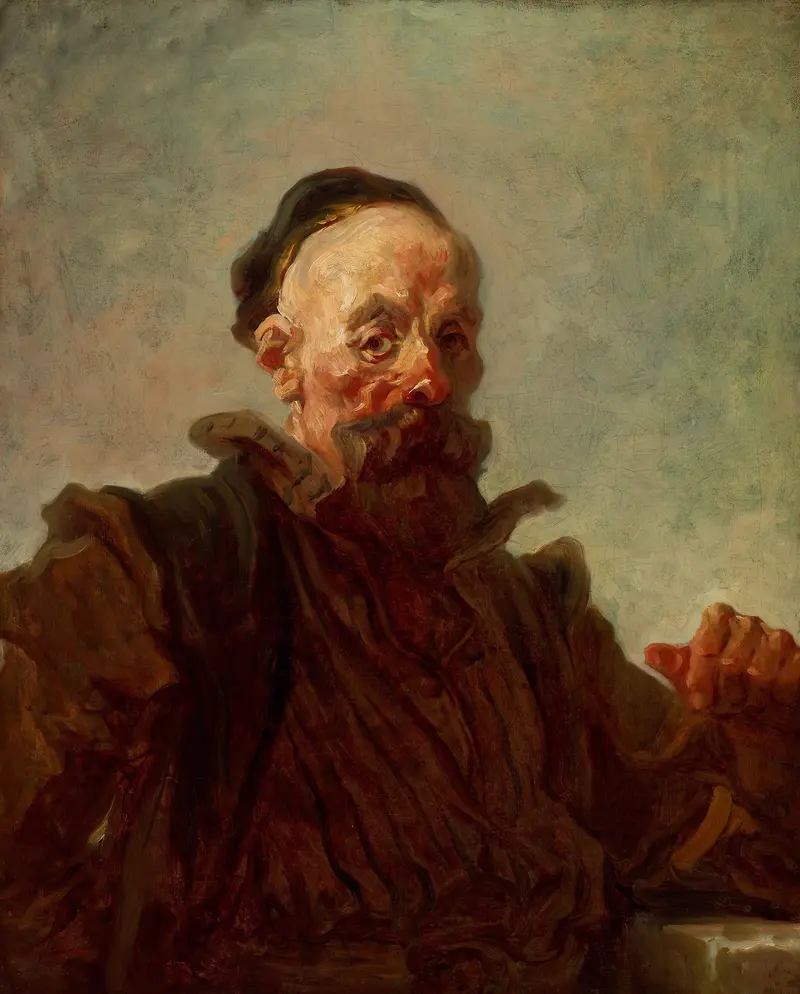
Portrait of a Man in Costume
Jean-Honoré Fragonard
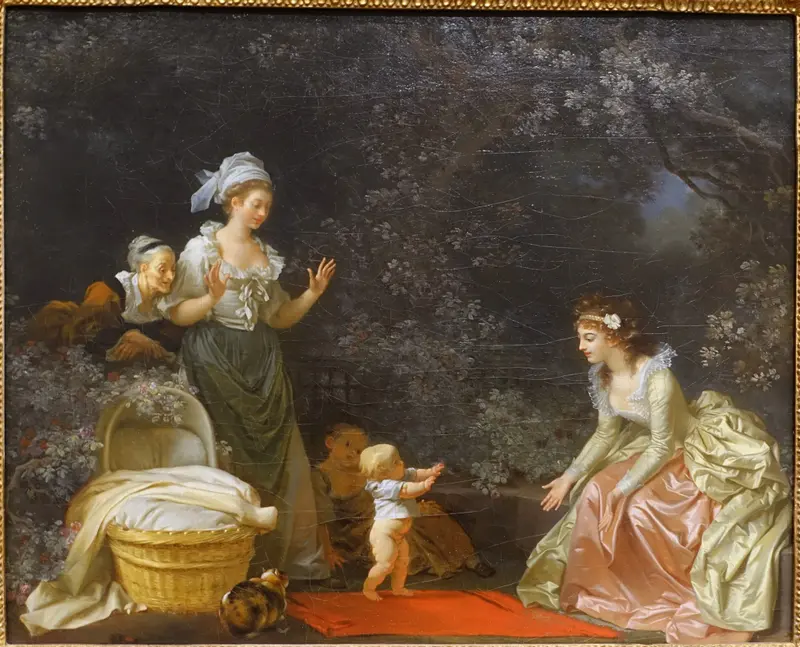
The First Steps
Jean-Honoré Fragonard
More Landscape Art

The Starry Night
Vincent van Gogh

View of Delft
Johannes Vermeer

Water Lilies
Claude Monet

The Grand Canal, Venice, looking north-west from the Ca' Corner to the Ca' Contarini degli Scrigni, with the campanile of Santa Maria della Carità
Canaletto

Windsor Castle
Canaletto

The Grand Canal looking North-East from the Palazzo Dolfin-Manin to the Rialto Bridge
Canaletto