Landschaft — History & Analysis
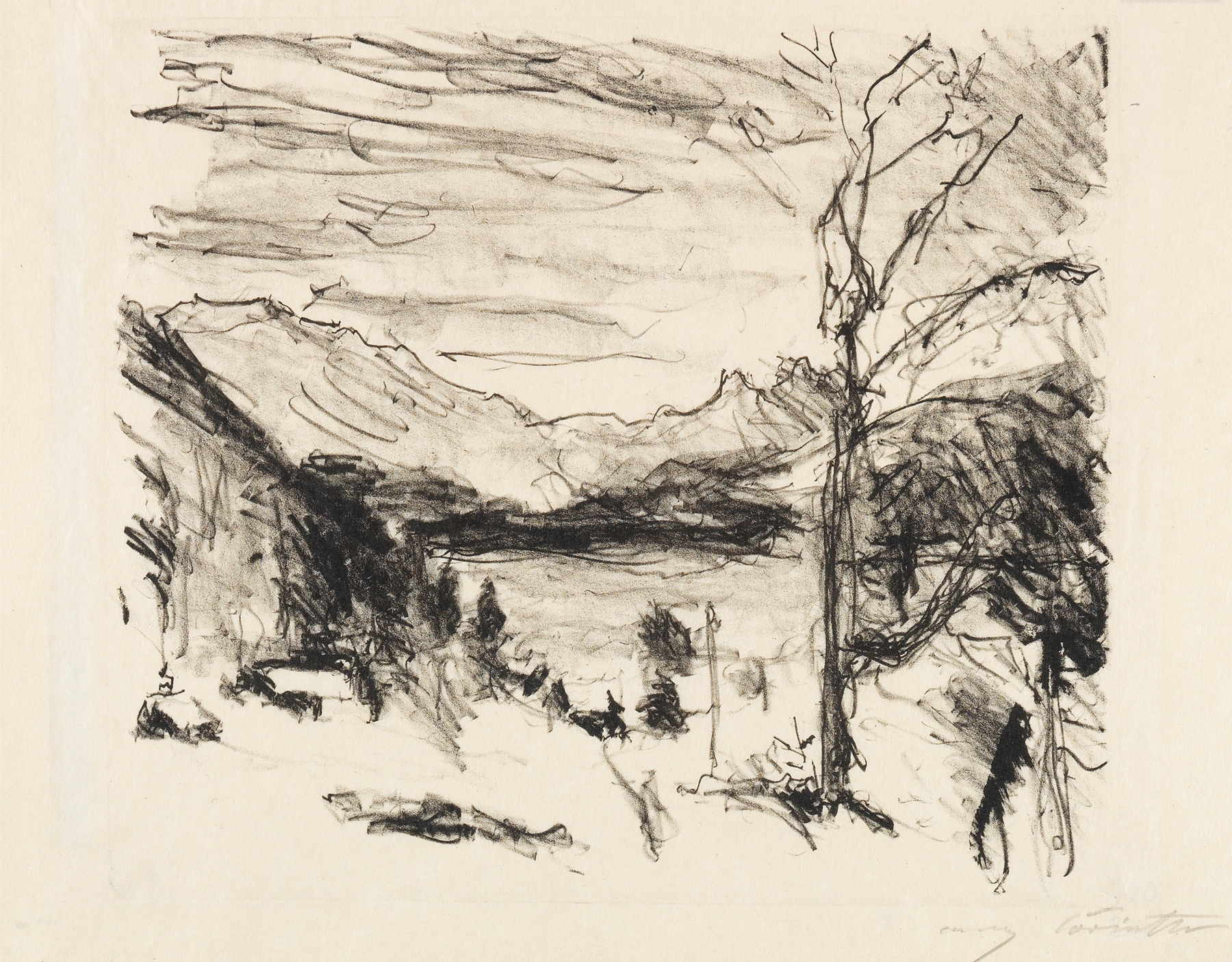
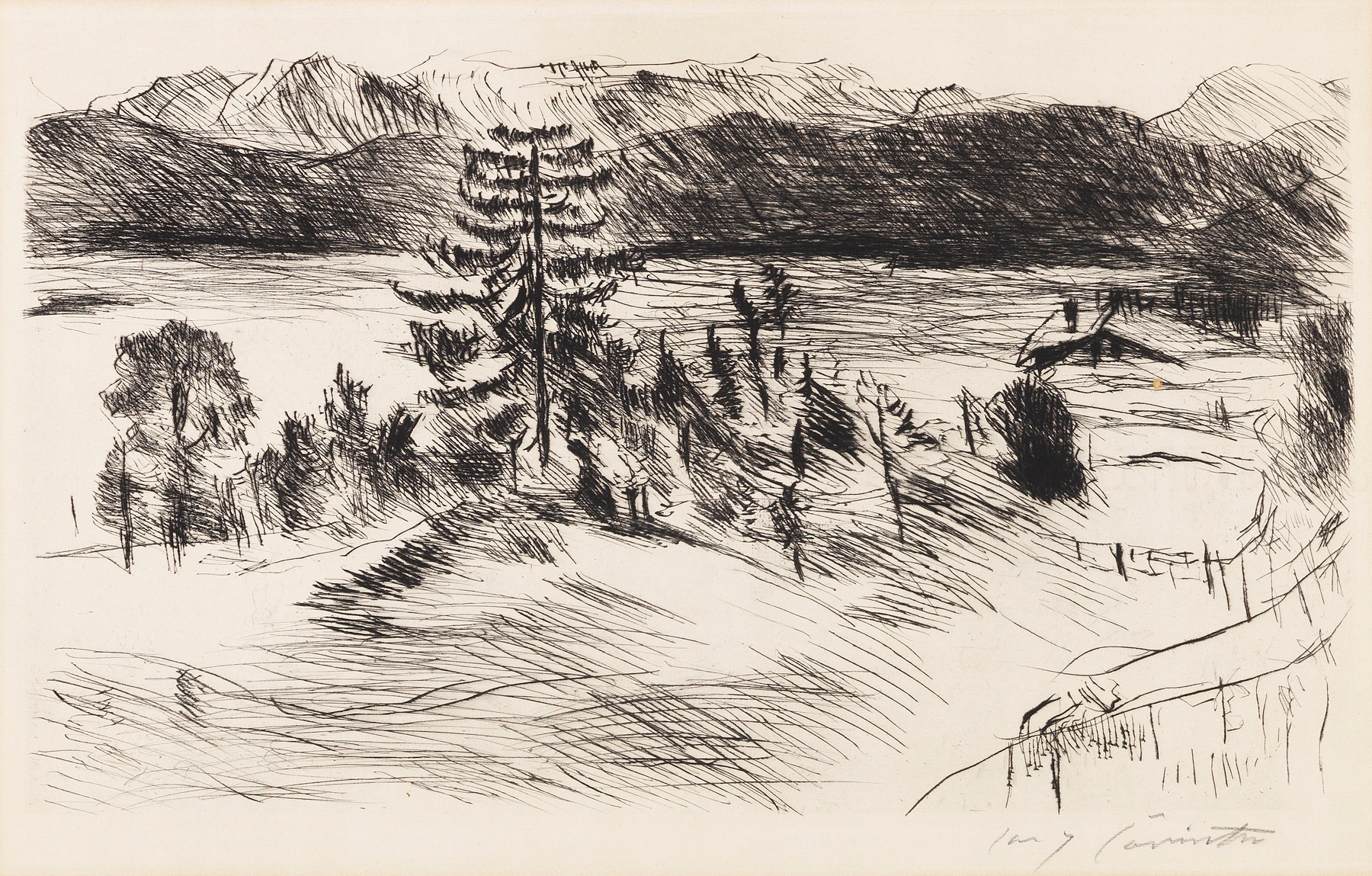
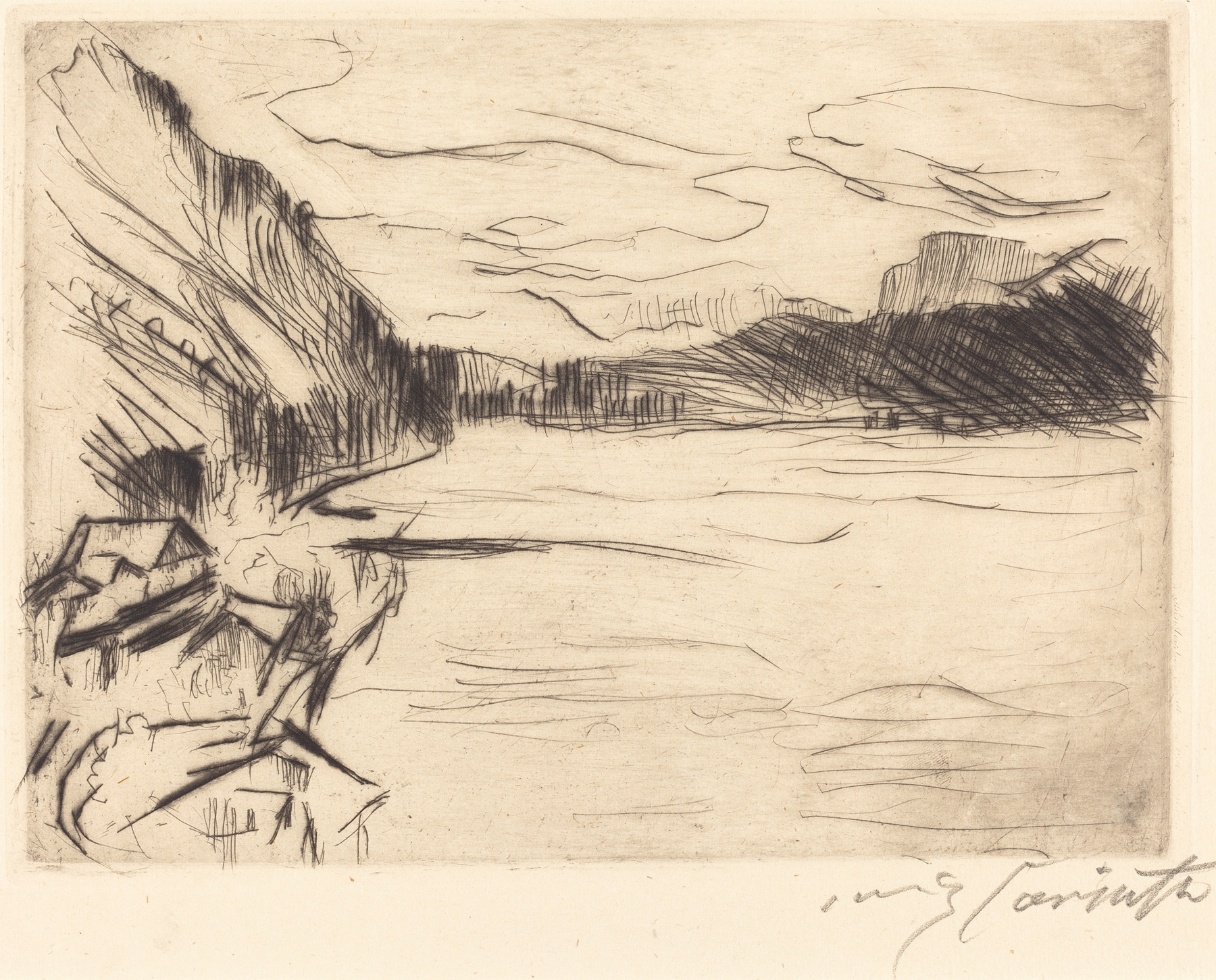
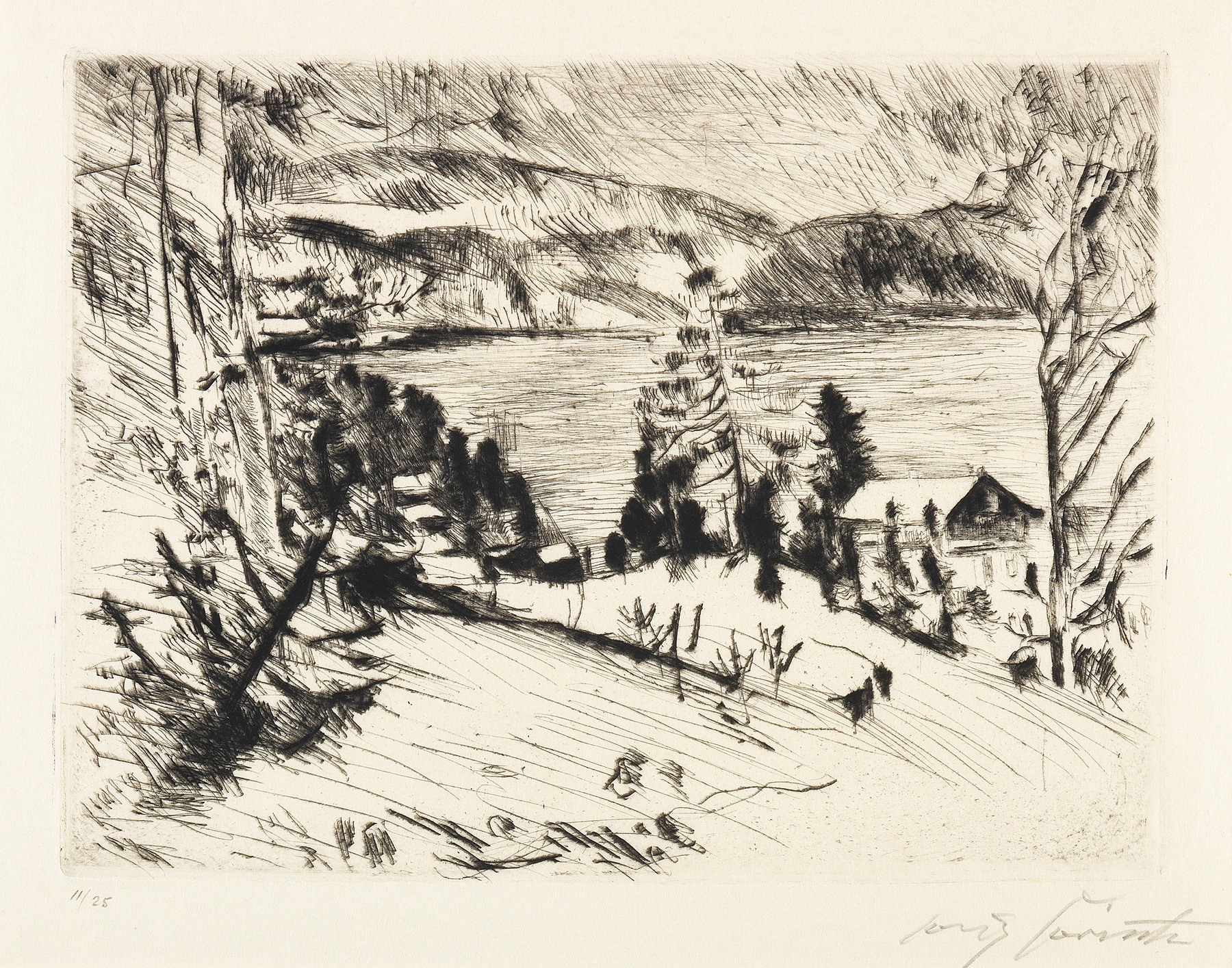
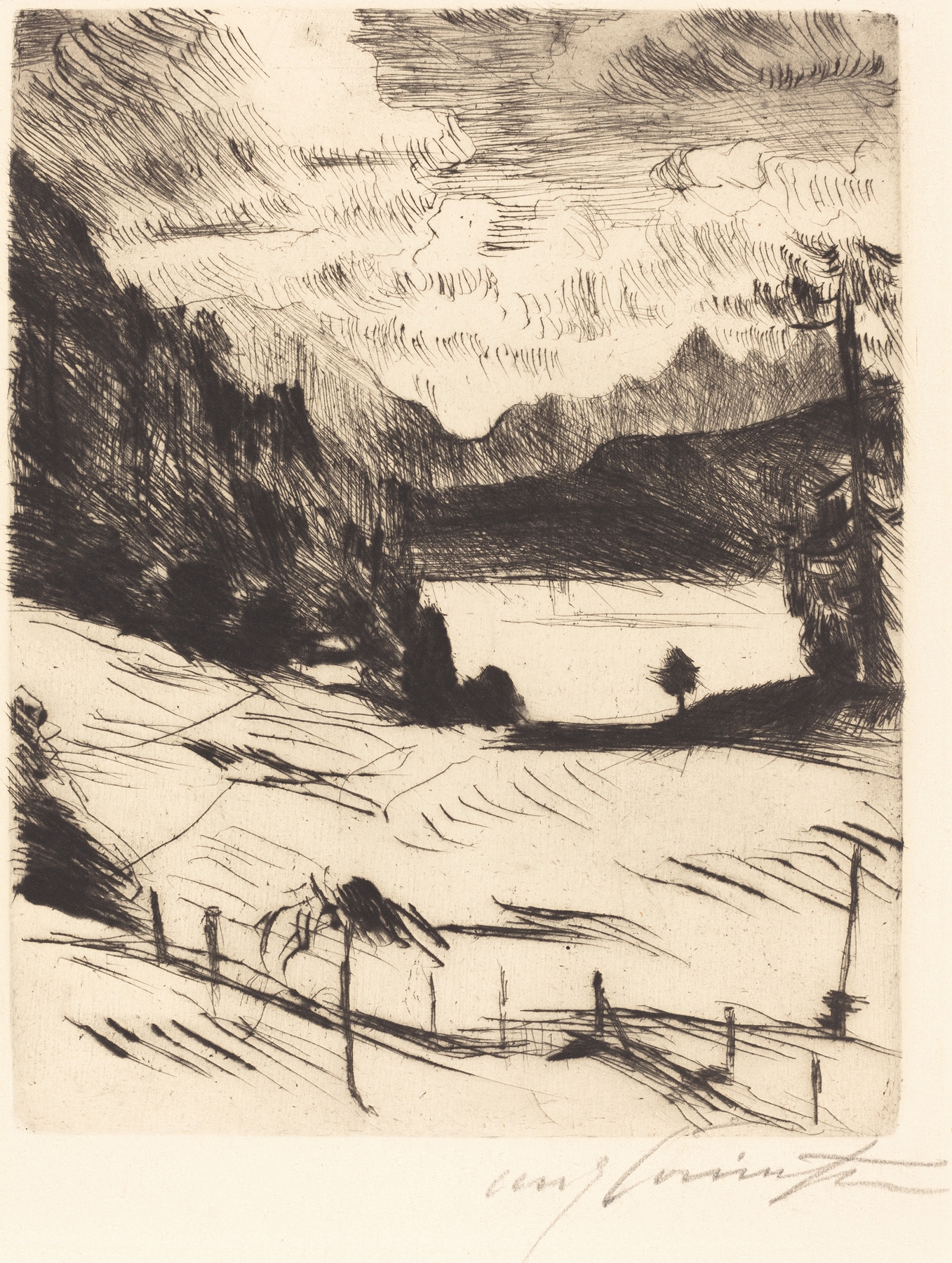
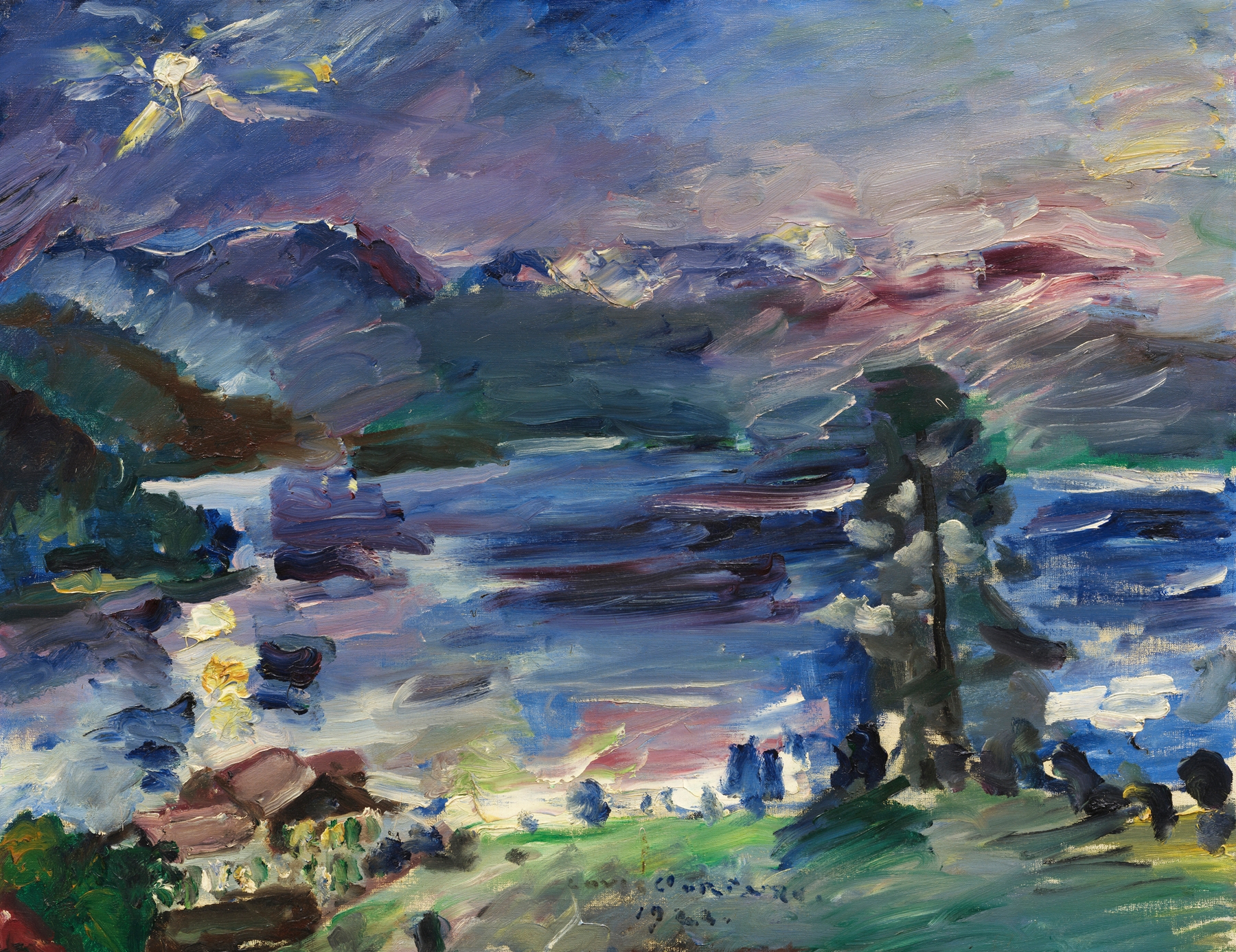
Who listens when art speaks of silence? In Lovis Corinth's Landschaft, the quiet reverberates, echoing emotions that linger long after the brushstrokes have dried. Focus on the horizon, where muted greens and browns collide, inviting the viewer’s gaze across the expansive landscape. The sky, a tapestry of soft grays and gentle blues, seems to whisper secrets, while the sparse, almost forlorn trees stand as solitary figures against the backdrop. Notice how the brushwork varies—some areas are thickly layered, creating texture, while others are finely blended, illustrating the artist's tension between chaos and calm.
The composition draws you in like a breath, revealing a moment suspended in time. Yet within this serene vista lies an undercurrent of unrest, a reflection of the tumultuous world outside. The contrasting hues suggest both harmony and discord, as if the landscape holds the weight of unspoken narratives. The stillness of the painted scene belies the revolutionary spirit of the era—an interplay between nature’s tranquility and the societal upheaval that loomed just beyond its edges.
Each element reflects an implicit struggle, urging viewers to ponder what lies beneath the surface. In 1916, Corinth painted this remarkable work during a time of personal and global conflict. World War I was in full swing, casting shadows across Europe, while the artist grappled with his own health challenges. Amid these chaotic circumstances, he sought solace in nature, reflecting not only his inner turmoil but also the broader disarray of a world in flux, capturing a moment that resonates with both beauty and poignancy.