Landschaft bei Hetschburg — History & Analysis
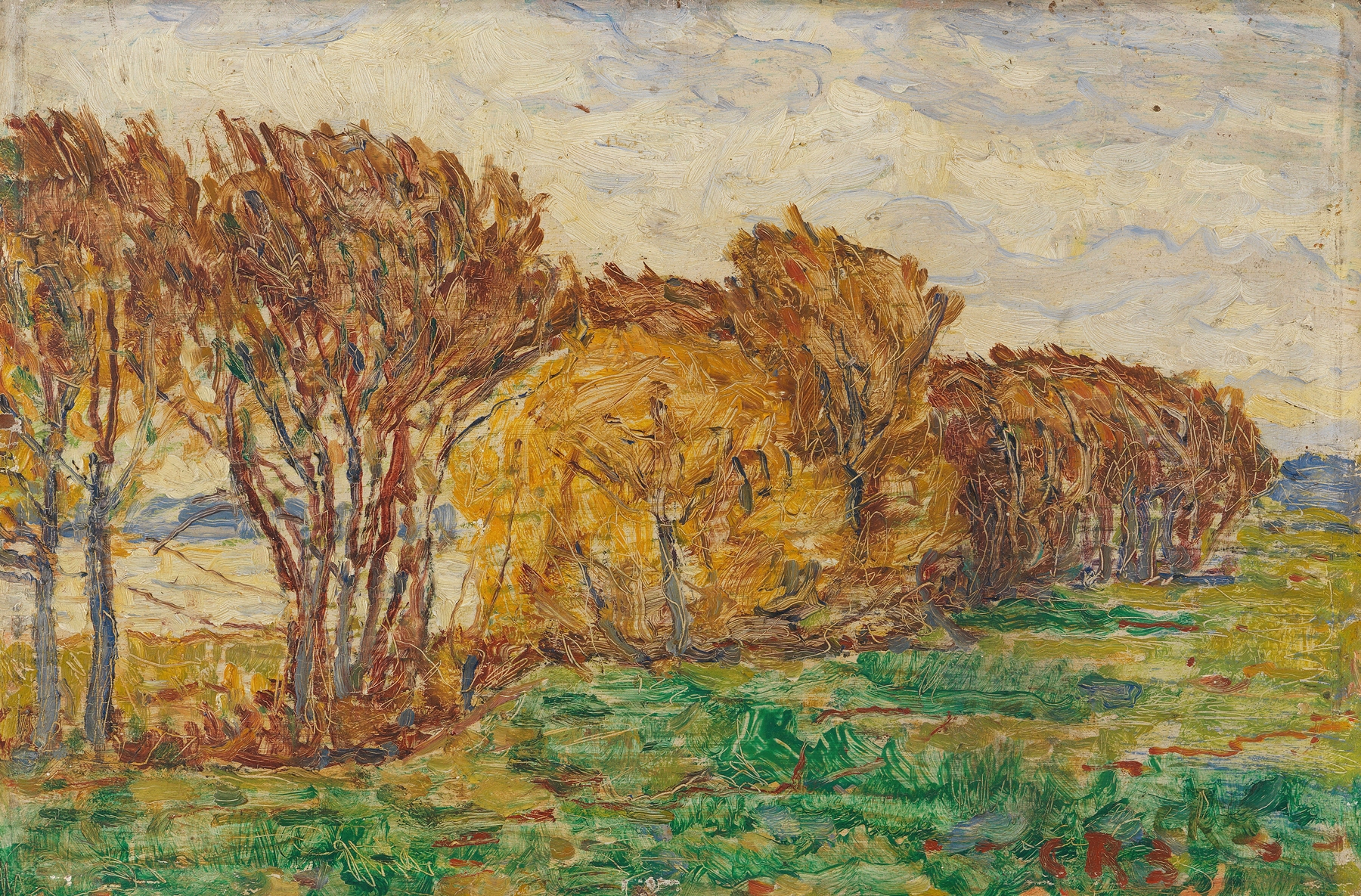
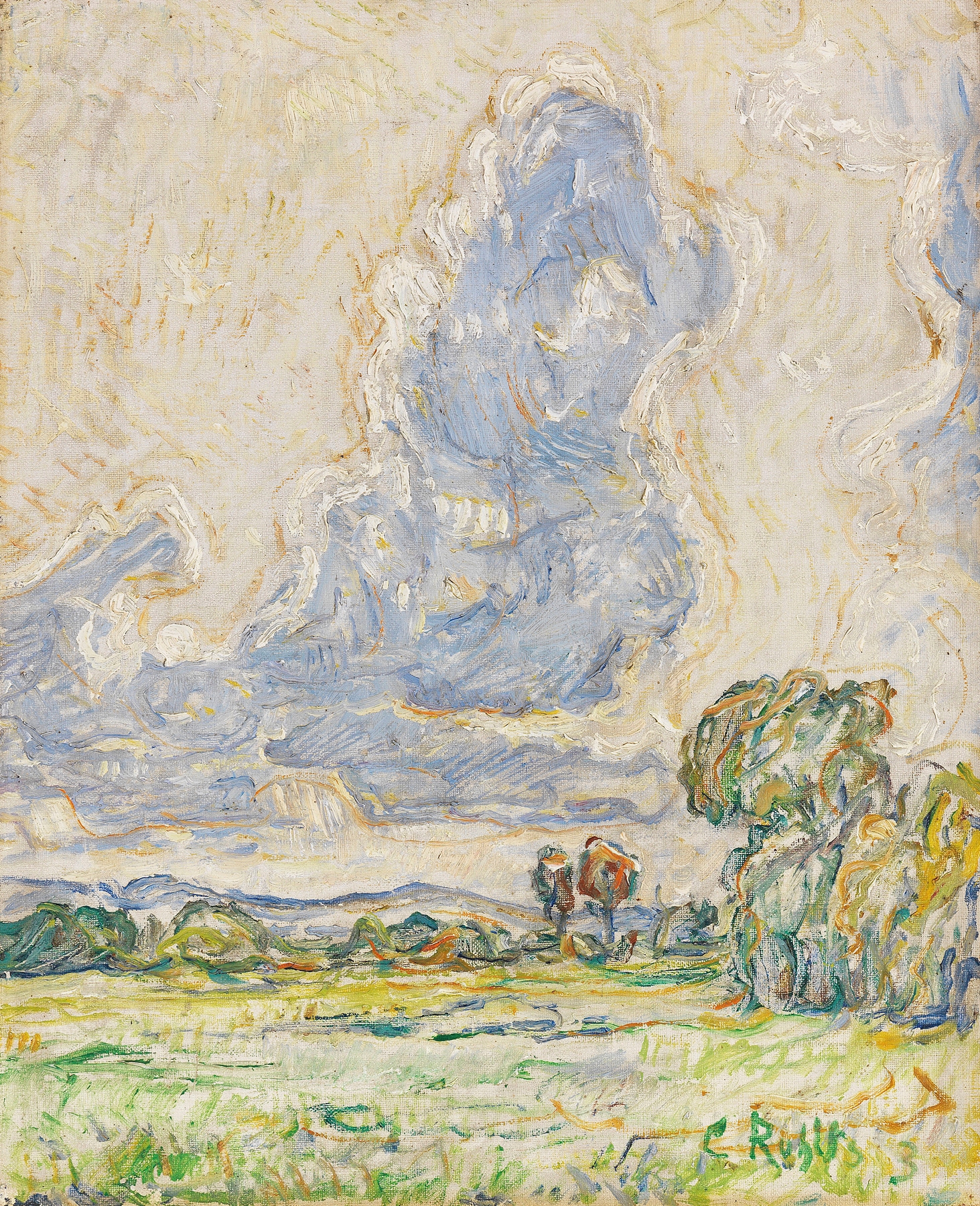
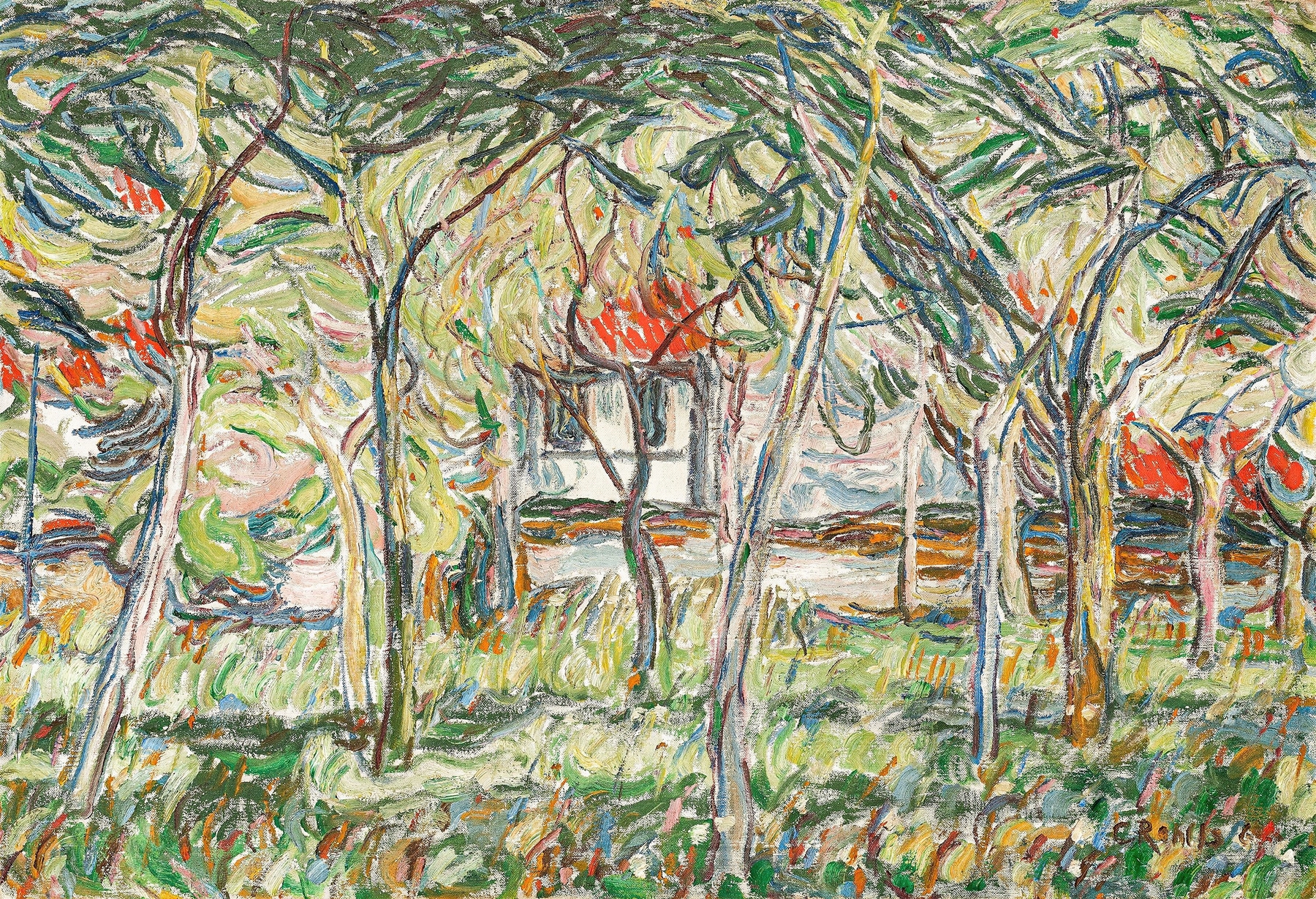
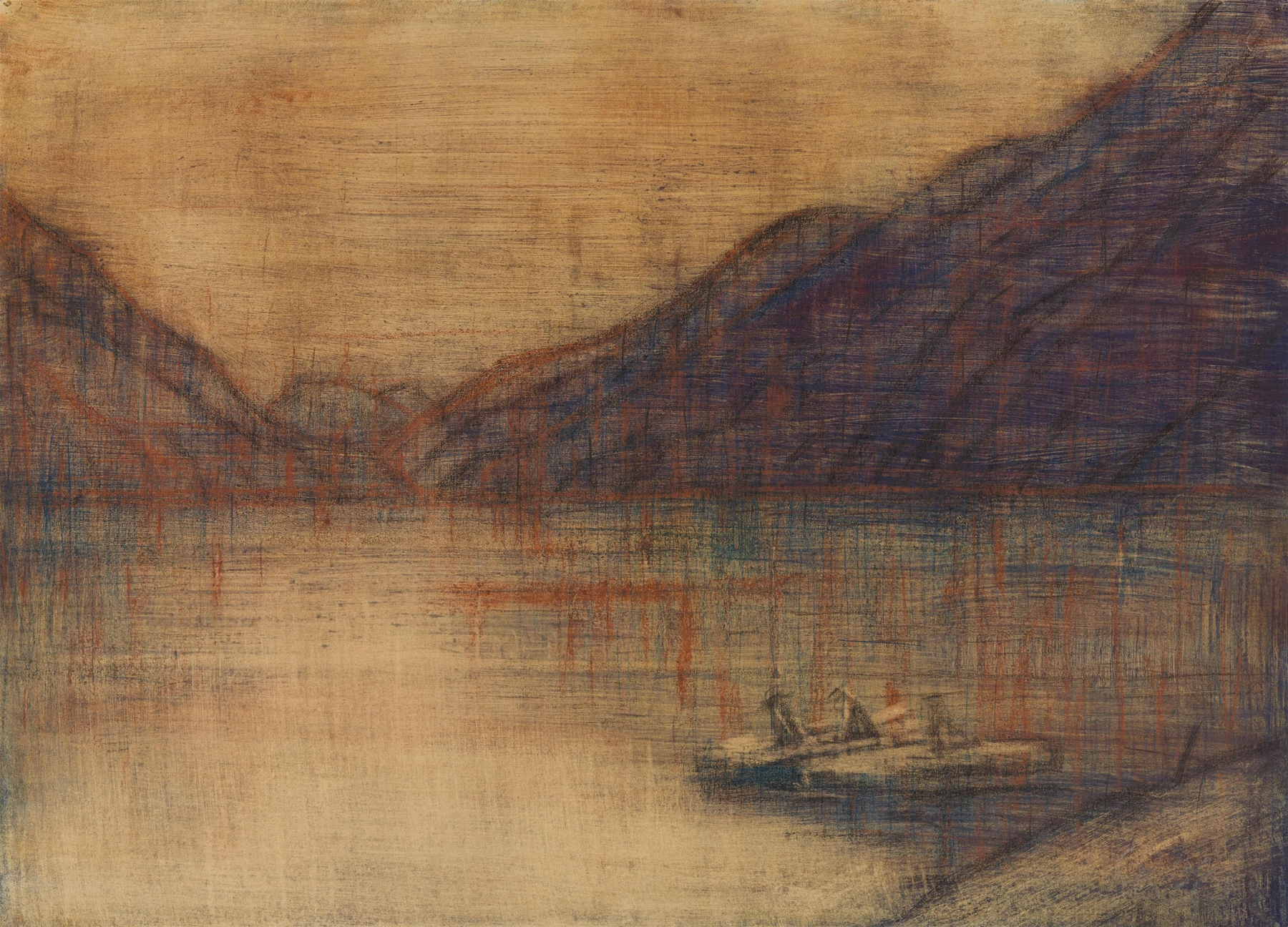
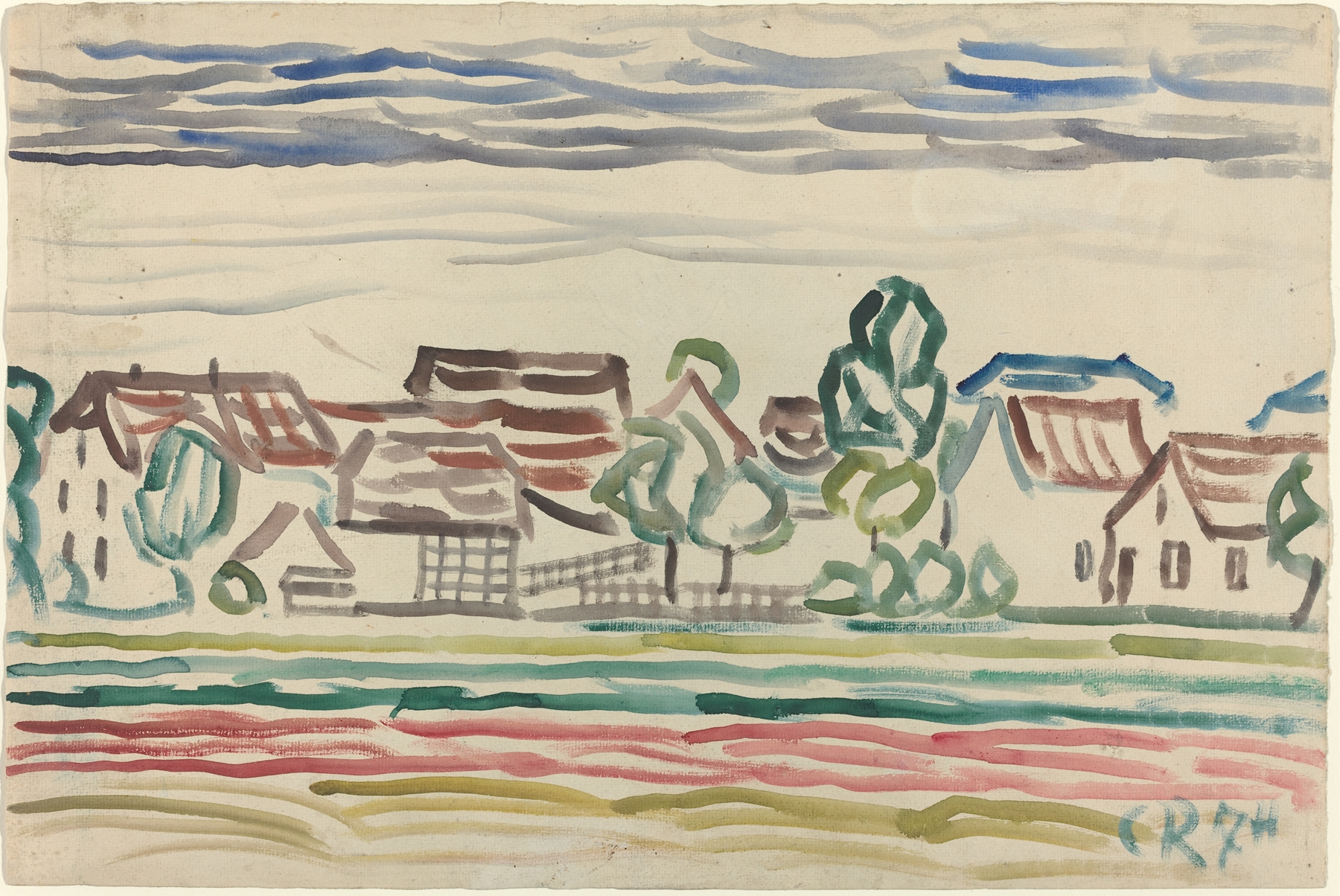
Can paint confess what words never could? In Landschaft bei Hetschburg, vibrant hues and sweeping strokes whisper of hope and longing, evoking emotions that linger beyond language. Look to the foreground where earthy browns and greens coalesce, grounding you in the rich texture of the landscape. Notice how the brushwork creates a sense of movement, each stroke pulsating with a life of its own.
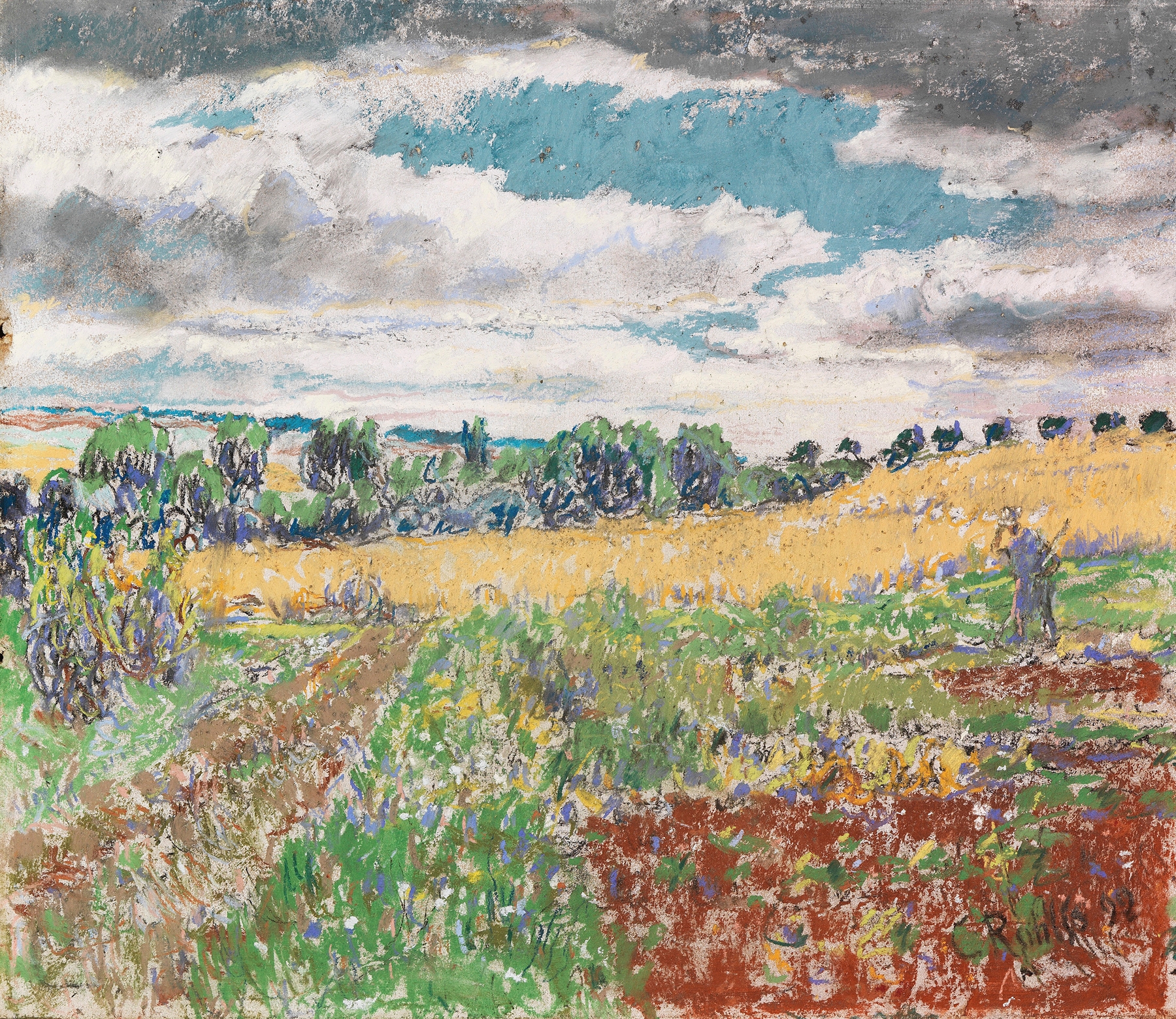
As your eyes wander upward, they are gently drawn to the sky, where soft blues and whites blend seamlessly, suggesting an infinite horizon. The interplay of light and shadow across the canvas adds depth, inviting the viewer to explore the undulating hills that cradle this serene scene. Amidst the tranquil beauty, there lies a palpable tension between the earth and the sky, symbolizing the duality of existence — the weight of reality and the elusive nature of dreams. The contrasting colors reflect a balance between the somber and the hopeful; darker patches beneath the trees evoke a sense of melancholy, while the expansive sky hints at possible transcendence.
Each element of the painting contributes to a narrative that speaks quietly of life’s complexities and aspirations. Created in 1907, Rohlfs was immersed in the Expressionist movement, which sought to convey emotional experiences rather than mere representations of the natural world. Living in Germany during a time of social and political upheaval, he sought solace in the landscapes around him. This piece encapsulates his desire to express the inexpressible and to find beauty within the chaos of contemporary life.