
Landschap in Finland — History & Facts
In moments of solitude, landscapes breathe divinity, inviting contemplation and a deeper connection to nature’s essence. Look to the left at the subtle interplay of green hues, where lush trees sway against the backdrop of an expansive sky. Notice how the light filters through, casting delicate shadows that dance across the ground, guiding your gaze toward the horizon. The composition balances the earthy foreground with the celestial blues and whites of the sky, creating a harmonious dialogue between earth and heaven. Delve into the contrasts within the work: the ruggedness of the terrain versus the ethereal quality of the sky, where billowing clouds suggest an impending change.
The serene yet dynamic brushstrokes evoke a sense of movement, hinting at nature's restless spirit. Here, the artist captures not just a scene but the essence of a divine presence that both nurtures and challenges life. In 1897, Alfred William Finch created this striking landscape during a time of personal introspection and artistic exploration. Living in England, he was influenced by the broader Impressionist movement yet maintained a distinct approach, often depicting serene, rural settings.
This painting reflects his quest for spiritual connection through nature, a pursuit that resonated with many artists of the era seeking to transcend the mundane.
More Artworks by Alfred William Finch
Browse all →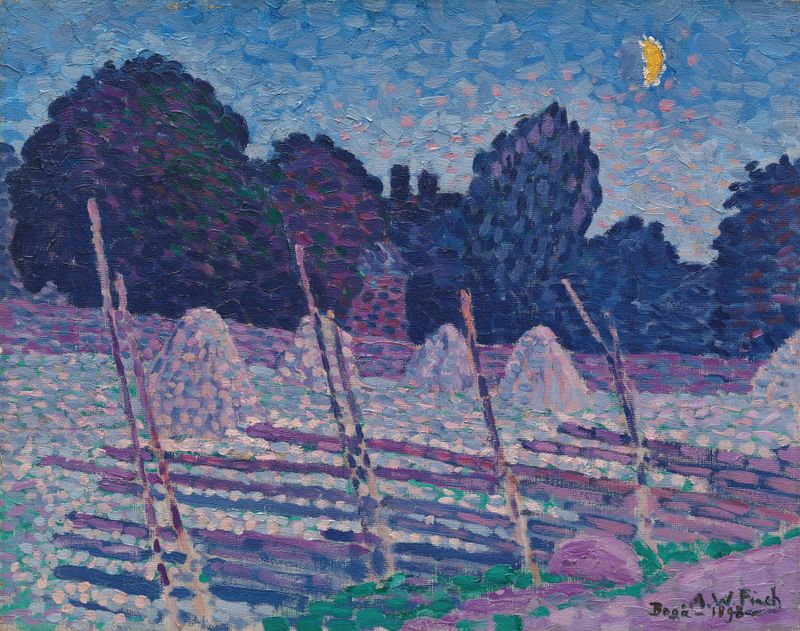
An August’s Night
Alfred William Finch
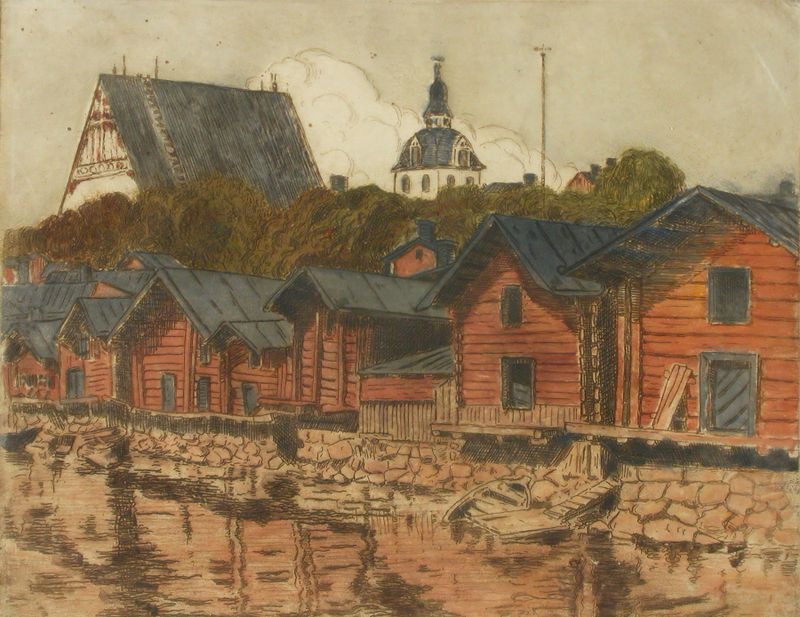
Porvoon ranta-aittoja
Alfred William Finch
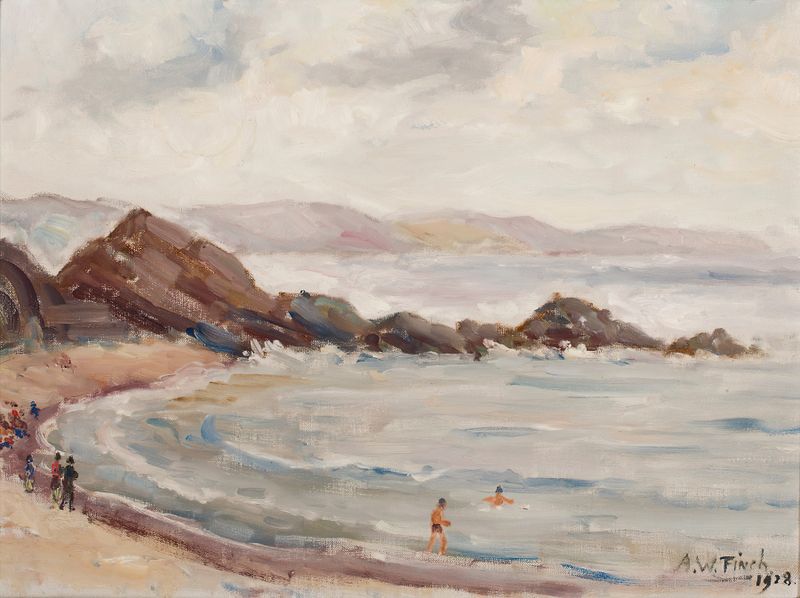
Looen rantaa
Alfred William Finch

Richmond, a River Landscape
Alfred William Finch
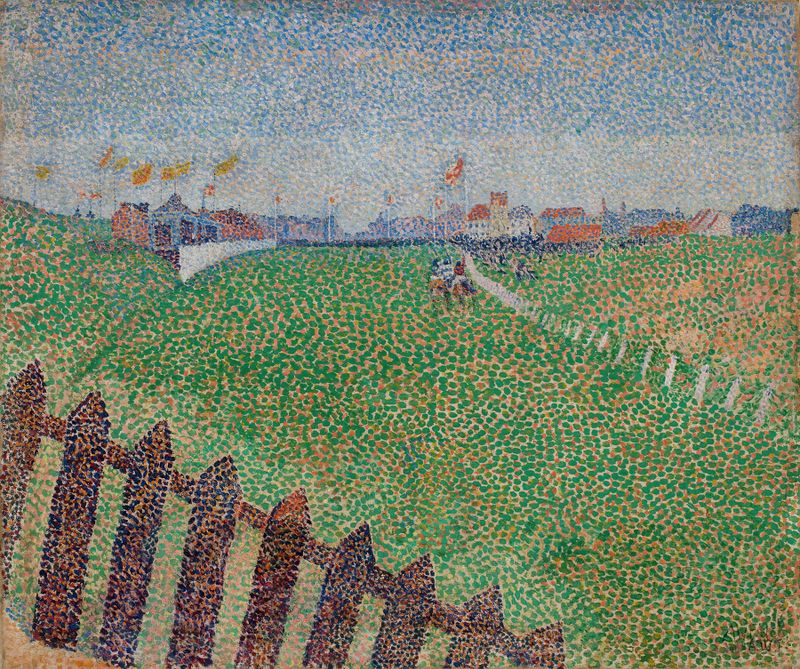
The Wellington Racecourse in Drizzle (Ostende)
Alfred William Finch
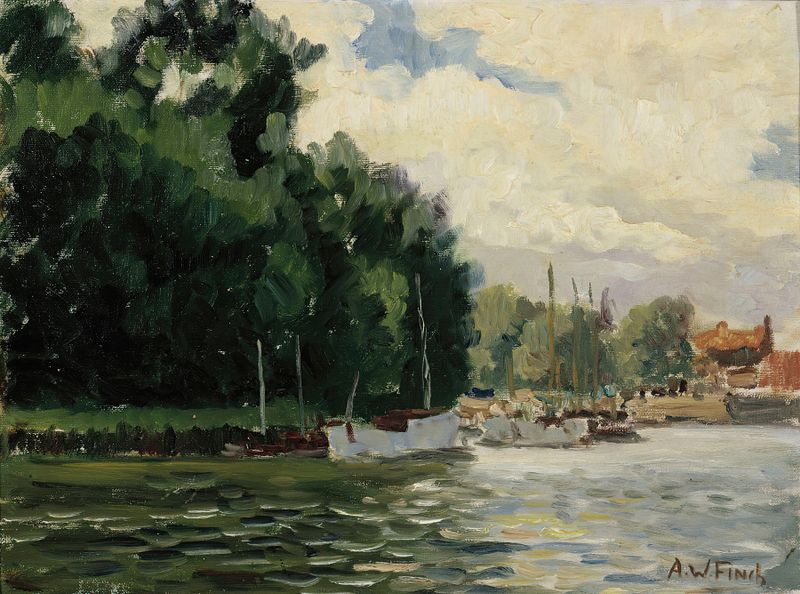
Richmond, Thames
Alfred William Finch
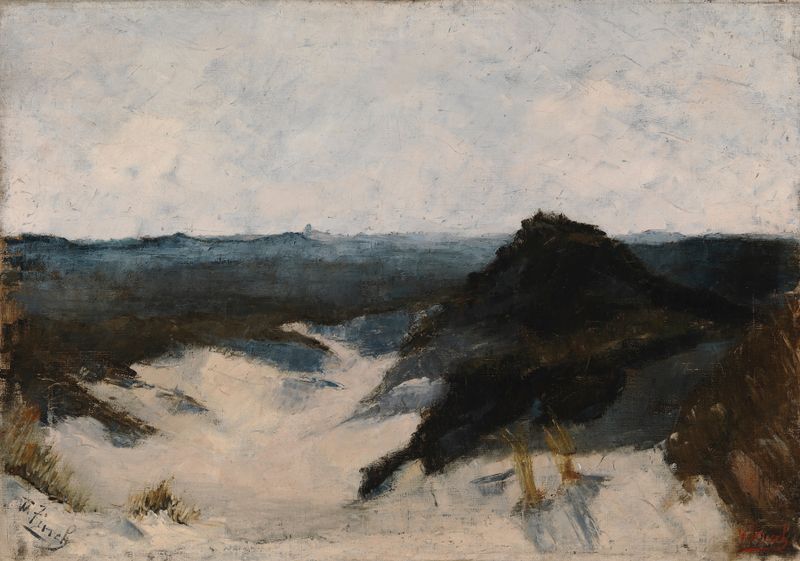
Shore View, Knocke
Alfred William Finch
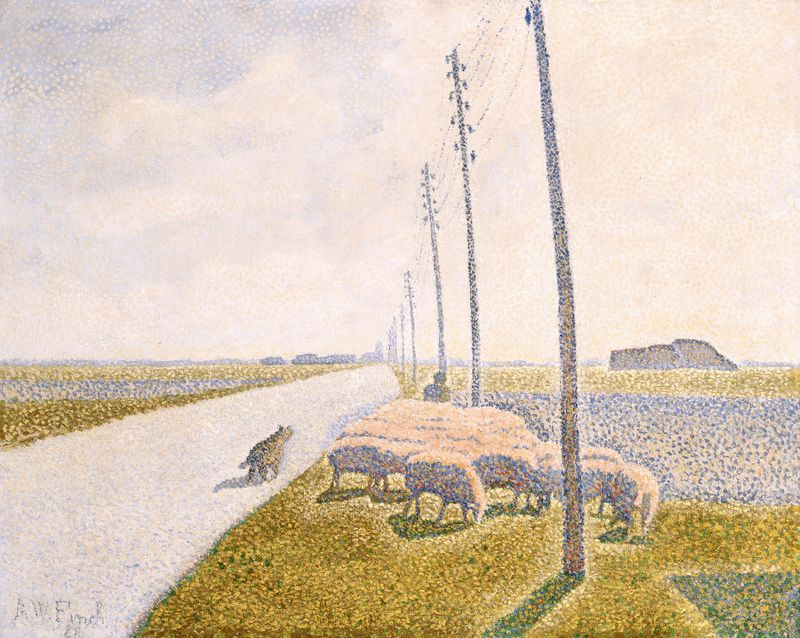
The Road to Nieuport
Alfred William Finch

Bushes
Alfred William Finch
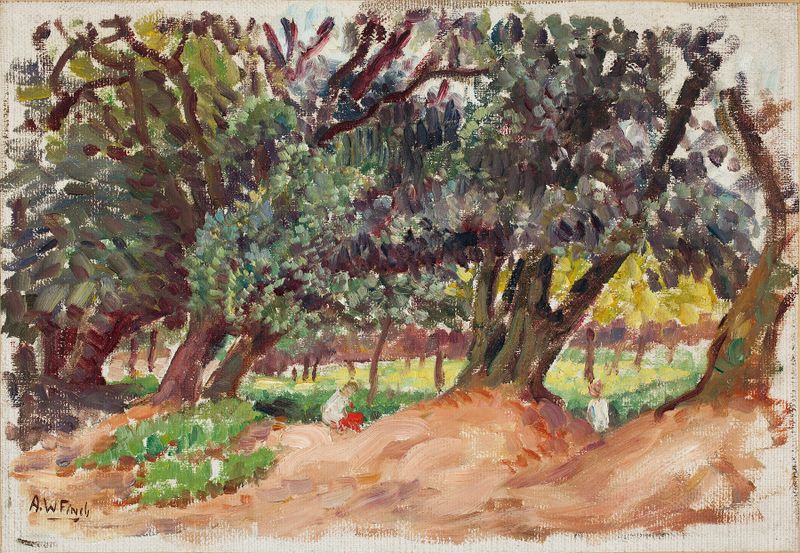
Puistokuva Englannista
Alfred William Finch





